Why TDY Furnished Rentals Need a Different Maintenance Plan
To maintain a fully furnished home for rotating TDY guests, you need a plan that is more proactive than a typical long-term rental and more predictable than a vacation rental. TDY guests often stay for 30, 60, 90, or 120 days, which means the property experiences real daily living: cooking, laundry, remote work, early mornings, late returns, and repeated use of every appliance. The home is not just a weekend getaway. It is temporary housing during a training assignment, schoolhouse course, exercise, or other official duty period.
That use pattern changes the maintenance math. A long-term tenant may bring personal furniture and report problems over a full lease term. A short vacation guest may barely use the kitchen or laundry room. Rotating TDY guests, however, expect the furnished home to be move-in ready, fully functional, and easy to live in from day one. If the Wi-Fi is unreliable, the dryer is slow, the mattress is worn, or the kitchen is missing basics, the issue affects the entire stay.
Owners who list through TDY Hero can benefit from serving a more specific guest profile, but the property still needs systems behind it. A military-friendly listing performs best when the home is not only attractive in photos but also maintained for repeat occupancy. That means documented inspections, consistent cleaning standards, stocked essentials, responsive repairs, and clear communication. The goal is to make every new arrival feel like the property has been prepared specifically for that assignment, not simply reset in a hurry after the last guest.
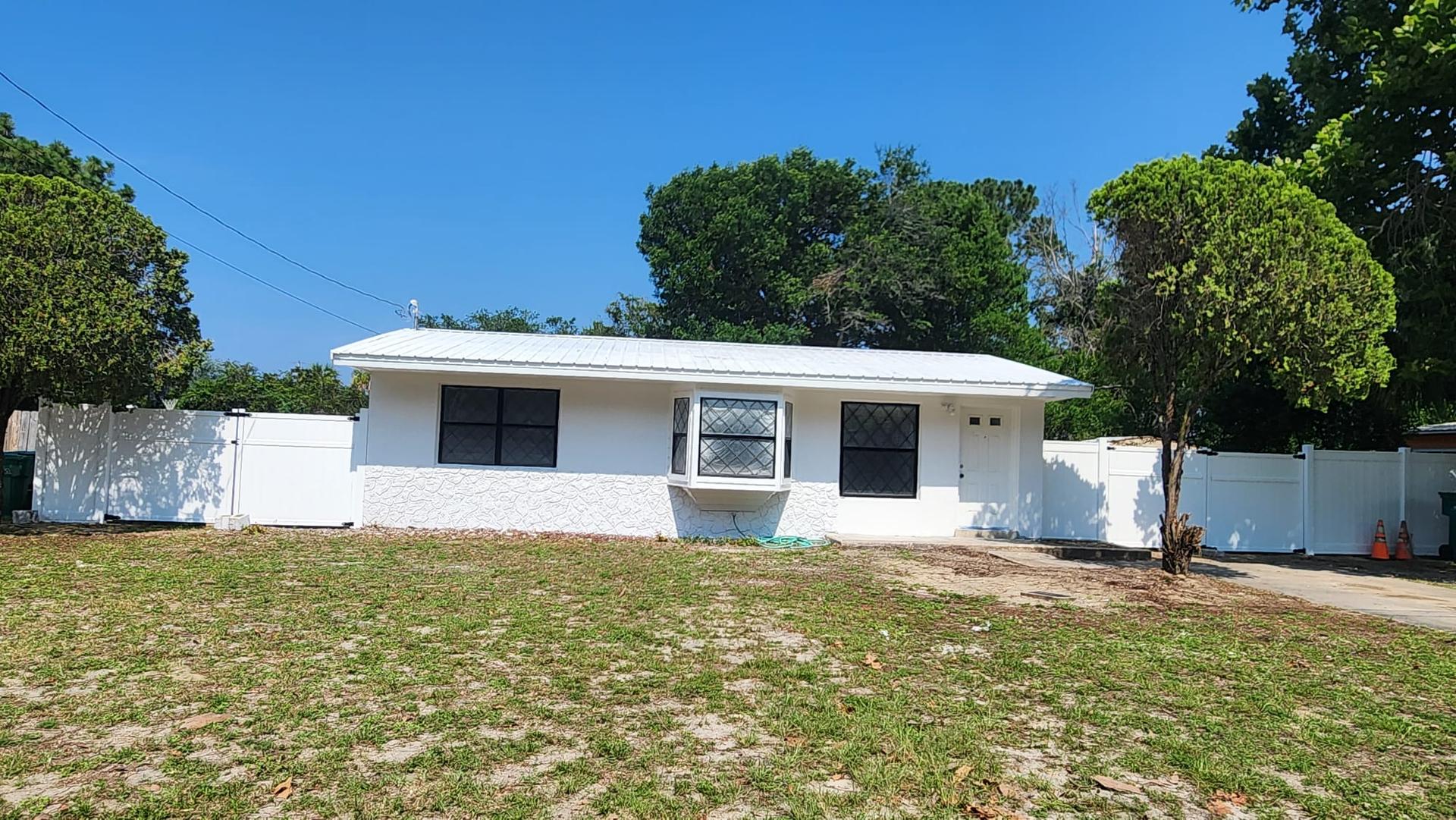
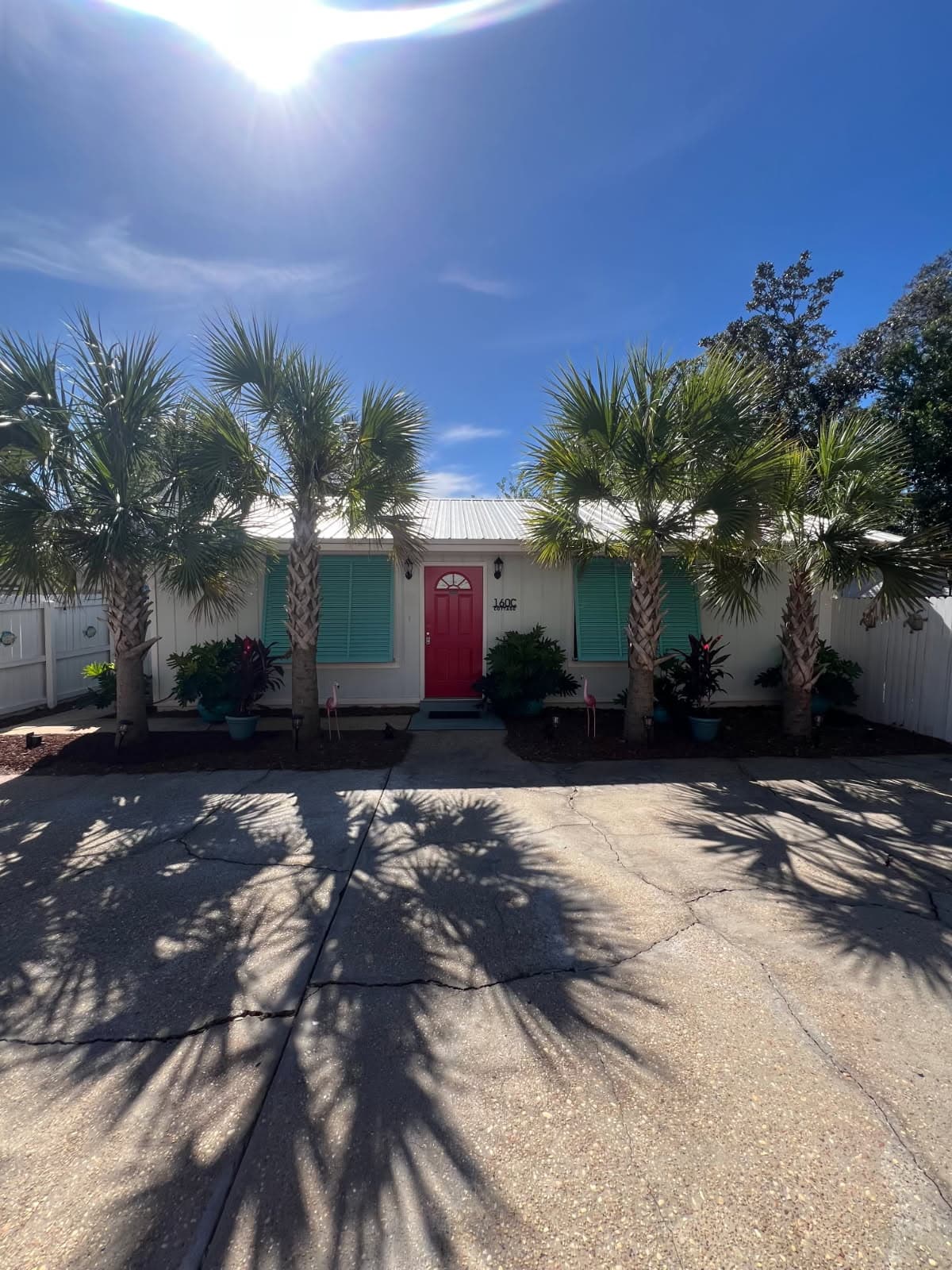
For a useful benchmark, furnished options near the base include TDY Lodging Near Eglin AFB & Hurlburt Field – 2-Bed Home by the Beach - DTS Approved and Hurlburt/Eglin TDY home minutes to Navarre and Pensacola Beach. 3bd 2 bath. All new furniture!.

Build a Turnover Checklist Around Function, Not Just Cleanliness
A turnover checklist for rotating TDY guests should go beyond vacuuming, wiping counters, and changing linens. Cleanliness matters, but function matters just as much. Before each new stay, every major system should be tested: Wi-Fi, smart locks, garage remotes, HVAC, water pressure, hot water, garbage disposal, dishwasher, washer, dryer, television, lamps, ceiling fans, and kitchen appliances. A home can look spotless and still create a poor guest experience if the key code fails or the air conditioning cannot keep up during a hot week.
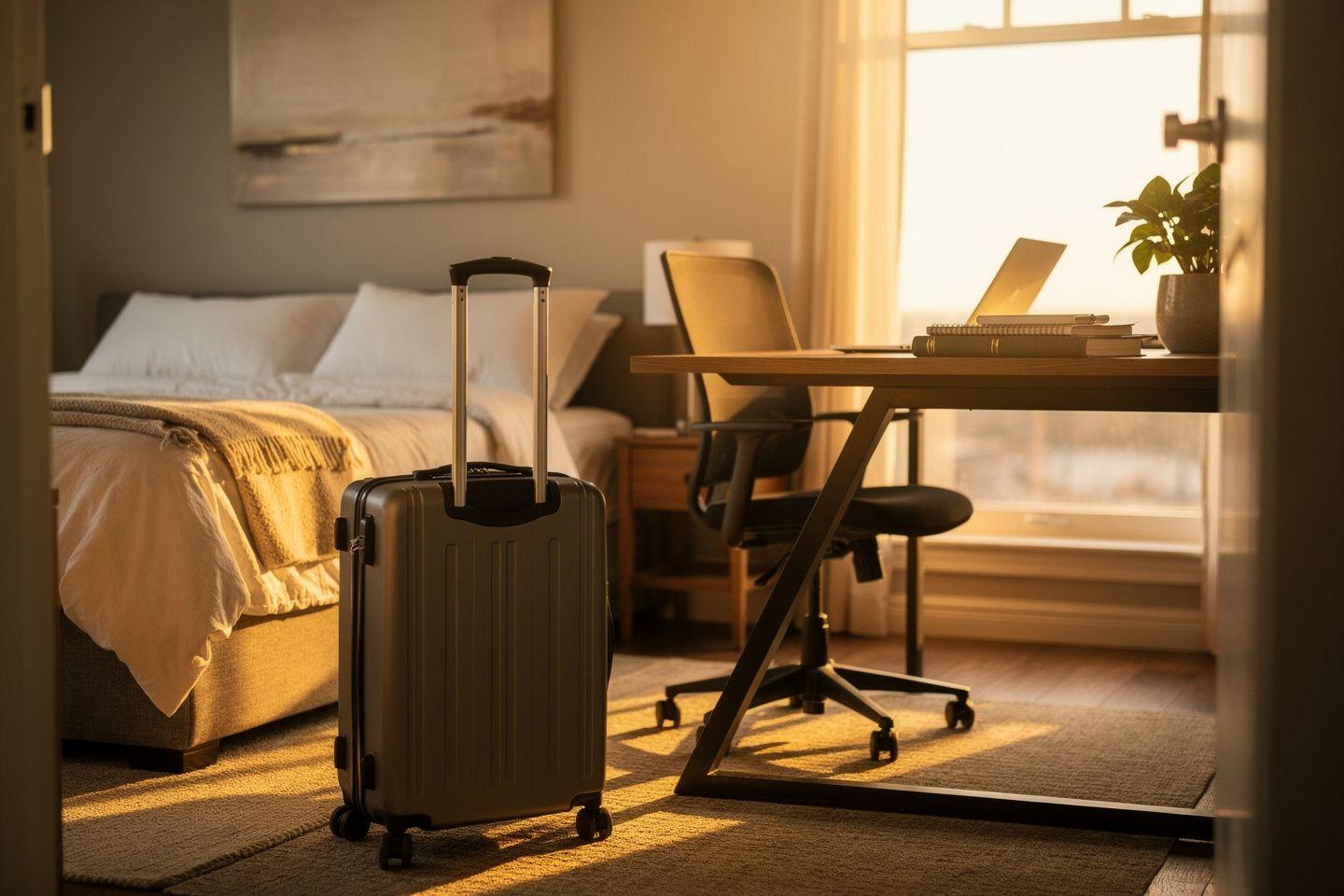
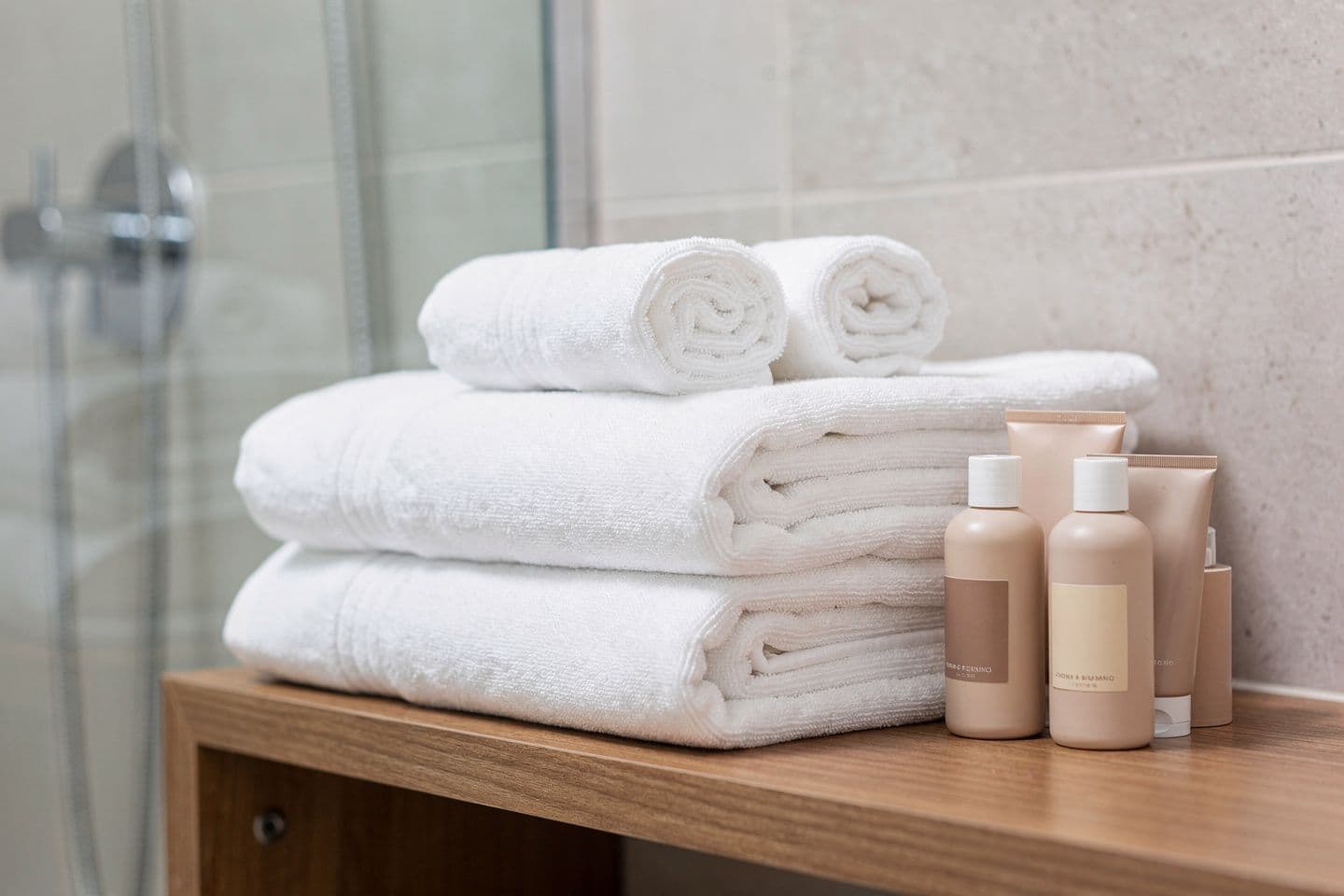
The best turnover systems separate tasks into zones. In the kitchen, confirm that cookware is clean, knives are sharp enough to use, the coffee maker works, the refrigerator is empty and sanitized, and the trash area is odor-free. In bedrooms, inspect mattress protectors, pillows, lamps, closet hangers, blinds, and charging access. In bathrooms, check drains, toilet stability, exhaust fans, towel condition, caulking, and water temperature. In work areas, test the desk lamp, outlets, office chair, and Wi-Fi signal.
Owners should also create a pass-fail standard for each item. For example, a stained towel should not be folded back into circulation just because it is clean. A wobbly dining chair should not remain until a guest complains. A missing remote battery should be replaced during turnover, not after check-in. TDY guests may arrive after long travel days or tight reporting timelines, so the first 24 hours should be as frictionless as possible.
A written checklist also helps if you rely on cleaners, co-hosts, maintenance techs, or property managers. Instead of vague instructions such as “make it guest-ready,” the team has a repeatable standard. TDY Hero listings that deliver consistent stays are more likely to earn strong guest feedback and repeat interest because the property experience matches what was promised.
Protect Furniture Against Daily Use Without Making the Home Feel Bare
Furnished homes for TDY stays need durable furniture, but they should not feel institutional. Guests are choosing off-base furnished housing because they want comfort, privacy, space, and a more normal routine. The maintenance challenge is selecting pieces that hold up under repeated use while still making the home feel welcoming. Performance fabrics, washable slipcovers, solid wood or metal bed frames, commercial-grade dining chairs, and easy-clean rugs can reduce replacement costs without sacrificing style.
Bedrooms deserve special attention because sleep quality is one of the biggest drivers of guest satisfaction. Use quality mattresses with waterproof, breathable protectors, washable pillow protectors, and spare linens that match the bed size exactly. Avoid fragile bed frames, decorative-only nightstands, and low-quality lamps that tip easily. A TDY guest may use the bedroom every day for months, so the room should be comfortable, practical, and easy to maintain between stays.
If you are deciding how much privacy and bedroom setup to offer, this guide on shared or private furnished homes can help shape those furnishing choices.
Living rooms should be arranged for real downtime. A sofa with removable cushion covers, side tables with durable surfaces, and a media setup that is simple to operate can prevent many common issues. Avoid too many decorative objects, glass-heavy furniture, or delicate pieces that create unnecessary risk. The goal is not to strip the home of personality but to remove items that cannot survive normal furnished-rental use.
Keep a furniture replacement calendar rather than waiting for items to fail. Mattresses, sofa cushions, dining chairs, desk chairs, and outdoor seating all have useful life spans. If you inspect them regularly, you can budget for replacement before they become a guest complaint. Owners who treat furnishings as operating assets, not one-time purchases, are better positioned to maintain a professional TDY rental over multiple rotations.

Create an Inventory System for Linens, Kitchenware, and Small Items
Small missing items can create big frustration during a long TDY stay. A guest may forgive a simple decor choice, but missing can openers, dull knives, too few towels, or mismatched sheets can make the home feel poorly managed. An inventory system helps you maintain consistency across every rotation. It also prevents slow erosion, where a furnished home gradually loses essentials one stay at a time.
Start with a room-by-room inventory list. For the kitchen, track cookware, pans, baking sheets, utensils, plates, bowls, glasses, mugs, food storage containers, cutting boards, knives, measuring tools, and cleaning supplies. For bedrooms and bathrooms, track sheet sets, blankets, pillows, towels, bath mats, mattress protectors, hangers, and laundry baskets. For work areas, track desk lamps, extension cords, surge protectors, and basic office conveniences. The list should identify the target quantity, current quantity, and replacement threshold.
Color coding or labeling can help when a property has multiple bedrooms. Matching sheet sets by room reduces laundry errors and makes turnovers faster. Towels should be purchased in bulk from the same line so replacements blend in. Kitchenware should be durable and easy to replace, not a collection of fragile one-off pieces. If something breaks, the cleaner or inspector should know exactly what to reorder.
This inventory discipline is especially helpful for owners managing multiple TDY properties through TDY Hero or preparing to expand. Standardizing supplies across homes reduces decision fatigue and simplifies restocking. It also helps maintain a consistent guest experience, which matters when travelers compare furnished options near the same base or training location.
Owners comparing standards across similar markets can look at listings like TDY Hurlburt Eglin - Downtown FWB Condo 2bed/2bath/office to see how complete inventory and work-friendly spaces show up in practice.
Stay Ahead of HVAC, Plumbing, Appliances, and Wi-Fi
The most serious maintenance issues in a furnished TDY rental usually involve core systems: heating and cooling, plumbing, appliances, and internet. These are not luxuries. For a guest on an official assignment, a broken air conditioner, unreliable Wi-Fi, or backed-up drain can disrupt sleep, work, communication, and daily routines. Preventive maintenance is much cheaper than emergency repair calls and lost trust.
HVAC should be serviced before peak heating or cooling seasons, with filters replaced on a fixed schedule. In hot-weather markets, air conditioning performance can make or break a stay. In cold-weather markets, heating reliability and clear instructions for thermostats matter just as much. Leave extra filters if appropriate, but do not rely on guests to manage the system. Schedule filter changes as part of property operations, especially for stays longer than 30 days.
Plumbing inspections should focus on drains, supply lines, toilets, water heaters, garbage disposals, and signs of slow leaks under sinks. A slow drain during turnover can become a clogged drain during the stay. A running toilet can increase utility costs. A small supply-line leak can become major damage if it goes unnoticed. Cleaners and inspectors should be trained to report water stains, soft flooring, loose toilets, unusual odors, and low water pressure immediately.
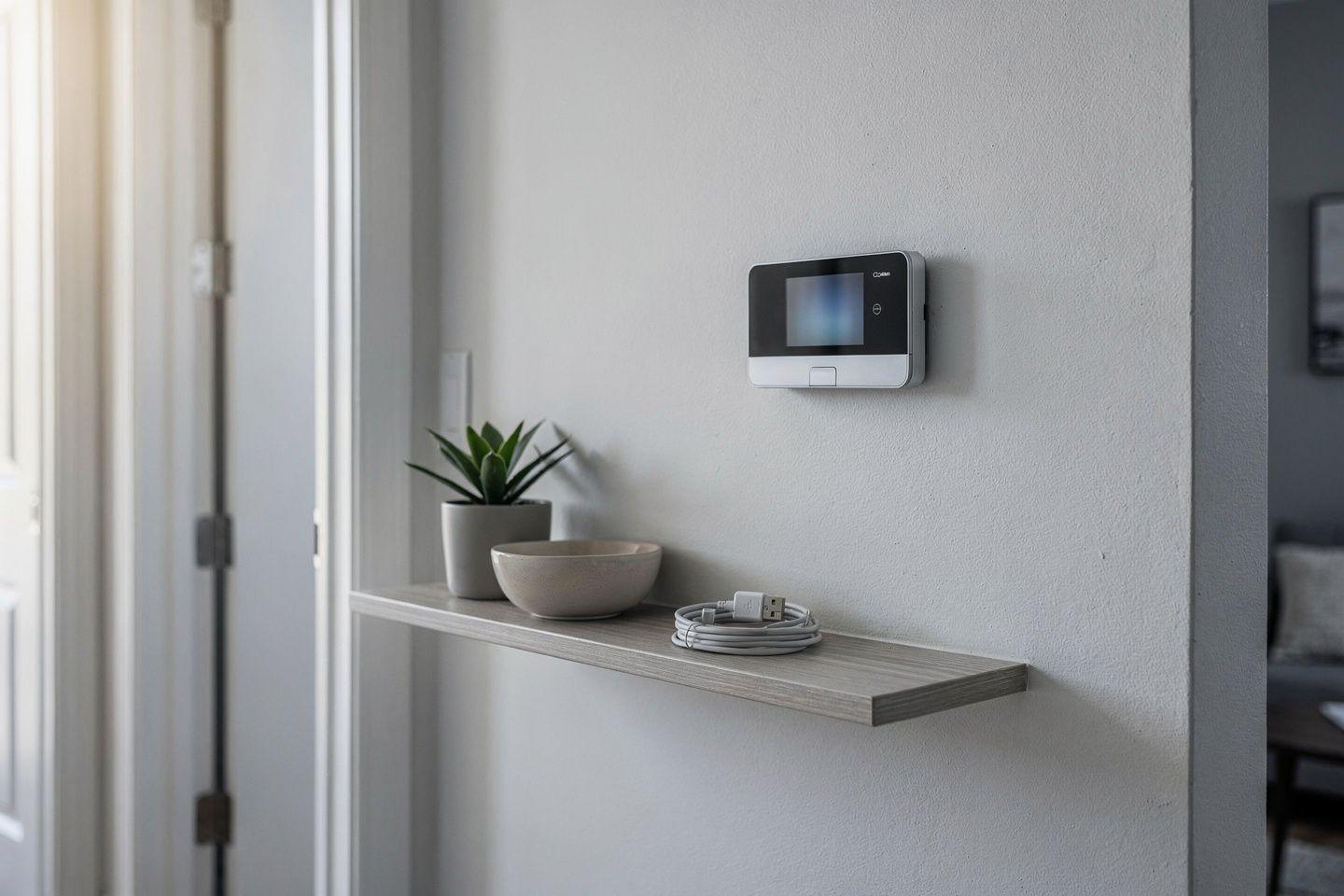
Wi-Fi should be treated like an essential utility. Test speeds during turnover, place the router where coverage is strong, and consider mesh equipment for larger homes. Provide simple instructions for network access, but avoid displaying sensitive details in public listing photos. TDY guests may complete administrative tasks, video calls, online training, or family communication from the rental, so reliable internet is one of the clearest ways to make the home feel TDY-ready.
Plan Mid-Stay Maintenance Without Disrupting the Guest
Rotating TDY stays are often long enough that the property needs attention while occupied. Yard care, pest control, HVAC filter changes, pool service, trash reminders, and occasional repairs may all occur during a guest’s stay. The key is to plan these services professionally and communicate clearly. Guests should never feel surprised by a contractor at the door or pressured to coordinate maintenance that should be handled by the owner.
For routine exterior services, provide the expected schedule before check-in or in the welcome guide. If lawn care occurs every other Tuesday, say so. If pest control requires interior access once per quarter, explain the process and provide notice well in advance. For repairs, offer appointment windows and respect the guest’s schedule whenever possible. A TDY guest may have early report times, long training days, or limited availability, so flexibility matters.
Mid-stay inspections should be used carefully. Owners have a legitimate interest in protecting the property, especially during longer assignments, but inspections should be reasonable, scheduled, and documented in the rental agreement. A simple maintenance-focused visit can check filters, leaks, smoke detectors, exterior condition, and obvious repair needs without making the guest feel monitored. The tone should be service-oriented, not suspicious.
TDY Hero can help owners connect with guests who understand furnished, assignment-based housing, but professional boundaries still matter. Clear maintenance expectations reduce awkward conversations later. When the agreement explains access, notice, routine services, and emergency repairs, both the owner and guest know what to expect.
Clear access and maintenance expectations also fit naturally with house rules for TDY furnished rentals that feel helpful rather than heavy-handed.

Use a Repair Triage System for Faster Decisions
Not every maintenance issue has the same urgency. A repair triage system helps you respond quickly without overreacting or delaying critical work. Divide issues into emergency, urgent, routine, and post-stay categories. Emergencies include active leaks, no heat in cold weather, no air conditioning in extreme heat, electrical hazards, lock failures, sewage backups, and safety concerns. These require immediate action.
Urgent issues affect livability but may not be true emergencies. Examples include a broken washer during a long stay, a non-working refrigerator, unreliable Wi-Fi, a clogged kitchen sink, or a malfunctioning oven. Routine items might include a loose cabinet hinge, a worn rug, a dripping faucet, or a missing kitchen tool. Post-stay items are improvements that can wait until turnover, such as paint touch-ups, furniture upgrades, or replacing stained but usable items.
This system protects your time and your guest relationship. If everything is treated as an emergency, operations become chaotic and expensive. If serious issues are minimized, guest satisfaction drops quickly. The triage categories should be paired with preferred vendors, backup vendors, warranty information, appliance model numbers, and approval limits. That way, a property manager or co-host can act without waiting for a long decision chain.
Documentation is part of the system. Ask for photos or short descriptions when appropriate, but do not make the guest prove obvious problems repeatedly. Track repair dates, costs, vendor notes, and whether the issue may recur. Over time, this record reveals patterns. If the same appliance fails twice in six months, replacement may be smarter than another repair.
Control Utilities, Outdoor Areas, and Seasonal Wear
Utilities and outdoor spaces are easy to overlook until they become expensive. A fully furnished home for rotating TDY guests should have clear utility expectations, efficient systems, and outdoor areas that are simple to maintain. If utilities are included, owners should still monitor unusual spikes in electric, gas, water, or internet usage. Smart thermostats, leak sensors, irrigation timers, and usage alerts can help protect the property without interfering with guest comfort.
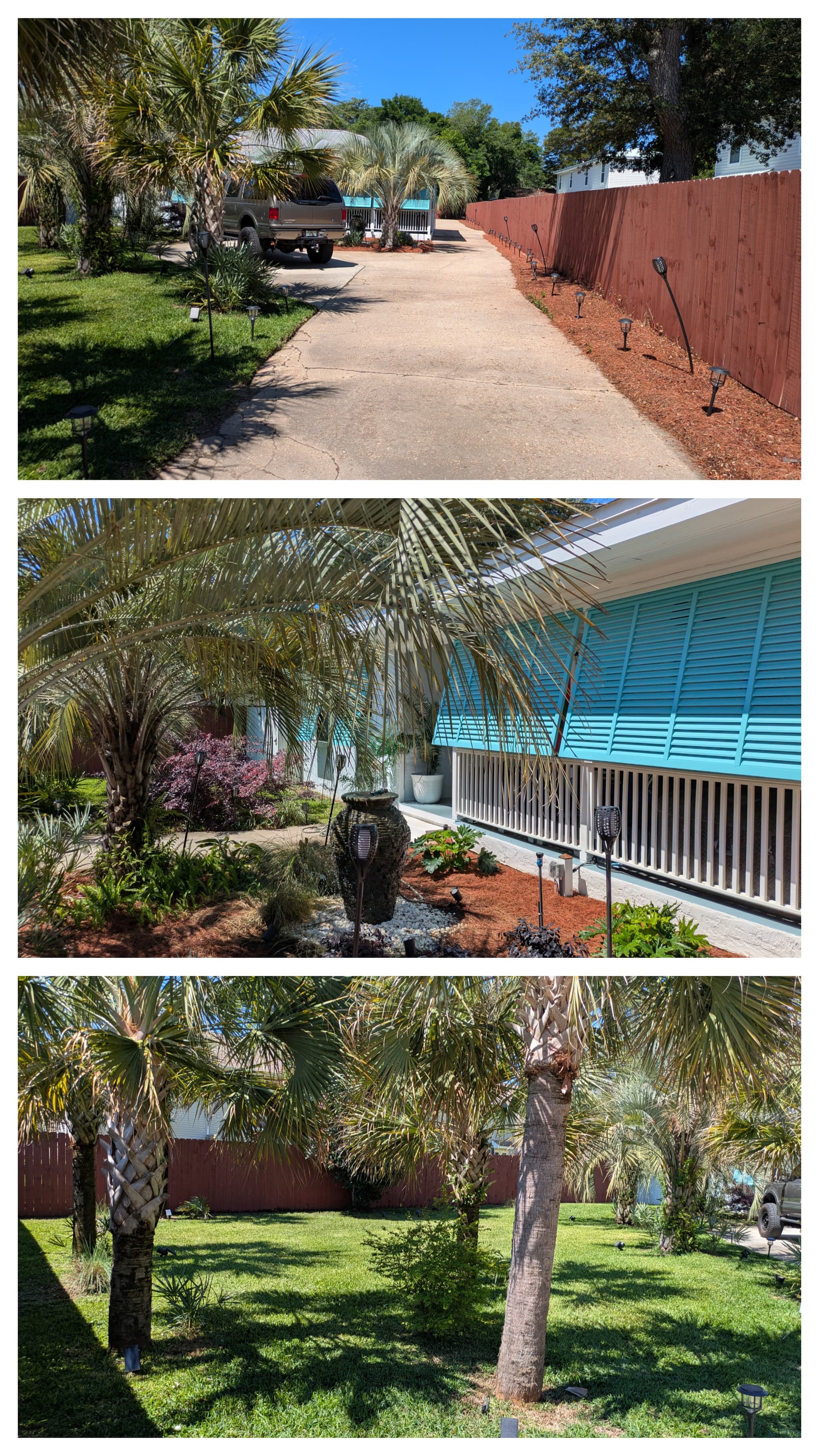
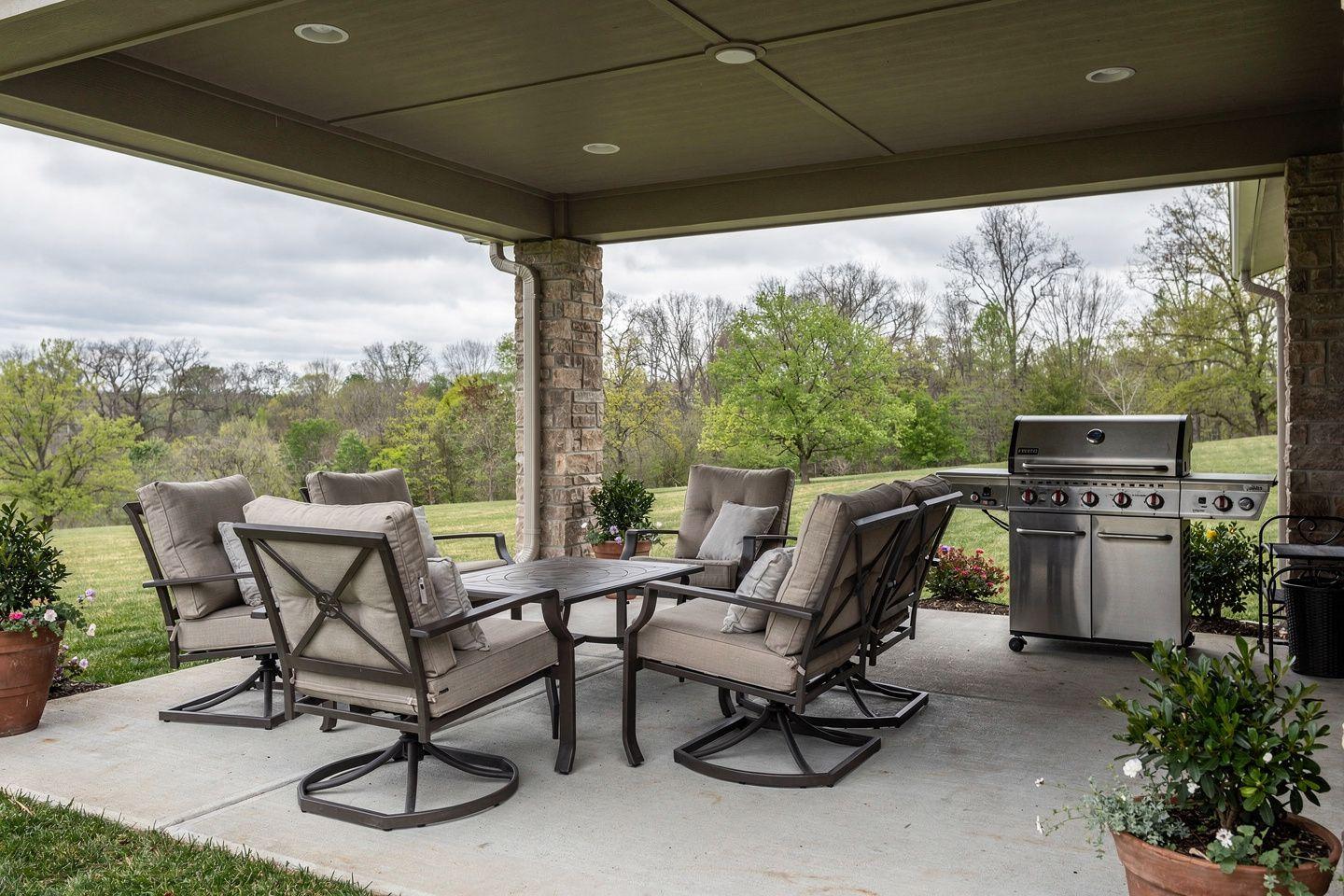
Outdoor areas are often a selling point, especially for guests traveling with family or pets, but they require a maintenance plan. Patios, porches, balconies, grills, small yards, and outdoor seating should be inspected before every stay. Check for loose railings, damaged cushions, wasp nests, full propane tanks if provided, safe grill placement, exterior lighting, and trip hazards. Outdoor furniture should be weather-resistant and easy to clean, not indoor furniture moved outside as an afterthought.
Seasonal wear depends on the market. In desert climates, dust, sun exposure, and HVAC strain may be the biggest concerns. In humid coastal areas, corrosion, mildew, pests, and storm preparation may drive maintenance needs. In colder regions, snow removal, frozen pipes, entry mats, and heating systems require attention. A property near a training base can see strong year-round demand, but the maintenance plan should still change with the season.
Owners should include seasonal tasks in the annual budget. Pressure washing, gutter cleaning, pest control, HVAC service, lawn care, tree trimming, exterior paint touch-ups, and patio furniture replacement all protect the guest experience. When outdoor areas look cared for, the entire property feels better maintained before the guest even opens the front door.
In coastal markets, properties such as Welcome to the Beautiful SunDown Home in Navarre! All new furniture! show why outdoor upkeep and durable furnishings need to be part of the same maintenance plan.

Make Guest Communication Part of the Maintenance System
Good maintenance is not only about tools, cleaners, and vendors. It is also about communication. Guests should know how to report an issue, what counts as urgent, when to expect a response, and how repairs are scheduled. A simple maintenance section in the welcome guide can prevent confusion. Include the preferred contact method, emergency instructions, trash pickup details, HVAC guidance, appliance notes, Wi-Fi troubleshooting steps, and what to do if a lock or access device fails.
The tone should be helpful and direct. Instead of warning guests with a long list of penalties, invite them to report small issues early so they can be fixed before becoming larger problems. Many TDY guests are responsible and schedule-driven. If the communication process is easy, they are more likely to mention a slow drain, loose handle, or appliance concern before it becomes expensive.
Check-in and mid-stay messages can also support maintenance. A short message after arrival can ask whether everything is functioning as expected. For longer stays, a periodic check-in can confirm that Wi-Fi, appliances, HVAC, and other essentials are still working well. This should not feel intrusive. The purpose is to support the guest and preserve the home.
TDY Hero gives owners a military-focused platform, but the owner’s communication style still shapes the stay. Fast, organized responses build confidence. Slow or vague replies create frustration, even when the issue itself is minor. Treat maintenance communication as part of hospitality, not merely property management.
Final Thoughts: Maintain the Home Like a Repeatable Business
To maintain a fully furnished home for rotating TDY guests, you need repeatable systems more than occasional deep effort. A strong property is not maintained only when something breaks. It is maintained through checklists, inspections, durable furnishings, preventive service, inventory control, utility monitoring, vendor relationships, and clear guest communication. Each rotation should leave the home ready for the next one, not slightly more depleted.
The best owners think in cycles: pre-arrival, check-in, mid-stay, pre-departure, turnover, and improvement. During each cycle, the property should be cleaned, tested, restocked, documented, and refined. Over time, this approach reduces emergency repairs, improves reviews, protects revenue, and makes the home easier to manage. It also helps guests settle in quickly during assignments that may already be demanding.
TDY Hero helps connect property owners with military travelers looking for practical, furnished housing near duty locations. To succeed with that audience, the home must deliver what the listing promises: comfort, reliability, cleanliness, and a smooth stay. Owners who maintain their furnished homes like professional housing assets are better positioned to earn repeat bookings, stronger referrals, and steadier performance across rotating TDY demand.