

Why the Shared vs. Private Question Matters for TDY Owners
The question of whether TDY guests prefer shared or private furnished homes is not just a layout decision. It affects pricing, occupancy, cleaning routines, house rules, guest satisfaction, and the type of military traveler most likely to book. A single-family home rented to one guest, a room-by-room crashpad, and a two-bedroom furnished condo can all serve TDY demand, but they appeal to different missions, personalities, budgets, and assignment lengths.
For property owners, the right answer depends on the local base, the training pipeline, the length of typical orders, and the level of privacy guests expect after long duty days. A short course with several classmates arriving together may support shared housing. A senior NCO, officer, contractor, dual-military couple, or traveler with a spouse, child, or pet may lean strongly toward a private furnished home. Owners who understand those distinctions can avoid vacancies, reduce complaints, and present the property more clearly.
TDY Hero helps owners connect with military travelers who are actively looking for furnished lodging near military bases. That makes positioning especially important. If the listing sounds like a private home but functions like shared housing, guests may feel misled. If the property is set up as a shared rental but marketed without explaining privacy, parking, workspaces, and quiet hours, qualified guests may skip it. The most successful owners do not ask which model is universally better; they ask which model fits the guest profile in their market.
Owners who are still deciding how to position a rental can review how to list furnished homes for military TDY stays before writing the description.

How TDY Guests Usually Think About Shared Housing
Shared furnished homes often appeal to TDY guests who want affordability, convenience, and a built-in routine. In many military training markets, especially where students arrive for similar course dates, shared housing can feel familiar. Guests may be comfortable renting a private bedroom while sharing the kitchen, living room, laundry area, and outdoor space. If the house is clean, quiet, and close to base, a shared setup can provide more space than a hotel room while still keeping the nightly or monthly cost manageable.
That said, shared housing succeeds only when expectations are specific. TDY guests are not vacation renters who plan to spend most of the day sightseeing. They may study, complete online coursework, prepare uniforms or equipment, work night shifts, or leave before sunrise. They need predictable access to the kitchen, reliable laundry, quiet sleeping conditions, and housemates who respect schedules. A shared home that lacks structure can quickly become frustrating, even if the rent is attractive.
Owners should also recognize that many guests compare shared housing against both hotels and private rentals. If a shared room costs almost as much as a private studio or one-bedroom, the guest may choose privacy. If the shared home includes utilities, fast Wi-Fi, dedicated parking, a desk in each bedroom, and flexible lease terms, the value becomes clearer. The strongest shared listings explain not only what is shared, but how the setup protects each guest’s comfort.
Why Many TDY Guests Prefer Private Furnished Homes
Private furnished homes are often preferred by TDY guests who want control over their environment. After long duty days, many travelers want to cook without waiting for counter space, take calls without background noise, do laundry on their own schedule, and sleep without wondering whether a housemate will return late. Privacy becomes especially important for longer assignments because small inconveniences compound over 30, 60, 90, or 120 days.
Private homes are also more attractive to guests traveling with dependents, pets, or a spouse who is staying at personal expense. Even when the official traveler is the only person reimbursed for lodging, the practical need for a full kitchen, multiple bedrooms, a yard, or a quiet neighborhood can influence the booking decision. A furnished townhome, condo, duplex, or single-family home may solve those needs better than a shared crashpad or extended-stay hotel.
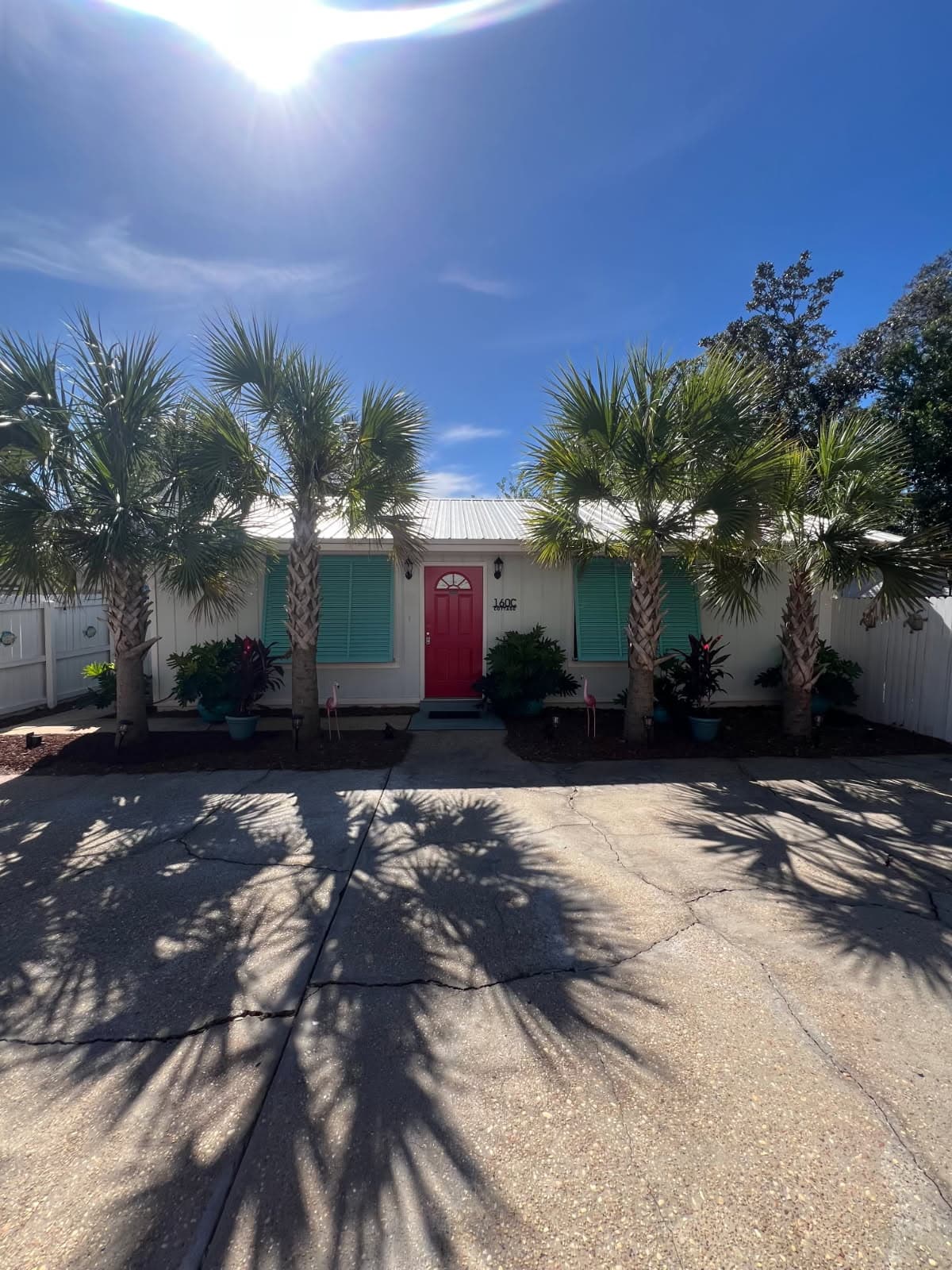
Private options near Eglin and Hurlburt include TDY Lodging Near Eglin AFB & Hurlburt Field – 2-Bed Home by the Beach - DTS Approved and TDY Hurlburt Eglin - Downtown FWB Condo 2bed/2bath/office.
Rank, role, and assignment type can also affect preference. A senior traveler may be less interested in roommate-style lodging. A contractor supporting a military mission may need a dedicated workspace and stable internet for remote reporting. A student on a demanding training schedule may want fewer distractions. Private furnished homes tend to command higher total rent, but they may also attract guests who value reliability, cleanliness, and comfort over the lowest possible rate.
Which Guest Profiles Fit Shared Furnished Homes Best
Shared furnished homes can work well for solo TDY travelers attending the same schoolhouse, course, or recurring training event. These guests often arrive without family, stay for a defined period, and focus heavily on commute time, price, and essential amenities. If the bedroom is private, the bed is comfortable, the Wi-Fi is strong, and the home is near the gate or training location, shared lodging may meet the need perfectly.
Another strong fit is the budget-conscious traveler who wants to stay within lodging limits while gaining access to a full kitchen and laundry. Instead of a compact hotel room, the guest may prefer a furnished house with a backyard, garage parking, and a real dining table, even if some areas are shared. Owners can make this option more attractive by providing labeled pantry space, separate refrigerator shelves, lockable bedroom doors where allowed, and clear cleaning expectations.
Shared homes are less ideal when the guest profile includes families, pets, unusual shift schedules, or travelers who need frequent confidential calls. They can also be challenging when guests from unrelated units have very different routines. Owners who want shared housing to perform well should screen for compatibility within legal and platform rules, explain the layout in detail, and avoid overcrowding. A home with four bedrooms is not automatically a good four-guest rental if parking, bathrooms, laundry capacity, or quiet space cannot support that many adults.

Which Guest Profiles Fit Private Furnished Homes Best
Private furnished homes are usually the better fit for TDY guests who want a normal residential routine. These travelers may cook regularly, work from a desk in the evening, keep early or late hours, or simply value quiet. For longer TDY assignments, a private home can feel less temporary than a hotel and less socially demanding than a shared rental. That sense of control can be a major selling point.
Families and pet owners are also more likely to search for private furnished homes. A fenced yard, multiple bedrooms, a washer and dryer, and a full kitchen can make a TDY or PCS-related temporary stay much easier. Even if the property is smaller, the ability to close the door and have the entire space matters. Owners should highlight practical details such as driveway parking, pet rules, crib or pack-and-play availability, blackout curtains, and nearby grocery access.
Private homes can also serve travelers who are relocating between duty stations, waiting for household goods, or managing a delayed move-in date. These guests may not fit the classic solo TDY profile, but they still need furnished, flexible housing near a military installation. TDY Hero gives owners a way to reach this broader military-connected audience without forcing the property into a generic vacation-rental category.
How to Price Shared and Private TDY Rentals Without Confusing Guests
Pricing should reflect the guest’s actual experience, not only the owner’s mortgage or desired income. A shared furnished home is usually priced by bedroom or bed, with utilities, Wi-Fi, laundry, and common-area access included. A private furnished home is usually priced for exclusive use of the entire property. Guests need to understand that distinction immediately. Ambiguous pricing leads to avoidable questions, mistrust, and booking friction.
For shared homes, owners should avoid simply dividing a whole-house rate by the number of bedrooms without considering bathroom access, parking limits, bedroom size, and privacy. A primary suite with a private bath may justify a higher rate than a smaller bedroom sharing a hall bath. If one room has a desk, blackout curtains, or better storage, that should be reflected in the description and pricing. Guests appreciate fairness when the differences are obvious.
For private homes, owners should compare the monthly rent against local extended-stay hotels, furnished apartments, and per-diem-friendly lodging options. The goal is not always to undercut every hotel. A private rental offers value through space, kitchen access, laundry, privacy, parking, and comfort. If the rate is near or below the applicable lodging ceiling, the listing may be especially competitive, but owners should be careful not to give reimbursement advice beyond encouraging guests to confirm their own orders, DTS authorization, and finance guidance.
When comparing value, it also helps to understand whether TDY guests lean toward modern homes or budget-friendly older homes in your market.
TDY Hero listings can help owners present pricing in a way that fits military travel expectations. Clear monthly, weekly, or minimum-stay terms reduce back-and-forth messages. For shared homes, specify whether the listed rate is per room. For private homes, specify that the guest receives the entire unit. This clarity helps qualified travelers make faster decisions.

Amenities That Make Shared Housing More Competitive
Shared housing needs more than beds and a kitchen. It needs systems. Each guest should have enough storage, a comfortable bed, a nightstand, good lighting, a desk or work surface, and enough outlets for devices. In the kitchen, labeled storage, adequate cookware, multiple coffee options, and a clean refrigerator setup help prevent conflict. Laundry should be reliable, easy to access, and supported by clear instructions.
Noise control is one of the most important shared-housing amenities. Owners can improve the experience with solid bedroom doors, door sweeps, rugs, quiet appliances, posted quiet hours, and a layout that separates bedrooms from common gathering areas when possible. Blackout curtains and quality mattresses also matter because TDY guests may be adjusting to early formations, night operations, or intense academic schedules.
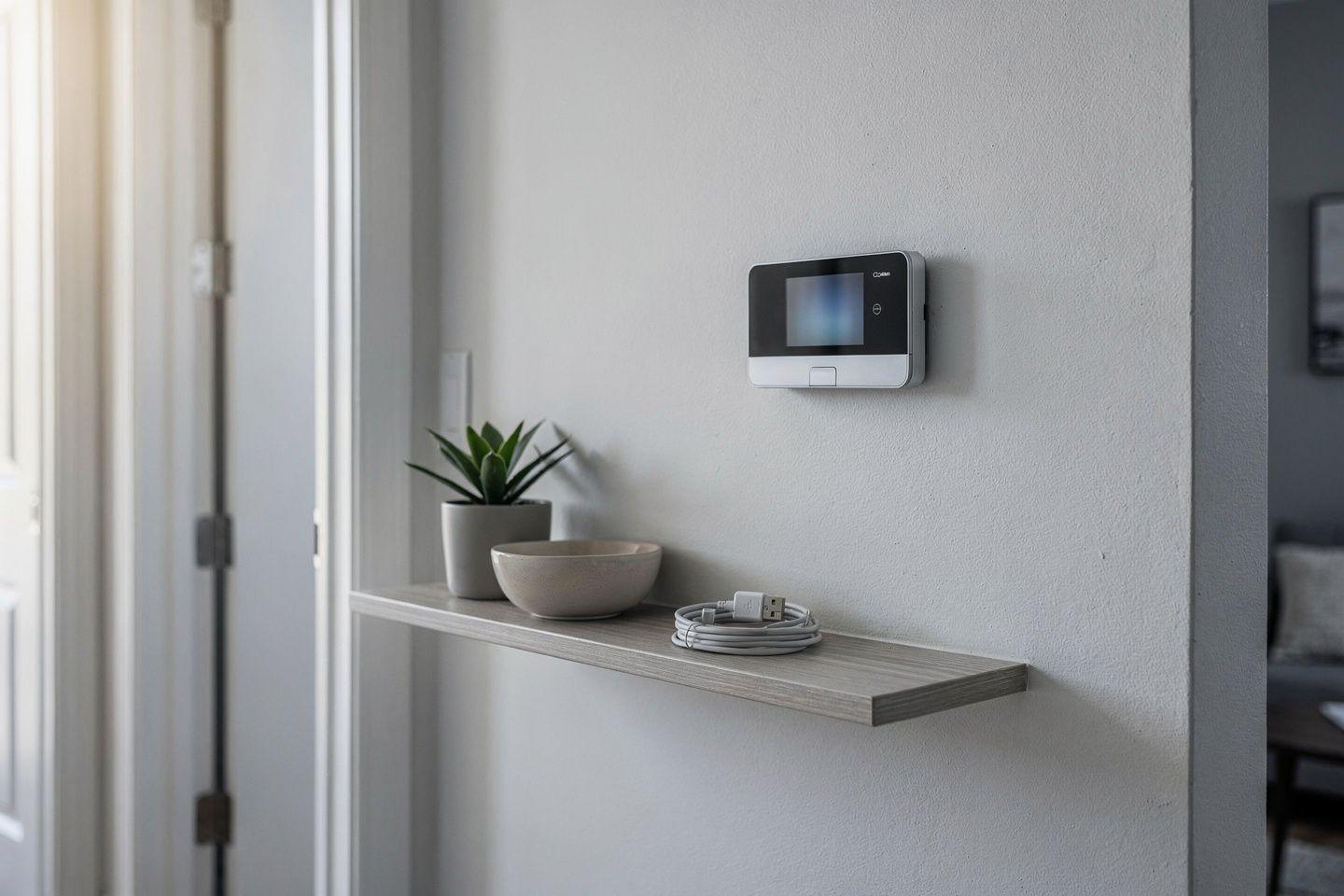
Parking and entry access should be equally organized. A shared rental with four guests but two parking spaces creates daily frustration. Keyless entry, assigned parking, exterior lighting, and clear trash-day instructions can make the home feel professionally managed. The more the owner removes small points of conflict, the more likely shared guests are to leave positive feedback and recommend the property to classmates.
Amenities That Help Private Furnished Homes Stand Out
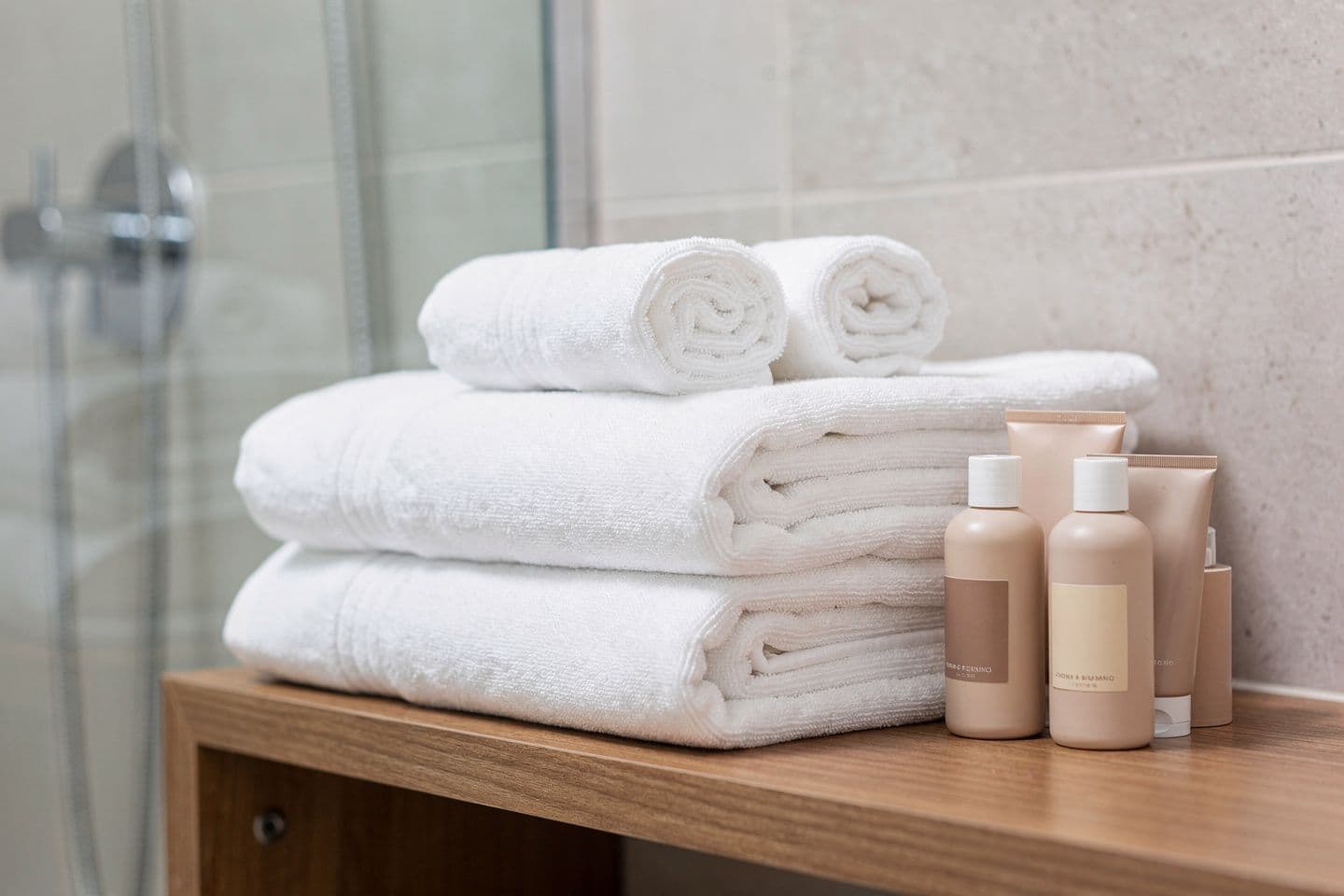
Private furnished homes compete on comfort, reliability, and completeness. Guests expect the home to function from the first night without a supply run for basics. A well-stocked kitchen, quality bedding, extra towels, cleaning supplies, fast Wi-Fi, a washer and dryer, and a dedicated workspace are strong baseline amenities. A comfortable sofa and television matter, but for TDY guests, sleep quality, internet reliability, and laundry access often matter more.
A private home should also support a long-stay rhythm. That means enough hangers, dresser space, pantry storage, a vacuum, a mop, a full-size ironing board or garment steamer, and practical lighting. Owners sometimes over-focus on decorative items and under-focus on daily-use details. A guest staying for 90 days will notice the mattress, desk chair, cookware, shower pressure, and HVAC performance much more than wall art.
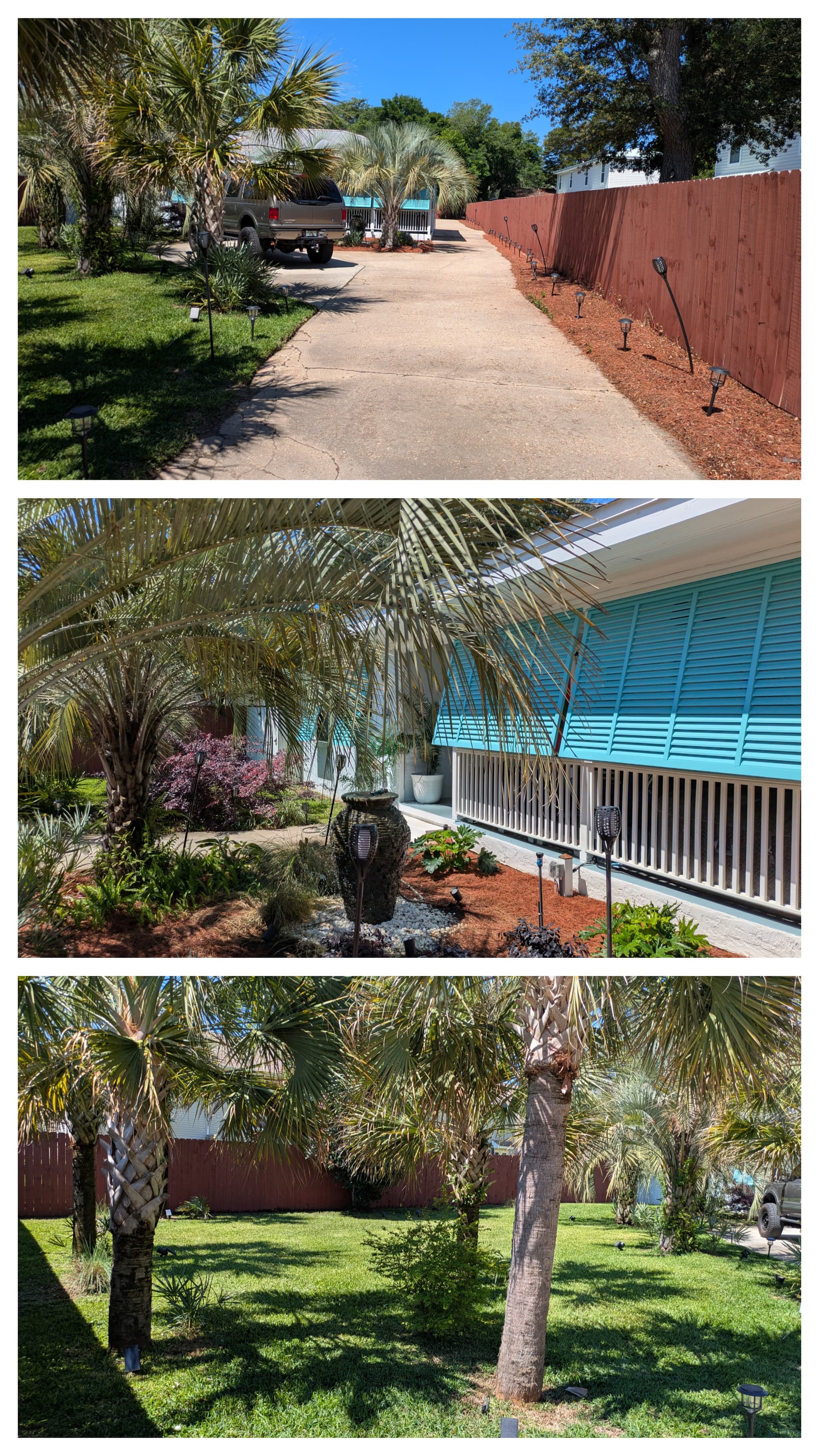
For family-friendly private homes, owners should highlight features that reduce stress: fenced yards, safe neighborhood streets, nearby grocery stores, ground-floor bedrooms, parking for two vehicles, and pet-friendly flooring. If the home is not suitable for children or pets, that should be clear too. The best private-home listings help guests quickly decide whether the property fits their real life, not just their travel dates.
Family-friendly private rentals in the area include Hurlburt/Eglin TDY home minutes to Navarre and Pensacola Beach. 3bd 2 bath. All new furniture! and Welcome to the Beautiful SunDown Home in Navarre! All new furniture!.
How to Write Listings So Guests Know Exactly What They Are Booking
The listing description should remove uncertainty. For shared furnished homes, state that the guest is booking a private bedroom in a shared home, then identify the shared spaces, number of other bedrooms, bathroom arrangement, parking setup, laundry access, and quiet-hour expectations. Avoid vague phrases such as “cozy crashpad” unless the listing explains what that means in practical terms. Military travelers are often comparing several options quickly, and clarity can win the booking.
For private furnished homes, state that the guest has exclusive use of the entire home, condo, apartment, or guest suite. Mention whether there are attached units, owner-occupied spaces nearby, shared yards, shared driveways, or separate entrances. A private guest suite can be a great option, but it should not be described in a way that implies a detached house if it is part of an occupied property.
Photos should reinforce the written description. Shared homes should show the private bedroom, bathroom setup, kitchen, laundry, parking area, and any desk or study space. Private homes should show the bedroom, workspace, kitchen, laundry, exterior, and entry. TDY Hero gives owners an opportunity to tailor listings to military travelers, so every photo and caption should answer a lodging decision: Where will the guest sleep, work, park, cook, wash clothes, and store gear?
Owners should also be direct about policies. Minimum stays, deposits, utilities, cleaning responsibilities, pet rules, guest limits, and extension options should be easy to find. TDY schedules can change, but a clear starting agreement reduces confusion when orders are extended, delayed, or shortened.

Common Owner Mistakes When Choosing Shared or Private Setups
One common mistake is converting a property to shared housing only because the bedroom math looks profitable. Four rented rooms may appear to outperform one whole-home rental, but the owner must account for higher management intensity, more cleaning coordination, more wear on common areas, more utility use, and greater potential for personality conflicts. Shared housing can be profitable, but it is not passive if the rules and systems are weak.
Another mistake is pricing a private home too high without explaining the value. TDY guests may pay more for privacy, but they still compare options through a practical lens. If a home costs significantly more than alternatives, the listing needs to justify the premium with location, commute convenience, furnishings, workspace quality, pet accommodations, garage parking, or family-friendly features. A high rate with thin details can cause guests to move on.
Owners also risk poor reviews when the property type is unclear. A guest expecting an entire home may be upset to find shared spaces. A guest expecting a quiet student-focused house may be frustrated by rotating occupants with different schedules. Transparency is not just ethical; it protects revenue. The right guest for the right setup is more valuable than a fast booking that creates conflict later.
TDY Hero can support this alignment by helping owners reach military guests who are searching specifically for furnished lodging. Still, the owner’s responsibility is to present the property accurately, respond promptly, and maintain the standards promised in the listing.
That fit is one reason many hosts appreciate military guests over vacation renters when the home is set up for longer, more predictable stays.
Final Thoughts: The Best Choice Depends on the Guest You Want to Serve
TDY guests do not all prefer the same housing model. Some want the affordability and convenience of shared furnished homes, especially when attending short-term training alone. Others strongly prefer private furnished homes because they need quiet, space, family accommodations, pet flexibility, or a more stable long-stay routine. Owners who understand these differences can make better decisions than owners who simply copy what nearby rentals are doing.
If the property has multiple comparable bedrooms, ample parking, enough bathrooms, durable common areas, and a base market with many solo students, shared housing may be a strong fit. If the property is a townhome, condo, guest house, or single-family home suited for privacy, family stays, remote work, or pets, a private furnished rental may attract higher-intent guests and simpler management.
The best strategy is to match the layout, pricing, amenities, and listing language to a specific TDY guest profile. TDY Hero helps owners present furnished rentals to military travelers looking for practical, mission-friendly lodging. Whether you offer a shared room or an entire private home, success comes from clarity, consistency, and delivering the comfortable stay the guest expected when booking.