

The Short Answer: Furnished Rentals Can Work for Federal Civilian TDY
Federal civilian employees can often use furnished rentals for 30+ day TDY when the lodging arrangement is authorized, properly documented, and within applicable reimbursement limits. The key is not whether the property is a hotel or a private furnished rental. The key is whether the lodging cost is allowable under the travel authorization, supported by an itemized receipt or lease-like agreement, and compliant with the rules that apply to your agency and duty location.
For longer temporary duty assignments, a furnished rental can make practical sense. A 30-, 60-, 90-, or 120-day TDY can be difficult in a standard hotel room, especially if you need a real kitchen, in-unit laundry, a workspace, parking, or room for a spouse, children, or pets traveling at personal expense. A furnished home, apartment, condo, or townhome may provide better day-to-day functionality than a nightly hotel stay while still fitting within the lodging portion of per diem.
However, federal civilian TDY is not an anything-goes lodging situation. You should not assume that every short-term rental, vacation rental, crashpad, or private rental will be accepted by your approving official or reimbursed without question. Before booking, you should confirm what your travel authorization allows, whether your agency has internal lodging rules, and what documentation will be required when you file your voucher.
TDY Hero helps military and government-connected travelers compare off-base furnished rentals designed for longer temporary assignments. For federal civilian employees, the platform can be useful when you need lodging that feels residential, supports a 30+ day stay, and gives you the information needed to ask the right reimbursement questions before committing.
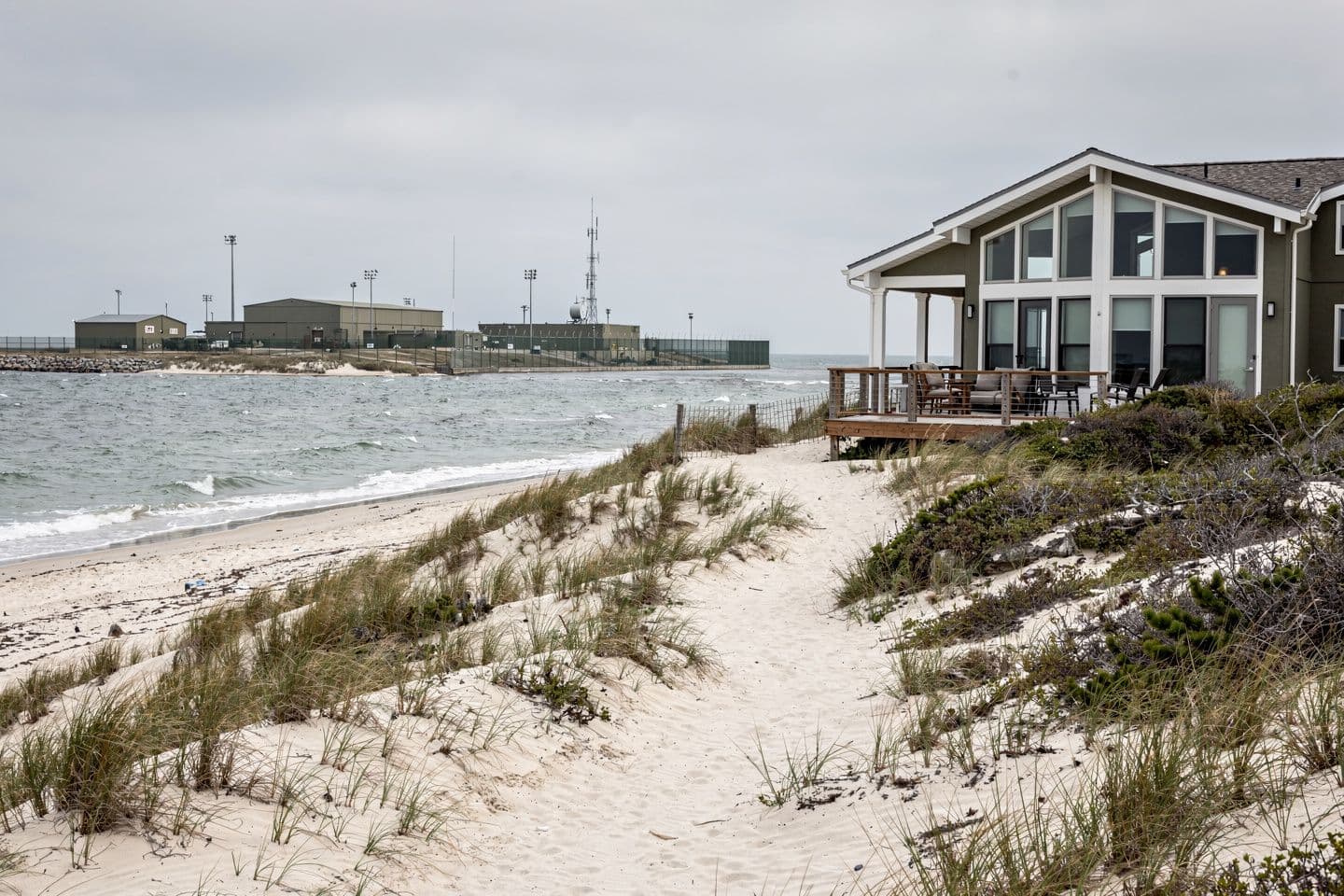
For example, furnished options near Eglin and Hurlburt include TDY Lodging Near Eglin AFB & Hurlburt Field – 2-Bed Home by the Beach - DTS Approved for travelers who need a residential setup during a longer assignment.

How Federal Civilian TDY Lodging Rules Differ From Active-Duty Travel
Federal civilian employees and uniformed service members often travel to the same installations, training centers, depots, laboratories, shipyards, or federal worksites, but the rules governing reimbursement may come from different authorities. Active-duty military travelers generally operate under the Joint Travel Regulations, commonly called the JTR. Many federal civilian travelers are governed by the Federal Travel Regulation, known as the FTR, along with agency-specific supplements, collective bargaining provisions, or internal travel policies.
This distinction matters because a lodging option that is common for one traveler group may require extra review for another. A military member on TDY may be familiar with off-base lodging, government lodging availability, Certificates of Non-Availability, DTS routing, and JTR terminology. A civilian employee may instead use an agency travel system, agency travel card procedures, FTR-based reimbursement rules, and approving official guidance that focuses on cost reasonableness, proper receipts, and duty-station proximity.
In practice, both systems care about similar fundamentals: the lodging must support official travel, the rate must not exceed authorized limits unless an exception applies, and the traveler must provide documentation. But federal civilian employees should avoid relying on advice meant only for active-duty travelers. Your reimbursement outcome depends on your agency’s rules, not on what another traveler received under a different authority.
When browsing options on TDY Hero, you should treat furnished rentals as lodging candidates to evaluate through your agency’s travel process. The listing may solve your housing problem, but your approving official and travel policy determine whether the cost can be reimbursed and how it must appear on your authorization and voucher.
Why 30+ Day TDY Changes the Lodging Decision
A short TDY of three to five nights is usually straightforward. A hotel near the worksite, a government rate, and a standard receipt may be enough. Once a TDY reaches 30 days or longer, the housing decision becomes more complicated. You may need to cook meals, wash uniforms or work clothes, take video calls, store equipment, receive mail, manage a rental car, or maintain a normal sleep schedule during demanding workdays.
Longer stays also change the financial picture. A nightly hotel rate that looks reasonable for one week may become expensive and uncomfortable over two or three months. Furnished rentals may offer monthly pricing, bundled utilities, full kitchens, private bedrooms, and more predictable living conditions. For federal civilian employees, the best rental is not necessarily the cheapest or largest option; it is the option that is practical, documented, and defensible under the travel authorization.
You should also think about reduced per diem rules. Federal travel policy may apply reduced per diem or long-term lodging considerations when an assignment extends beyond a certain duration. Agencies may expect travelers to seek economical lodging for extended stays rather than simply book a standard nightly hotel for months. A furnished rental can support that expectation if the cost is reasonable and the property provides the essentials needed for a long assignment.
The lodging decision should be made before you arrive, not after problems start. If you book a hotel and later discover that laundry is expensive, meals are difficult, the commute is unsustainable, or the room is too small for remote work, changing lodging mid-assignment can create administrative friction. A 30+ day furnished rental gives you the chance to set up a stable routine from day one.
If you are weighing payment rules before you book, this guide on whether you can use your government travel card for Airbnb or rentals is a helpful companion read.

What Must Be Authorized Before Booking a Furnished Rental
Before booking a furnished rental for federal civilian TDY, you should verify that commercial lodging or non-traditional lodging is permitted for your trip. The travel authorization should identify the temporary duty location, dates, lodging allowance, and any special conditions. If your agency requires use of a specific booking channel, government lodging, FedRooms, or an approved travel management company, you should clarify whether a furnished rental outside that channel is allowed before you pay a deposit.
The approving official is central to this process. Even if a rental appears to be within the lodging per diem, an approving official may need to approve the arrangement because it differs from a standard hotel. You should provide the nightly or monthly cost, taxes, fees, parking charges, cleaning fees, deposit terms, cancellation policy, location, and the reason the rental is appropriate for the assignment. For a 30+ day TDY, strong reasons may include kitchen access, laundry, lower total cost, proximity to the worksite, or availability during a sold-out period.
You should also ask how the cost should be entered in the travel system. A monthly furnished rental may need to be converted into a daily lodging cost for reimbursement comparison. Cleaning fees or platform fees may need to be allocated across the stay. Refundable security deposits are usually handled differently from lodging expenses because they are not a consumed lodging cost unless retained for an allowable reason. Your agency can tell you how to categorize these charges.
TDY Hero listings can help you gather the information needed for this authorization conversation. A property description, rate details, amenity list, location context, and communication with the host can make it easier to explain why a furnished rental is suitable for your 30+ day assignment.
In the Hurlburt and Eglin area, listings such as Hurlburt/Eglin TDY home minutes to Navarre and Pensacola Beach. 3bd 2 bath. All new furniture! can give you concrete details to discuss with your approving official.
Receipts, Lease Terms, and Documentation You Should Keep
Documentation is often the difference between a smooth voucher and a reimbursement delay. For federal civilian furnished rentals 30 day TDY travelers, the ideal paper trail includes an itemized lodging receipt or rental invoice showing the traveler’s name, property address or lodging location, stay dates, daily or monthly rate, taxes, mandatory fees, payment method, and proof of payment. If a lease or rental agreement is used, keep a signed copy with the same basic details.
You should avoid vague receipts that show only a lump-sum charge without dates or lodging details. Travel reviewers need to see what was purchased, when the lodging was used, and how the total was calculated. If the rental charges a monthly rate, ask for documentation that breaks out the covered dates and any separate fees. If the platform collects taxes, service fees, or cleaning fees, the receipt should show those amounts clearly.
For extended TDY, it is smart to keep documentation throughout the stay rather than trying to reconstruct everything at checkout. Save the booking confirmation, payment receipts, messages about rate changes, approval emails, cancellation terms, and any invoice adjustments. If your orders are extended or shortened, keep the written record showing how the rental cost changed. This matters if you need to explain partial-month charges, early checkout penalties, or additional nights.
TDY Hero can support better documentation by connecting you with hosts who understand longer temporary assignments and the importance of clear lodging details. Still, you remain responsible for meeting your agency’s voucher requirements. Before move-in, confirm what receipt format the host or platform can provide and whether it will satisfy your travel office.
During a longer stay, keeping a simple mid-stay inspection checklist can also help document property condition and avoid confusion at checkout.
Per Diem, Monthly Rent, Taxes, and Fees: How the Math Usually Works
Federal civilian travelers should look at furnished rental pricing through the lens of allowable lodging reimbursement. Per diem normally includes a lodging portion and a meals and incidental expenses portion. A furnished rental affects the lodging side, not the meals side, unless your agency applies special rules. The rental’s total lodging cost must be compared to the authorized lodging amount for the temporary duty location, subject to agency policy and any approved exceptions.
Monthly rent can be confusing because travel systems often think in daily rates. A common approach is to divide the reimbursable lodging cost by the number of lodging nights to determine an average daily rate. For example, if a furnished rental costs a flat monthly amount plus required cleaning and service fees, those required lodging-related charges may need to be allocated across the covered nights. Taxes may also be reimbursable when properly charged and documented, but treatment can vary based on local law and agency rules.
Not every charge is automatically reimbursable. Refundable deposits, pet fees for a personally chosen pet, upgraded amenities, optional housekeeping, extra guest charges for family members, and parking unrelated to official need may receive different treatment. If a fee is mandatory to occupy the lodging, it may be easier to justify than a fee tied to personal preference. When in doubt, ask before booking rather than assuming the voucher examiner will approve it later.
The strongest financial case for a furnished rental is usually total-trip value. A rental with a kitchen, laundry, parking, workspace, and utilities included may reduce friction and out-of-pocket costs even when the nightly comparison is close. TDY Hero allows travelers to evaluate furnished rentals with these practical considerations in mind instead of comparing only the headline nightly rate.

Using a Government Travel Card for Furnished Rentals
Many federal civilian employees are required or expected to use a government travel card for official travel expenses. Whether you can use the card for a furnished rental depends on your agency’s card policies, merchant acceptance, and the way the rental is booked. Some furnished rental hosts or platforms accept major cards, while others may request ACH, check, or another payment method. You should not use an alternate payment method for convenience if your agency requires travel card use without an approved exception.
Before paying, confirm whether the charge will process as lodging and whether the receipt will show the necessary details. A government travel card statement alone is usually not enough because it proves payment but does not explain the lodging dates, rate, taxes, and fees. You need both proof of payment and an itemized lodging document. If a host can only provide a generic payment request, ask for a proper invoice before you commit.
Long-term rentals can also create timing issues. A host may require payment up front for the first month, a security deposit, or recurring monthly payments. Your reimbursement may not occur until you submit a voucher, and some agencies require interim vouchers for longer TDY. You should understand how your agency handles interim reimbursement so you are not carrying a large balance for weeks. This is especially important for 60-, 90-, or 120-day assignments.
If the rental requires a refundable deposit, ask your travel office how it should be handled on the card. A deposit that is returned may not be claimed as lodging, but it can still affect your available card balance. For a long TDY, preserving card capacity is part of good travel planning.
How to Choose a Furnished Rental That Supports the Mission
For a 30+ day federal civilian TDY, the right rental should make the assignment easier, not just look attractive online. Start with commute reliability. A property that appears close on a map may involve traffic bottlenecks, limited gate access, toll roads, parking constraints, or weather-related delays. A slightly farther rental with a predictable drive can be better than a closer unit with daily congestion or difficult access.
Next, evaluate the living setup. A useful furnished rental should include a comfortable bed, functional kitchen, reliable internet, washer and dryer access, climate control, adequate lighting, and a real workspace. If you will work irregular hours, ask about noise, blackout curtains, parking location, and whether the property is shared. If you are bringing family at personal expense, confirm bedroom layout, safety features, and whether the host allows additional occupants.
Pet policies also deserve careful attention. A federal civilian employee may be allowed to bring a pet on personal terms, but pet rent, pet deposits, cleaning charges, and any damage are usually personal expenses unless a specific exception applies. If you need a pet-friendly furnished rental, confirm breed, size, yard, flooring, local leash rules, and nearby green space before booking. A vague “pets considered” note is not enough for a multi-month stay.
TDY Hero is designed around the practical needs of temporary duty lodging, including furnished homes and apartments that can support longer stays near military and federal work locations. When comparing listings, you should look beyond décor and focus on whether the property will help you maintain punctuality, rest, productivity, and compliance for the full length of the assignment.
Travelers who need a separate work area may want to compare options like TDY Hurlburt Eglin - Downtown FWB Condo 2bed/2bath/office when workspace is part of the daily routine.

Common Mistakes Federal Civilian Travelers Should Avoid
The most common mistake is booking first and asking policy questions later. A furnished rental may be excellent from a housing perspective but still create reimbursement problems if it was not authorized, exceeds lodging limits, lacks itemized receipts, or violates agency booking rules. Before paying, you should know who approved the lodging, what amount is reimbursable, and what documentation will be required.
Another mistake is comparing only the monthly rent to the per diem rate while ignoring taxes, platform fees, cleaning fees, parking, utilities, and deposits. A rental that appears under the lodging cap can exceed it once mandatory fees are added. Conversely, a rental that looks expensive at first may be reasonable when the total cost is spread across a full month and includes utilities, laundry, and parking. The correct comparison is total reimbursable lodging cost over the authorized nights.
Travelers also run into trouble when family or personal needs are mixed into official lodging costs. A larger home may be personally preferable, but your agency may reimburse only what is necessary and reasonable for you as the traveler. If family members join you, be prepared to separate personal costs from official lodging costs if the property charges more for additional occupants, pets, or amenities.
Finally, do not assume cancellation flexibility. Federal assignments change, funding shifts, classes are canceled, and report dates move. A hotel may allow easier date changes than a private rental, while some furnished rentals offer flexible terms for TDY guests. Review the cancellation and early checkout policy closely, and keep written confirmation of any host agreement about extensions or shortened orders.
Final Thoughts
Federal civilian employees can use furnished rentals for 30+ day TDY in many situations, but the rental must fit within the rules that govern the trip. The safest approach is to confirm authorization before booking, compare the full lodging cost against the applicable allowance, use the required payment method, and keep itemized documentation from the first payment through final checkout.
A furnished rental can be a strong option when a long assignment demands more than a hotel room. A kitchen, laundry, workspace, parking, and residential routine can make a 30-, 60-, or 90-day TDY more sustainable. The key is to choose housing that supports the official mission while remaining easy to justify on the voucher.
TDY Hero can help you find furnished rentals built around the realities of longer temporary duty stays, including properties near installations and federal work locations. With the right approval and documentation, a well-chosen furnished rental can give you the comfort of home without creating unnecessary reimbursement risk.