

Start With the TDY Guest’s Real Lodging Budget
Pricing a furnished rental for military TDY guests starts with a different mindset than pricing a vacation rental. A TDY guest is usually traveling under official orders, working a predictable schedule, and comparing lodging options against a government lodging allowance rather than a vacation budget. That means the nightly or monthly number must make sense inside the traveler’s authorization, receipt requirements, and practical living needs for a temporary duty assignment.
For most owners, the first pricing mistake is looking only at nearby Airbnbs, hotels, or long-term unfurnished leases. Those numbers may be useful references, but they do not fully reflect TDY demand. Vacation rentals may spike on weekends and holidays, while TDY stays often run 30, 60, 90, or 120 days. Traditional leases may look cheaper per month, but they usually do not include furniture, utilities, housewares, flexible terms, or the ability to match a training schedule.
A military traveler is often trying to stay within the lodging portion of per diem, avoid confusing reimbursement issues, and secure a clean, quiet, furnished place close enough to the duty location. If your rental solves those problems, it can command more than an unfurnished lease while still offering better value than a hotel. TDY Hero helps property owners present that value clearly to military guests who are already searching for furnished TDY housing.

Understand Per Diem Before Setting a Rate
The lodging portion of per diem is one of the most important reference points when you price furnished rental for military TDY guests. Per diem varies by location and can change by fiscal year or season. A traveler’s reimbursable lodging amount is generally tied to the authorized locality, but the exact payment and approval process depends on the traveler’s orders, agency rules, DTS authorization, and whether any special circumstances apply. Property owners do not need to become travel clerks, but they should understand that military guests are price-sensitive in a very specific way.
A rental does not automatically become reimbursable simply because it is priced at or below per diem. The guest typically needs a proper lodging receipt, clear dates, the amount paid, taxes or fees, and the lodging provider’s information. If the monthly rent is converted into a daily lodging cost, that math should be easy to explain. Owners who make the final receipt clean and itemized are often easier for TDY guests to work with than owners who use vague charges, unclear deposits, or bundled fees that do not match the stay dates.
If you are still organizing what guests see at arrival, a clear TDY rental welcome binder can also reinforce the same clean documentation mindset.
Per diem should be treated as a ceiling for market awareness, not always as a number to copy exactly. If the local lodging rate is high and TDY demand is strong, pricing near the allowable lodging amount may be reasonable. If the market has ample supply, a slightly lower daily equivalent can make the property more competitive. The strongest strategy is to compare per diem with hotel rates, competing furnished rentals, and the value of what your property includes.
Convert Nightly, Weekly, and Monthly Pricing the Right Way
TDY guests often think in daily lodging limits, while property owners often think in monthly rent. The best pricing strategy bridges both perspectives. A monthly rate should convert into a reasonable daily equivalent so the traveler can understand how it fits a lodging authorization. For example, a $3,000 monthly rate over a 30-day stay equals $100 per day before any separate taxes or fees. If the locality lodging amount is much higher, the rental may look like strong value. If the locality rate is lower, the guest may need a different arrangement or additional approval.
Owners should avoid simply multiplying the nightly vacation rate by 30. A home that rents for $180 per night on weekends may not support $5,400 per month for a TDY stay unless the local per diem, demand, and property quality justify it. Longer stays usually deserve a lower daily equivalent because turnover, cleaning, guest acquisition, and vacancy risk are reduced. A 60- or 90-day guest can be more profitable than several short bookings, even at a lower average daily rate.
A practical structure is to create tiers for 30-day, 60-day, and 90-day stays. The 30-day rate can be the highest monthly tier because the owner still faces near-term vacancy risk. The 60-day rate can offer a modest discount, while the 90-day rate can reward stability. TDY Hero listings can help owners communicate this type of stay-length pricing in a way that military travelers understand before they inquire.
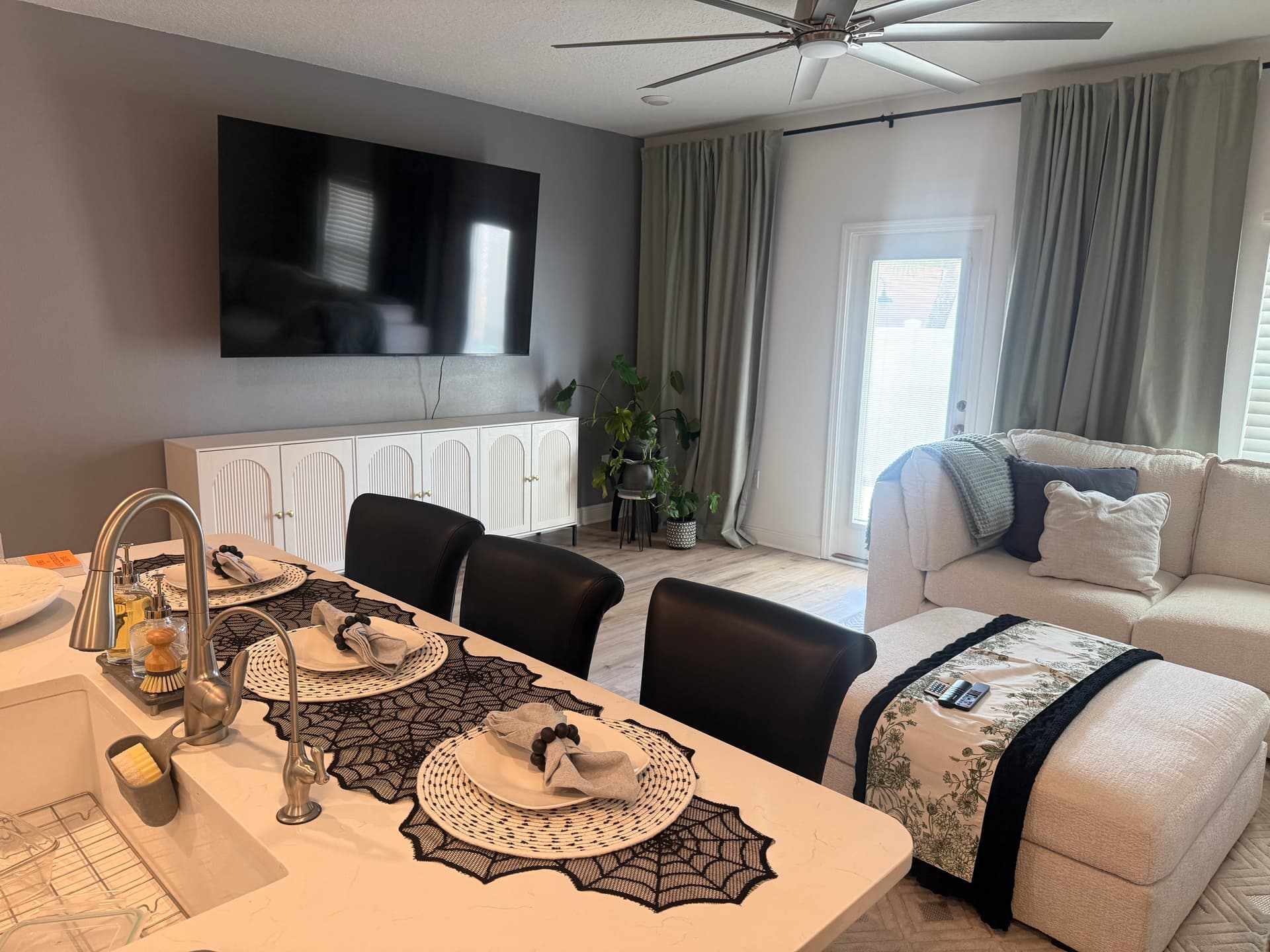
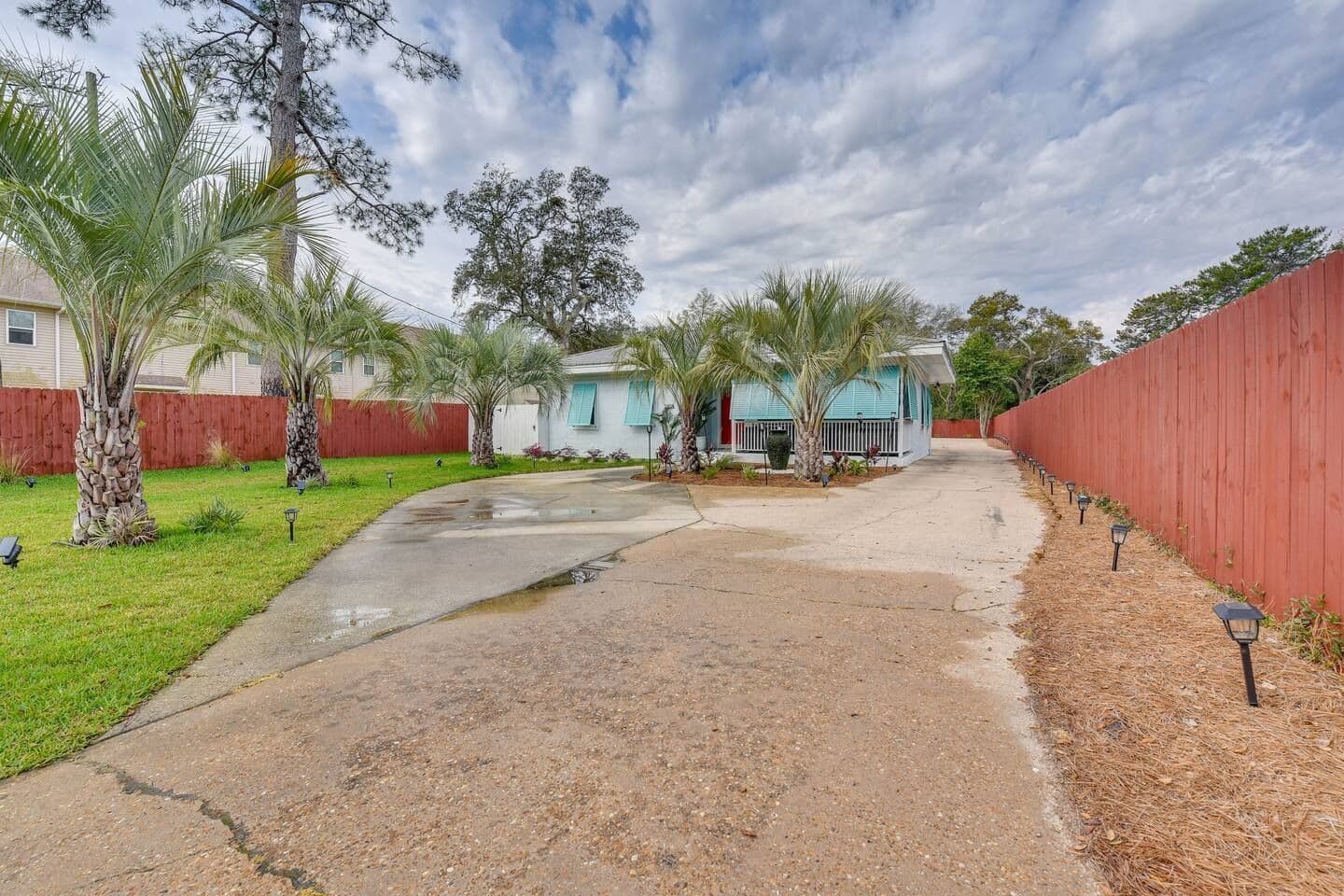
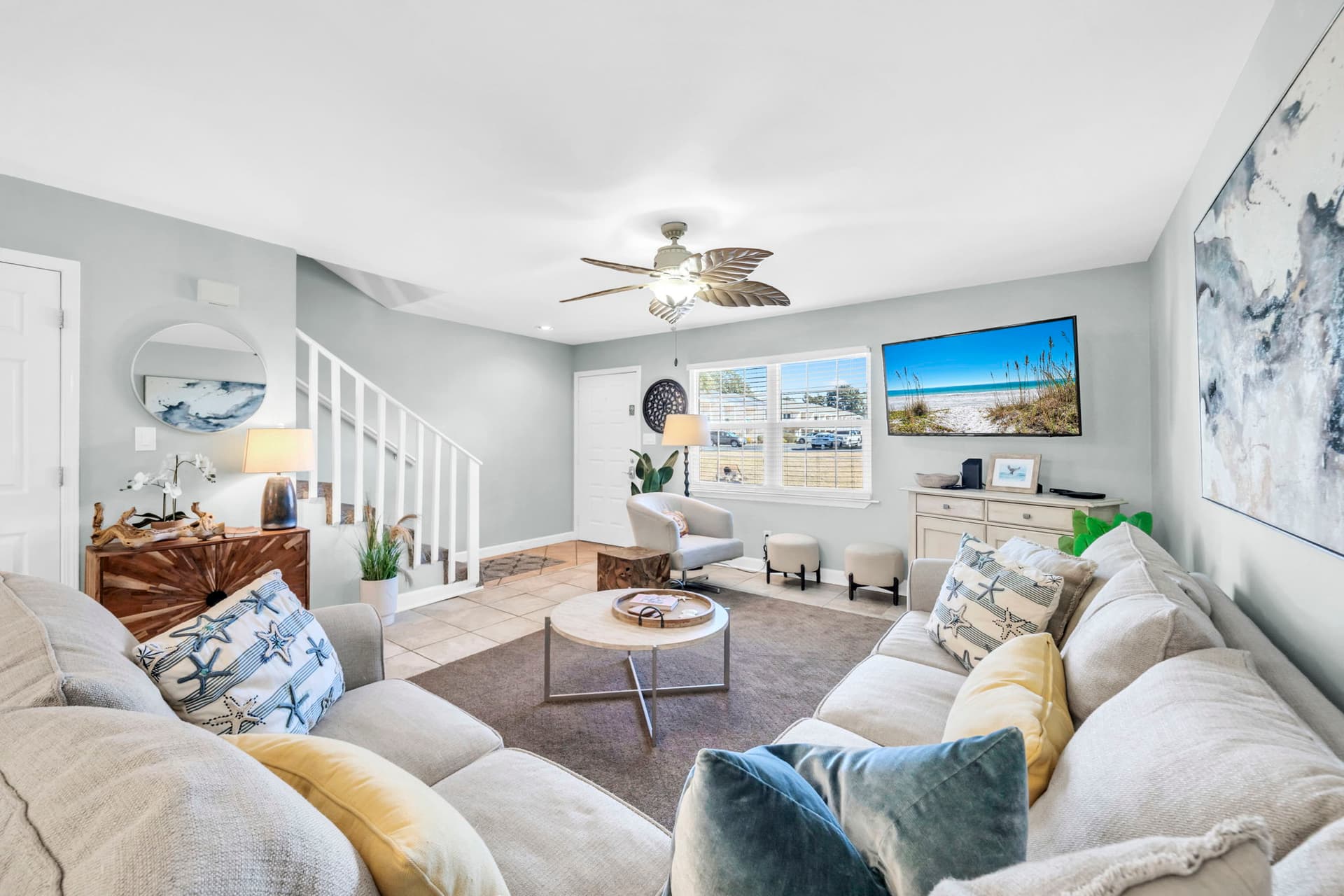
For a quick market check, furnished options near Eglin and Hurlburt include TDY Lodging Near Eglin AFB & Hurlburt Field – 2-Bed Home by the Beach and TDY Hurlburt Eglin - Downtown FWB Condo 2bed/2bath/office.

Decide What Is Included in the Rent
A furnished TDY rental is not just a place to sleep. It is a temporary home base for a traveler who may be working long days, studying, training, or preparing for check rides, inspections, or mission requirements. Because of that, included utilities and amenities carry real pricing value. Electricity, water, trash, gas, internet, lawn care, parking, and laundry access should be considered part of the pricing model from the beginning, not afterthoughts added once a guest asks.
All-inclusive pricing is usually easier for TDY guests to evaluate. A single monthly lodging amount that includes utilities, Wi-Fi, furniture, kitchenware, linens, and basic household items can reduce friction. However, owners should protect themselves from excessive utility use, especially in markets with extreme heat, cold, or high electricity costs. A reasonable utility cap can work well if it is disclosed clearly before booking and written into the rental agreement.
The key is transparency. If rent includes high-speed internet, in-unit laundry, a garage, driveway parking, pest control, and lawn care, the listing should say so. If electricity is capped at a specific amount, the listing should explain how overages are handled. A TDY guest is not usually looking for surprise charges; the guest is looking for a predictable lodging cost that can be documented. TDY Hero gives owners a place to highlight the included features that matter most to military renters.
Price for Comfort, Privacy, and Bedroom Layout
Bedroom count and sleeping configuration can change the economics of a TDY rental dramatically. A one-bedroom apartment may work well for a solo traveler who wants privacy. A two- or three-bedroom home may appeal to a traveler bringing a spouse, children, pets, or another authorized roommate arrangement. A larger home may also attract groups, but owners should be cautious about assuming that more beds always equal higher-quality TDY demand. Privacy, cleanliness, parking, and quiet living often matter more than maximum occupancy.
A private furnished home or apartment should not be priced the same as a shared crashpad. Shared housing may be cheaper because the guest gives up private living space, kitchen access may be shared, and schedules can conflict. A whole-home rental offers more control over rest, meals, family routines, laundry, and personal belongings. That difference deserves to be reflected in the rate, especially for longer assignments where comfort affects the guest’s day-to-day quality of life.
Owners should also price based on functional layout rather than square footage alone. A two-bedroom home with two usable workspaces, blackout curtains, reliable climate control, and garage parking may outperform a larger but poorly furnished property. If the rental can comfortably support remote work, studying, meal prep, and early mornings, it is more valuable to TDY guests than a stylish home that lacks practical features. Pricing should reflect those practical advantages.
In Navarre-area comparisons, listings like Hurlburt/Eglin TDY home minutes to Navarre and Pensacola Beach show how bedroom count, furniture quality, and location can work together in pricing.
Account for Seasonality and Local Base Demand
TDY housing demand is not identical in every market or every month. Some bases see steady training cycles, while others experience bursts of demand tied to schoolhouse schedules, exercises, PCS overlap, contractor projects, or seasonal weather patterns. A property near a major training base may see strong weekday and multi-month demand, while a coastal or high-tourism market may also face competition from vacation travelers during peak seasons. Your rate should respond to both military demand and the broader furnished-housing market.
Seasonality can also affect owner costs. In hot climates, summer electricity use may rise sharply. In cold climates, heating and snow removal may need to be built into pricing. In hurricane-prone or storm-prone areas, owners may need to consider insurance costs, maintenance reserves, and backup plans for disruptions. A TDY guest may be comparing the property to hotels, but the owner is also carrying real operating expenses that vary throughout the year.
A good pricing calendar should identify high-demand months, shoulder months, and slower periods. During high-demand training windows, owners may be able to hold rates closer to the lodging allowance. During slower periods, a moderate monthly discount may protect occupancy and preserve cash flow. TDY Hero can help owners reach a focused audience of military travelers instead of relying only on general platforms where demand signals may be mixed with vacation traffic.

Build in Turnover, Vacancy, and Maintenance Costs
A profitable TDY rate must cover more than the mortgage or rent payment. Owners need to account for cleaning, laundry, restocking, wear and tear, maintenance, internet, utilities, insurance, platform costs, payment processing, property management, and vacancy between stays. Because TDY bookings often last longer than vacation stays, the cleaning burden may be lower on a per-night basis, but the property still needs periodic deep cleaning and reliable maintenance between rotations.
Vacancy is one of the most important hidden costs. A property that sits empty for two weeks between guests may lose the benefit of a slightly higher monthly rate. In many TDY markets, a stable 60- or 90-day booking at a fair price can outperform a premium rate that creates gaps. Owners should calculate expected annual occupancy, not just the ideal monthly income when the property is full.
Maintenance reserves are especially important for furnished rentals. Mattresses, sofas, cookware, linens, smart locks, routers, appliances, and HVAC systems all affect guest satisfaction. A rate that looks profitable but leaves no room for replacements can weaken the property over time. Pricing should include a realistic reserve so the rental stays TDY-ready, earns positive reviews, and remains competitive for repeat military demand.
The same logic applies to guest expectations, so setting fair house rules for TDY furnished rentals helps protect the property without making the stay feel difficult.
Use a Simple Pricing Formula for TDY Rentals
A useful TDY pricing formula begins with the owner’s baseline monthly cost. Add the mortgage or rent, taxes, insurance, HOA dues, utilities, internet, lawn care, pest control, cleaning allocation, supplies, maintenance reserve, management cost, and expected vacancy. That total creates the minimum monthly revenue needed to avoid underpricing. From there, compare the result against local per diem, nearby hotels, competing furnished rentals, and the property’s advantages.
For example, assume the total monthly cost to operate a furnished rental is $2,400. If the owner wants a $900 monthly profit target, the property needs $3,300 in revenue for a full month. Divided by 30 days, that equals $110 per day. If local extended-stay hotels are effectively $145 per night after taxes and fees, and the lodging per diem is higher than the rental’s daily equivalent, the property may be priced attractively. If comparable furnished rentals are closer to $2,900, the owner may need to justify the premium through location, privacy, utilities, garage parking, pet acceptance, or superior amenities.
Owners should also create a minimum acceptable rate for longer stays. A 90-day booking may justify a lower monthly price because it reduces turnover and vacancy risk. If the full 30-day target is $3,300, a 90-day rate of $3,100 per month may still produce better annual results than chasing $3,500 with frequent gaps. The best rate is not always the highest possible rate; it is the rate that balances profit, occupancy, guest fit, and reimbursement practicality.

Avoid Pricing Mistakes That Push TDY Guests Away
The most common pricing mistake is hiding fees until late in the conversation. A TDY guest may be able to pay a cleaning fee, pet fee, or deposit, but those charges need to be clearly separated from lodging and explained before commitment. Surprise fees create reimbursement confusion and reduce trust. If a charge is refundable, the agreement should say so. If it is not refundable, the guest should understand why it exists and how it appears on the receipt.
Another mistake is copying vacation-rental pricing rules that do not fit TDY travel. Weekend premiums, short booking windows, aggressive dynamic pricing, and strict cancellation terms may work for leisure guests, but TDY travelers often deal with changing orders, report-date shifts, and extensions. Owners do not need to accept unlimited uncertainty, but flexible monthly terms can make a listing more appealing to military travelers than a rigid vacation-style calendar.
Owners should also avoid pricing too low in an effort to fill the calendar quickly. Underpricing can attract poor-fit guests, leave no margin for utility spikes, and make it difficult to maintain the property. Military guests are often looking for fair value, not the absolute cheapest option. A clean, well-equipped rental with clear terms, professional communication, and proper receipts can justify a healthy rate when it solves real TDY lodging problems.
Final Thoughts
Pricing a furnished rental for military TDY guests requires a balance of policy awareness, market research, and practical hospitality. You need to understand the lodging allowance, but you also need to know your true operating costs, the value of included utilities, the appeal of privacy, and the importance of flexible stay lengths. A strong TDY rate should feel reasonable to the traveler, defensible for reimbursement documentation, and profitable enough for the owner to maintain a high-quality property.
The best approach is to build a clear pricing model instead of guessing. Start with costs, compare against per diem and local alternatives, adjust for seasonality and stay length, and make every included feature easy to understand. When the rate, receipt, and rental terms are straightforward, military guests can make faster decisions and owners can reduce back-and-forth questions.
Once the pricing model is clear, owners can focus on where to list a furnished rental for military tenants so the right travelers actually see it.
TDY Hero helps connect property owners with military travelers who are specifically looking for furnished lodging near duty locations. By presenting pricing clearly, highlighting TDY-friendly amenities, and offering terms that match real assignment lengths, your property can stand out in a focused market and earn stronger, more predictable furnished-rental income.