Yes, Out-of-State Owners Can Rent to Military Members
If you are asking, “Can I rent my home to military members if I’m out of state?” the practical answer is yes. Many furnished rental owners live in another state, manage the home remotely, and still serve TDY, PCS, training, and government travel guests successfully. The key is treating the property like a structured lodging operation rather than a casual spare home. Military travelers usually need predictable housing, clear documentation, reliable communication, and move-in-ready comfort. Those needs can be met even when the owner is hundreds or thousands of miles away.
Out-of-state ownership can actually pair well with military housing demand because many stays are planned around orders, training schedules, schoolhouse dates, or PCS timelines. Guests often care less about meeting the owner in person and more about whether the home is clean, furnished, safe, documented, and priced in a way that works for their lodging allowance or personal budget. A platform like TDY Hero helps connect property owners with military guests who are specifically looking for furnished off-base options instead of generic vacation rentals.
If you are comparing where to list, this breakdown of the best platforms to rent to military members can help you think through visibility, guest fit, and remote management needs.
The challenge is not distance by itself. The challenge is control. A successful remote owner needs systems for cleaning, maintenance, guest screening, access, payments, lease terms, receipts, and emergency support. Without those systems, even a property located across town can become difficult to manage. With them, an out-of-state owner can operate a TDY-friendly furnished rental with a high level of professionalism.

Why Military Guests Can Be a Strong Fit for Remote Owners
Military travelers are often different from weekend vacation guests. A TDY guest may need housing for 30, 60, 90, or 120 days, depending on the assignment. A PCS family may need a furnished home while waiting for permanent housing, household goods delivery, or closing on a purchase. These mid-length stays can reduce turnover frequency, lower cleaning churn, and make remote management more predictable. For an owner who is not local, fewer check-ins and checkouts can be a major operational advantage.
Military guests also tend to value practical features that are easy for a remote owner to standardize. Fast Wi-Fi, in-unit laundry, a real workspace, stocked kitchen basics, blackout curtains, parking, and clear utility expectations matter more than luxury staging. A home that is functional, quiet, and easy to live in for weeks at a time can outperform a prettier but less practical short-term rental. That gives out-of-state owners a clear checklist for preparing the property without guessing what the guest expects.
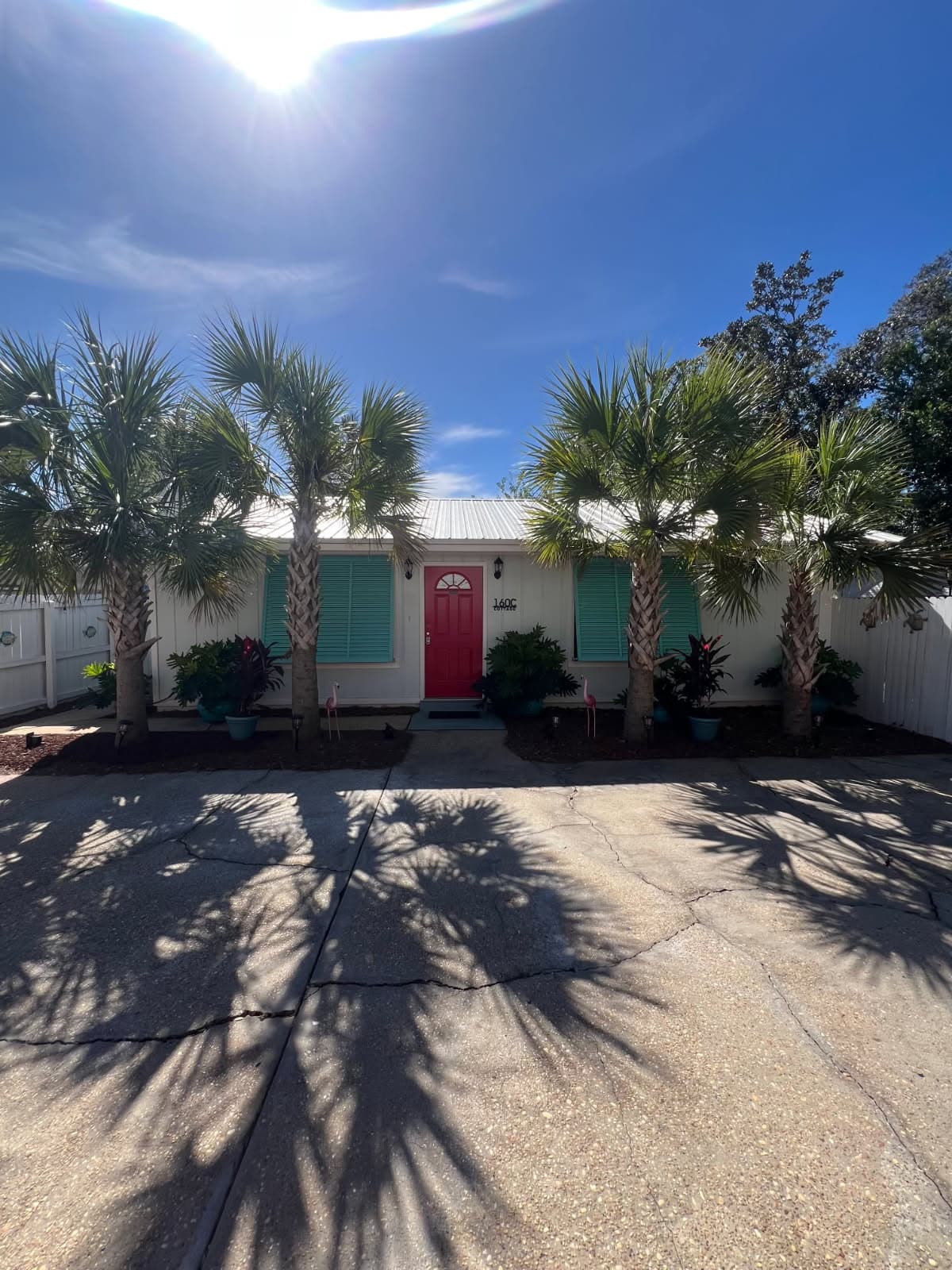
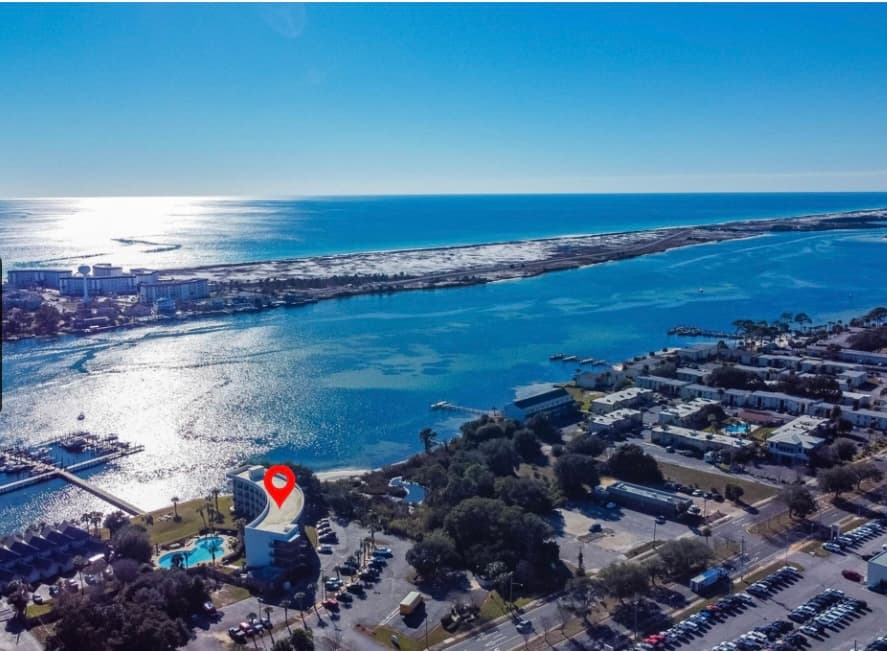
Examples of practical furnished setups near Eglin and Hurlburt include TDY Lodging Near Eglin AFB & Hurlburt Field – 2-Bed Home by the Beach - DTS Approved and TDY Hurlburt Eglin - Downtown FWB Condo 2bed/2bath/office.
There is also a documentation-driven culture around military travel. Many guests need receipts, lease details, dates, nightly or monthly charges, taxes, and proof of payment for reimbursement or personal recordkeeping. A remote owner who provides organized paperwork can stand out quickly. TDY Hero is designed around this military lodging context, which helps owners present properties to travelers who already understand TDY and PCS housing needs.
Start With the Right Property Setup Before Accepting Guests
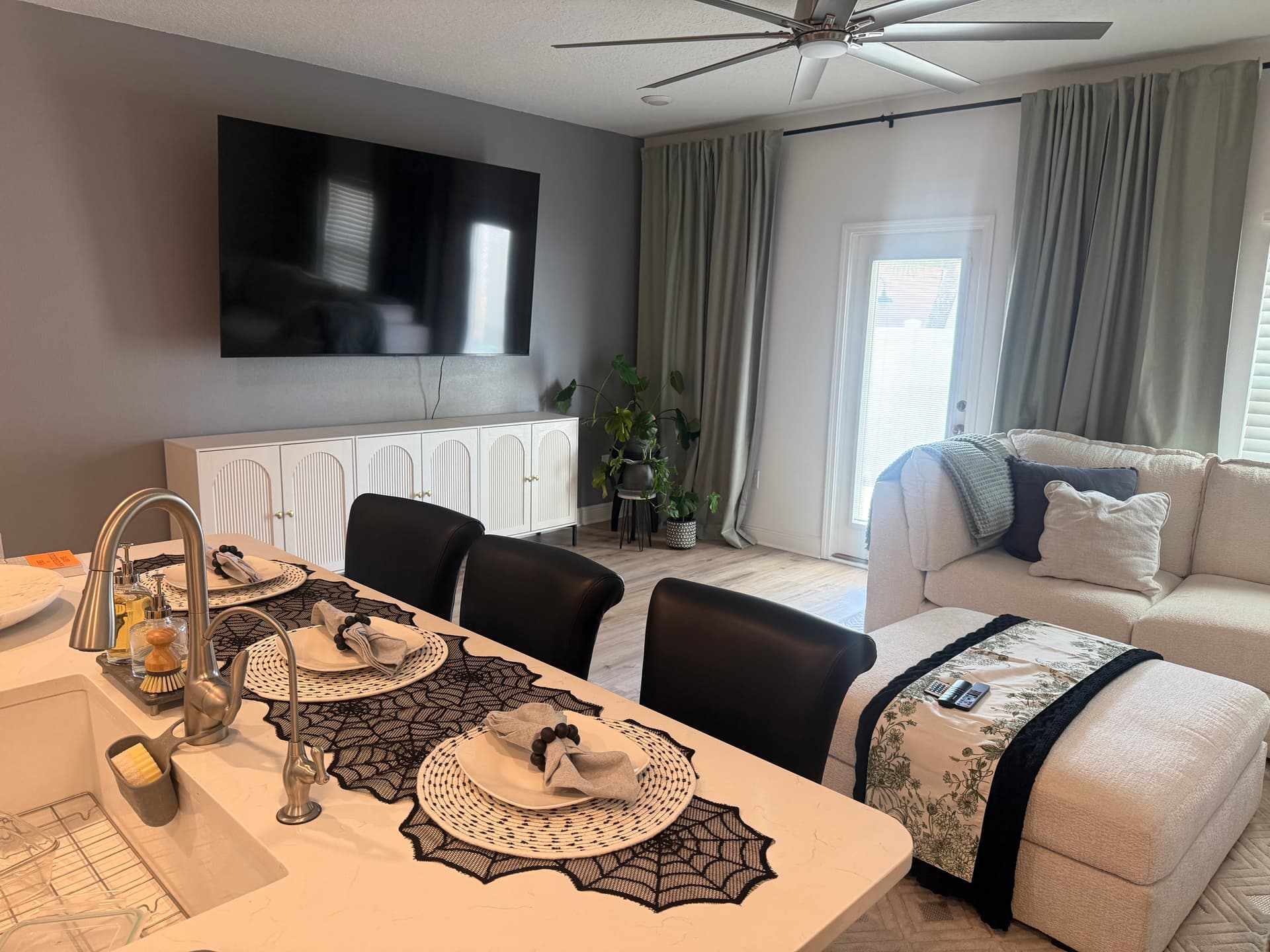
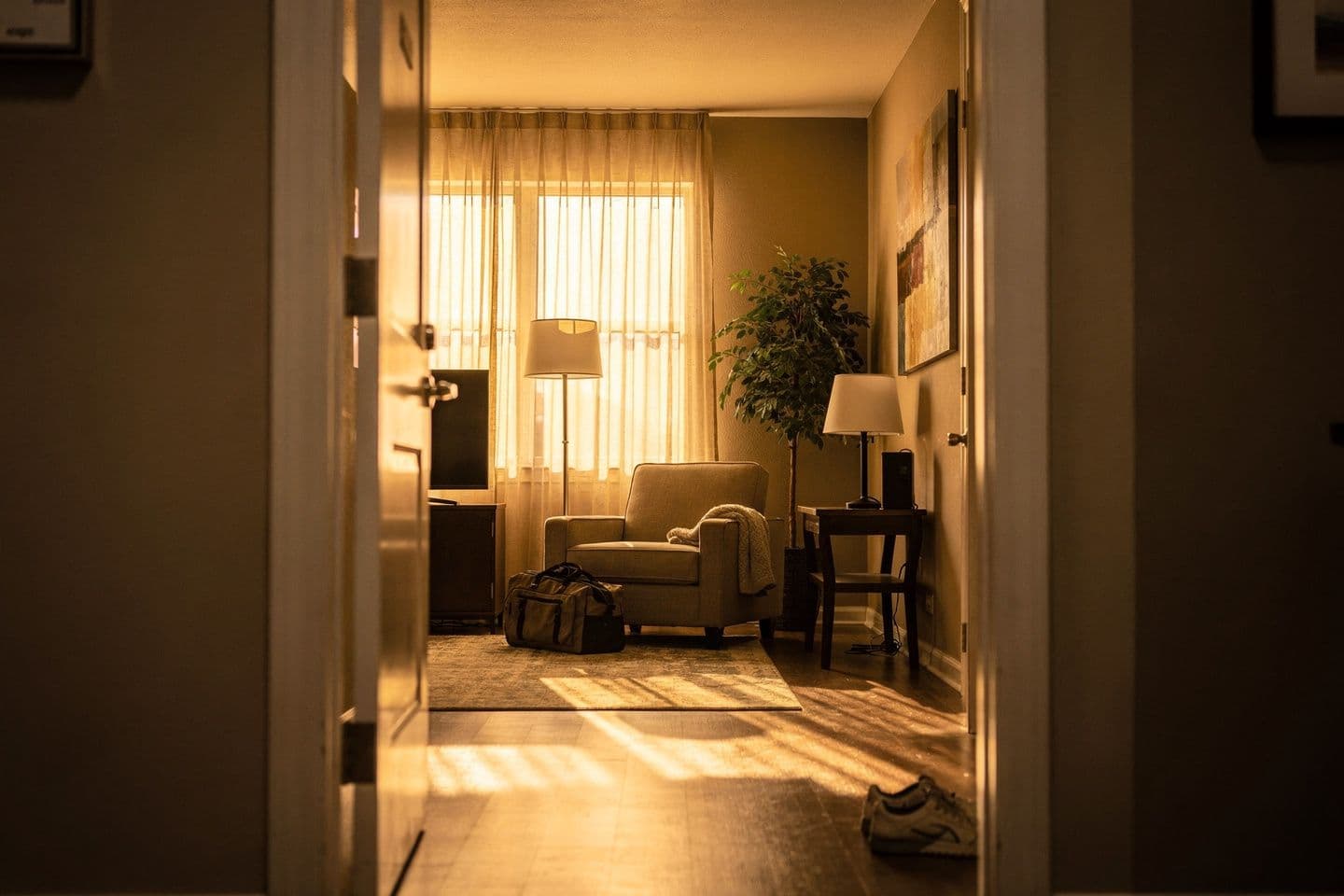
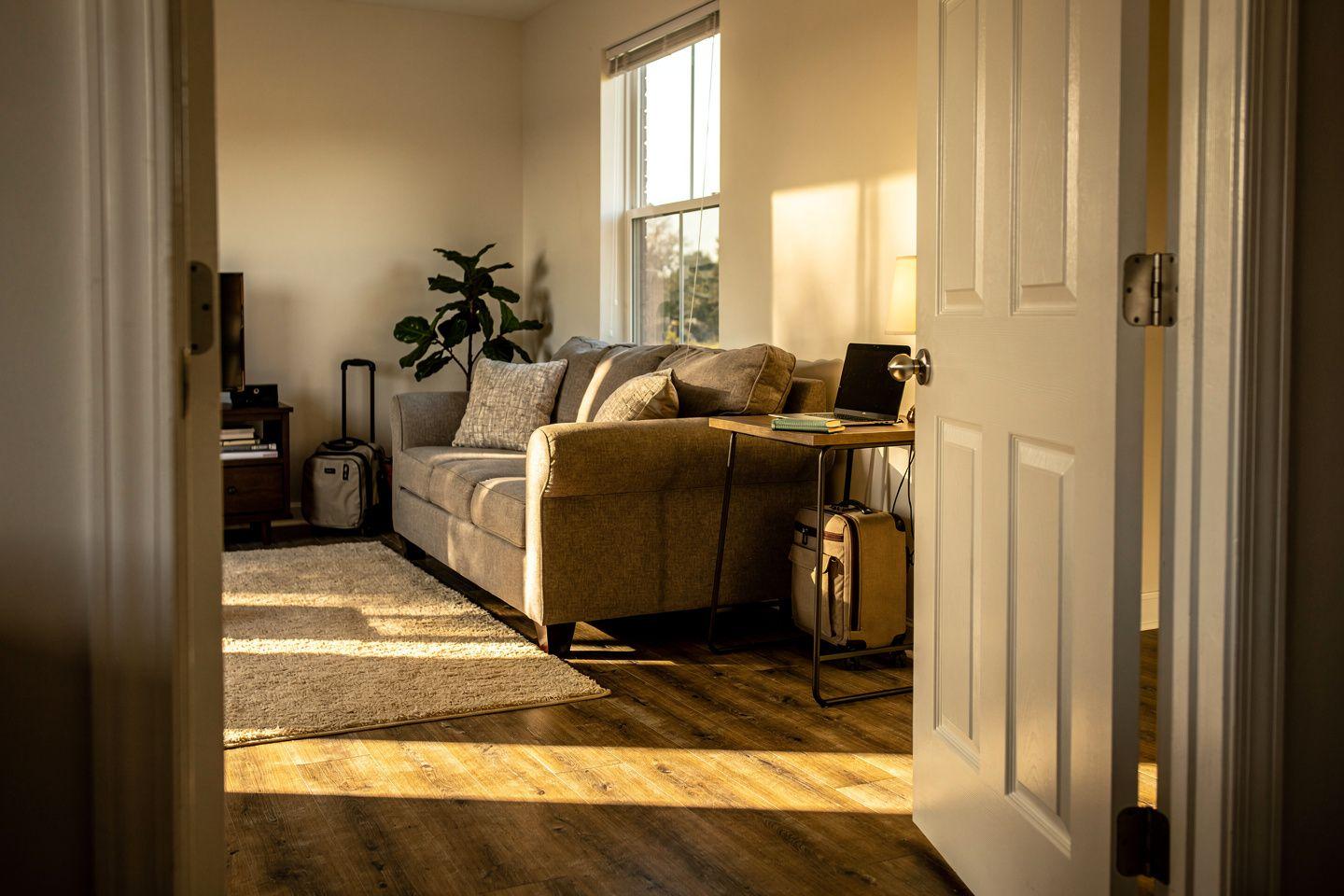
Before listing the property, an out-of-state owner should confirm that the home is truly ready for furnished military housing. The basics include beds, linens, towels, cookware, dishes, seating, dining space, reliable internet, smart TV or streaming capability, laundry access, cleaning supplies, and enough storage for a guest staying longer than a few nights. A TDY guest may arrive with uniforms, luggage, gear, laptops, paperwork, and personal items, so the home should not feel like a staged model with no closet space.
Remote owners should also think through durability. Furniture should be comfortable but not fragile. Flooring should tolerate rolling luggage and regular cleaning. Mattresses should be high quality enough for long stays. Kitchen items should be easy to replace in matching sets. A furnished rental does not need to be expensive to be effective, but it should be consistent. When the owner is out of state, avoid one-of-a-kind items that are hard to replace quickly.
The property should also be photographed and documented thoroughly before the first guest arrives. Owners should keep a digital inventory with photos of each room, appliances, electronics, furniture, and higher-value items. This protects the owner, helps cleaners identify missing or damaged items, and makes remote decisions easier. If a guest reports that something is missing or broken, the owner can compare against the inventory instead of relying on memory.

Build a Local Support Team You Can Trust
No out-of-state rental strategy works without reliable local help. At minimum, an owner should have a professional cleaner, a handyman or maintenance contact, an HVAC vendor, a plumber, a locksmith or smart-lock backup plan, and someone who can physically visit the property if needed. Military guests may be patient and respectful, but they still expect essential issues to be handled quickly. A broken air conditioner in Arizona, a heating issue in North Dakota, or a plumbing leak anywhere cannot wait until the owner flies in.
A cleaner is often the most important local partner. This person may be the owner’s eyes on the property between stays. The cleaner can report wear and tear, restock supplies, confirm that remotes and keys are present, photograph the home after turnover, and flag maintenance concerns. For longer TDY stays, owners may also offer optional periodic cleaning or coordinate mid-stay service if included in the agreement. Clear checklists help keep standards consistent.
Some owners choose to hire a local property manager, while others build a vendor network directly. The right choice depends on distance, time, property count, and comfort level. A property manager can handle guest communication, inspections, vendor coordination, and emergencies, but that service reduces net income. Direct management can be more profitable, but it requires discipline. Either way, the owner should not wait for a crisis to find local help.
Use Remote Access, Smart Systems, and Clear House Rules
Remote hosting depends on simple, secure access. A smart lock with unique guest codes is usually better than mailing keys, hiding keys outside, or relying on a neighbor. Codes should be changed between stays, and backup access should be available if batteries fail or the lock malfunctions. Owners should keep instructions simple and avoid placing sensitive details in public listing descriptions. Access information should be sent only after booking terms are confirmed.
Smart systems can also help out-of-state owners monitor the property without invading guest privacy. Smart thermostats, leak sensors, exterior cameras pointed only at public entry areas, Wi-Fi monitoring tools, and smart garage controllers can reduce risk. However, privacy rules and local laws matter. Cameras should never be inside the home, and exterior cameras should be disclosed clearly. Guests should know what systems exist and what they are used for.
House rules should be written for longer stays, not just weekend visits. The agreement should address parking, pets, smoking, guests, trash day, utility usage, mail, yard care, quiet hours, maintenance access, and checkout responsibilities. Military guests usually appreciate direct expectations, especially when they are balancing training, shifts, and reporting requirements. TDY Hero listings can help owners communicate furnished rental details to guests who are already searching for military-friendly housing rather than party-oriented vacation homes.
Owners weighing channel strategy may also want to compare TDY Hero vs. Airbnb for renting to military members before deciding how to present the home.

Handle Leases, Payments, Receipts, and Reimbursement Needs Professionally
Out-of-state owners should use a written rental agreement for every stay. Even if the booking is short, the agreement should state the property address, guest name, stay dates, rate, included utilities, deposit terms, cancellation terms, pet terms, payment schedule, and responsibilities for both parties. Military guests may need certain details for administrative purposes, and owners benefit from having expectations documented before move-in.
Receipts matter. A TDY traveler may need an itemized lodging receipt showing dates, amount paid, taxes or fees, and payment confirmation. A PCS guest may need records for personal budgeting or relocation paperwork. Owners should be prepared to provide clean, professional receipts without delays. If the rental includes utilities, parking, Wi-Fi, or cleaning, those inclusions should be stated clearly so the guest understands the total cost of the stay.
Owners should remember that reimbursement rules can vary by traveler, orders, command guidance, duty location, and lodging authorization. The owner does not need to become a government travel official, but the owner should avoid making promises such as “guaranteed reimbursable” unless the guest has confirmed their own eligibility. A safer approach is to provide accurate paperwork and transparent pricing. TDY Hero can help owners reach military travelers, while the traveler remains responsible for confirming travel policy requirements through the proper channels.
Price the Home for Military Stays Without Guesswork
Pricing an out-of-state furnished rental for military guests requires a different mindset than pricing a vacation rental. The goal is not always to maximize a Friday and Saturday night. Instead, the owner should evaluate monthly income, occupancy, utility costs, cleaning frequency, local demand near the installation, and how the rate compares with lodging per diem or extended-stay alternatives. A slightly lower nightly rate that secures a 60-day stay may produce better net income than a higher rate with gaps between bookings.
Owners should also decide whether to offer 30-, 60-, and 90-day pricing tiers. Longer stays may justify a discount because turnover costs are lower and income is more predictable. However, the discount should not erase profit after utilities, internet, lawn care, pest control, maintenance, platform costs, supplies, and taxes. Remote owners must be especially careful with utility-heavy markets, such as hot desert locations, humid coastal areas, or cold winter bases.
For owners considering longer bookings, this guide to month-to-month rentals for TDY travelers explains why flexible terms can work well for military stays.
A military-friendly price is not automatically the cheapest price. Guests often pay for reliability, location, privacy, pet acceptance, garage parking, fenced yards, family space, and strong Wi-Fi. Owners should price based on the full value of the home, not just square footage. TDY Hero helps place the property in front of travelers who are specifically comparing furnished housing for military assignments, which can make pricing conversations more focused and less random than on broad consumer platforms.

Reduce Risk With Screening, Insurance, and Legal Compliance
Remote owners should screen guests carefully while following fair housing laws and applicable state and local rules. Screening may include identity verification, signed agreements, payment confirmation, pet disclosures, and clear communication about the purpose and length of stay. Military affiliation can be relevant to the housing search, but owners should avoid assumptions and treat applicants consistently. Professional, documented processes protect both the owner and the guest.
Insurance is another major consideration. A standard homeowners policy may not cover furnished rentals, short-term rentals, mid-term rentals, or business use of the property. Owners should speak with an insurance professional about landlord coverage, short-term or mid-term rental endorsements, liability coverage, personal property coverage, loss-of-rent coverage, and any exclusions tied to vacancy or guest stays. If the home is in a hurricane, wildfire, flood, hail, or freeze-prone market, coverage details become even more important.
Local compliance should be reviewed before accepting bookings. Some cities, counties, HOAs, condo associations, and municipalities restrict rental length, require permits, limit occupancy, regulate parking, or impose lodging taxes. Military demand does not override local rules. An out-of-state owner should keep digital copies of permits, HOA rules, tax registrations, insurance documents, and lease templates. This is especially important if the owner cannot appear locally on short notice to resolve a compliance issue.
Final Thoughts: Distance Is Manageable When the Rental Is TDY-Ready
An owner can rent a home to military members from out of state, but success depends on preparation. The property needs to be furnished for real daily living, supported by dependable local vendors, protected by proper insurance, priced for longer stays, and backed by clear documentation. Distance should push the owner to become more organized, not more hands-off. Military guests often value exactly that kind of structure.
The best remote owners think through the guest experience before the booking begins. They make check-in simple, keep house rules clear, respond quickly, provide receipts, and solve maintenance issues without drama. They also prepare for the realities of military life, including changing report dates, extended orders, family needs, pet requests, and reimbursement questions. The owner does not need to be local to be reliable.
In coastal markets, furnished homes like Hurlburt/Eglin TDY home minutes to Navarre and Pensacola Beach. 3bd 2 bath. All new furniture! show how location, space, and move-in-ready comfort can support remote ownership.
For owners who want to reach military travelers directly, TDY Hero provides a focused path for furnished homes that serve TDY and PCS housing needs. Instead of trying to force a military rental into a vacation platform built for tourists, an out-of-state owner can position the home where military guests are already looking. With the right systems in place, renting remotely can become a practical, stable, and rewarding strategy.