Why Liability Insurance Matters for Military-Focused Rentals
Liability insurance for short-term military rentals is one of the most important protections a property owner can put in place before welcoming TDY, PCS, contractor, or training-related guests. A furnished rental may look like a residential home, but once it is offered for paid guest stays, the risk profile changes. A guest could slip on a wet walkway, a pet could damage a neighbor’s property, a balcony railing could fail, or a maintenance issue could create an injury claim. Even when a guest is responsible, polite, and mission-focused, accidents can still happen.
For owners who rent to military travelers, the lodging arrangement often sits between traditional long-term leasing and vacation-style short-term rental activity. Guests may stay for 30, 60, 90, or 120 days, use the kitchen daily, park vehicles on site, work from a desk, bring family members, or travel with pets. Those everyday uses can create liability exposure that a standard homeowners policy may not be designed to handle if the insurer views the home as a business or rental property.
The goal is not to overcomplicate hosting. The goal is to make sure the property owner understands what could go wrong, what policies may respond, and what gaps need to be addressed before a booking starts. TDY Hero helps connect owners with military guests looking for furnished housing, but insurance remains a property-owner responsibility that should be handled with a licensed insurance professional familiar with short-term or mid-term rentals.
The right coverage can also make the rental more professional. Military travelers are used to documentation, rules, receipts, and clear expectations. When a listing is backed by appropriate insurance, written house rules, documented maintenance, and a responsive host, the entire stay feels more stable. That stability matters for guests who are trying to focus on training, duty requirements, family logistics, or a PCS transition rather than housing problems.
If you are still sorting out how your furnished stay is classified, this guide on short-term or mid-term rental laws can help frame the insurance conversation.

What Liability Insurance Actually Covers
Liability insurance generally protects the insured property owner if someone claims the owner’s negligence caused bodily injury or property damage. In a furnished rental, that could include a guest tripping on a broken stair, a visitor being injured by an unsecured fixture, or water from the rental damaging a neighboring unit. If the claim is covered, the policy may help pay legal defense costs, settlements, or judgments up to the policy limit.
This is different from coverage for the owner’s building, furniture, appliances, or lost rental income. Property coverage addresses physical damage to the home or contents. Liability coverage addresses claims made by other people. A strong insurance setup for short-term military rentals usually considers both sides: the structure and furnishings need protection, and the owner needs protection from lawsuits or third-party claims.
Owners should also understand that liability coverage is not a guarantee for every situation. Policies have exclusions, limits, conditions, and definitions that matter. Some policies exclude business activity, paying guests, intentional acts, certain dog breeds, pools, hot tubs, trampolines, or unpermitted spaces. Others may require the owner to disclose rental use, maintain working smoke alarms, or follow local laws. The details in the policy language matter more than any general promise that the home is insured.
This is why owners should avoid assuming a standard homeowners policy is enough. A property used as an owner-occupied residence, a long-term rental, a vacation rental, and a furnished TDY rental may each require different policy structures. Before listing a home on TDY Hero or any other platform, the owner should tell the insurance agent exactly how the property will be used, how often it will be rented, whether stays are commonly 30 days or longer, and whether the owner lives on site.
Why Standard Homeowners Insurance May Not Be Enough
Many homeowners policies are written for personal residential use, not recurring paid lodging. If the insurer determines that the owner is operating a rental business without proper disclosure, the carrier may deny a claim or refuse to renew the policy. That can be financially serious if the claim involves an injury, a fire, or damage to another unit. The issue is not whether the guest is military, respectful, or staying for a work-related reason. The issue is whether the property use matches the policy.
Short-term military rentals can be especially easy to misclassify because the guest may stay longer than a vacationer but shorter than a traditional tenant. A 75-day TDY guest is not the same as a weekend tourist, but the stay is still a paid lodging arrangement. Some insurers consider 30-plus-day furnished stays differently from nightly short-term rentals, while others focus on whether the property is advertised, furnished, and rented to rotating occupants. Owners should ask direct questions instead of relying on assumptions.
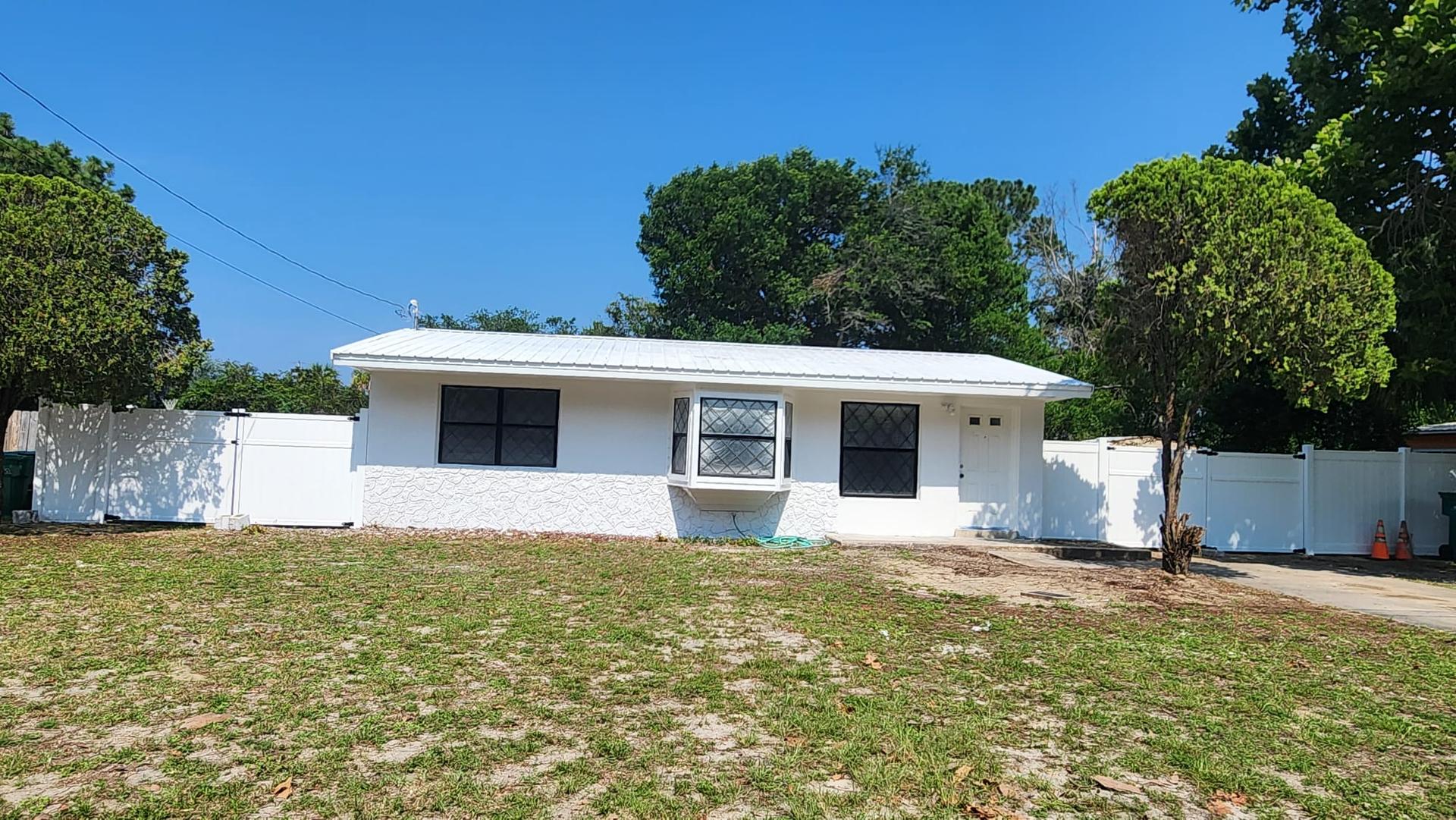
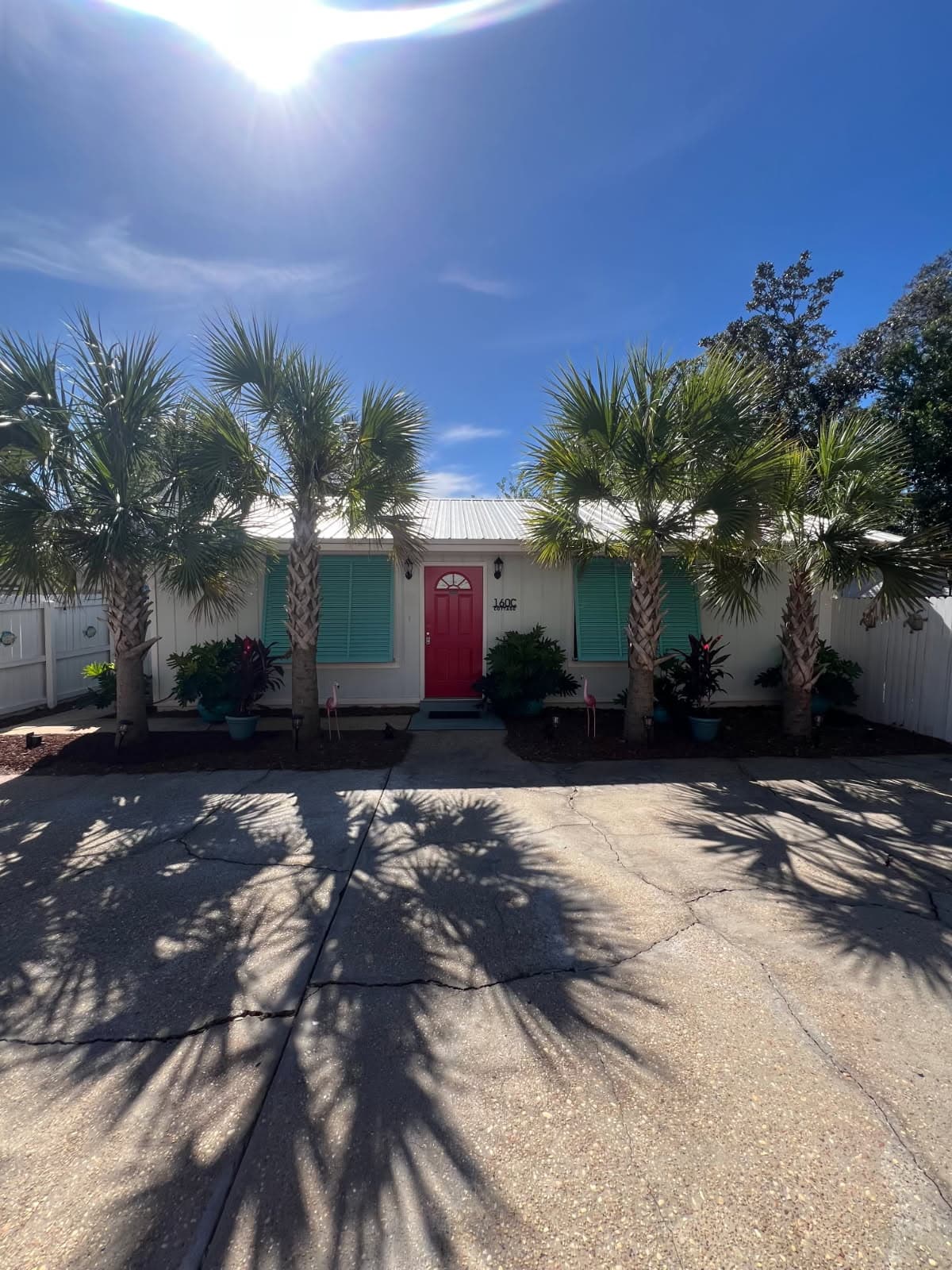
Real-world examples of furnished military lodging include TDY Lodging Near Eglin AFB & Hurlburt Field – 2-Bed Home by the Beach - DTS Approved and Hurlburt/Eglin TDY home minutes to Navarre and Pensacola Beach. 3bd 2 bath. All new furniture!, both of which show why stay length and guest use should be discussed clearly with an insurer.
The most important question is simple: does the current policy cover paid furnished stays of the length and frequency being offered? If the answer is unclear, the owner should request written clarification or shop for a policy built for rental activity. Some carriers offer endorsements for occasional rental use. Others require a landlord policy, dwelling policy, short-term rental policy, commercial package, or a specialty policy designed for furnished rentals.
Owners should be careful with vague phrases such as “rental friendly” or “covered for guests.” A friend staying at the home is not the same as a paying guest. A long-term tenant on a year lease is not the same as rotating TDY occupants. A renter’s insurance policy carried by the guest is not a substitute for the owner’s own liability coverage. A military-focused rental business deserves insurance that accurately reflects how the home is being used.

Key Coverage Types Owners Should Discuss With an Agent
The first coverage to discuss is premises liability. This is the core protection for injury or property damage claims tied to the condition or operation of the rental. Owners should review policy limits and consider whether the amount is realistic for the asset being protected. A low liability limit may look affordable until a serious injury claim requires legal defense. Many owners also ask about umbrella insurance, which can add an extra layer of liability protection above the primary policy if the underlying policy qualifies.
The second coverage area is property and contents. Furnished military rentals usually contain beds, sofas, desks, televisions, cookware, linens, small appliances, and sometimes outdoor furniture. A basic dwelling policy may not automatically cover all furnishings or may cover them only in limited ways. Owners should ask whether replacement cost coverage is available, whether theft by a guest is excluded, and whether damage caused by a guest differs from damage caused by fire, wind, water, or vandalism.
The third area is loss of rental income or business interruption. If a covered event makes the property uninhabitable during a booked TDY stay, the owner may lose expected rent while repairs are underway. Some policies include loss-of-rents coverage, while others require an endorsement. Owners should understand the waiting period, covered causes of loss, documentation required, and whether a canceled military booking would qualify.
The fourth area is risk-specific coverage. Pools, hot tubs, bicycles, grills, fireplaces, balconies, garages, bunk beds, pets, and shared spaces can all affect underwriting. If the property is a condo, townhouse, duplex, or accessory dwelling unit, the owner should also consider association requirements and shared-wall risks. When listing on TDY Hero, clear amenity descriptions are useful for guests, but those same amenities should also be disclosed to the insurance agent so the policy reflects the actual rental.
How TDY and PCS Guest Patterns Affect Risk
Military guests are often excellent rental candidates because they tend to value clean housing, reliable communication, and clear rules. However, the liability profile of a TDY or PCS stay is still unique. Guests may arrive after long travel days, carry heavy luggage, adjust to unfamiliar parking areas, or move in during early morning or late evening hours. Those arrival patterns make lighting, entry access, stairs, walkways, and lock systems more important than they might appear in a casual listing review.
Longer stays also change how the property is used. A guest on a multi-month assignment is likely to cook, do laundry, receive mail or packages, use a workspace, and settle into a routine. If family members or pets are approved, the property may experience more daily activity than a simple overnight stay. These are normal uses, but they increase the importance of safe furniture, functioning appliances, secure handrails, clear house rules, and prompt maintenance.
PCS-related stays may include spouses, children, pets, extra vehicles, and household goods in transition. TDY stays may involve roommates, classmates, or colleagues sharing a larger furnished home. Each arrangement should be reflected in the rental agreement and insurance conversation. The owner should know whether the policy treats unrelated occupants differently, whether occupancy limits matter, and whether pets or additional visitors create exclusions.
For hosts considering families or multiple service members, short-term rentals near AFBs for dual military families are a good reminder that occupancy and daily use can vary from one booking to the next.
TDY Hero is designed around military lodging needs, which helps owners reach guests looking for practical, mission-friendly housing rather than party-style vacation accommodations. Still, a platform cannot replace the owner’s risk management. The best owner strategy combines the right audience with the right policy, the right lease terms, and the right operating standards.

Practical Safety Steps That Support Insurance Protection
Insurance is only one layer of protection. Owners can reduce liability risk by maintaining the property as if every detail might later need to be documented. Smoke alarms, carbon monoxide detectors, fire extinguishers, exterior lights, stair rails, door locks, windows, appliances, HVAC systems, and electrical outlets should be inspected regularly. If a guest reports a safety concern, the owner should respond quickly and keep written records of the repair.
Entry safety deserves special attention. TDY travelers often arrive with luggage, laptops, uniforms packed in garment bags, pet crates, or children’s items. Uneven pavers, dark walkways, loose rugs, cluttered garages, and slippery steps can create unnecessary risk. A well-lit path from parking to the front door, a secure keyless entry system, and a clean threshold area can prevent common accidents. If the property is in a winter, desert, coastal, or storm-prone market, local conditions should shape the maintenance plan.
House rules should be clear but reasonable. Owners should address approved occupants, pets, parking, smoking, grills, candles, quiet hours, trash, mail, package delivery, maintenance access, and emergency contacts. Rules should be shared before check-in and kept inside the home in a welcome binder or digital guide. If a rule exists for safety, such as no balcony grilling or no indoor space heaters, the reason should be easy to understand.
Photo documentation can also help. Owners should take dated photos or videos before each stay, especially of high-value furnishings, entry areas, appliances, and any existing wear. This protects both the owner and the guest from confusion. Military travelers appreciate a professional process, and a documented condition checklist can make the stay smoother if a reimbursement, deposit, maintenance, or damage question arises.
Rental Agreements, Waivers, and Guest Screening
A written rental agreement is an essential companion to liability insurance for short-term military rentals. The agreement should identify the property, dates, rate, payment schedule, approved occupants, pet terms, cancellation terms, house rules, maintenance procedures, and responsibility for damage. It should also clarify that the guest’s travel orders do not make the owner responsible for government reimbursement decisions. The owner provides lodging; the traveler handles DTS, receipts, vouchers, and agency requirements.
Furnished options such as TDY Hurlburt Eglin - Downtown FWB Condo 2bed/2bath/office make it easy to see why agreements should spell out workspaces, occupants, parking, and maintenance expectations.
Some owners use waivers for amenities such as pools, hot tubs, bikes, fitness equipment, or garages. Waivers can be helpful, but they are not a magic shield against liability. Courts may not enforce every waiver, and a waiver generally does not excuse an owner from negligence. Owners should have an attorney review rental documents, especially if the property includes higher-risk amenities or operates in a state with strict lodging laws.
Guest screening should be professional and fair. Military-focused hosting does not mean asking inappropriate questions or ignoring fair housing obligations. Owners can verify identity, confirm booking details, discuss occupancy, request signed agreements, collect deposits where allowed, and communicate expectations. TDY Hero helps create a more relevant connection between furnished-rental owners and military guests, but the owner should still follow a consistent screening process for every applicant.
Owners should also think carefully about roommate-style stays. Shared crashpad-style arrangements can create different liability issues than private whole-home rentals. Common areas, shared kitchens, parking assignments, cleaning expectations, and guest conduct rules should be documented. If the property is rented by the room, the insurance agent needs to know that. A policy designed for one family occupying the home may not be appropriate for multiple unrelated rotating guests.

Questions to Ask Before Listing a Military Rental
Before accepting the first booking, an owner should ask the insurance agent several direct questions. Does the policy cover furnished rentals to paying guests? Are stays under 30 days treated differently from stays over 30 days? Is there a limit on the number of rental days per year? Are military TDY or PCS stays considered short-term rental activity, mid-term rental activity, or landlord activity under the policy? The answers can determine whether the current coverage is adequate.
Owners should also ask about exclusions. Are pets covered if the owner allows dogs? Are certain breeds excluded? Is there coverage for guest-caused water damage, kitchen fires, theft, vandalism, or accidental damage? Are pools, hot tubs, grills, fire pits, balconies, stairs, or detached structures covered? Does the policy include medical payments to others? Does it provide legal defense outside the liability limit or within it? These details can matter after a claim.
Another important question is whether the policy coordinates with platform-provided protection. Some rental platforms advertise host protection programs, but these programs may not be insurance, may include many exclusions, or may apply only to bookings processed through that platform. Owners should not rely on a marketplace promise without reading the terms. A dedicated owner policy is usually the foundation; any platform protection should be viewed as secondary or supplemental unless a licensed professional confirms otherwise.
Finally, owners should ask what documentation the insurer expects. Required items may include signed rental agreements, inspection records, maintenance receipts, smoke alarm checks, guest communications, incident reports, police reports, or photos. Building a file for each stay may feel administrative, but it can make a major difference if a claim arises. The same level of organization that helps military travelers with lodging receipts can also help owners protect their rental business.
Final Thoughts
Understanding liability insurance for short-term military rentals is not just a legal or financial exercise. It is part of running a professional furnished-housing operation for guests who need dependable lodging during TDY, PCS, training, or government-related travel. A strong policy helps protect the owner’s property, personal assets, and rental income while creating a safer experience for the guest.
The most important step is disclosure. Owners should be honest with their insurance agent about how the property is listed, how long guests stay, whether the home is rented by the room or as a whole home, what amenities are included, and whether pets or families are allowed. Insurance works best when the policy matches the real use of the home. Guessing, minimizing, or failing to update coverage can create expensive gaps.
TDY Hero gives owners a focused way to reach military travelers who need furnished, off-base housing, but the most successful hosts treat insurance, documentation, maintenance, and guest communication as part of the same operating system. When the rental is properly insured, clearly presented, and professionally managed, it becomes easier for the right guest to book with confidence.
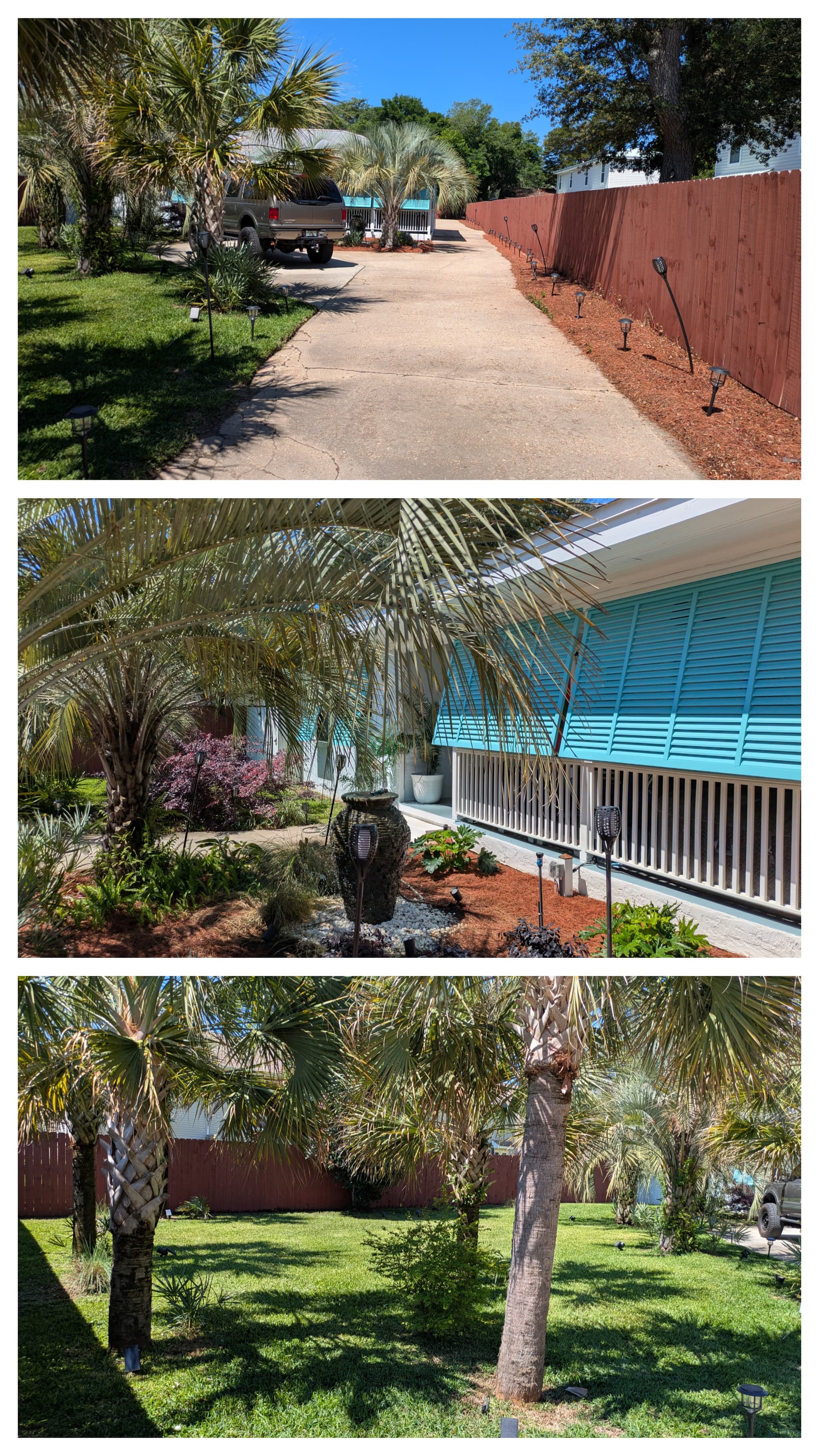
Homes like Welcome to the Beautiful SunDown Home in Navarre! All new furniture! show how a polished listing and a professional risk-management plan can work together.
For property owners entering the military rental market, liability coverage should be reviewed before the listing goes live, not after a claim occurs. A short conversation with a knowledgeable insurance professional can prevent major problems later. With the right protections in place, owners can host TDY and PCS guests through TDY Hero with more confidence, more clarity, and a stronger foundation for long-term rental success.