The Short Answer: Lodging Tax Depends on State, Local, and Stay-Length Rules
If you rent a furnished home, condo, apartment, guest suite, or crashpad-style property to military personnel on TDY, the safest starting point is this: lodging tax may apply unless a specific exemption applies. Military status alone does not automatically make every stay tax-exempt. The tax treatment usually depends on where the property is located, how long the guest stays, how the stay is paid, what type of lodging is being provided, and whether the local tax authority recognizes an exemption for federal government travel.
For property owners, this question matters because lodging taxes can affect pricing, receipts, profit margins, and the guest’s reimbursement process. A nightly or monthly rate that looks competitive may become confusing if tax is added at booking, waived without a valid exemption, or omitted when it should have been collected. Owners who serve TDY travelers need to understand the difference between sales tax, hotel occupancy tax, transient lodging tax, tourism tax, and other local assessments that may apply to short-term lodging.
TDY Hero helps connect furnished rental owners with military travelers who often need off-base housing for training, temporary assignments, schoolhouse stays, and longer TDY periods. However, a platform connection does not replace local tax compliance. Owners remain responsible for confirming tax obligations with the state, county, city, parish, borough, or special district where the property is located. The right answer for a rental near Luke AFB in Arizona may differ from a rental near Eglin AFB in Florida, Kirtland AFB in New Mexico, Hickam in Hawaii, or Fort Sam Houston in Texas.
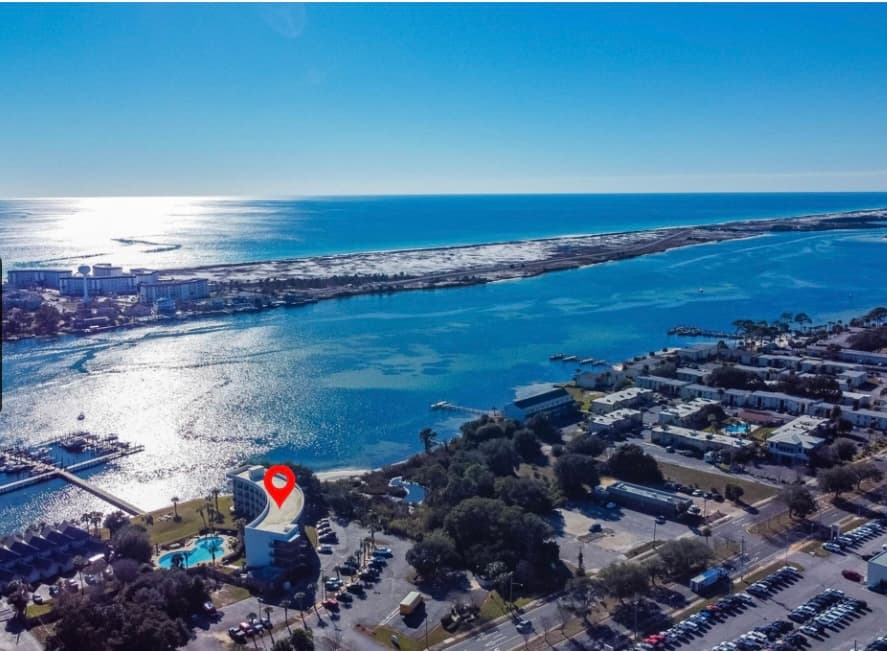
For owners comparing local examples, furnished options near Eglin and Hurlburt include TDY Lodging Near Eglin AFB & Hurlburt Field – 2-Bed Home by the Beach - DTS Approved and TDY Hurlburt Eglin - Downtown FWB Condo 2bed/2bath/office.

Why TDY Lodging Tax Is More Complicated Than a Regular Vacation Rental
Military TDY lodging does not always fit neatly into the same category as weekend vacation stays. Many TDY guests stay 30, 60, 90, or 120 days, and some jurisdictions treat longer stays differently from transient lodging. A city may require lodging tax for stays under 30 nights but exempt continuous stays beyond a set threshold. Another state may apply tax for the first 30 days and stop applying it after the guest qualifies as a longer-term occupant. In some places, the threshold may be 28 days, 30 days, 31 days, 90 days, or another period entirely.
The payment method can also complicate the analysis. A military guest may pay with a Government Travel Charge Card, a personal card, ACH, or another approved payment method, then seek reimbursement through DTS. Some owners assume that use of a government travel card automatically means the stay is exempt from lodging tax. That is not always true. In many jurisdictions, the key issue is whether the federal government is the direct payer, whether the traveler is personally liable, and whether the state recognizes federal employee or military lodging exemptions.
TDY lodging is also documentation-heavy compared with ordinary leisure travel. Travelers may need itemized receipts showing nightly lodging, taxes, fees, cleaning charges, deposits, and payments received. If an owner lists on TDY Hero, clear rate presentation and clean documentation can make the stay easier for the guest to reconcile. Still, the owner should not guess on tax rules just because the guest is on orders. Taxability is a legal and administrative issue, not just a customer service preference.
Common Lodging Taxes Owners May Encounter
The term “lodging tax” is often used as a catchall, but owners may actually be dealing with several different taxes. These can include state sales tax, county lodging tax, city occupancy tax, tourism development tax, transient accommodations tax, convention center tax, resort tax, or similar local assessments. Some are administered by the state revenue department, while others are administered by a county tax collector, city finance office, or local tourism authority.
For example, a furnished rental near a coastal base may be subject to state sales tax plus a county tourist development tax on short stays. A rental near a large city installation may owe city hotel occupancy tax. A property near a training base in a smaller community may face fewer layers, but it may still be classified as transient lodging if rented for short periods. Owners should not assume that a single tax rate applies statewide or that a nearby host’s practices are correct.
The property type may also matter. A whole-home furnished rental, accessory dwelling unit, condo, apartment, room rental, duplex unit, or shared crashpad may be treated differently depending on local law. Some jurisdictions regulate “short-term rentals” separately from hotels but still require tax collection. Others require registration, a local license, or a tax account before collecting and remitting lodging taxes. Before accepting TDY bookings, an owner should know whether the property is legally allowed to operate as furnished temporary lodging and what tax filings are required.
If you are setting up a furnished rental for this audience, it also helps to review the common mistakes property owners make when renting to military guests before your first booking.

When Military TDY Guests May Be Exempt From Lodging Tax
Military TDY guests may be exempt from certain lodging taxes in some jurisdictions, but exemptions are usually rule-specific. A state may exempt federal government employees traveling on official business if the payment is made directly by the federal government or with a qualifying government payment method. Another jurisdiction may require a completed exemption certificate. Some may exempt state sales tax but not local occupancy tax, or they may exempt one category of government travel while still taxing another fee.
Owners should pay close attention to the phrase “may be exempt.” A guest’s TDY orders alone may not be enough. Some tax authorities require a specific government exemption form, a tax-exempt identification number, proof of official travel, or a statement that the guest is traveling on behalf of the federal government. Others do not recognize exemption when the traveler is personally reimbursed later, even if the traveler uses a Government Travel Charge Card.
This distinction is critical because many TDY travelers are individually responsible for booking lodging and are later reimbursed through the travel system. If local law treats that transaction as a personal purchase, taxes may still apply. If local law treats qualifying federal travel as exempt, the owner may need to retain the proper documentation to support why tax was not collected. TDY Hero can help owners reach the right military audience, but tax exemption decisions should be backed by written local guidance, not informal assumptions.
Stay Length Can Change the Tax Answer
For many TDY furnished rentals, length of stay is one of the most important tax factors. A three-night stay, a 29-night stay, and a 92-night stay may not be taxed the same way. Local rules often distinguish between transient lodging and longer-term residential occupancy. If a guest stays long enough to qualify as a tenant or non-transient occupant under local rules, certain lodging taxes may no longer apply.
However, owners should not rely on a general “30-day rule” without checking the actual jurisdiction. Some areas exempt stays of 30 consecutive days or more from the beginning. Others tax the first 30 days, then stop taxing after the threshold is reached. Some may allow a refund or adjustment after the guest has stayed long enough. Others may require the guest to sign a lease or rental agreement for the qualifying period before the stay can be treated as exempt from transient lodging tax.
TDY assignments are also subject to change. A guest may book 45 days and leave after 18 days because training is canceled, orders change, or the mission shifts. If the tax exemption depended on completing a minimum stay, the early departure may change the tax treatment. Owners should build tax language into the rental agreement that explains whether taxes may be added, withheld, refunded, or recalculated if the actual stay differs from the booked stay.
How to Handle Government Travel Cards, Receipts, and Reimbursement Documents
The Government Travel Charge Card is commonly used for TDY lodging, but it should not be treated as a universal tax-exemption card. In some states, a centrally billed government account may receive different tax treatment than an individually billed card. Many traveling personnel use individually billed cards, which can mean the traveler is still considered the purchaser even though the expense is connected to official duty. Owners should avoid telling guests that a GTC automatically removes lodging tax unless the local tax authority confirms that rule.
The itemized receipt is one of the most important documents an owner can provide. A proper receipt should show the guest’s name, property address or lodging location, dates of stay, nightly or monthly lodging charge, taxes by category if collected, cleaning or service fees, refundable deposit if applicable, total paid, payment dates, and any refunds or adjustments. If tax is not collected because of an exemption, the receipt should clearly show that tax was exempt or not charged, but it should not invent a tax amount for reimbursement purposes.
For owners, consistency matters. If a TDY guest books through TDY Hero or contacts the owner directly after finding a listing, the owner should use a repeatable receipt format. This reduces confusion when the traveler submits a voucher and protects the owner if questions arise later. If a tax exemption form is required, the owner should save it with the booking file along with the rental agreement, invoice, payment confirmation, and any official guidance used to support the exemption.
Properties such as Hurlburt/Eglin TDY home minutes to Navarre and Pensacola Beach. 3bd 2 bath. All new furniture! show why clean receipts and repeatable documentation matter for longer TDY stays.

Owner Compliance Checklist Before Accepting TDY Bookings
Before accepting military TDY guests, a property owner should identify every tax authority connected to the property. That typically means checking the state revenue agency, county tax office, city finance department, and any special tourism or lodging district. The goal is to determine whether the rental must be registered, whether taxes must be collected, what rates apply, how often returns are filed, and whether exemptions exist for federal government travel.
Next, the owner should confirm how stay length affects taxability. The rental agreement should align with the rule. If the jurisdiction exempts stays of 30 consecutive days or more, the agreement should clearly state the booked term and what happens if the stay is shortened. If the tax must be charged until a threshold is met, the pricing should explain that structure to the guest before payment. This prevents disputes after arrival and helps the TDY traveler budget accurately.
Owners should also create a documentation folder for each stay. That folder may include the signed lease or rental agreement, exemption certificate if applicable, guest invoice, itemized receipt, payment proof, tax return records, correspondence about extensions or early departures, and any refund calculations. TDY Hero listings can help present a property as military-friendly, but the strongest owner operations happen behind the scenes: clear rates, clean records, and written policies that match local rules.
Pricing Strategies When Lodging Tax Applies
When lodging tax applies, owners must decide how to present the total cost without making the listing look confusing or unexpectedly expensive. Some owners show a base lodging rate and then add tax as a separate line item. Others build estimated taxes into an all-inclusive monthly rate, if allowed by local law and platform rules. The best structure depends on tax requirements, guest expectations, and whether the traveler needs an itemized receipt for DTS reimbursement.
Military guests generally value predictable, easy-to-document pricing. A TDY traveler comparing an extended-stay hotel, a furnished apartment, and an off-base rental may need to know whether the quoted rate includes utilities, Wi-Fi, parking, cleaning, and lodging tax. If the owner’s rate changes after the guest asks for a receipt, the guest may lose confidence. A transparent pricing note can prevent that: for example, “Applicable lodging taxes are added for stays under 30 nights unless a valid exemption applies,” or “Quoted monthly rate includes utilities and required lodging taxes where applicable.”
Pricing should also consider per diem, but owners should avoid guaranteeing reimbursement. The Joint Travel Regulations, DTS authorization, local lodging rate, command guidance, and receipt documentation all affect what a traveler can claim. TDY Hero is useful because it connects owners with travelers who are actively looking for furnished options that fit TDY realities, but owners should still present taxes and fees accurately rather than trying to force every stay into a per-diem-friendly number.
Owners who are trying to keep pricing straightforward can also look at ways to avoid Airbnb fees when renting to military guests while still staying clear on taxes and receipts.

Mistakes That Can Create Tax Problems for Owners
One of the most common mistakes is assuming that all military stays are tax-exempt. This can lead to under-collection, unpaid tax liability, penalties, and awkward conversations if the owner later tries to collect tax from a guest after checkout. Another mistake is collecting lodging tax but failing to register or remit it properly. In many jurisdictions, collected tax is considered trust money held for the tax authority, not extra income for the owner.
A second common mistake is copying another host’s tax practices without verifying them. Two properties in the same metro area may fall under different city limits, county rules, licensing categories, or tax districts. A condo may be governed by an association restriction that differs from a single-family home. A detached guesthouse may trigger different local registration requirements than a room rental. What works for one owner may not protect another.
A third mistake is issuing vague receipts. A receipt that says only “rent paid” may create problems for a TDY traveler who needs lodging documentation. A receipt that combines rent, taxes, pet fees, utilities, and cleaning into one unclear total may slow reimbursement or create questions. Owners should use clean, itemized documents and preserve copies. If an exemption is applied, the owner should retain the support for that exemption in case the tax authority audits the account later.
Final Thoughts: Treat Lodging Tax as Part of a Professional TDY Rental Operation
So, do you have to pay lodging tax when renting to military personnel on TDY? The practical answer is that you may have to collect and remit lodging tax unless the stay, guest, payment method, property type, or local exemption rules say otherwise. Military TDY status is important, but it is not a one-size-fits-all tax exemption. The correct answer lives in state and local law, supported by the documentation kept for each booking.
For owners who want to serve military travelers well, lodging tax should be handled before the first inquiry becomes a confirmed stay. Confirm the tax rules, understand stay-length thresholds, know what exemption documents are required, build clear language into the rental agreement, and issue itemized receipts. This makes the experience smoother for the traveler and reduces risk for the owner.
TDY Hero gives furnished rental owners a focused way to reach military guests who need practical off-base lodging for temporary duty assignments. The most successful owners pair that visibility with disciplined operations: accurate pricing, reliable amenities, flexible terms, and tax compliance that does not depend on guesswork. When lodging tax is handled correctly, the property feels more professional, the traveler has better documentation, and the owner is better positioned for repeat TDY demand.