

Why Safety Looks Different in TDY Housing
Property owners often ask whether it is safer to rent to verified military guests than to the general civilian market. The most accurate answer is that no renter category is risk-free, but verified military guests often bring a more structured rental situation. TDY and PCS travel is usually tied to formal orders, defined dates, predictable payment processes, and a professional reason for being in the area. That structure can make the owner’s risk easier to evaluate before accepting a booking.
Civilian renters can be excellent guests, and many are responsible, communicative, and careful with property. The challenge for owners is that the civilian short-term and mid-term rental market is broad. A guest may be traveling for vacation, remote work, relocation, a local event, insurance housing, or an unclear purpose. Each scenario has different risk factors. When owners rent to verified military guests, the stay is usually connected to a duty location, a training pipeline, a schoolhouse, a temporary assignment, or a move between permanent stations.
That distinction matters because furnished housing risk is not just about who the guest is. It is also about why the guest is staying, how long the stay will last, what documentation supports the trip, and how quickly problems can be resolved. TDY Hero helps owners focus on this niche by connecting furnished rentals with military travelers who are actively looking for off-base lodging. The platform does not eliminate the need for owner due diligence, but it helps organize demand around a more predictable guest profile.
If you are weighing safety alongside owner workload, it also helps to understand why hosting military guests can feel more rewarding than regular short-term rentals.

Verification Reduces Guesswork Before a Booking
One of the biggest safety advantages in the military lodging niche is the ability to verify the nature of the stay. A TDY guest often has orders, report dates, training dates, or other official travel details that explain the assignment. A PCS guest may have a clearer move timeline, gaining unit, or family lodging need. These details give the owner more context than a simple vacation inquiry that says, “Is the home available next month?”
Verification does not mean an owner should ask for sensitive personal information that is not necessary. It does mean the owner can ask appropriate questions: What are the approximate dates? Is the stay TDY, PCS, training-related, or contractor-supported? Will the guest need an itemized receipt? Is the traveler booking alone, with family, or with approved roommates? These questions help confirm whether the property is a good fit and whether the guest understands the rules.
For owners, context is a safety tool. A guest with a defined assignment is less likely to create uncertainty around occupancy, payment timing, or unauthorized use of the home. TDY Hero is designed around this context, making it easier for owners to present furnished rentals to travelers who are already searching for military-friendly lodging. Instead of trying to interpret anonymous inquiries from multiple general platforms, owners can align the conversation around duty-driven housing needs from the start.
Military Guests Often Have Stronger Incentives to Follow Rules
A key reason many owners prefer verified military guests is accountability. Military travelers are not simply tourists passing through a city. Their conduct can affect their professional reputation, travel reimbursement, leadership relationships, and ability to complete a training or work assignment without disruption. That does not guarantee perfect behavior, but it creates a stronger incentive to follow house rules, communicate clearly, and avoid problems that could interfere with the mission.
For an owner, this incentive structure can reduce common furnished-rental concerns. Quiet hours, parking limits, pet rules, smoking restrictions, guest limits, and checkout procedures are easier to enforce when the traveler has a professional reason to maintain a smooth stay. Many TDY guests also spend long days at training, work, or school, which can mean the property is used more like a temporary residence than an entertainment venue.
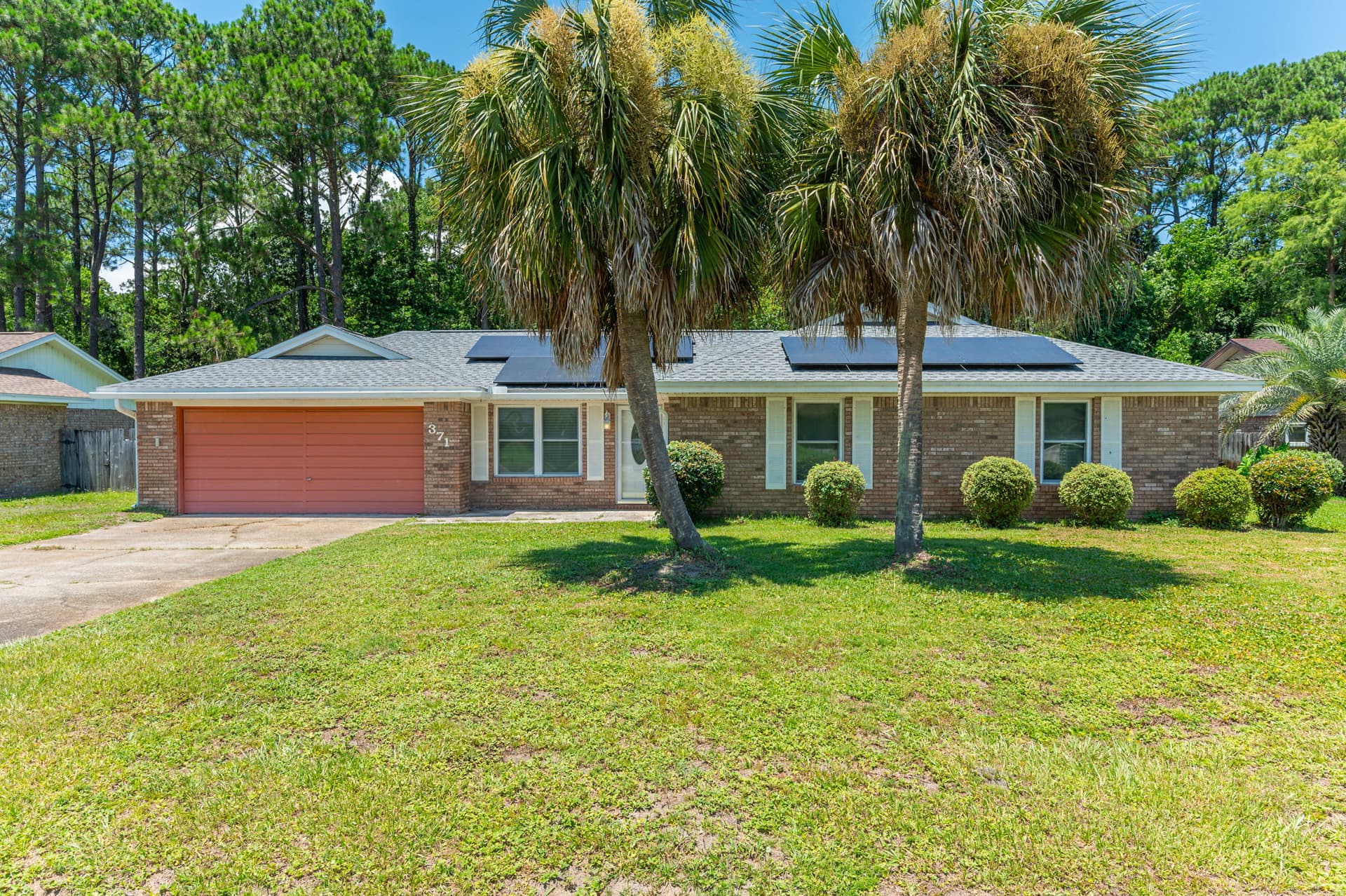
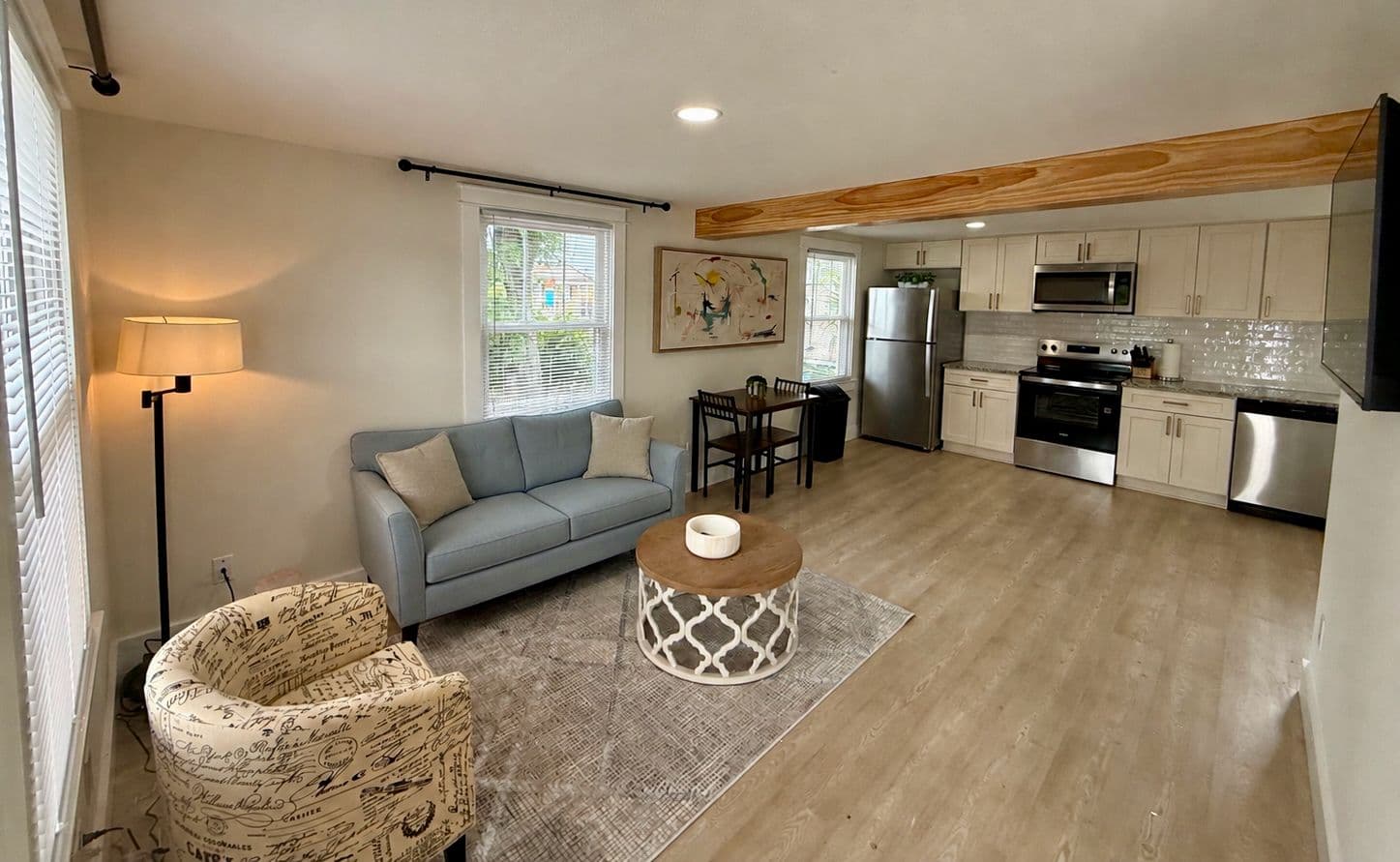
Examples of mission-friendly furnished options include TDY Lodging Near Eglin AFB & Hurlburt Field – 2-Bed Home by the Beach - DTS Approved and TDY Hurlburt Eglin - Downtown FWB Condo 2bed/2bath/office.
Civilian guests may also have professional incentives, especially corporate travelers, relocating employees, healthcare workers, and federal civilians. The difference is consistency. Military TDY patterns often repeat around bases, schoolhouses, and training cycles. Owners who understand those patterns can build rules, pricing, and documentation around them. A well-written rental agreement paired with military-specific expectations can make the stay safer and more predictable for both sides.

Payment Predictability Can Lower Financial Risk
Safety is not only about property condition. Financial reliability is one of the biggest risks in furnished rentals. Owners need to know whether rent will be paid on time, whether the guest understands deposits and fees, and whether the stay fits within the traveler’s lodging budget. Military travelers often plan around lodging per diem, government travel card use, travel authorizations, and reimbursement requirements. That creates a more formal payment environment than many casual bookings.
Owners should not assume that the government pays the landlord directly. In many TDY scenarios, the traveler pays the lodging provider and later files for reimbursement through the appropriate travel system. That means the owner still needs clear payment terms, due dates, cancellation rules, and receipts. However, a traveler who needs documentation for reimbursement is usually motivated to keep the transaction orderly. Itemized invoices, receipts, lodging dates, taxes, and proof of payment all matter.
When a furnished rental is priced in a way that makes sense for the local per diem and the length of stay, the risk of payment friction may be lower. Owners can use TDY Hero to reach travelers who are already evaluating off-base lodging through a military travel lens. The listing should clearly state whether utilities, Wi-Fi, parking, cleaning fees, pet fees, and taxes are included or separate. Clear financial expectations are one of the simplest ways to make a rental safer.
Owners comparing payment reliability and revenue should also look at whether renting to military TDY guests is more profitable than Airbnb.
Longer Stays Can Mean Fewer Turnovers and Fewer Unknowns
Compared with nightly vacation rentals, TDY and PCS stays often create a safer operating rhythm because the guest may stay for several weeks or months. Fewer turnovers mean fewer check-ins, fewer cleanings, fewer chances for key or access issues, and fewer last-minute disputes. A single well-screened 60-day guest can be easier to manage than ten separate weekend bookings with ten different sets of expectations.
Longer stays also give the owner time to establish communication. If a maintenance issue appears, the guest is usually available to report it early rather than waiting until checkout. Small problems, such as a slow drain, weak Wi-Fi signal, damaged blind, or appliance issue, can be addressed before they become expensive. That kind of ongoing communication is valuable for protecting the property.
There is still a tradeoff. Longer stays can create more normal wear and tear because the home is being used daily. Kitchens, laundry rooms, desks, and bedrooms will see real use. Owners can manage this risk with durable furnishings, mattress protectors, washable rugs, clear trash procedures, and mid-stay inspection language when appropriate. The safety advantage comes from predictability, not from pretending the property will remain untouched.
Documentation Makes Disputes Easier to Resolve
One reason renting to verified military guests can feel safer is that the paper trail is usually more important to the traveler. TDY guests often need receipts, rental agreements, proof of payment, and sometimes confirmation of lodging dates. Owners who provide clean documentation are not only helping the guest; they are protecting themselves. A documented stay leaves less room for confusion about what was agreed to, what was paid, and what charges applied.
Owners should use a written rental agreement that covers occupancy, payment schedule, deposit terms, cancellation rules, utilities, parking, pets, smoking, maintenance access, early departure, extensions, and checkout expectations. The agreement should avoid vague promises. If utilities are included up to a cap, the cap should be stated. If a pet is approved, the pet rules and fees should be written. If the booking is month-to-month, the notice period should be clear.
Move-in and move-out documentation also matters. Photos, inventory lists, smart-lock logs, cleaning records, and maintenance notes can help resolve disagreements. This is especially important in mid-term housing, where the line between guest use and property damage can sometimes be debated. A professional process reassures responsible guests and discourages careless behavior. TDY Hero gives owners a military-focused audience, but the owner’s own documentation is what turns a good inquiry into a safer booking.

Communication Habits Are Usually More Professional
Military travel is schedule-driven. Report dates, class dates, duty hours, move timelines, and travel vouchers create a need for timely communication. Many verified military guests understand that unanswered messages can cause practical problems. They often ask specific questions about commute time, Wi-Fi speed, laundry, parking, receipts, pet policies, and lease flexibility. These questions help owners identify serious guests and avoid mismatched bookings.
Professional communication lowers risk because it reveals expectations early. If the guest needs a quiet home for study, the owner can explain neighborhood noise, shared walls, or nearby traffic. If the guest has a dog, the owner can confirm yard fencing, pet fees, breed restrictions, and cleaning expectations. If the guest may extend due to orders, the owner can explain how extensions are handled and whether the calendar can support flexibility.
Owners should mirror that professionalism. Fast replies, clear instructions, and direct answers build trust before arrival. Check-in instructions should be simple and should not rely on readable signs, hidden assumptions, or last-minute calls. Wi-Fi details, trash pickup, parking instructions, appliance notes, and emergency contacts should be available in a house guide. A good guest is more likely to remain a good guest when the property is organized and the owner communicates like a professional housing provider.
For guests who need space, parking, and a clear commute, properties like Hurlburt/Eglin TDY home minutes to Navarre and Pensacola Beach. 3bd 2 bath. All new furniture! can set expectations before the first message.
The Main Risks Owners Still Need to Manage
Renting to verified military guests can be safer, but it is not automatically safe. Owners still need to manage real risks. Orders can change, classes can be delayed, funding can shift, and personal circumstances can affect travel. A guest may need to shorten or extend the stay. A roommate arrangement may change. A pet may cause more cleaning than expected. A property may also suffer accidental damage even when the guest is responsible.
The best owners prepare for these situations in the rental agreement rather than reacting emotionally after the fact. The agreement should state what happens if the guest leaves early, requests an extension, adds an occupant, changes payment timing, or needs a receipt adjustment. If the property has a strict maximum occupancy, that limit should be written. If the owner requires renter’s insurance for longer stays, that requirement should be disclosed before booking.
Owners should also avoid over-relying on military status as the only screening factor. A verified military connection is helpful, but it should be combined with normal business practices: identity confirmation, clear payment collection, signed terms, property rules, deposits when appropriate, and careful recordkeeping. Safety comes from matching the right guest with the right property under the right terms. TDY Hero can support that match, but smart owner policies are still essential.

How Owners Can Make Military Stays Even Safer
Owners who want to rent to verified military guests should design the property and listing for the realities of TDY and PCS travel. The listing should state the commute to the installation, minimum stay, bedroom setup, parking availability, Wi-Fi quality, workspace options, laundry access, pet policy, utility structure, and whether itemized receipts are available. These details attract serious travelers and reduce repetitive questions.
The property itself should be practical rather than fragile. Durable furniture, blackout curtains, quality mattresses, a stocked kitchen, reliable appliances, exterior lighting, smart locks, and dependable internet all support safer stays. A guest who is comfortable, rested, and able to work or study from the rental is less likely to create issues. Safety also improves when the owner removes ambiguity: label supplies, explain trash rules, provide maintenance contacts, and set expectations for reporting problems quickly.
TDY Hero can help owners present these features to the right audience. A strong listing should not simply say “military friendly.” It should prove it with details: flexible 30-, 60-, or 90-day options, clear receipt support, utilities included or capped, quiet work areas, pet-ready amenities if pets are allowed, and proximity to common gates or training locations. The more the listing answers military-specific questions upfront, the more likely it is to attract guests who value structure and will respect the property.
Owners should also confirm local requirements early, including what licenses may be needed to rent to military guests.
Final Thoughts
For many property owners, it can be safer to rent to verified military guests than to an unknown civilian audience because the stay is usually tied to a defined purpose, formal travel dates, reimbursement documentation, and professional accountability. The owner often has more context before accepting the booking, and the guest often has stronger incentives to follow rules, communicate clearly, and maintain a smooth stay.
That said, the safest approach is not to rely on military status alone. Owners should combine verification with written agreements, clear payment terms, itemized receipts, strong house rules, accurate listings, and documented move-in and move-out conditions. Responsible civilian guests and responsible military guests both exist, but the military TDY and PCS niche gives owners a more structured framework for evaluating risk.
TDY Hero is built to help owners connect with military travelers who need furnished housing near their duty location. For owners who want fewer random inquiries, more purposeful stays, and a rental process designed around TDY and PCS realities, listing on a military-focused platform can be a practical step toward safer, more predictable bookings.