

Why Verified Military Tenants Are Different From Vacation Guests
If you own a furnished rental near a military installation, the strongest opportunity may not come from weekend tourists or one-night travelers. Military members on TDY, PCS, training, schoolhouse assignments, medical travel, or contractor-supported missions often need clean, practical, fully furnished housing for weeks or months at a time. That creates a different rental pattern: fewer turnovers, longer occupancy windows, and guests who usually care more about reliability than novelty.
Verified military tenants also tend to search with specific constraints. They may need a rental that fits within lodging per diem, supports DTS documentation, accepts a Government Travel Card, allows flexible dates, offers strong Wi-Fi, and provides easy access to base gates. A listing that looks attractive to vacationers may still miss what a TDY guest actually needs. The owner who understands those priorities can compete with hotels, generic short-term rentals, and local crashpads more effectively.
TDY Hero helps connect property owners with military travelers who are already looking for off-base furnished rentals. Instead of hoping the right guest finds a general vacation-rental listing, you can position your property in front of a more relevant audience. The goal is not simply to fill a calendar; it is to attract verified military tenants who understand the purpose of the stay, need temporary housing, and value a host who knows how TDY lodging works.
If you want a deeper look at the screening side, TDY Hero also explains how military tenants are verified before the stay moves forward.

Build a Listing Around Military Travel Needs, Not Just Décor
A strong military-focused listing starts by answering the questions a TDY traveler will ask before reaching out. How far is the property from the main gate during morning traffic? Are utilities included? Is Wi-Fi fast enough for work, online training, and video calls? Is there a washer and dryer? Is parking assigned, covered, or driveway-based? Can the guest receive a clean, itemized receipt? These details may matter more than decorative finishes.
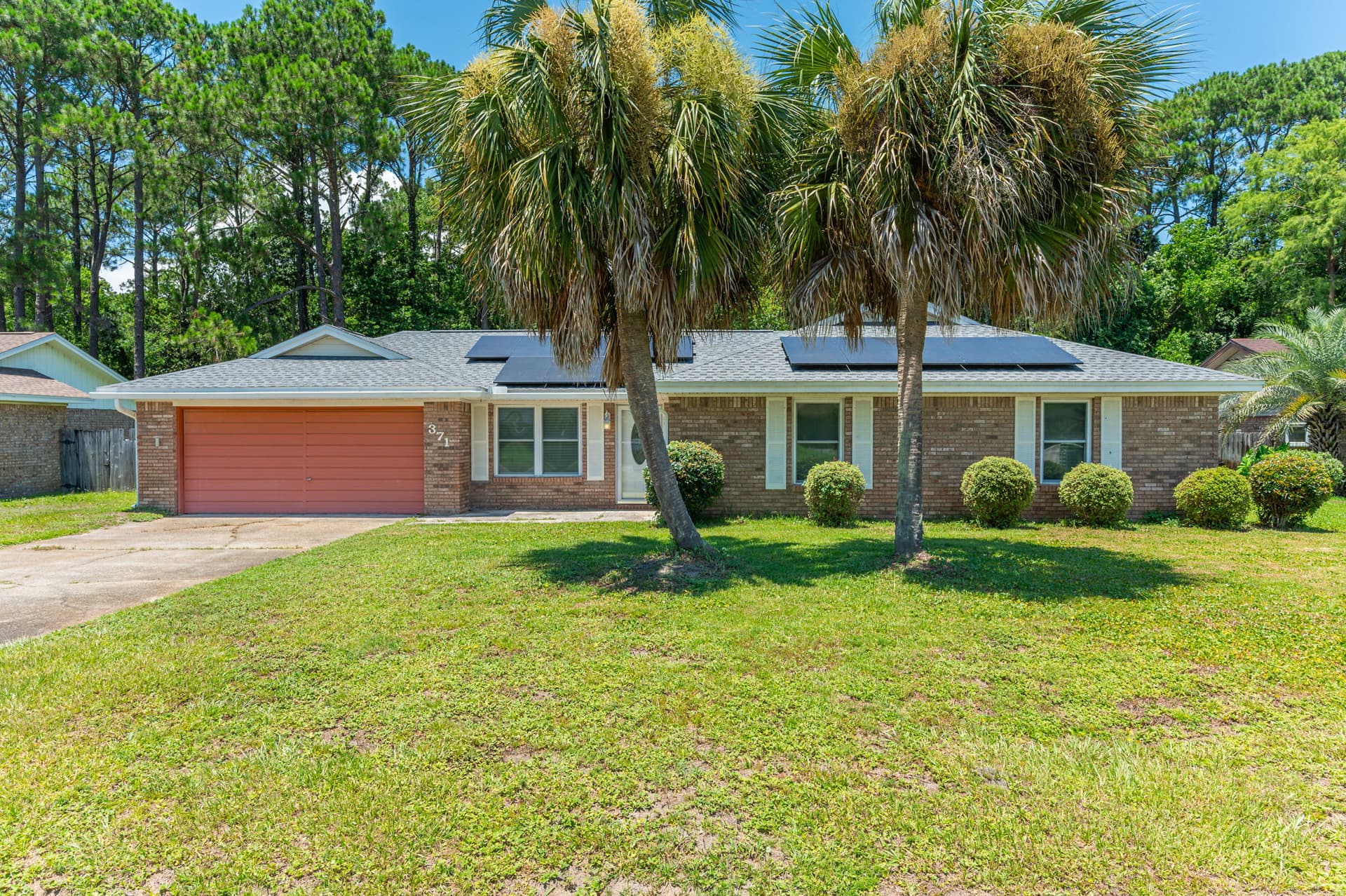
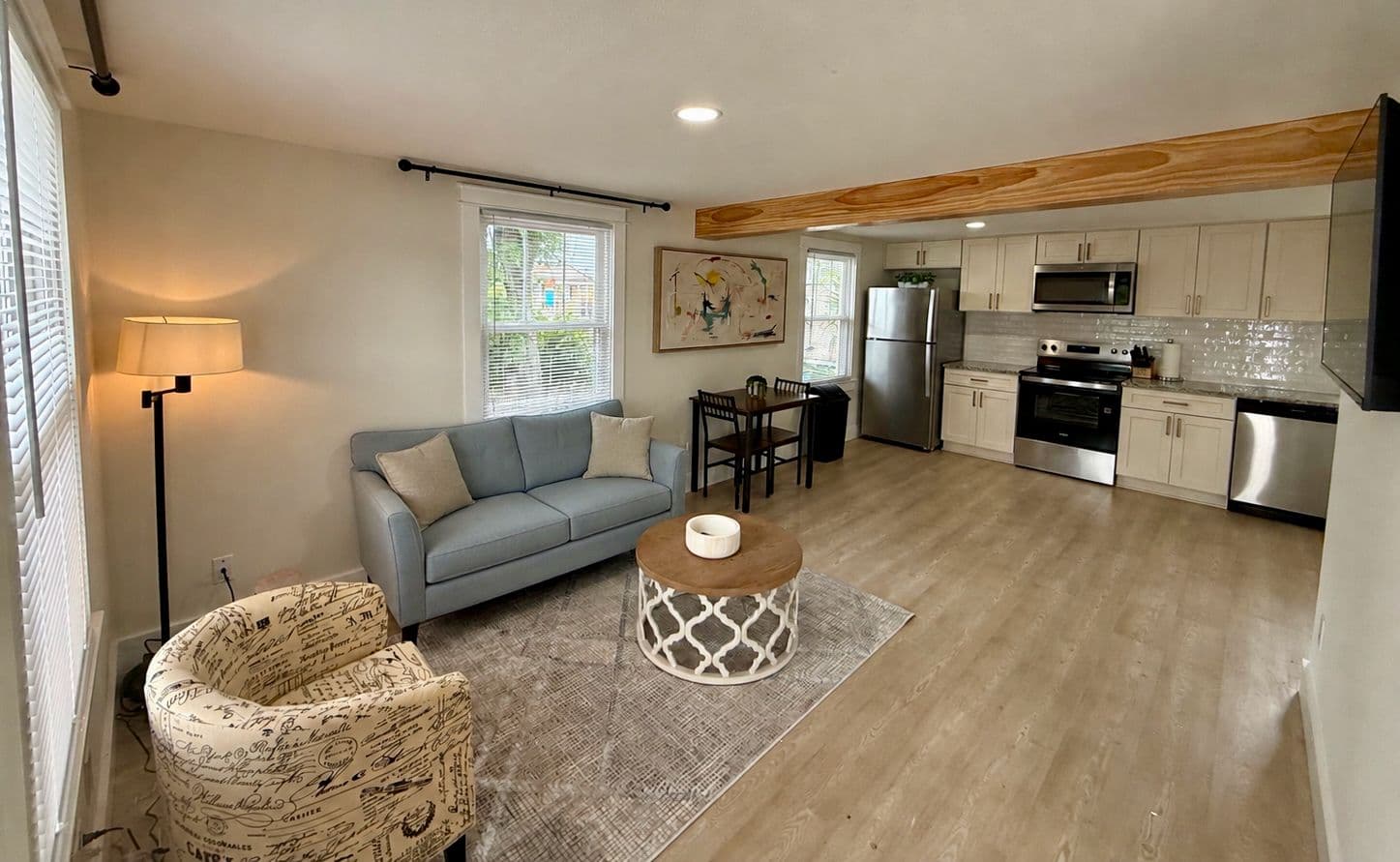
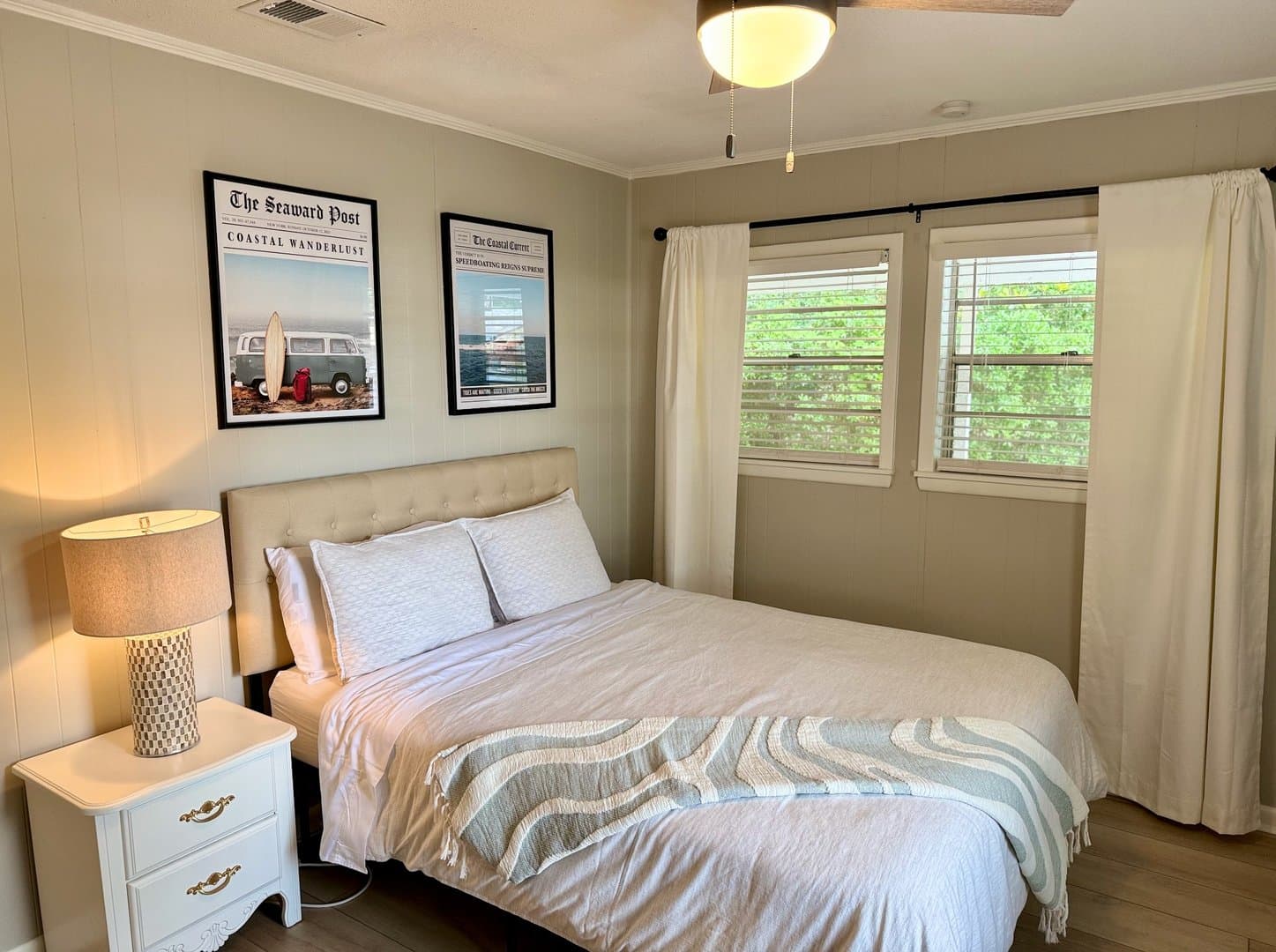
Photos should show the practical features that make the stay easier. Include the kitchen, bedrooms, workspace, laundry area, parking setup, exterior entrance, storage areas, and any fenced yard or pet-friendly space. Military guests often travel with gear, uniforms, training materials, laptops, children, pets, or a spouse, depending on the assignment. Clear photos help them decide whether the property fits the reality of the stay, not just whether it looks attractive.
The description should be direct, specific, and easy to scan. Instead of saying “close to base,” give realistic commute context, such as the approximate drive time to a common gate under normal conditions, while noting that traffic can vary. Instead of saying “fully stocked,” identify the items that matter: cookware, coffee maker, linens, blackout curtains, desk, high-speed internet, smart TV, and laundry. When a property is listed on TDY Hero, these details help the right military renter quickly understand whether the home matches the mission.
Use Per-Diem-Aware Pricing Without Undervaluing the Property
Owners who want to attract verified military tenants should understand how lodging per diem influences guest decisions. A military traveler may compare your monthly rate against the authorized lodging amount, local hotel options, and any required documentation for reimbursement. That does not mean every property must be priced at the maximum lodging rate or discounted to the lowest possible number. It means the pricing should make sense in the context of the assignment length, market, amenities, and included costs.
For a 30-, 60-, or 90-day stay, a simple monthly rate can be easier to evaluate than a nightly rate with multiple add-ons. If utilities, Wi-Fi, parking, trash, lawn care, and basic supplies are included, say so clearly. If there is a utility cap, explain it before booking. Military travelers are often trying to avoid surprises that could complicate their travel voucher or personal budget. Transparent pricing builds trust faster than a low headline rate followed by unclear fees.
TDY Hero gives owners a place to present furnished rentals in a way that aligns with military lodging searches. You can structure pricing for longer assignments, explain included services, and make it easier for guests to compare the real cost of staying in your home versus a hotel or generic short-term rental. The most competitive listing is not always the cheapest; it is the one that clearly shows value, comfort, documentation readiness, and predictable monthly cost.
Furnished options near Eglin and Hurlburt show this clearly, including TDY Lodging Near Eglin AFB & Hurlburt Field – 2-Bed Home by the Beach - DTS Approved.

Highlight Amenities That Solve TDY Problems
Military tenants often choose off-base housing because they want more than a bed and a bathroom. A furnished rental can provide a kitchen, laundry, privacy, space to decompress, and a more normal routine during a demanding assignment. To attract verified military tenants, your listing should focus on amenities that solve actual TDY problems, not just features that sound appealing in a vacation description.
The most important amenities usually include reliable high-speed Wi-Fi, in-unit laundry, a comfortable bed, a functional workspace, full kitchen equipment, dedicated parking, climate control, and a quiet sleep environment. Blackout curtains, ceiling fans, luggage racks, extra hangers, cleaning supplies, and a vacuum can make a long stay feel organized. If the property is suitable for roommates, include the number of beds, bathrooms, desks, and parking spaces. If it is better for a single traveler, couple, or family, make that clear.
Pet-friendly features can also matter, especially for PCS overlap or longer TDY assignments where a spouse or family may join at personal expense. A fenced yard, durable flooring, nearby walking areas, and clear pet policies can set a property apart. Owners should avoid vague claims and instead provide concrete details, such as whether there is a size limit, pet fee, or breed restriction. Practical clarity helps qualified guests self-select before they inquire.
Make Verification, Trust, and Communication Part of the Experience
Trust works both ways in military housing. Property owners want responsible guests, and military travelers want legitimate housing that will not create reimbursement problems or last-minute uncertainty. A platform focused on military travel can reduce friction by helping both sides start from a more relevant context. TDY Hero is designed for owners who want to reach military guests and for travelers who are searching for furnished lodging that fits temporary duty needs.
Your communication style should reinforce professionalism from the first message. Respond quickly, answer direct questions, and keep terms consistent with the listing. If a traveler asks about receipts, parking, lease dates, pet rules, or payment methods, a clear answer can make the difference between a booking and a lost lead. Military guests may be comparing multiple options under time pressure, especially when orders are issued close to the report date.
Owners should also set reasonable verification expectations. Depending on the booking process and platform tools, travelers may provide information that confirms the nature of their assignment or travel need. You should avoid asking for unnecessary sensitive documents outside appropriate channels, but you can still confirm dates, occupancy, payment timing, and the required receipt format. A professional process signals that the property is operated seriously and that the guest’s stay will be handled with care.
For owners weighing guest quality, this guide on whether military tenants are reliable can help set realistic expectations.
Offer Flexible Lease Terms for Changing Orders
One of the biggest differences between military tenants and traditional renters is that orders can change. A TDY start date can move, training can be extended, a class can be canceled, or a traveler can be reassigned. A rigid lease structure may protect an owner in some situations, but it can also discourage military guests who are trying to avoid financial risk tied to factors they do not control.
Flexible lease terms do not mean giving up all protection. Owners can define minimum stay requirements, deposit rules, cancellation windows, extension options, and early checkout policies. The key is to make those terms visible before booking. For example, a listing can explain whether a stay is month-to-month after the first 30 days, whether extensions depend on availability, and how much notice is needed if orders change. Clear policies reduce misunderstandings and protect both sides.
TDY Hero can help position a property for the realities of temporary duty travel by allowing owners to speak directly to the concerns military guests have. If your property is well suited for 30- to 120-day stays, say so. If the home can accommodate extensions when available, mention it. If the calendar fills quickly during training cycles, encourage early inquiries. Military travelers appreciate owners who understand that lodging is often planned around orders, not vacation preferences.

Prepare Receipts, Payment Expectations, and House Rules Before Booking
Documentation can be one of the most important differences between a casual short-term rental and a military-ready furnished rental. A TDY traveler may need a receipt that shows the guest name, property address or lodging location, dates of stay, nightly or monthly lodging cost, taxes or fees if applicable, payment confirmation, and a zero balance after payment. Requirements can vary by situation, so guests should always follow their unit, agency, DTS, and JTR guidance, but owners can still be prepared.
Payment expectations should also be clear. Some guests may use a Government Travel Card, while others may have specific payment timing based on travel authorizations or personal circumstances. Owners should state accepted payment methods, deposit timing, recurring billing schedule, and any fees before the reservation is finalized. Surprises around payment can create unnecessary stress for a guest who is already managing orders, travel, reporting instructions, and reimbursement rules.
House rules should be practical and military-friendly without being overly casual. Include quiet hours, smoking rules, parking instructions, trash pickup, pet rules, maintenance reporting, guest limits, and checkout expectations. For longer stays, explain how linens, yard care, pest control, air filter replacement, and mid-stay maintenance are handled. A complete but reasonable rule set helps attract guests who are comfortable with structure and reduces the chance of preventable issues during the stay.
Listings such as Hurlburt/Eglin TDY home minutes to Navarre and Pensacola Beach. 3bd 2 bath. All new furniture! can help owners see how practical details are presented for longer stays.
Improve Your Property Operations for Longer Stays
Attracting verified military tenants is not only a marketing task. The property itself must operate well for longer stays. A weekend guest may tolerate a small inconvenience, but a 60-day tenant will notice weak Wi-Fi, limited cookware, poor lighting, uncomfortable furniture, or inadequate storage. The more the rental supports daily life, the more likely it is to earn repeat inquiries, referrals, and strong reviews from military guests.
Owners should walk through the property as if arriving after a long travel day. The entry should be easy to access, the lock should work reliably, the thermostat should be simple to use, and basic supplies should be available. Bedrooms should have quality mattresses, blackout window coverings, and enough hangers. The kitchen should support real meals, not just reheating takeout. The laundry area should be clean, functional, and stocked with starter supplies.
Maintenance response is especially important for military guests because their schedules can be intense. A pilot training student, medical traveler, instructor, or contractor may not have time to chase a landlord for basic repairs. Owners should provide one clear maintenance contact, expected response times, and emergency instructions. When the rental feels organized and professionally managed, guests are more likely to view it as a dependable alternative to hotel living.

Market the Location by Commute, Convenience, and Daily Routine
A military traveler’s location decision is usually practical. Attractions and restaurants may matter, but commute time, gate access, grocery stores, gyms, childcare options, pet services, and medical care are often more important. To attract verified military tenants, describe the property’s location in terms of daily routine. A guest wants to know whether the home will make the assignment easier or add stress to an already structured schedule.
Use location details responsibly. Instead of guaranteeing a commute time, provide approximate drive times under normal conditions and recommend that guests check current traffic patterns for their report schedule. Mention proximity to major roads, common base gates, grocery stores, pharmacies, fuel, and fitness options. If the property is in a quieter neighborhood, explain that benefit. If it is closer to nightlife or commercial areas, note both convenience and potential noise considerations.
For families or longer stays, location context becomes even more important. A spouse may need access to remote work, schools, parks, pet care, or medical appointments. A solo traveler may prioritize a short commute, a quiet room, and easy meal prep. A group of military travelers may need multiple parking spaces and separate beds. TDY Hero helps owners present those practical location advantages to a military audience that is actively comparing off-base lodging options.
Location-focused examples include TDY Hurlburt Eglin - Downtown FWB Condo 2bed/2bath/office for travelers comparing commute, space, and daily routine.
Final Thoughts: Turn a Furnished Rental Into a Military-Ready Housing Option
Learning how to attract verified military tenants starts with understanding what those guests need: reliable housing, clear pricing, flexible terms, practical amenities, and documentation that supports the lodging process. A beautiful property can still underperform if the listing does not answer the right questions. A simpler property can win bookings if it is clean, well located, properly furnished, and easy to understand.
Owners who succeed in the TDY market usually treat their rental as a lodging solution, not just a furnished space. They build listings around commute, comfort, receipts, Wi-Fi, laundry, parking, and assignment length. They communicate clearly, prepare for date changes, and create policies that balance flexibility with protection. Those details help military guests feel confident before they book and comfortable after they arrive.
TDY Hero gives property owners a focused way to reach military travelers looking for off-base furnished rentals. By aligning the property, pricing, listing, and guest experience with real TDY needs, you can attract verified military tenants more consistently and build a rental operation that is better suited for long-stay military housing.