

Why House Rules Matter More in TDY Furnished Rentals
House rules for TDY furnished rentals do more than tell guests where to park or when quiet hours begin. They create the operating system for a temporary home that may host rotating military travelers for 30, 60, 90, or 120 days at a time. When rules are vague, every small issue becomes a judgment call. When rules are too harsh, responsible guests may avoid booking because the property feels unwelcoming or overly restrictive. The goal is to create a balanced standard: professional, clear, enforceable, and respectful of the realities of temporary duty travel.
Military guests are often different from weekend vacation renters. They may keep early mornings, work long days, study at night, travel with required gear, or share housing with classmates from the same course. They generally value predictability, privacy, reliable amenities, and a low-drama stay. That makes house rules especially important. A well-written rule set helps you protect furniture, utilities, neighbors, parking areas, and security systems while giving guests confidence that the home is organized and TDY-ready. Platforms such as TDY Hero help connect owners with this specific audience, but the listing still needs rules that match how military travel actually works.
If you are still deciding whether this niche fits your property, hosting military guests often works best when your rules match the longer, more predictable rhythm of TDY stays.

Start With the Guest Profile Before Writing Rules
The strongest house rules begin with a realistic understanding of who will stay in the property. A furnished rental near a flight training base, technical school, headquarters, medical facility, or joint command may attract very different booking patterns. Some guests arrive alone for a course. Others travel with a spouse, children, pets, or a roommate. Some are on short-notice orders and need a simple move-in process. Others are planners who compare commute time, workstation quality, kitchen setup, parking, and monthly cost before making a decision. Rules should account for these patterns instead of copying a generic vacation-rental template.
For example, a rule that says “no visitors at any time” may seem protective, but it can feel unrealistic for a guest staying two or three months. A more TDY-friendly approach is to define reasonable visitor limits, overnight guest procedures, parking limits, and responsibility for damage. Similarly, a checkout rule designed for a two-night vacation stay may not fit a 90-day furnished rental where the guest has used the kitchen, laundry area, closets, and workspace daily. Before writing house rules, you should identify the most likely guest type, average length of stay, shared versus private layout, pet policy, neighborhood constraints, and any HOA or municipal restrictions that must be honored.
Build Rules Around Clarity, Not Control
Clear rules are easier to follow than strict rules that leave guests guessing. The best house rules for TDY furnished rentals avoid emotional language, threats, and long lists of minor preferences. Instead, they explain what is allowed, what is not allowed, what requires approval, and what happens if a rule is ignored. A guest should be able to read the rules before booking and understand the practical expectations of living in the property. If a rule cannot be explained in plain language, enforced consistently, or tied to a real property risk, it may need to be rewritten.
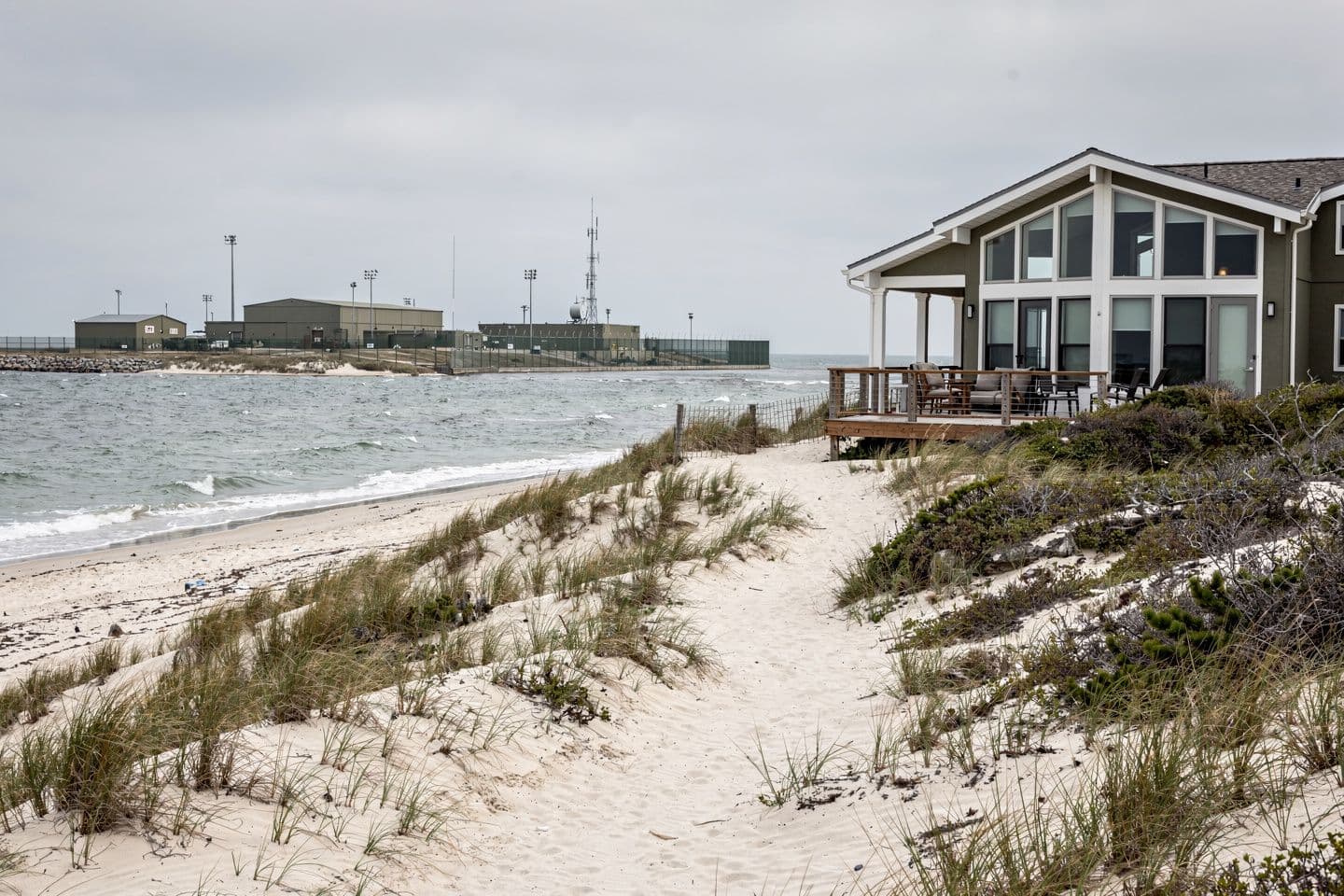
For owners comparing standards across markets, furnished options like TDY Lodging Near Eglin AFB & Hurlburt Field – 2-Bed Home by the Beach - DTS Approved show how a clear, professional presentation can still feel welcoming.
Control-based rules often create friction. Statements such as “do not touch the thermostat,” “no cooking with strong smells,” or “owner may enter at any time” can make a furnished rental feel less like temporary housing and more like supervised lodging. In contrast, clarity-based rules can protect the same interests without sounding unreasonable. For example, thermostat rules can specify acceptable temperature ranges, utility overage expectations, or instructions for using smart controls. Entry rules can state how much notice will be given for maintenance, emergencies, pest control, or inspections. TDY Hero listings perform best when owners communicate professionally and make the stay feel stable, not restrictive.

Cover the Essentials: Occupancy, Visitors, Parking, and Quiet Hours
Occupancy rules should state exactly who is approved to live in the rental during the stay. This is especially important for shared homes, crashpad-style arrangements, condos, townhomes, and properties governed by an HOA. A practical rule might say that only registered guests may occupy the home, all additional occupants require written approval, and the property’s maximum occupancy cannot be exceeded. This protects insurance coverage, utility usage, parking capacity, and neighbor relations. It also gives military travelers a clear process if a spouse visits, a family member arrives mid-stay, or a roommate changes due to orders.
Visitor and parking rules should be specific but not hostile. Many TDY guests will spend most of their time working, studying, commuting, and resting, but they may still host a friend for dinner or have family visit on a weekend. Rules can define visitor hours, overnight visitor approval, parking locations, garage use, street parking limitations, towing risks, and guest responsibility for visitors’ conduct. Quiet hours should reflect local ordinances, HOA standards, and neighbor expectations. A simple rule such as “quiet hours are 10:00 p.m. to 7:00 a.m.; no loud music, parties, or outdoor gatherings during this time” is easier to follow than a vague instruction to “be respectful.”
Set Smart Rules for Utilities, Wi-Fi, Thermostats, and Workspaces
Utilities can become a major source of tension in furnished TDY housing because most military guests prefer all-inclusive pricing. They do not want to open accounts for electricity, gas, water, trash, or internet during a temporary assignment. Owners, however, need protection from excessive usage. The best approach is to state what is included, whether any cap applies, how overages are calculated, and what normal use means. For example, you might include standard electricity, water, gas, trash, and high-speed internet, while reserving the right to bill for documented utility usage far above normal seasonal ranges.
Because utility expectations affect both guest satisfaction and owner margins, it is worth reviewing how to price a furnished rental for military TDY guests before deciding whether to use caps or all-inclusive pricing.
Wi-Fi rules should be treated as core housing rules, not an afterthought. Many TDY travelers need dependable internet for coursework, DTS tasks, remote communication, streaming, and family contact. State the network location, router reset process, support contact, and whether guests may modify equipment. Thermostat rules should focus on safe operating ranges, energy efficiency, and preventing HVAC damage. If the rental includes a desk, monitor, printer, or office chair, explain whether those items are included, how they should be cared for, and whether guests may move them. TDY Hero guests often look closely at amenities that support a productive long stay, so rules should preserve those amenities without making them difficult to use.
Protect Furniture, Kitchens, Laundry Areas, and Long-Stay Amenities
Furnished rentals wear differently than traditional unfurnished rentals. Guests use the sofa, bed, dishes, washer, dryer, desk, and cookware from day one. Over a 60- or 90-day TDY stay, small habits can create meaningful wear if expectations are unclear. Rules should explain reasonable care for furniture, linens, mattresses, appliances, cookware, flooring, and outdoor spaces. This does not require a long list of prohibitions. A concise standard can state that furniture must not be moved without approval, indoor furniture cannot be used outside, mattress protectors must remain on beds, and damaged or missing items may be charged after checkout.
Kitchen and laundry rules are especially important because they affect cleanliness, appliance life, and pest prevention. TDY guests often appreciate a full kitchen because it helps manage meal costs and maintain a normal routine. Rules should support that benefit while setting standards: clean dishes after use, do not pour grease down drains, run the garbage disposal properly, empty the lint trap after each dryer cycle, report appliance issues promptly, and remove expired food before checkout. These rules are not just about protecting the owner’s investment. They help each guest enjoy a functional, comfortable home and prevent maintenance problems during the stay.

Write Pet, Smoking, Firearm, and Safety Rules Carefully
Pet rules require precision because pet-friendly TDY housing can attract strong demand, but unclear pet policies can create damage, odor, noise, and insurance concerns. If pets are allowed, the rules should state approved pet types, number of pets, size limits if applicable, breed restrictions if required by insurance or HOA policy, pet fees or deposits, waste cleanup expectations, furniture restrictions, and leash requirements. If pets are not allowed, say so clearly and distinguish between pets and assistance animals in a manner consistent with applicable housing laws. Owners should avoid casual language that could be interpreted as discriminatory or inconsistent.
Pet and occupancy policies can vary by property type, so listings such as Hurlburt/Eglin TDY home minutes to Navarre and Pensacola Beach. 3bd 2 bath. All new furniture! and Luxury TDY Lodging Near Shaw AFB - Renovated Off-Base Townhouse in Sumter, SC are useful reference points for matching rules to the actual layout.
Smoking, vaping, candles, grills, firearms storage, and general safety rules should also be written with care. Many furnished rentals prohibit smoking or vaping anywhere inside the home, garage, or enclosed patio because odor remediation is expensive and disruptive. Fire rules may address candles, fire pits, grills, fireworks, and space heaters. If the property has a pool, balcony, garage, smart lock, security camera, or alarm system, rules should explain safe use and privacy boundaries. Rules related to firearms should align with federal, state, local, lease, insurance, and HOA requirements. When in doubt, you should obtain legal or insurance guidance before publishing rules in a listing or rental agreement.
Make Check-In, Maintenance, and Checkout Rules Easy to Follow
A smooth check-in experience is one of the simplest ways to set a professional tone. TDY guests may arrive after a long drive, a delayed flight, or a full day of in-processing. Rules should explain the check-in time, access method, smart lock code process, parking location, Wi-Fi information, trash day, mail policy, emergency contact, and any first-night essentials. If the guest needs to complete a condition report, submit identification, sign a rental agreement, or confirm payment details, that process should be simple and disclosed before arrival. Surprise requirements create frustration and can undermine trust.
Maintenance rules should encourage fast reporting without making guests feel responsible for normal repairs. Explain how to report issues, what qualifies as an emergency, how quickly you or the property manager usually respond, and when entry may be required. Checkout rules should fit the length of stay. A long-stay guest should not be expected to perform a hotel-level reset, but basic tasks are fair: remove personal belongings, take out trash, wash used dishes, return keys or garage remotes, leave linens in a designated place, and report damage. TDY Hero can help owners reach guests who value organized lodging, but a clear move-in and move-out process still plays a major role in guest satisfaction.

Put Rules in the Listing, Agreement, and Welcome Guide
House rules work best when they appear in more than one place. The listing should summarize the most important rules that influence booking decisions, such as pet policy, smoking policy, maximum occupancy, parking, utilities, minimum stay, and guest approval requirements. The rental agreement should include the enforceable version of the rules, including fees, deposits, damage responsibility, early departure terms, extensions, and compliance with local or HOA requirements. The welcome guide should translate those rules into daily instructions, such as where to place trash bins, how to operate the thermostat, and whom to call for maintenance.
A complete welcome guide is also easier to build when you look at practical TDY setups like TDY Hurlburt Eglin - Downtown FWB Condo 2bed/2bath/office, where work space, parking, access, and daily-use instructions all matter.
Consistency matters. If the listing says pets are allowed, but the agreement says no pets, disputes become more likely. If a platform message approves an extra guest, but the written agreement does not mention it, expectations can become unclear. Owners should review every guest-facing document at least twice a year and after any rule change. For listings on TDY Hero, clear rule summaries can help military travelers quickly decide whether the property fits their orders, schedule, family needs, and reimbursement situation. The more transparent the listing, the fewer unnecessary messages and mismatched inquiries you are likely to receive.
Final Thoughts: Fair Rules Make TDY Housing Easier to Book and Manage
The best house rules for TDY furnished rentals protect the property without making guests feel unwelcome. Military travelers often want the same things owners want: a predictable stay, a clean and functional home, clear expectations, and fast communication when something goes wrong. Rules should reduce confusion, not create barriers. If a rule supports safety, reimbursement clarity, neighbor relations, utility control, cleanliness, or property preservation, it belongs in the rule set. If it only reflects personal preference, it may be better left out or rewritten as a helpful request.
A strong TDY rental rule set is specific, consistent, and easy to understand before booking. It covers occupancy, visitors, parking, quiet hours, utilities, Wi-Fi, pets, smoking, maintenance, and checkout without overwhelming the guest. Owners who build rules around real military travel patterns can create a better experience and reduce avoidable disputes. TDY Hero gives property owners a focused way to reach military guests looking for furnished off-base housing, and well-written rules help turn those inquiries into successful stays. With the right balance, your rental can feel both professionally managed and genuinely livable.