What JTR-Approved Housing Standards Really Mean for Owners
Property owners often use the phrase “JTR-approved housing” to describe rentals that work well for military TDY travelers, but it is important to understand what that phrase does and does not mean. The Joint Travel Regulations, commonly called the JTR, do not create a universal certification program for every private furnished rental. Instead, the JTR sets rules for reimbursable travel expenses, lodging allowances, documentation, taxes, and traveler responsibilities. A rental that fits those requirements is not necessarily “approved” by a central agency, but it can be structured to support the traveler’s reimbursement process.
For an owner, the goal is to make the rental easy to book, easy to document, and easy to justify within the traveler’s authorized lodging allowance. That means transparent nightly or monthly pricing, clear receipts, a legitimate lodging address, defined lease dates, and terms that align with TDY realities. Military guests may use DTS, a Government Travel Card, or unit-specific administrative guidance, so your listing needs to reduce confusion rather than create extra questions.
A compliant approach also protects you. When a rental is marketed accurately, priced clearly, and supported with professional documentation, guests are less likely to request corrections after move-in or after voucher submission. TDY Hero helps owners present furnished rentals to military travelers in a way that reflects the lodging details those travelers typically need before booking.
If you are still tightening up photos, amenities, and booking details, this guide on how to make your short-term rental stand out can help you present those basics more clearly.
The phrase “JTR-approved housing standards” should therefore be treated as a practical standard, not a marketing shortcut. You are not promising automatic reimbursement or official government endorsement. You are preparing a lodging option that is safe, documented, fairly priced, and compatible with the way TDY travelers must file expenses.

Start With a Legitimate, Furnished Lodging Setup
A TDY-friendly rental should function as complete temporary lodging from the first night. Military travelers are often arriving after training, travel delays, or a long drive, and they may not have time to buy basics immediately. A compliant rental experience starts with a clean, furnished space that includes beds, linens, seating, cookware, dishes, appliances, reliable internet, and access to laundry or a clearly disclosed laundry alternative.
The property should be used and described as lodging, not as an informal spare room arrangement with unclear boundaries. If the guest is renting an entire home, private apartment, condo, or defined room in a shared housing setup, the listing should say so plainly. Shared kitchens, shared bathrooms, assigned parking, quiet hours, and bedroom assignments should be explained before the guest books. Ambiguity creates problems when a traveler needs to show that the expense was for lodging.
Owners should also confirm that the property may legally be rented for the intended stay length. Local rules may treat nightly rentals, 30-day furnished rentals, and longer mid-term rentals differently. Some cities, counties, homeowners associations, condominium associations, and apartment communities restrict furnished rentals or require registration. JTR compatibility does not override local law, private covenants, or building rules.
Before advertising to TDY guests, you should verify that the property can be rented for common TDY durations such as 30, 60, 90, or 120 days. TDY Hero can help the right audience find the property, but owners are responsible for making sure the rental itself is lawfully available and accurately represented.
Build Pricing Around Per Diem Without Promising Reimbursement
Pricing is one of the biggest factors in whether a rental feels workable for TDY travelers. The lodging portion of per diem varies by duty location, season, and official guidance, and travelers may have a maximum lodging allowance that differs from what a vacation renter is willing to pay. If your rental is significantly above the applicable lodging rate, the traveler may need approval for additional costs or may have to pay the difference personally.
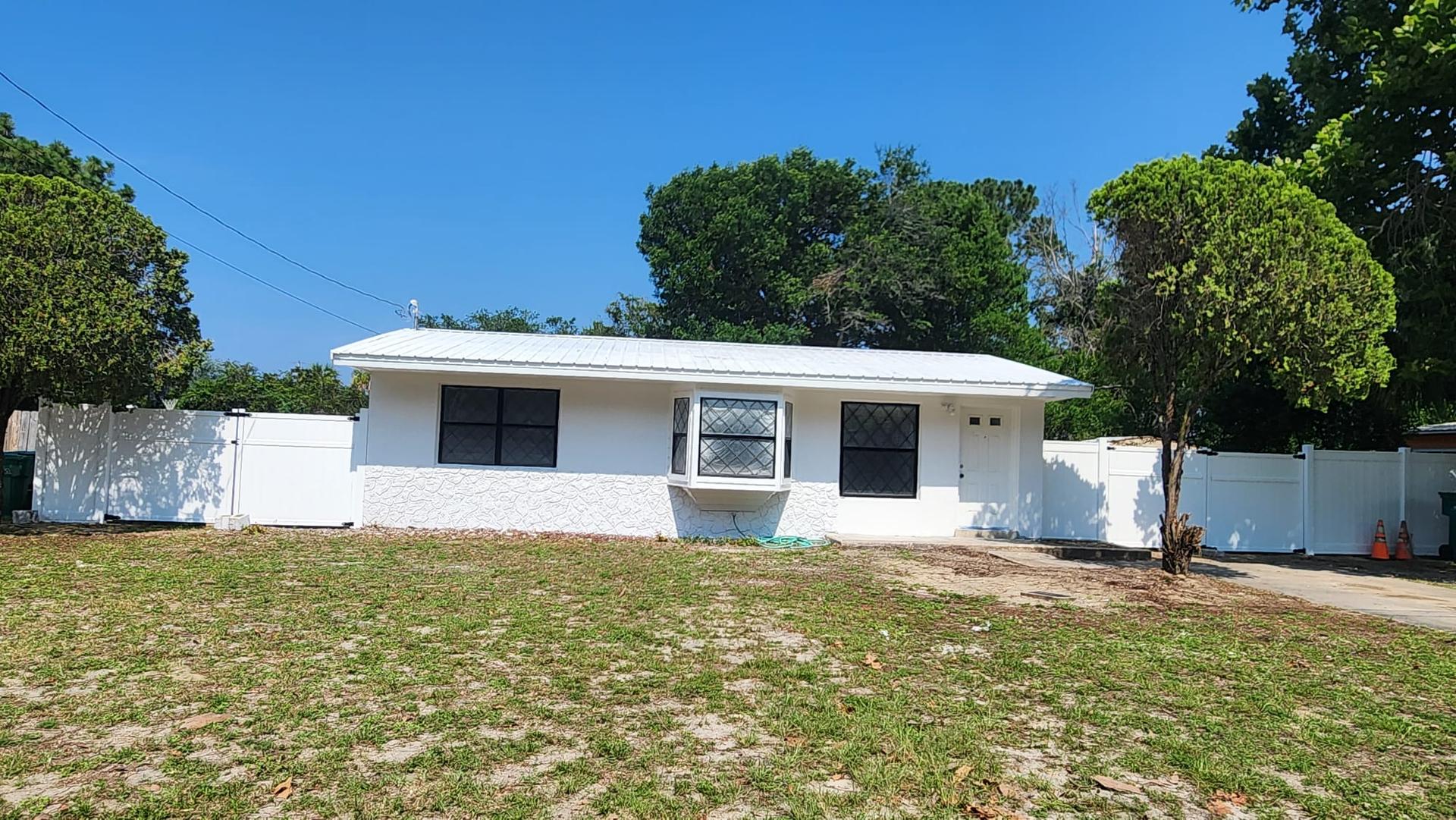
Furnished options near Eglin and Hurlburt show how owners can frame practical TDY lodging, including TDY Lodging Near Eglin AFB & Hurlburt Field – 2-Bed Home by the Beach - DTS Approved.
Owners should research the applicable locality rate before setting a TDY rate, but they should avoid guaranteeing reimbursement. The traveler’s orders, authorization, command guidance, availability of government quarters, and documentation all affect payment. A better approach is to advertise pricing that is “per-diem friendly” or “within common local lodging allowance ranges” only when that statement is accurate for the dates and location.
Monthly pricing should also be converted into a daily equivalent so travelers can compare it against their lodging allowance. For example, a 30-day monthly rate, cleaning fee, pet fee, parking charge, and required utility fee may together exceed what the traveler expected. If the guest needs to claim lodging on a daily basis, the receipt should make the lodging charges easy to understand.
Transparent pricing reduces friction. List rent, deposits, cleaning fees, pet fees, utility caps, parking charges, and taxes separately where possible. TDY Hero gives owners a military-focused place to present pricing details to travelers who are already thinking in terms of per diem, orders, and reimbursement documentation.

Provide Receipts That Work for DTS and Voucher Review
A rental can be comfortable and fairly priced, but if the paperwork is weak, the guest may still run into reimbursement delays. TDY travelers commonly need a final lodging receipt that shows the guest name, lodging provider name, property address or lodging location, dates of stay, nightly or monthly rate, taxes, fees, amount paid, payment method, and a zero balance or proof of payment. The receipt should look professional and be easy to match to the traveler’s authorization.
Owners should avoid vague receipts that say only “housing,” “rent,” or “deposit” without dates and lodging details. Voucher reviewers need to see what was charged and when the stay occurred. If the guest paid in installments, each payment should be documented, and the final receipt should show how those payments were applied. If a refund, credit, or date change occurs, the updated receipt should be issued promptly.
Deposits deserve special attention. A refundable security deposit is usually not the same as a lodging expense, and it should be labeled separately from rent. Cleaning fees, pet fees, parking, and lodging taxes should also be itemized when applicable. If a charge is optional or personal in nature, the guest may need to know that before deciding whether to book.
The best practice is to create a receipt template before accepting TDY bookings. That template should include all standard fields and enough flexibility to adjust for extensions, early departures, split payments, and tax-exempt situations where legally applicable. A well-prepared owner is far less likely to receive urgent documentation requests after the guest has already checked out.
Seeing how other markets describe commute, neighborhood, and furnished-rental details in a TDY housing guide near Hill AFB can also help owners think through what travelers need before they book.
Make Payment Terms Compatible With Military Travel Realities
Many TDY travelers use a Government Travel Card for lodging, while others may pay through a personal card and seek reimbursement later. Owners who accept card payments, bank transfers, or platform payments should explain the available methods before booking. If certain payment methods carry processing fees, those fees should be disclosed clearly and included in the guest’s cost comparison.
Military travel can change quickly. Orders may shift, report dates may move, or a schoolhouse schedule may be extended. A rental does not need to offer unlimited flexibility, but TDY-friendly terms should account for realistic administrative changes. Owners should define cancellation deadlines, extension rules, early departure policies, and how unused rent is handled if official orders change.
The strongest terms are specific. Instead of saying “flexible for military,” state the number of days of notice required, whether documentation is needed, how refunds are calculated, and whether the guest has priority to extend. If you offer month-to-month extensions, note whether the rate changes after the original term. If the unit may be booked by another guest immediately after the stay, explain that extensions depend on availability.
Clear payment terms also help prevent disputes. A guest who understands the deposit, first payment due date, recurring payment schedule, and refund policy can make a better lodging decision before arrival. TDY Hero listings that communicate these details clearly are more useful to travelers comparing off-base furnished rentals against hotels, temporary lodging facilities, and other options.
Meet Safety, Habitability, and Basic Quality Expectations
JTR compatibility is not only about receipts and per diem. A rental must also be a reasonable place to live during an official assignment. Owners should treat safety and habitability as baseline requirements. Working smoke detectors, carbon monoxide detectors where appropriate, secure locks, safe electrical systems, functioning plumbing, climate control, and clean sleeping areas are not optional amenities for TDY housing.
The property should also support a predictable work routine. Fast Wi-Fi, a desk or usable work surface, adequate lighting, comfortable seating, and quiet sleeping conditions matter to travelers who may have early report times, night shifts, or study requirements. A rental that looks attractive online but fails on internet reliability or basic comfort can create a serious problem for a guest on a demanding schedule.
Maintenance responsiveness is another quality signal. Owners should provide a clear process for reporting issues and a realistic timeline for repairs. Emergency items, such as no heat in winter, no air conditioning in extreme heat, water leaks, lock failures, or unsafe conditions, need immediate attention. Non-urgent repairs should still be acknowledged promptly so the guest knows the issue is being handled.
A written move-in checklist can help both parties. Document furniture condition, appliances, keys, remotes, parking passes, garage access, and utility instructions. This reduces confusion at checkout and supports a professional lodging experience. TDY guests are often careful renters, but they still need the structure of a well-managed property.
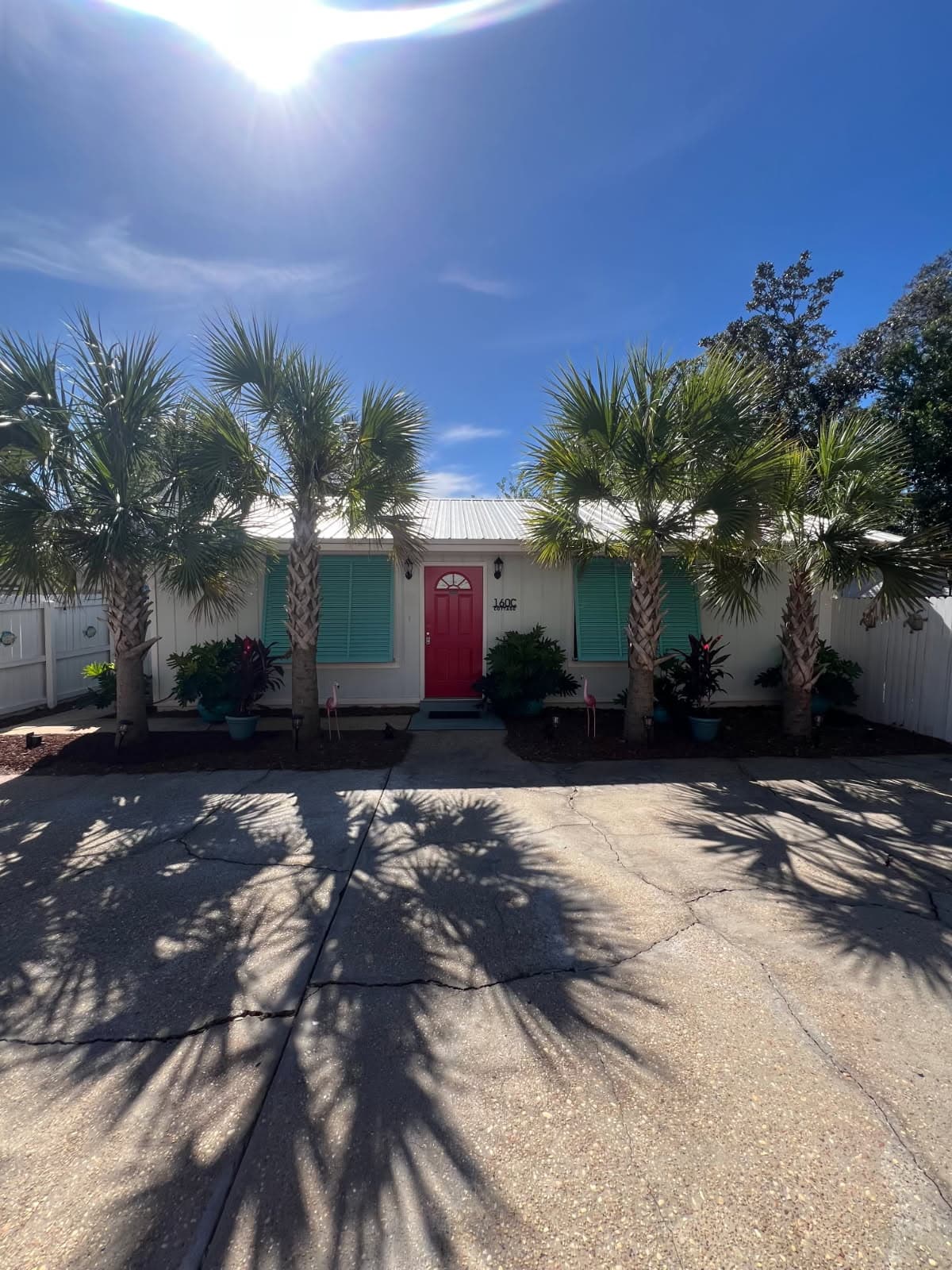
Examples of TDY-ready furnished homes include Hurlburt/Eglin TDY home minutes to Navarre and Pensacola Beach. 3bd 2 bath. All new furniture! and TDY Hurlburt Eglin - Downtown FWB Condo 2bed/2bath/office.

Disclose House Rules, Shared Spaces, Pets, and Parking Before Booking
Disclosure is a key part of making a rental compatible with military travel. TDY guests usually compare multiple options quickly, and they need to know whether a property fits their orders, schedule, family situation, pets, and vehicle needs. If a rule would materially affect the stay, it should appear in the listing or pre-booking message, not in a surprise binder after arrival.
Parking is especially important near bases where guests may drive daily, carry gear, or leave early in the morning. Owners should state whether parking is garage, driveway, assigned lot, street, covered, gated, or first-come, first-served. If there are vehicle size restrictions, permit requirements, towing rules, or limits on trailers, disclose them. A traveler with an early report time cannot afford daily parking uncertainty.
Pet rules should be specific as well. If pets are allowed, list size limits, breed restrictions if legally enforceable in the area, number of pets, pet rent, pet deposits, cleaning expectations, yard rules, and nearby walking limitations. If pets are not allowed, say so clearly. Do not imply flexibility if the HOA, lease, or insurance policy prohibits animals.
Shared spaces require even more clarity. If guests share a kitchen, laundry room, bathroom, living room, or driveway, the listing should explain how those areas work. TDY crashpad-style arrangements can work for some travelers, but others need private lodging because of schedule, family, privacy, or reimbursement preferences. Accurate disclosure helps the right guest book the right property.
Align Lease Language With TDY Stays and Official Documentation
A TDY rental agreement should be plain, professional, and consistent with the listing. It should identify the parties, property address, stay dates, rent, due dates, included utilities, deposits, fees, cancellation policy, extension terms, house rules, occupancy limits, pet terms, maintenance process, and checkout expectations. The agreement does not need to be complicated, but it should avoid vague language that leaves basic lodging terms open to interpretation.
Owners should be careful with wording that suggests official government approval. Phrases such as “guaranteed reimbursable,” “DoD approved,” or “official JTR certified” can create unrealistic expectations unless there is a specific, verifiable basis for the claim. It is safer and more accurate to say the rental provides itemized receipts, defined lodging dates, clear pricing, and terms designed for TDY travelers.
Utility language should also be specific. Many TDY guests prefer all-inclusive rent, but owners may use a reasonable utility cap to prevent misuse. If there is a cap, state the dollar amount, billing period, included services, and how overages are calculated. Internet, electricity, water, gas, trash, landscaping, pest control, and streaming services should not be left to assumptions.
For longer stays, include what happens if orders are extended. Does the guest have first right to extend before the calendar opens to another renter? Is the extension billed at the same monthly rate or a new rate? How much notice is required? These details make the rental easier to use for real TDY assignments, where end dates can change.
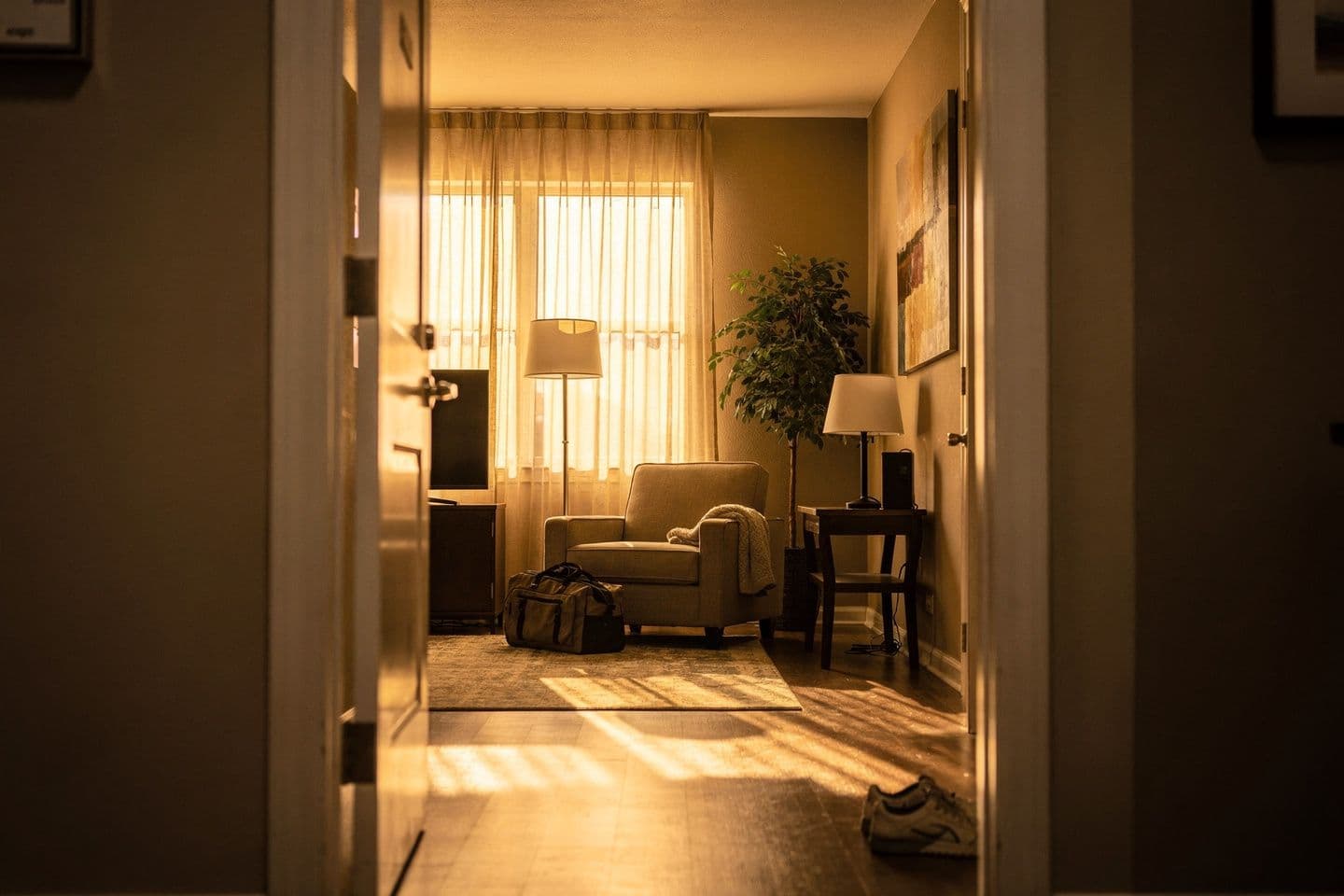
For larger groups or longer stays, a furnished option like Welcome to the Beautiful SunDown Home in Navarre! All new furniture! shows why extension terms, utilities, and house rules should be easy to understand up front.

Prepare for Taxes, Exemptions, and Local Lodging Rules
Taxes can be one of the most confusing parts of TDY lodging. Depending on the jurisdiction, short-term lodging taxes, occupancy taxes, sales taxes, or tourism-related taxes may apply. Some stays may become exempt after a certain number of nights, while others may require tax collection from the first day. Local rules differ widely, so owners should not assume that military status automatically eliminates taxes.
In some locations, government travelers may qualify for specific tax treatment only if the payment method, form, or billing arrangement meets state or local requirements. In other places, lodging taxes remain reimbursable rather than exempt. The owner’s responsibility is to understand local collection obligations and issue receipts that accurately show the taxes charged or not charged.
If you advertise to TDY travelers, keep tax handling consistent and documented. Do not remove taxes casually because a guest asks, and do not charge taxes that local rules clearly do not require. When in doubt, consult a local tax professional, city revenue office, or state tax authority. Incorrect tax handling can create problems for both the owner and the guest.
TDY Hero can connect your property with military travelers, but it does not replace local legal or tax advice. Owners should maintain proper licenses, registrations, tax accounts, and records for the type of rental they operate. A truly professional TDY rental is compliant locally as well as useful for federal travel documentation.
Final Thoughts: Compliance Is About Clarity, Documentation, and Trust
Making a rental compliant with JTR-approved housing standards is less about earning a single label and more about building a lodging experience that supports the military traveler’s process. You need a legitimate furnished property, transparent pricing, professional receipts, safe living conditions, clear rules, and terms that recognize how TDY travel actually works.
Owners who take these steps are easier for travelers to trust. A guest comparing rentals may choose the property that clearly lists the rate, included utilities, parking, pet terms, cancellation policy, and receipt details over one that looks attractive but leaves reimbursement questions unanswered. In the TDY market, clarity is a competitive advantage.
The best results come from preparing the property before the first inquiry. Build a receipt template, review local rules, set per-diem-aware pricing, write a clean rental agreement, and document the property condition. Then present the rental where military travelers are already looking for off-base furnished housing.
TDY Hero gives owners a focused platform for reaching TDY and PCS guests who value furnished, practical, well-documented lodging. When your rental is safe, transparent, and organized around the needs of official travel, it is better positioned to serve military guests and operate smoothly for every stay.