Why Long-Term TDY Stays Create Different Wear Patterns
Long-term TDY guests usually treat a furnished rental differently than weekend vacationers. They are not in town for sightseeing, parties, or constant turnover. They are typically reporting to training, temporary duty, a schoolhouse, a unit, or a government worksite, which creates a steadier daily rhythm. That rhythm can be good for property owners because it often means fewer check-ins, fewer cleanings, and less unpredictable behavior. However, it also concentrates everyday use on the same furniture, appliances, linens, floors, and work areas for 30, 60, 90, or even 120 days at a time.
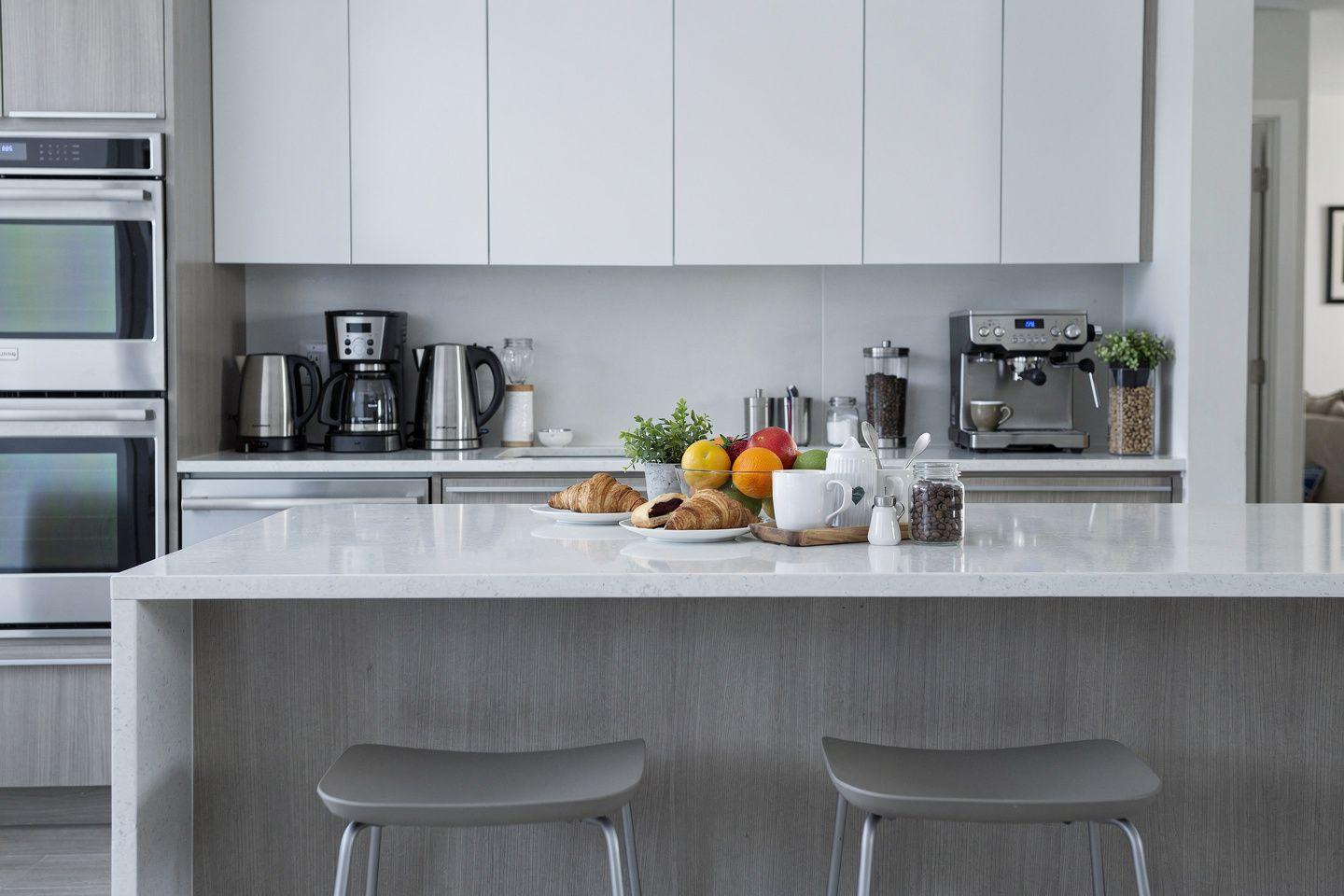
To reduce wear and tear TDY guests may cause, owners should think less like vacation-rental hosts and more like operators of a furnished mid-term home. A guest who cooks most nights will put more demand on cookware, cabinets, countertops, and garbage disposal systems than a two-night visitor. A guest who studies or works from the rental will use desk chairs, Wi-Fi equipment, lighting, and climate control for longer periods. A guest with early report times may run laundry at predictable intervals and use the bathroom heavily before dawn. None of this is unusual or problematic, but it requires planning.
The advantage for owners is that TDY guests often value clean, practical, well-maintained housing over flashy décor. A durable, comfortable rental can perform better than a fragile, highly staged property. TDY Hero helps connect property owners with military travelers who need furnished, assignment-friendly housing, but the property still needs to be set up for real daily living. The better the home is designed for repeated long stays, the easier it becomes to preserve condition, control repair costs, and earn strong reviews.
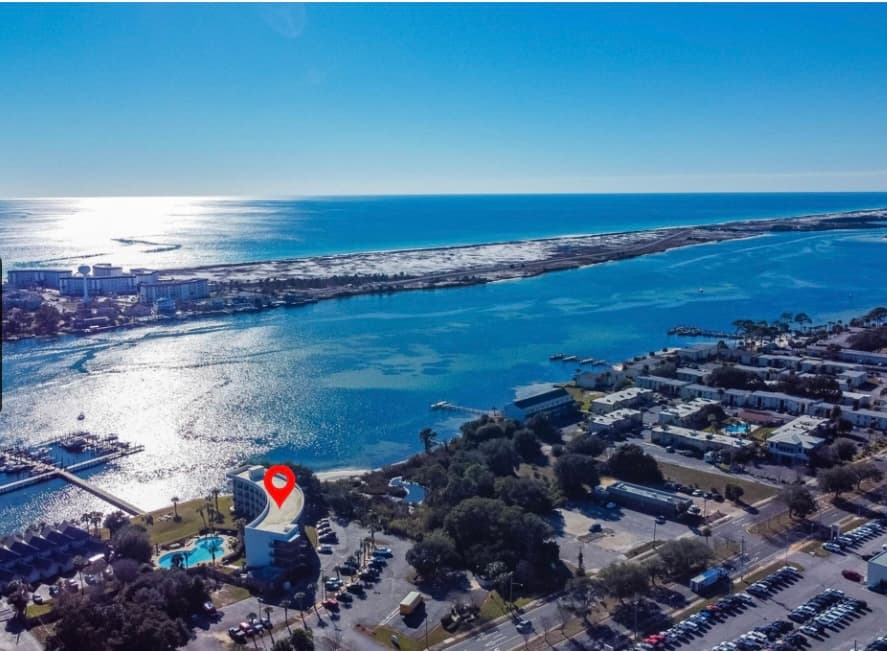
For owners comparing real-world setups, furnished options like TDY Lodging Near Eglin AFB & Hurlburt Field – 2-Bed Home by the Beach - DTS Approved show how practical comfort can work for longer assignments.

Start With Durable Furnishings Instead of Delicate Décor
Furniture choices have one of the biggest impacts on long-term rental wear. A furnished home that looks attractive online but depends on lightweight particleboard, pale upholstery, glass-heavy surfaces, or fragile decorative pieces may deteriorate quickly under normal daily use. TDY guests need a place to sleep well, eat comfortably, store belongings, and decompress after duty hours. They usually do not need fussy accent furniture that is difficult to clean or easy to damage.
Owners should prioritize commercial-grade or contract-grade pieces where possible, especially for sofas, dining chairs, bed frames, desks, and nightstands. A solid wood or metal bed frame will usually outperform a low-cost platform bed with weak center supports. Dining chairs should be easy to wipe down and sturdy enough for daily meals, laptop work, and repeated movement. Sofas should have performance fabric, removable cushion covers, or leather-like materials that can handle spills and frequent sitting without showing immediate wear.
This does not mean the property should feel sparse or institutional. A warm, comfortable rental can still be practical. Area rugs, throw pillows, framed art, lamps, and coordinated bedding can make the home inviting, but those items should be affordable to replace and easy to clean. Avoid irreplaceable décor, sentimental items, high-maintenance textiles, and delicate furniture legs that loosen quickly. When owners list on TDY Hero, clear photos of durable, functional spaces can appeal to guests who are comparing housing for a longer assignment rather than a short vacation.
A useful rule is to furnish for the length of the stay, not for the first impression alone. If an item would be annoying to clean, difficult to repair, or expensive to replace after one accidental spill, it may not belong in a long-term TDY rental. Durable furnishing choices reduce service calls, prevent disputes, and help the home feel consistently guest-ready.
If you host multiple assignments each year, this same durability mindset also applies to preventing wear and tear across repeated TDY stays.
Protect Floors, Entry Points, and High-Traffic Areas
Floors often show the first signs of long-term occupancy. TDY guests may come and go daily in work shoes, carry luggage and equipment through hallways, cook frequently, and use the same entry point for months. Even careful guests can create scuffs, dirt trails, carpet compression, and scratches in predictable areas. Owners can reduce wear by reinforcing those areas before the stay begins.
Hard-surface flooring is generally easier to maintain than carpet in a furnished TDY rental, especially in living rooms, dining spaces, and hallways. Luxury vinyl plank, tile, sealed concrete, and durable laminate tend to handle rolling luggage, pet traffic, and frequent cleaning better than light carpet. If carpet is already installed, darker neutral tones, scheduled professional cleaning, and protective runners in hallways can help. Entry mats should be placed both outside and inside the main door, and a washable rug near the entry can capture dust, sand, mud, or winter salt depending on the market.
Owners should also think about furniture movement. Felt pads under chair legs, sofa feet, bed frames, and dining tables are inexpensive but valuable. Dining chairs should have pads checked between guests because they often wear down or fall off. A luggage bench in each bedroom can prevent guests from placing heavy bags on beds, dressers, or upholstered furniture. Wall-mounted hooks near the entry can reduce the chance of coats, bags, or keys being tossed onto fragile surfaces.
High-traffic protection should feel natural, not restrictive. A guest should not feel as though every step is monitored. Instead, the property should guide behavior through convenience. When shoe storage, luggage racks, hooks, mats, and durable flooring are already in place, guests are more likely to use the home in ways that protect it. Those small choices can make a major difference across repeated TDY bookings.

Use Linens and Bathroom Supplies That Can Handle Long Stays
Linens are a hidden wear-and-tear category because they are used constantly, washed often, and judged closely by guests. Long-term TDY travelers may wash towels and sheets weekly or more often, especially in humid climates, hot training locations, or rentals with shared laundry schedules. Low-quality towels can become rough, discolored, or thin quickly. Cheap sheets may pill, tear, or lose elasticity after a few rotations. A smart linen system protects the guest experience and the owner’s replacement budget.
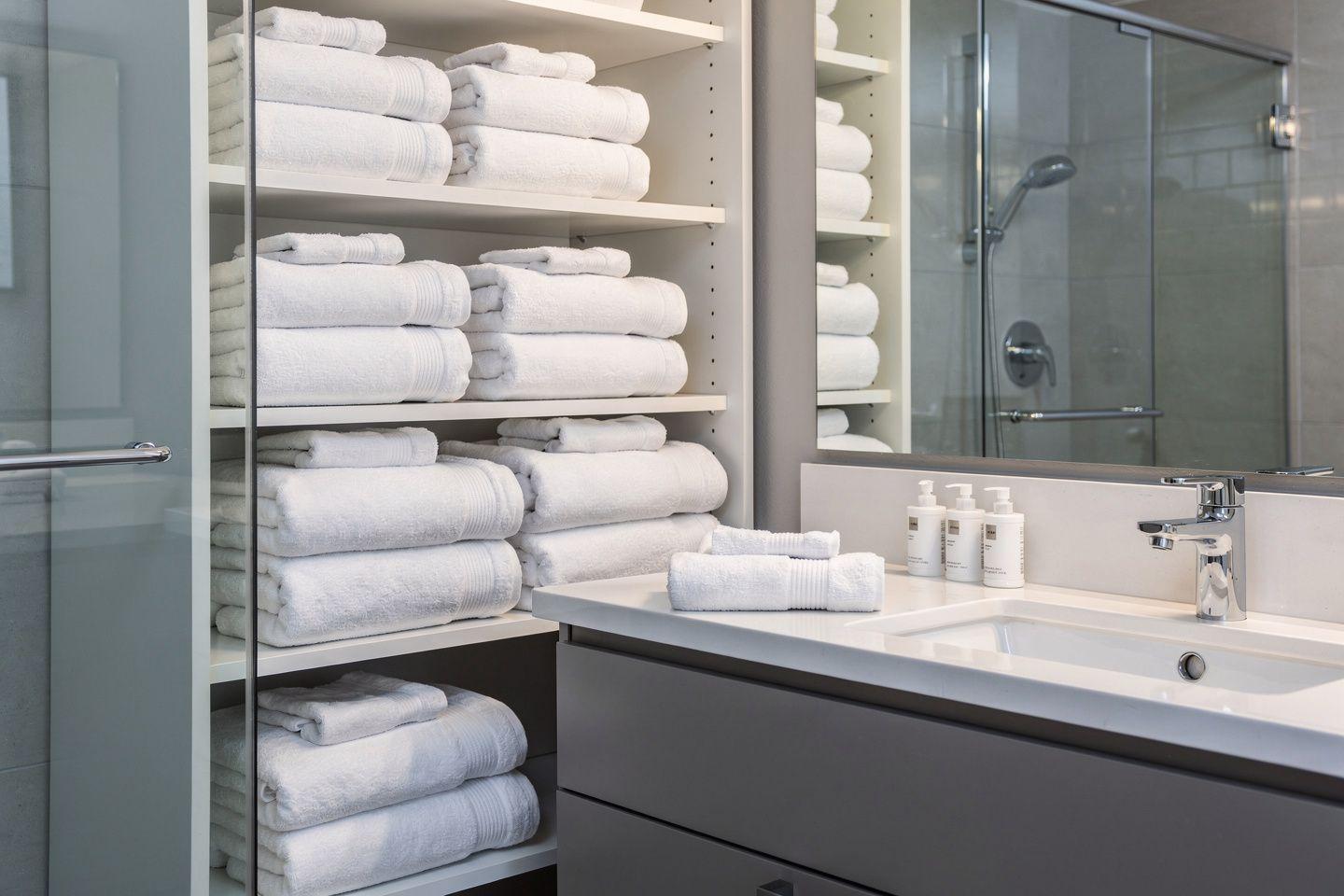
Owners should use hotel-style white or neutral linens that can be bleached or treated consistently, but they should avoid ultra-thin bargain products. Midweight towels, extra washcloths, mattress protectors, pillow protectors, and two full sheet sets per bed are practical baseline items. Mattress and pillow protection is especially important because a single unprotected incident can be much more expensive than replacing linens. Waterproof, breathable protectors help prevent sweat, spills, allergens, and accidental stains from reaching the mattress.
Bathrooms deserve special attention because they combine water, humidity, toiletries, cleaning products, and daily routines. Durable towel bars, hooks, shower curtain liners, bath mats, and shelving reduce clutter and prevent moisture problems. Owners should avoid flimsy over-the-door racks that scratch paint or doors. A clean linen shelf with folded towels, extra toilet paper, and clearly organized supplies helps guests understand what is available without rummaging through cabinets.
A long-term guest will notice if the bathroom is easy to keep clean. Good ventilation, mold-resistant caulk, washable bath mats, and simple storage can prevent small issues from becoming maintenance problems. TDY Hero listings that show clean, functional bathrooms and organized linen storage can build confidence with military travelers who need a dependable place for more than a few nights.
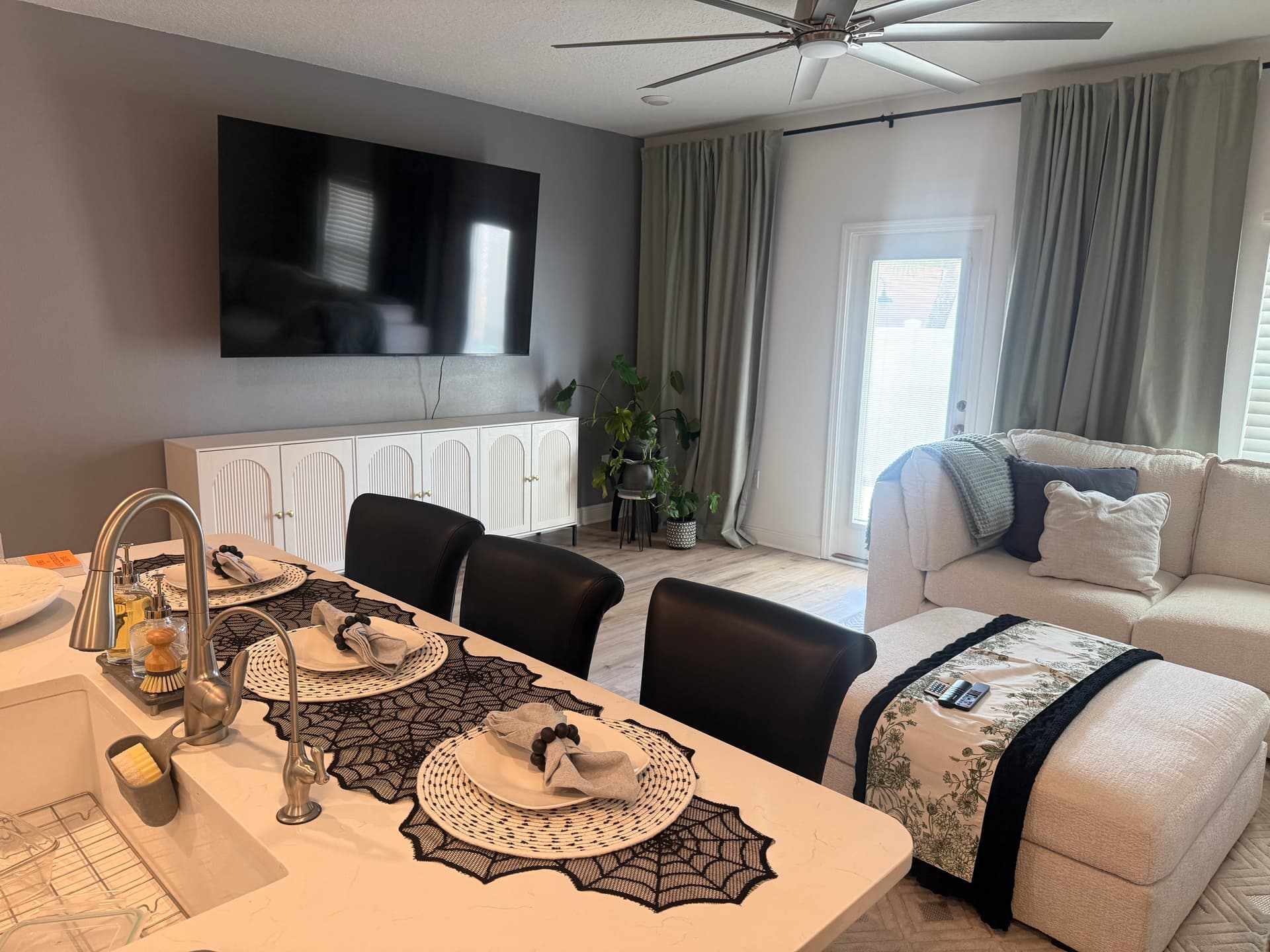
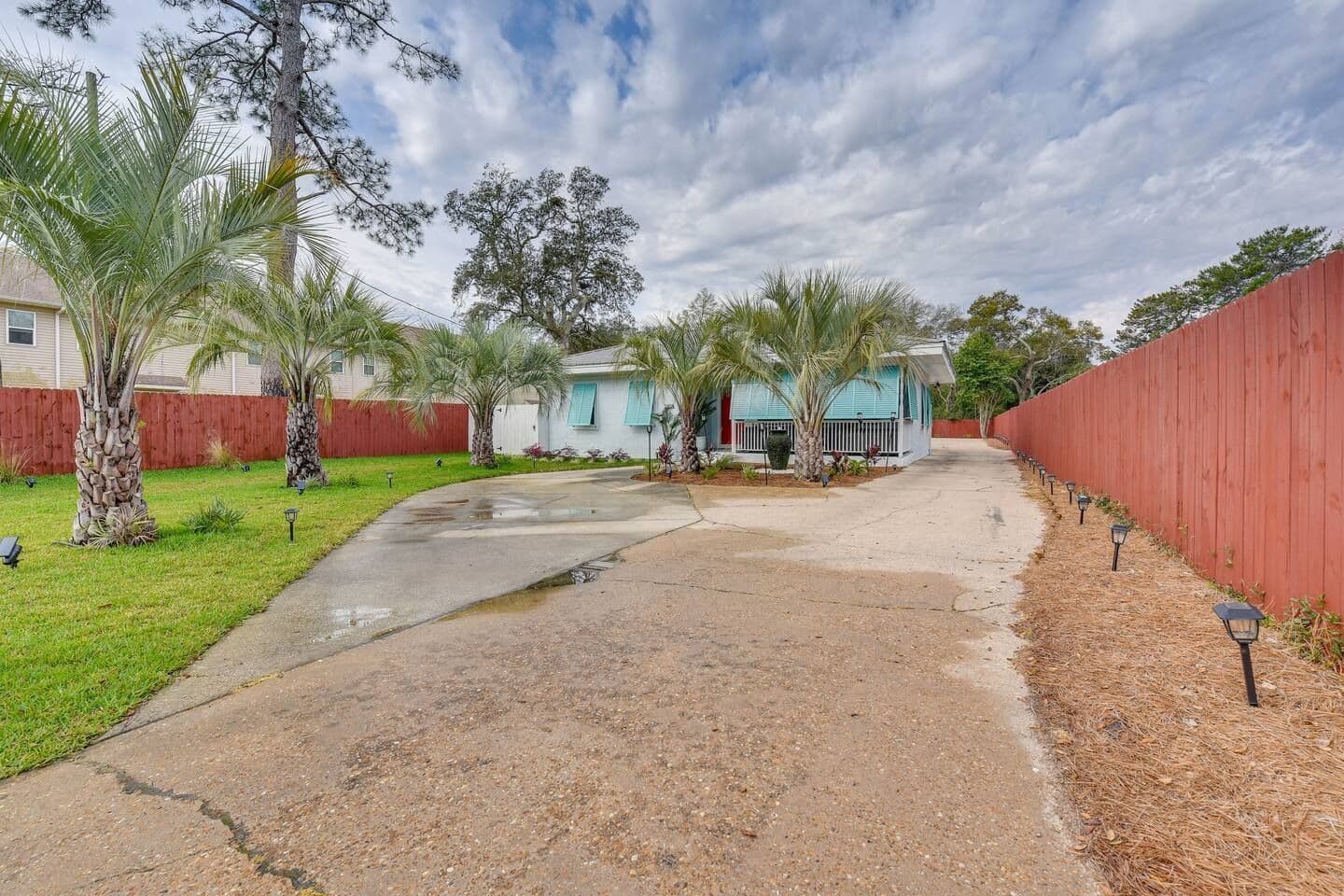
Properties such as Hurlburt/Eglin TDY home minutes to Navarre and Pensacola Beach. 3bd 2 bath. All new furniture! can give owners useful ideas for presenting clean, functional living spaces without overcomplicating the setup.
Set House Rules Around Daily Living, Not Vacation Behavior
House rules for long-term TDY guests should be clear, practical, and respectful. Overly strict rules can make a furnished rental feel uncomfortable, while vague rules can lead to misunderstandings. The goal is not to control every habit; it is to set expectations that protect the home during normal daily living. Rules should cover the categories most likely to affect wear and tear: smoking, pets, trash, parking, laundry, thermostat use, guests, maintenance reporting, and move-out condition.
A strong rule set uses plain language. Instead of writing a long legal-style document that guests may ignore, owners should create a concise house guide with direct expectations. For example, state whether shoes should be removed on carpeted areas, where trash and recycling go, how often landscaping service occurs, whether furniture may be moved, and what items should not go in the garbage disposal. If the property has septic, older plumbing, HOA parking rules, or desert landscaping, those details should be explained before they become problems.
Long-term TDY guests also need to know how to report maintenance. Owners should encourage early reporting of leaks, slow drains, appliance noises, HVAC issues, pest activity, or broken items. Guests may hesitate to mention small problems if they worry they will be blamed. A good house guide can say that normal maintenance issues happen and that early reporting helps prevent bigger repairs. That one message can save owners from water damage, appliance failure, and avoidable emergency calls.
Rules should also align with the rental agreement and platform communication. When owners use TDY Hero to reach military travelers, consistency matters. The listing, lease, welcome message, and house guide should all say the same thing about occupancy, pets, cleaning, utilities, and reporting. Clear expectations reduce friction and help responsible guests care for the property appropriately throughout the stay.
Build Preventive Maintenance Into the Calendar
Preventive maintenance is one of the best ways to reduce wear and tear during long-term TDY stays. Many owners only inspect the property between guests, but a 90-day or 120-day assignment can be long enough for small issues to grow. HVAC filters clog, drains slow down, batteries die, caulk separates, pests appear, and appliances begin showing warning signs. A maintenance calendar keeps the property stable without making guests feel interrupted.
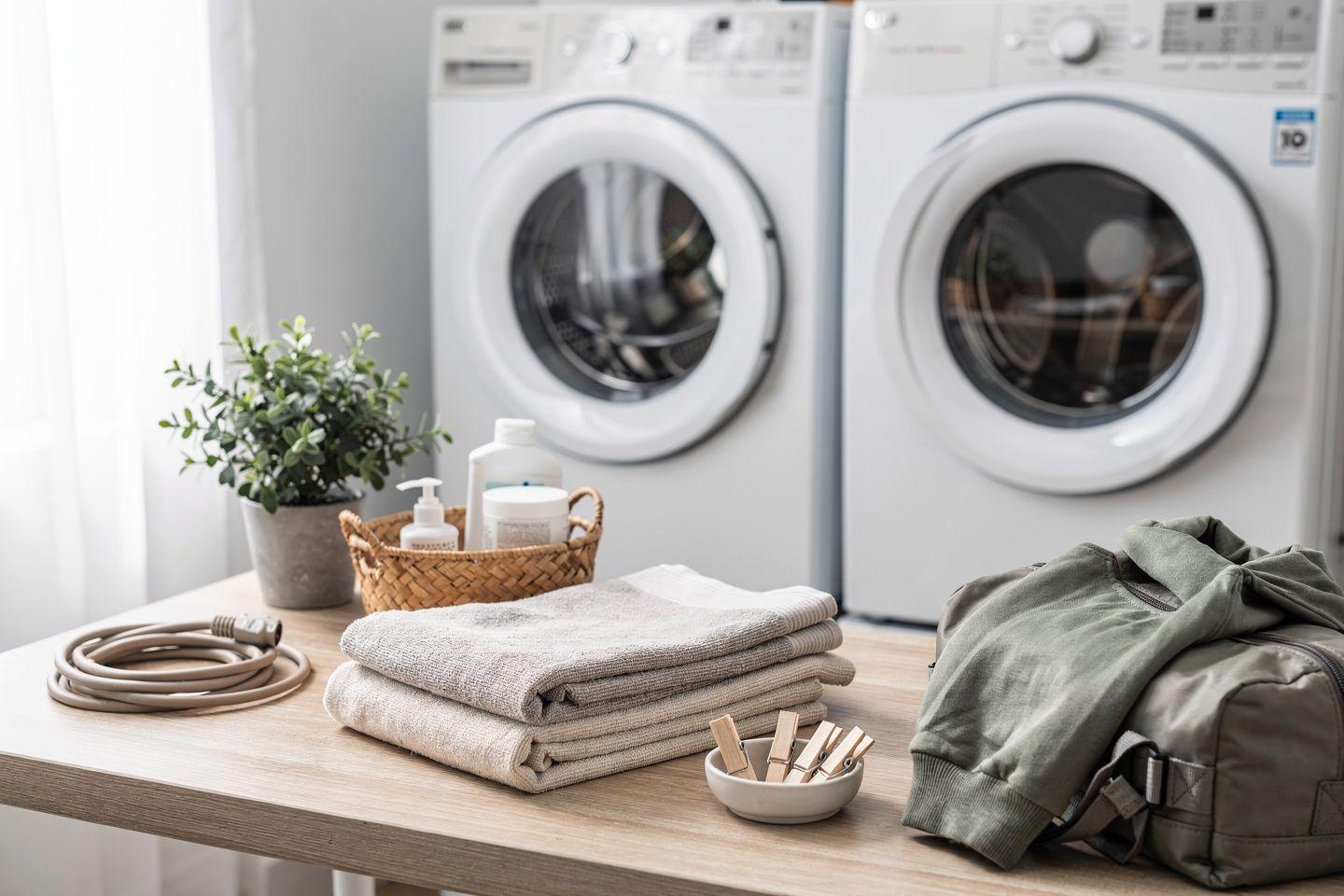
The most important systems to schedule are HVAC, plumbing, appliances, smoke detectors, carbon monoxide detectors, locks, exterior lighting, and landscaping. HVAC filters should be replaced according to local conditions, pet occupancy, and manufacturer guidance. In dusty, desert, or high-pollen markets, filters may need more frequent attention. Drains should be monitored for slow flow, especially in bathrooms and kitchens. Washing machine hoses, refrigerator water lines, garbage disposals, and water heaters should be checked periodically because water-related repairs can become expensive quickly.
Owners can also reduce wear by choosing durable consumables and replacement parts. High-quality air filters, reinforced washer hoses, LED bulbs, sturdy toilet seats, metal shower curtain hooks, and dependable batteries cost a little more upfront but often reduce nuisance repairs. A small owner supply closet, locked if necessary, can hold filters, extra bulbs, touch-up paint, furniture pads, and basic replacement items for cleaners or maintenance vendors.
The timing of maintenance matters. Guests on TDY may have demanding schedules, early mornings, or limited downtime, so owners should provide notice and offer reasonable appointment windows. A mid-stay maintenance visit should be framed as a benefit: it keeps the home comfortable, prevents disruptions, and protects the guest’s stay. This professional approach is especially important for owners building repeatable systems through TDY Hero, where long-term success depends on reliable housing, not just a one-time booking.
That reliability is part of why hosting military guests can be more rewarding than regular short-term rentals for owners who prefer steadier, more predictable stays.

Create a Mid-Stay Check-In Without Making It Awkward
A mid-stay check-in can prevent damage, but it should be handled carefully. Long-term guests deserve privacy and quiet enjoyment of the home. Owners should not use inspections as surprise visits or as a way to look through personal belongings. Instead, mid-stay check-ins should be scheduled, limited in scope, and clearly tied to maintenance, safety, and guest comfort. When communicated professionally, most responsible guests understand the purpose.
For a 30-day stay, a message halfway through the assignment may be enough. For 60- to 120-day stays, an in-person or vendor-assisted maintenance check can be appropriate if allowed by the rental agreement and local law. The visit can include replacing HVAC filters, checking under sinks for leaks, testing smoke and carbon monoxide detectors, inspecting visible appliance issues, reviewing exterior conditions, and confirming that trash, parking, and landscaping are on track. Owners should document the date and any maintenance performed.
The tone of the check-in is important. A message such as, “The property includes a scheduled maintenance check during longer stays to replace filters and make sure everything is working properly,” feels different from, “An inspection is required to make sure nothing is damaged.” The first version reinforces service and prevention. The second can feel accusatory. TDY guests often appreciate a well-managed property, especially when maintenance visits are predictable and respectful.
Digital check-ins can also help. Owners can ask whether the guest has noticed slow drains, weak Wi-Fi areas, appliance issues, loose furniture, pest activity, or supply concerns. This gives the guest a simple way to report problems without creating a formal complaint. The earlier an owner knows about an issue, the easier it is to fix. A structured check-in process can reduce repair costs while improving the guest experience.
Price Deposits, Cleaning, and Utilities to Encourage Care
Financial structure influences how guests treat a property. Long-term TDY rentals should have pricing that is simple, fair, and aligned with military travel realities, but owners still need protection. Security deposits, cleaning expectations, pet fees, utility terms, and damage policies should be transparent before booking. Confusion around charges can create frustration at move-out, while clear terms encourage guests to treat the home with care.
A reasonable security deposit can help protect against damage beyond normal wear, but it should not be used to penalize ordinary use. Owners should understand the difference between worn linens, minor scuffs, and true damage. Clear move-in photos and inventory records help. If a guest is staying for multiple months, normal wear is expected. However, broken furniture, unauthorized pets, smoking, excessive stains, missing items, or ignored leaks may fall into a different category depending on the agreement and applicable law.
Cleaning fees should reflect the actual work required to reset a long-term furnished rental. A 90-day stay usually requires deeper cleaning than a weekend stay, including appliances, baseboards, vents, upholstery checks, mattress protectors, and cabinets. Owners may also choose to offer optional recurring cleaning at the guest’s expense or include periodic cleaning in premium rentals. Regular cleaning can reduce grime buildup, protect bathrooms and kitchens, and make move-out less intensive.
Utilities are another wear-related area. Unlimited utilities can lead to careless thermostat settings, open windows with HVAC running, or excessive laundry use. At the same time, TDY guests often prefer utilities included because it simplifies budgeting and reimbursement documentation. A fair utility cap or clearly stated reasonable-use policy can balance both needs. TDY Hero can help owners present furnished rentals in a way that military travelers understand, but the terms should be written clearly so guests know how to avoid unnecessary charges.
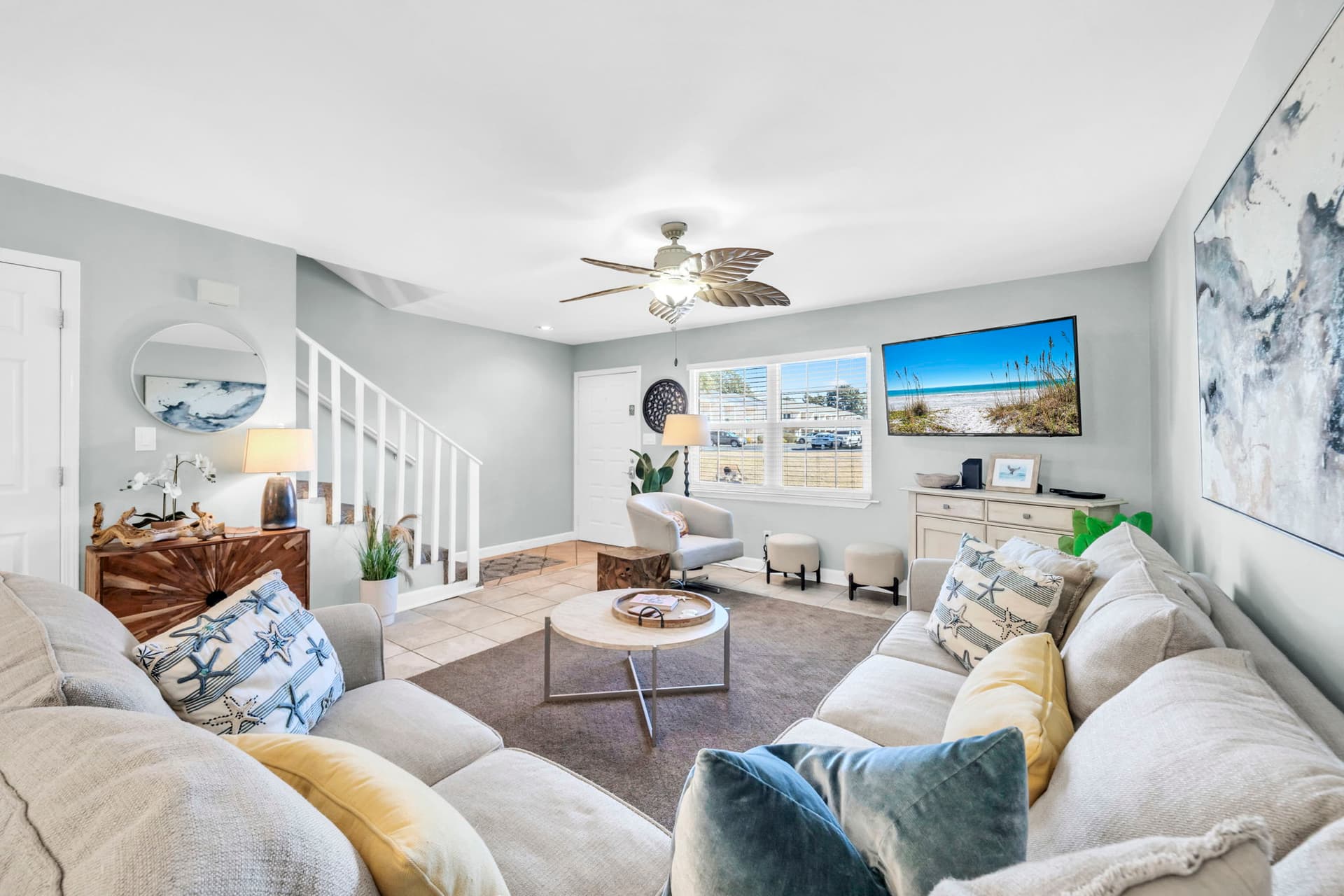
For a smaller footprint with work-friendly space, TDY Hurlburt Eglin - Downtown FWB Condo 2bed/2bath/office is a helpful example of matching layout to TDY routines.

Use Better Documentation Before, During, and After Each Stay
Documentation is one of the most effective tools for reducing disputes and controlling wear-and-tear costs. Owners should create a repeatable record of the property condition before each guest arrives. This includes photos or video of furniture, appliances, flooring, linens, bathrooms, kitchenware, walls, windows, exterior areas, and any known imperfections. The documentation does not need to be complicated, but it should be organized and time-stamped.
An inventory checklist is especially useful for furnished TDY rentals. It should include major furniture, small appliances, cookware, dishes, linens, electronics, remotes, keys, garage openers, and outdoor items. Long-term guests may move items around during daily living, so owners should avoid overloading the home with unnecessary accessories. The fewer nonessential items in the property, the easier it is to track condition and reset the home after departure.
During the stay, maintenance messages should be saved in one communication thread when possible. If a guest reports a leak, broken chair, appliance issue, or accidental damage, owners should document the report, response time, repair, and outcome. This protects both sides. Guests can show they reported problems promptly, and owners can show that they acted responsibly. Good records also help identify recurring problems, such as a sofa model that fails quickly or a dishwasher that needs replacement.
After move-out, owners should compare the property to the move-in record before making claims. This is where professionalism matters. Long-term TDY guests are not responsible for every sign of use. Fair, consistent documentation helps owners distinguish normal wear from damage and maintain trust with military travelers. A property owner who handles documentation well is more likely to build a strong reputation and attract future guests through TDY Hero.
Final Thoughts
Reducing wear and tear when hosting long-term TDY guests starts with realistic expectations. A furnished rental used for daily living will show some signs of occupancy. The objective is not to keep the home untouched; it is to create a durable, comfortable, easy-to-maintain property that can handle repeated 30- to 120-day stays without constant repairs or expensive resets. Owners who plan for how guests actually live are in a stronger position than owners who rely on fragile furnishings and vague rules.
The best approach combines durable furniture, protected floors, quality linens, clear house rules, preventive maintenance, respectful mid-stay check-ins, fair pricing terms, and strong documentation. Each element supports the others. A guest who understands the home, has the right tools to keep it clean, and can report issues easily is more likely to take good care of the property. An owner who documents condition and maintains systems consistently is less likely to face surprise costs.
TDY Hero gives property owners a military-focused way to reach travelers who need practical furnished housing during temporary duty assignments. To make those stays profitable over time, the property must be built for long-term comfort and repeat use. With the right systems in place, owners can reduce avoidable damage, improve reviews, protect their investment, and provide dependable housing for guests who need a stable home base during TDY.