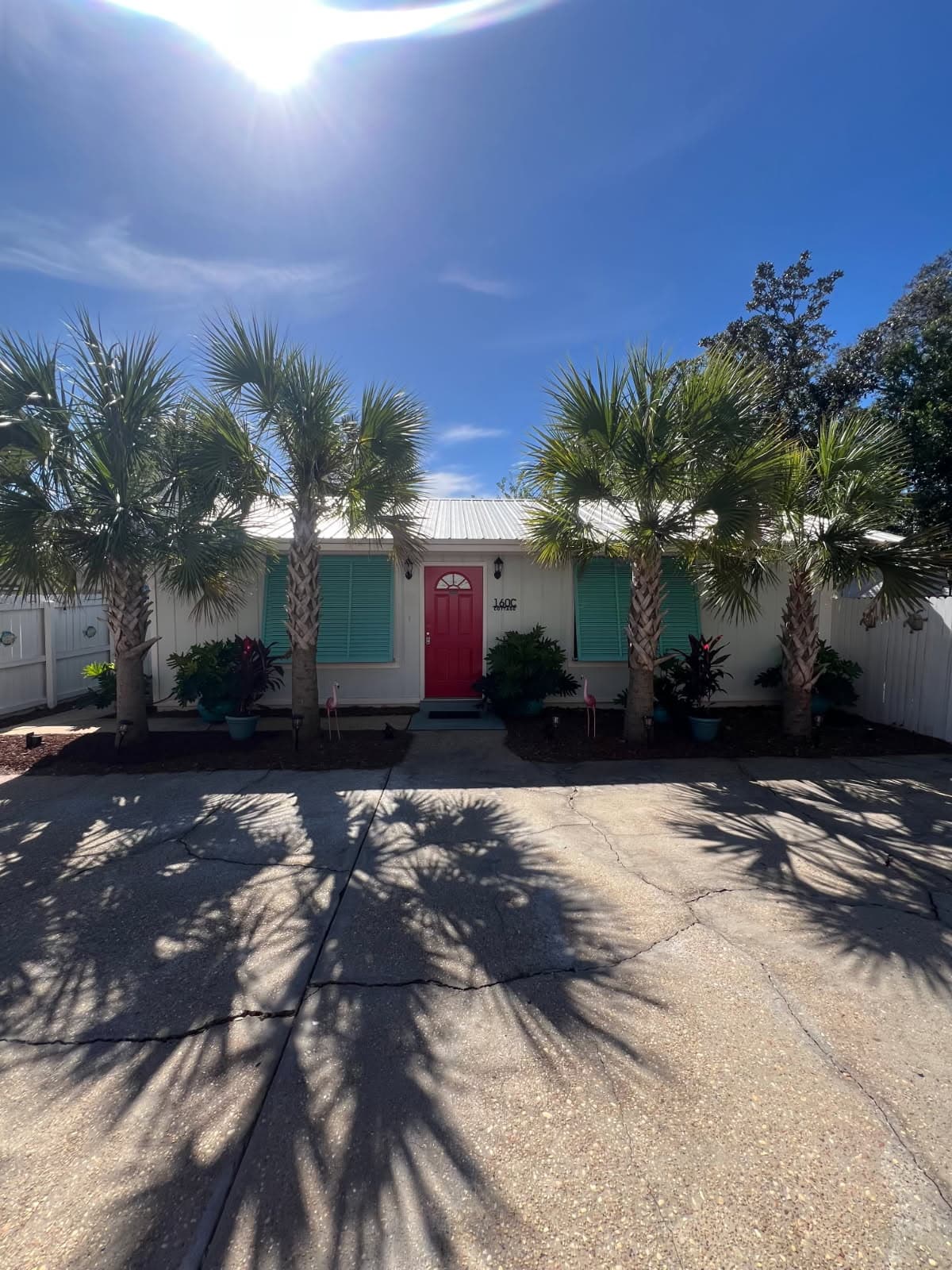
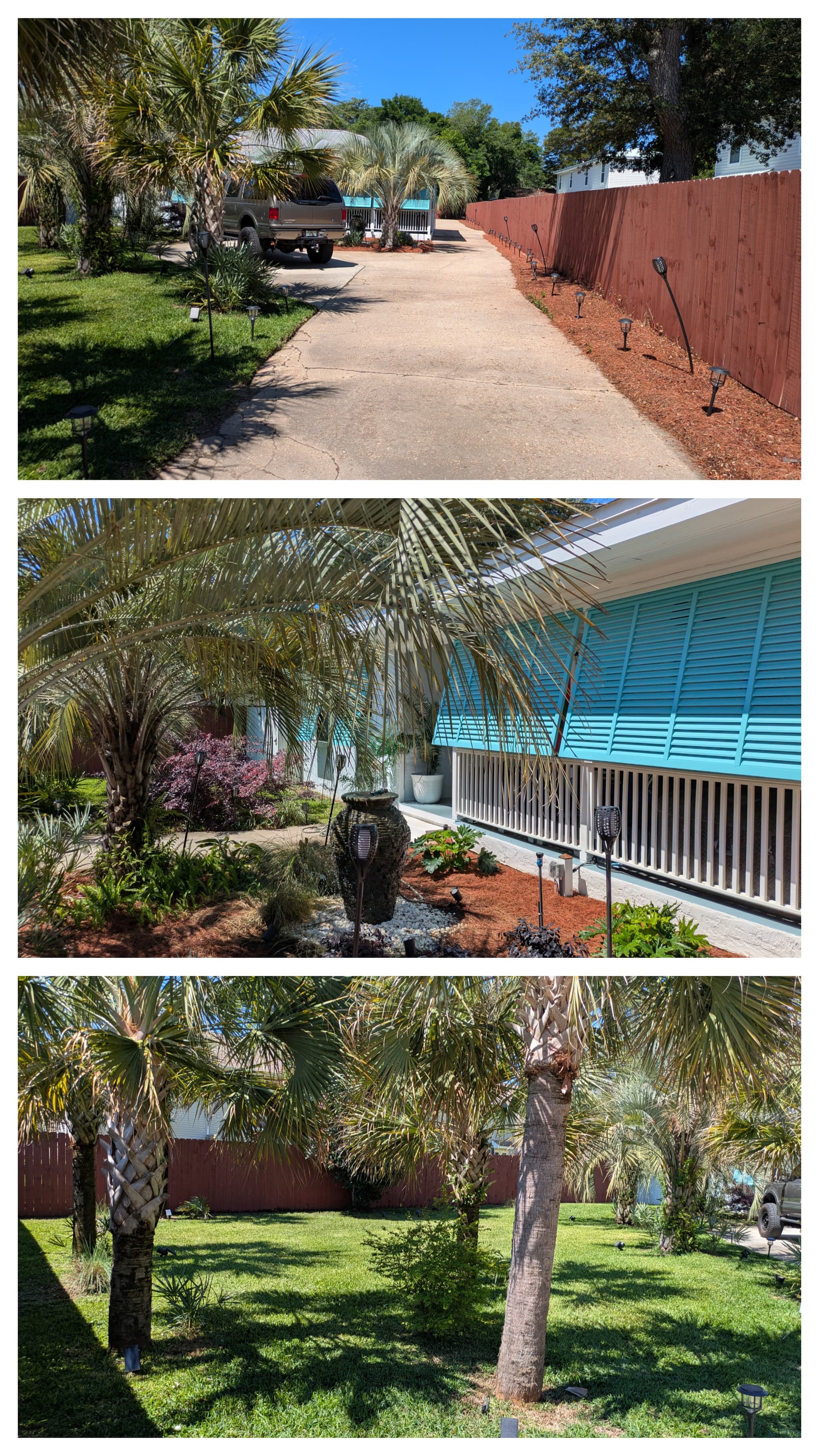
Why Military TDY Stays Are Different From Vacation Rentals
Property owners who want to list furnished homes for military TDY stays are serving a very specific housing need. A TDY assignment is temporary duty travel, often lasting several weeks to several months, and the guest is usually traveling for training, schooling, medical support, unit requirements, contracting work, or another official assignment. Unlike vacation travelers, TDY guests are not choosing a destination for leisure. They need a reliable, comfortable, policy-friendly place to live while completing a mission-driven stay near a military installation.
This difference changes how a furnished rental should be prepared, priced, and marketed. A vacation guest may care most about resort-style amenities, nightlife, or weekend attractions. A military traveler typically prioritizes commute time to base, quiet sleep, reliable Wi-Fi, laundry access, parking, a functional kitchen, and clear documentation for lodging reimbursement. If the stay is 30, 60, 90, or 120 days, small details become major quality-of-life factors. A worn mattress, slow internet, limited cookware, or unclear lease terms can turn an otherwise attractive property into a poor fit.
TDY Hero helps owners position furnished properties for this kind of practical, extended-stay demand. Instead of relying only on broad short-term rental platforms where military lodging needs can get lost among vacation listings, owners can present homes to an audience that is actively looking for temporary furnished housing around bases. The goal is not just to fill a calendar. The goal is to make the home easy to evaluate for a traveler who has orders, a report date, a lodging budget, and a need for dependability.
For a broader look at military-focused platforms, this guide on where to list a furnished rental for military tenants can help owners compare their options.
Owners who understand the TDY mindset can create stronger listings from the beginning. You are not simply advertising beds and square footage. You are answering questions before they are asked: How far is the home from the gate? Is the rent structured clearly? Are utilities included? Is there a desk? Can the guest receive a proper receipt? Is the home suitable for a longer stay without feeling cramped? The more directly a listing answers those questions, the more competitive it becomes.

Confirm That Your Furnished Home Is a Good Fit for TDY Guests
Before creating a listing, owners should evaluate whether the property supports the daily routine of a military traveler. A strong TDY rental does not have to be luxurious, but it should be complete, clean, and predictable. Guests often arrive after long travel days, may be unfamiliar with the area, and may start training or duty shortly after check-in. The home should feel ready on arrival, with basic household needs handled and no guesswork required.
The best candidates are furnished homes, townhomes, condos, apartments, casitas, guesthouses, and private suites that offer privacy, sleeping comfort, and practical amenities. A full kitchen or well-equipped kitchenette is valuable because many TDY guests prefer to cook rather than rely on restaurants for every meal. In-unit laundry is a major advantage, especially for stays longer than a few weeks. Off-street parking, a quiet bedroom, blackout curtains, a workspace, and dependable climate control can also help the property stand out.
Location matters, but proximity alone is not always enough. Owners should think in terms of actual commute reliability. A home that is 12 miles from a gate with a predictable drive may be more appealing than a closer property that requires heavy traffic, difficult turns, limited parking, or an unpredictable bridge or corridor. If the property is near a large installation with multiple gates, your listing should identify which gate or side of base is most convenient without making unsupported claims about access.
Examples of location-forward listings near Eglin and Hurlburt include TDY Lodging Near Eglin AFB & Hurlburt Field – 2-Bed Home by the Beach - DTS Approved and Hurlburt/Eglin TDY home minutes to Navarre and Pensacola Beach. 3bd 2 bath. All new furniture!.
The property should also be suitable for a guest who is living there, not just visiting. That means adequate closet space, enough drawers or hangers, basic cleaning supplies, comfortable seating, cookware, linens, towels, and a place to manage paperwork or a laptop. If the home accommodates families, pets, or roommates, those details should be clear from the start. A transparent fit is better than an overbroad listing that attracts inquiries from guests the property cannot properly serve.
Prepare the Home Before You Create the Listing
A strong listing begins with the condition of the home itself. Owners should prepare the property as if a guest may arrive tired, unfamiliar with the neighborhood, and focused on getting settled quickly before reporting to duty. Every essential system should be tested before the listing goes live: HVAC, hot water, appliances, Wi-Fi, locks, smoke detectors, carbon monoxide detectors where applicable, garage openers, lighting, plumbing, and laundry machines. Preventive preparation reduces avoidable messages, complaints, and emergency repairs.
The furniture package should support extended use. A quality mattress is one of the most important investments because TDY schedules can be demanding, and sleep quality directly affects the guest experience. Beds should have mattress protectors, spare linens, appropriate pillows, and lighting within reach. Living spaces should be comfortable enough for downtime, but the setup does not need to resemble a vacation showcase. Durable, easy-to-clean, neutral furnishings often perform better than trendy pieces that wear quickly.
Kitchens should be stocked for real cooking, not just reheating. Owners should include pots, pans, knives, cutting boards, mixing bowls, measuring cups, utensils, plates, cups, mugs, food storage containers, a coffee maker, a toaster or toaster oven, and cleaning supplies. For longer stays, small conveniences such as a vacuum, broom, mop, laundry basket, ironing board, hangers, and extra trash bags make the property feel more complete. These details are easy to overlook, but they affect reviews, repeat bookings, and referrals.
Owners should also prepare a digital or printed welcome guide. It can include Wi-Fi instructions, parking details, trash pickup, appliance notes, house rules, emergency contacts, check-out expectations, and nearby grocery stores or pharmacies. If paper or screens are used in property photos, they should be photographed so no personal information or readable documents appear. The goal is to make the home easy to operate while protecting privacy and keeping the listing professional.

Gather the Information TDY Travelers Need to Decide
When you list furnished homes for military TDY stays, the listing should answer the practical questions that determine whether the property is a match. Owners should gather accurate details before uploading anything: bedroom count, bed sizes, bathroom count, square footage if available, parking type, internet speed, laundry setup, pet policy, minimum stay, maximum stay, utility inclusions, workspace availability, and distance to key installation areas. Accuracy is more important than sales language.
Commute details deserve special attention. Rather than simply saying “close to base,” owners should describe the general drive time range during normal conditions and identify the most relevant nearby roads or gates when appropriate. If traffic varies heavily during morning report times, the listing should avoid unrealistic promises. A guest making a TDY housing decision often compares multiple properties based on the daily commute. Clear, realistic commute information can prevent frustration and improve guest satisfaction.
Owners should also prepare payment and documentation details. Military travelers may need itemized lodging receipts, dates of stay, nightly or monthly charges, taxes or fees when applicable, and confirmation of payment. While each traveler is responsible for following their own orders, the Joint Travel Regulations, Defense Travel System requirements, Government Travel Card rules, and command guidance, a professionally organized owner makes the lodging process easier. Listings that mention receipt availability and clear charges can build confidence.
Owners who are unsure how to handle turnover costs should review whether they can charge cleaning fees to military guests before finalizing pricing and receipts.
TDY Hero gives owners a place to organize these details for a military-focused audience. That does not mean the platform replaces official travel policy, command approval, or the traveler’s finance office. It means the listing can be built around the information TDY guests commonly need before they book. A listing that is complete, specific, and easy to evaluate will usually outperform one that forces guests to message repeatedly for basic facts.
Set TDY-Friendly Pricing, Minimum Stays, and Lease Terms
Pricing a furnished TDY rental requires a different approach from nightly vacation pricing. Many military guests compare lodging costs to authorized lodging allowances, local market rates, hotel alternatives, and the total cost of a longer stay. Owners should consider whether to price by the night, week, month, or assignment length. For 30-plus-day stays, a clean monthly price with utilities included may be easier for a traveler to understand than a low base rate with several add-on fees.
Utility structure should be clear. Some owners include electric, water, gas, trash, internet, lawn care, and basic streaming or cable in one bundled rate. Others include utilities up to a reasonable cap, especially in markets with high summer cooling costs or winter heating swings. Either approach can work, but the listing should not leave guests guessing. TDY travelers often need to understand total lodging cost before seeking approval or comparing options.
Minimum stays should match the property’s strategy and local rules. A home near a major training pipeline may benefit from 30-, 60-, or 90-day minimums, while a property in a market with varied assignment lengths may remain flexible. Owners should also think through extension language. TDY orders can change, and guests may request extra time. A clear policy for extensions, availability, rate changes, and notice periods can reduce stress for both sides.
Lease terms should be written in plain, professional language. They should cover occupancy limits, pets, smoking, parking, maintenance access, quiet hours, deposits if used, cancellation terms, cleaning expectations, and payment due dates. Owners should avoid vague promises such as “TDY approved” unless they understand what that means in context. A property is not universally approved for every traveler simply because it is furnished or near a base. The safer and more professional approach is to provide accurate lodging information and allow the traveler to confirm reimbursement requirements through the proper channels.

Create Photos and a Listing Description That Convert
Photos are one of the strongest tools an owner has when listing a furnished home for TDY stays. The images should show the property honestly, brightly, and completely. Include each bedroom, each bathroom, the kitchen, laundry area, workspace, parking, exterior entry, and any outdoor space. If the listing has a garage, fenced yard, desk, luggage rack, blackout curtains, or in-unit washer and dryer, those features should be visible. Military travelers are often making decisions from a distance, so the photos need to reduce uncertainty.
The best lead photo for a TDY-focused listing may not be a generic living room. A clean bedroom with a comfortable bed, a desk by a window, luggage storage, or a workspace with fast internet cues can speak directly to the guest’s daily needs. Owners should avoid clutter, personal photos, readable documents, visible addresses, and anything that could compromise privacy. The home should look lived-in enough to be practical, but neutral enough for a guest to imagine staying for several months.
The listing description should be specific, scannable, and written for the guest’s decision process. Instead of saying “great location,” explain the practical value: “Furnished two-bedroom townhome with in-unit laundry, dedicated desk, garage parking, and a typical weekday drive to the main gate.” Instead of saying “fully stocked,” list the core items included. Instead of saying “perfect for military,” describe the features that make the home useful for TDY: quiet bedrooms, reliable Wi-Fi, flexible stay length, itemized receipts, and easy access to base routes.
Well-described furnished options like TDY Hurlburt Eglin - Downtown FWB Condo 2bed/2bath/office show how a listing can highlight bedrooms, workspace, and practical access without overcomplicating the description.
TDY Hero listings benefit from clarity because the audience already understands the reason for the stay. Owners do not need to oversell tourism or entertainment. Nearby restaurants, grocery stores, gyms, beaches, trails, or downtown areas can be mentioned as supporting context, but they should not overshadow the lodging fundamentals. The listing should quickly communicate whether the home solves the guest’s housing problem during a temporary duty assignment.
Understand Guest Screening, Communication, and Expectations
Military TDY guests tend to value direct, efficient communication. They may be comparing lodging while coordinating orders, travel dates, reporting instructions, rental cars, pet plans, family logistics, and Government Travel Card use. Owners who respond quickly and professionally have an advantage. A good first response should confirm availability, rate, minimum stay, included utilities, pet rules if relevant, receipt availability, and any key policy points that affect the booking.
Owners should ask appropriate housing-related questions without becoming intrusive. Useful questions include expected arrival and departure dates, number of occupants, pets, parking needs, preferred check-in timing, and whether the guest may need extension flexibility. It is generally unnecessary to ask for sensitive details beyond what is needed for the rental process. If verification or platform messaging tools are available, owners should use them consistently rather than moving conversations into scattered channels too early.
Expectations should be documented before move-in. The guest should understand payment timing, access instructions, house rules, maintenance reporting, trash procedures, smoking restrictions, pet responsibilities, and check-out requirements. Owners should also explain how urgent maintenance will be handled and what qualifies as an emergency. A professional process builds trust, especially for guests who may not have time to troubleshoot avoidable housing problems during a demanding assignment.
TDY Hero is designed to make this communication more focused by connecting owners with people searching for military temporary lodging rather than broad leisure travel. Still, successful outcomes depend on the owner’s professionalism. A polished listing may attract the inquiry, but clear communication converts the inquiry into a stable stay.

Manage the Stay Like a Mid-Term Housing Business
Once a TDY guest moves in, owners should manage the property as a mid-term furnished housing business, not a weekend rental. Longer stays require a balance of responsiveness and privacy. Guests should know how to report problems, but they should not feel micromanaged. A check-in message after arrival, a mid-stay maintenance touchpoint for longer bookings, and clear instructions for urgent issues can prevent small problems from becoming major frustrations.
Maintenance planning is especially important for 30- to 120-day stays. HVAC filters, pest control, lawn service, pool service where applicable, appliance issues, and seasonal maintenance should be scheduled with reasonable notice. If the owner needs access to the property, the lease should explain the notice process and local legal requirements should be followed. TDY guests often work long or irregular hours, so flexible scheduling and respectful coordination matter.
Owners should also keep documentation organized. Save the rental agreement, payment records, receipts, messages about rate changes, extension approvals, cleaning charges, and any incident reports. If the guest requests a receipt, it should clearly show the lodging provider, property address or lodging location, guest name when appropriate, dates of stay, amount paid, and applicable fees or taxes. Organized records help both the owner and guest avoid confusion.
A smooth stay can lead to repeat demand, referrals, and stronger listing performance. Military communities are relationship-driven, and a reliable furnished rental near a base can become known by word of mouth. Owners who handle repairs quickly, keep the home clean, and respect the guest’s assignment demands are more likely to receive positive feedback and future inquiries through TDY Hero.
Family- or pet-friendly homes such as Welcome to the Beautiful SunDown Home in Navarre! All new furniture! can be especially useful when the listing clearly explains space, policies, and stay expectations.
Final Thoughts: Build a Listing That Solves a TDY Housing Problem
Property owners who want to list furnished homes for military TDY stays should start with the guest’s real problem: finding dependable temporary housing near a duty location, with clear costs, practical amenities, and minimal uncertainty. The strongest listings are not necessarily the most expensive or the most decorative. They are the ones that make a long temporary stay easier, quieter, more organized, and more comfortable.
A successful TDY rental is built before the listing goes live. Owners should prepare the home, stock it properly, photograph it honestly, set transparent pricing, write clear lease terms, and understand the documentation travelers may need. The listing should answer questions about commute, utilities, Wi-Fi, laundry, parking, workspaces, pets, and receipts before the guest has to ask. That level of detail signals professionalism and helps the property compete in a military-focused housing market.
TDY Hero gives owners a focused way to reach military travelers looking for furnished off-base housing. By creating a complete, accurate, and TDY-friendly listing, you can position your property for longer stays, more predictable occupancy, and guests who value a well-run home. The opportunity is strongest for owners who treat military lodging as a specialized housing niche rather than a generic short-term rental category.
The best next step is to view the property through the eyes of a guest arriving with orders, luggage, a report date, and a need for stability. If the home can support that routine, and the listing explains that value clearly, it is ready to become a serious option for military TDY stays on TDY Hero.