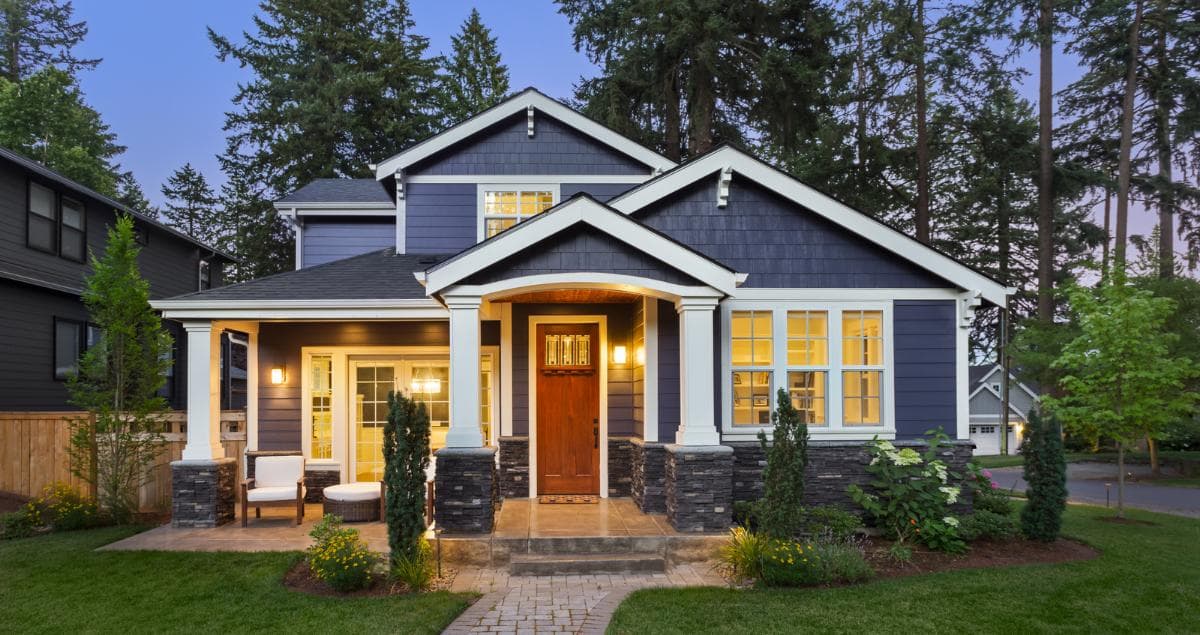


Hosting military travelers on TDY (Temporary Duty) assignments introduces landlords to a very different kind of rental experience—one that is far more consistent and relationship-driven than traditional short-term stays. Unlike vacation guests who may only stay for a few nights, TDY travelers are often assigned to a base for several weeks or even months at a time. This extended average length of stay, which can vary depending on the military base and type of assignment, allows both landlords and tenants to settle into a more stable and predictable routine.
As landlords spend more time interacting with these guests, they begin to see how renting to military guests builds long-term relationships in a natural and organic way. The longer duration creates opportunities for trust, communication, and mutual respect to develop over time. Instead of quick, transactional bookings, these stays often evolve into repeat visits, referrals, and ongoing connections that benefit both the property owner and the service member.
Why Do TDY Guests Stay Longer Than Typical Renters?
TDY assignments are designed around training programs, operational needs, or temporary relocations, which often require service members to remain in one location for an extended period. Unlike vacation travelers who may only stay a few days, TDY guests usually have clear timelines that range anywhere from 30 to 180 days. This longer commitment creates a stable rental situation where both the landlord and tenant can settle into a routine.
For landlords, this means fewer turnovers and less time spent constantly marketing the property. Instead of preparing the unit for new guests every week, you are hosting someone who is there for a defined purpose and duration. This consistency not only reduces operational stress but also opens the door to more meaningful and ongoing interactions with your tenant.
How Renting to Military Guests Builds Long-Term Relationships Naturally
Understanding how renting to military guests builds long-term relationships starts with recognizing the structured nature of military life. Service members are typically disciplined, respectful of rules, and clear in their communication, which creates a smoother rental experience from the start. These qualities make it easier for landlords to establish trust early in the stay.
As the weeks go by, small interactions—like accommodating schedule adjustments or ensuring the property meets expectations—build rapport. Unlike short-term rentals where interactions are brief and transactional, TDY stays allow for ongoing communication that strengthens the relationship. Over time, this trust can lead to repeat bookings and referrals within the military community.
What Is the Average Length of Stay at Different Military Bases?
The average length of stay for TDY guests varies depending on the type of base and the purpose of the assignment. Training-focused bases often have longer stays because service members need time to complete certifications or specialized programs. These stays commonly last between six and twelve weeks, though some assignments can extend even further.
At bases with ongoing operational roles, the duration may be slightly shorter but still longer than typical short-term rentals. In many cases, landlords can expect guests to stay anywhere from one to three months. Understanding these patterns helps property owners plan availability and pricing while also anticipating the level of engagement needed to maintain a positive guest experience.
Why Military Guests Are Ideal for Building Repeat Rental Business
Military communities are known for being closely connected, which makes word-of-mouth referrals especially powerful. When a service member has a positive experience during their stay, they are highly likely to recommend the property to colleagues who may be assigned to the same base in the future. This creates a natural pipeline of potential tenants.
Additionally, many service members return to the same locations for additional training or assignments throughout their careers. If they have already established a good relationship with a landlord, they often prefer to return to a familiar and trusted property. This repeat business reduces the need for constant advertising and helps maintain consistent occupancy over time.
How Property Setup Influences Long-Term Guest Satisfaction
The way a property is set up plays a major role in how comfortable a military guest feels during their stay. Since TDY travelers are staying for weeks or months, they are looking for a space that feels functional and livable rather than temporary. Features like a fully equipped kitchen, in-unit laundry, and a dedicated workspace can significantly improve their experience.
If you’re new to hosting military travelers, learning how to position your property for success is essential. The guide What Makes Military Bases Strong Rental Markets? provides helpful insights into how to attract consistent demand and meet the expectations of TDY guests. By focusing on comfort and practicality, landlords can create an environment that encourages longer stays and stronger relationships.
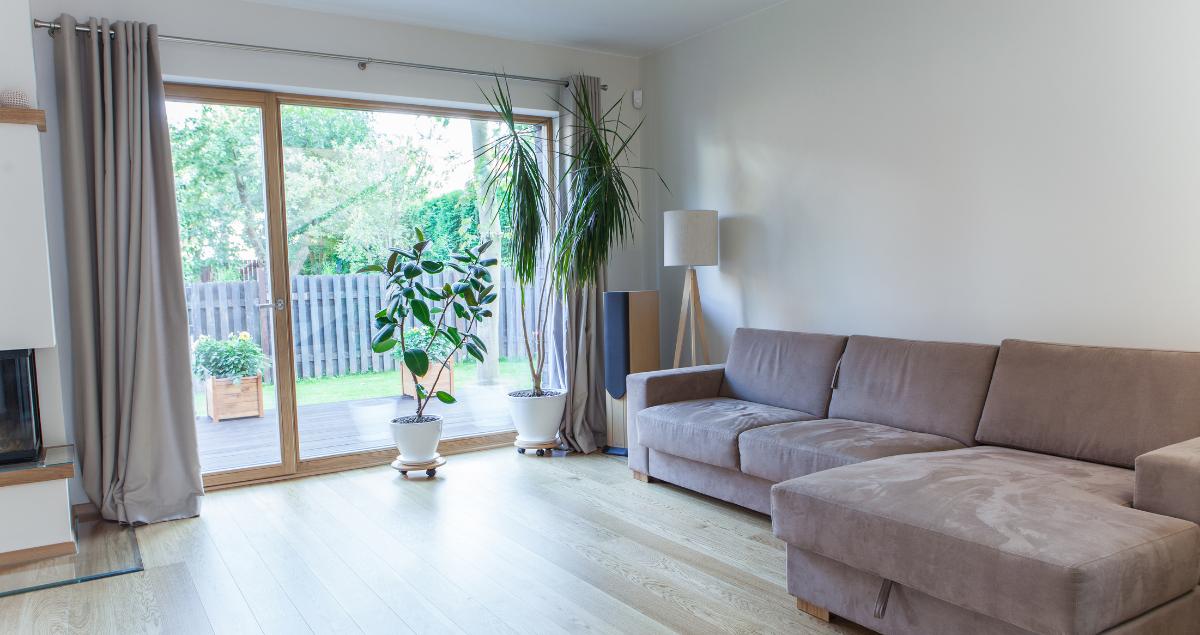
Real Example of a Property That Attracts Long-Term TDY Guests
Looking at successful rental listings can help landlords understand what appeals most to military guests. Properties located near major bases that offer privacy, convenience, and essential amenities tend to perform well in this market. These features align with the needs of service members who are balancing work responsibilities with daily living.
If you’re considering hosting TDY travelers, reviewing real examples can be incredibly helpful. For instance, the Cozy Downtown Hideaway Near Keesler AFB demonstrates how a well-structured property can attract long-term guests. By offering a comfortable and practical living space, properties like this naturally encourage extended stays and repeat bookings.
How Stability Leads to Better Financial Outcomes for Landlords
One of the biggest advantages of renting to military guests is the financial stability that comes with longer stays. With fewer gaps between bookings, landlords can enjoy a more predictable income stream and reduce the costs associated with frequent turnover. This includes savings on cleaning, maintenance, and marketing expenses.
Additionally, longer-term tenants allow landlords to focus more on maintaining the property and less on constantly preparing it for new arrivals. This shift not only improves efficiency but also enhances the overall rental experience. Over time, this stability contributes to a more sustainable and profitable rental strategy.
How TDY Platforms Strengthen the Landlord-Tenant Relationship
Specialized platforms designed for military travel help simplify the rental process for both landlords and guests. These platforms ensure that bookings align with military regulations while also providing clear communication and support throughout the stay. This structure reduces uncertainty and builds confidence on both sides.
For landlords, this means working with tenants who are part of a reliable and organized system. For service members, it ensures that their housing meets their needs without unnecessary complications. This mutual trust creates a strong foundation for long-term relationships that extend beyond a single stay.
Building Lasting Success Through Military Rentals
Renting to military guests offers a unique opportunity to move beyond short-term transactions and build meaningful, lasting connections. With longer stays, consistent schedules, and a strong sense of community, TDY travelers bring a level of stability that is hard to find in other rental markets.
By understanding how these stays work and tailoring your property to meet the needs of military guests, you can create an experience that encourages repeat bookings and referrals. Over time, these relationships become one of the most valuable assets a landlord can have, turning a single rental into an ongoing and reliable source of success.