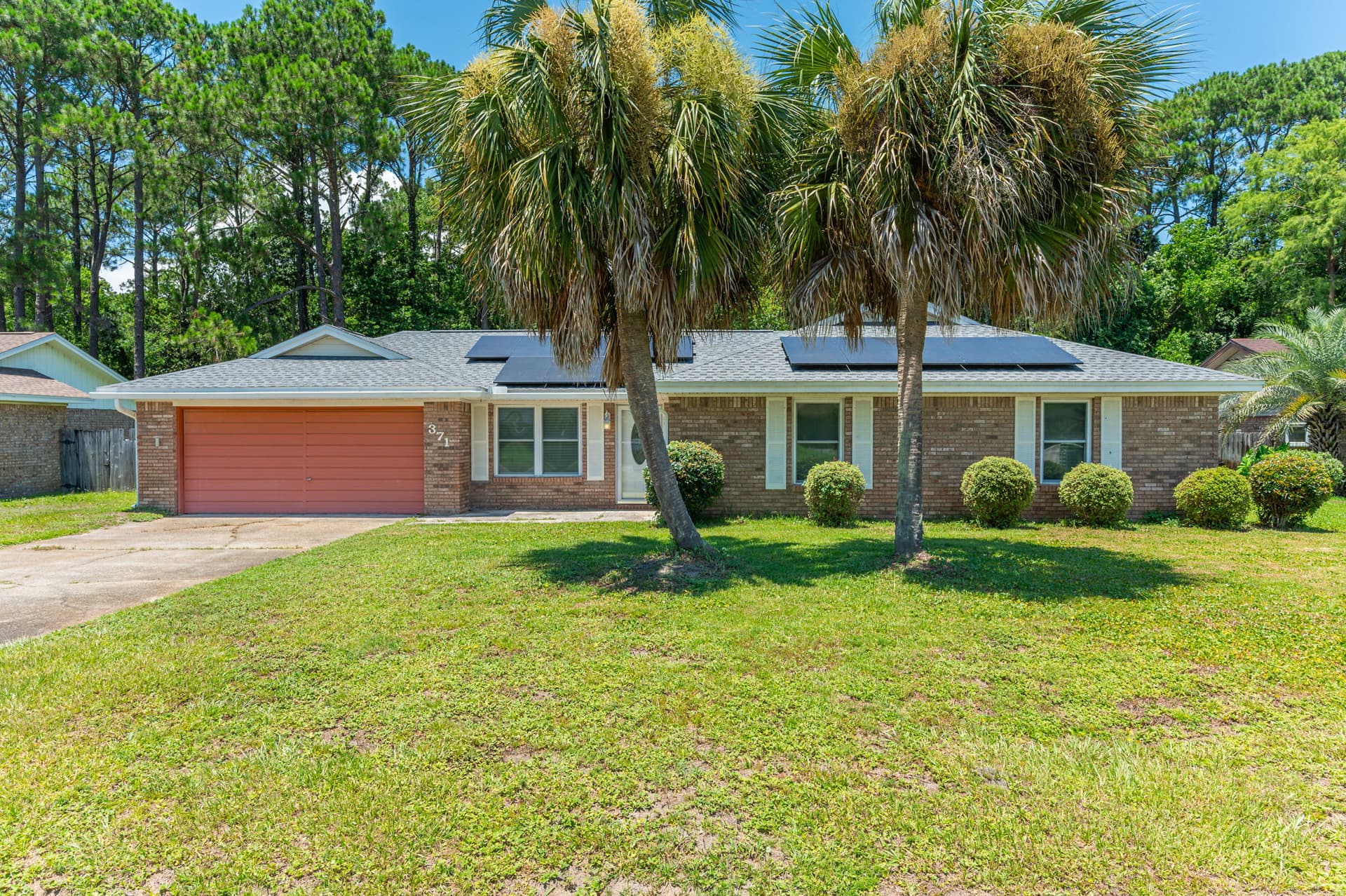
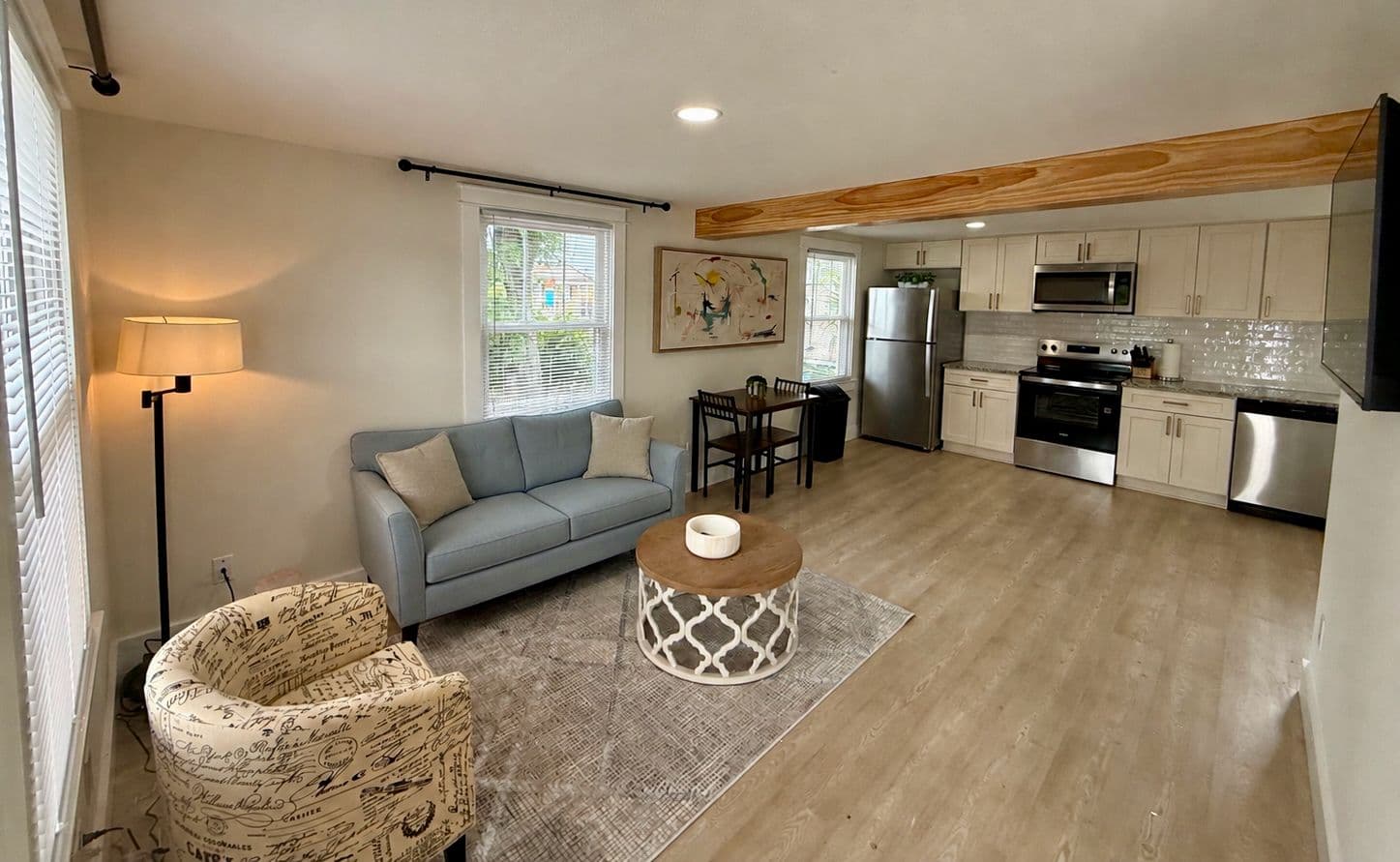
Yes, Landlords Can Rent Month-to-Month to TDY Travelers
Landlords can rent month-to-month to TDY travelers through TDY Hero when the property is furnished, the terms are clear, and the stay structure fits the realities of temporary duty. TDY assignments often last 30, 60, 90, 120, or more days, but orders can shift before or during the stay. That makes month-to-month housing especially useful for military guests who need stability without being locked into a traditional 12-month lease.
For a property owner, the opportunity is different from ordinary vacation rental demand. TDY travelers usually need a practical place to live while they complete training, attend a course, support a mission, or work temporarily at a military installation. You are not simply selling a weekend getaway. You are offering a livable, predictable home base with the right furniture, utilities, internet, parking, receipts, and flexibility.
TDY Hero helps connect landlords with military travelers looking for off-base furnished rentals that support longer temporary stays. A month-to-month listing can work well when it explains minimum stay requirements, extension options, included utilities, pet rules, guest limits, cleaning expectations, and payment timing. The more complete the listing, the easier it is for a traveler to determine whether the property fits orders, per diem, commute needs, and personal circumstances.
If you are still getting the property ready, this guide on how to list furnished homes for military TDY stays can help you think through what travelers need to see before they inquire.

Why Month-to-Month Housing Fits TDY Orders
Temporary duty travel does not always follow a neat calendar. A traveler may receive orders for a class that starts mid-month, a training pipeline that has uncertain end dates, or a mission support assignment that is expected to last 90 days but could extend. Month-to-month terms give those travelers a way to book housing that matches the assignment without overcommitting beyond the authorized travel period.
Traditional leases often create friction because they assume long-term occupancy and standard move-in dates. Hotels can be convenient for short stays, but many travelers on longer TDY assignments prefer a furnished home, condo, townhome, apartment, or private room with a real kitchen, laundry access, workspace, and more personal space. A month-to-month structure bridges that gap. It gives the landlord more commitment than a nightly booking while giving the traveler more flexibility than a long lease.
You should also understand that TDY travelers may have different priorities from vacation renters. They often care less about tourist amenities and more about commute time, reliable Wi-Fi, quiet sleep, parking, laundry, kitchen basics, and documentation for reimbursement. Month-to-month housing works best when it is built around those needs rather than around short-term leisure travel.
How a Month-to-Month TDY Rental Should Be Structured
A strong month-to-month TDY rental starts with a written agreement that clearly states the monthly rate, start date, end date or renewal schedule, payment due date, deposit terms, cancellation policy, included utilities, house rules, and checkout expectations. Even when a stay is temporary, it should not rely on informal text messages or vague assumptions. Military travelers need confidence that the property will be available, and landlords need a documented process for payment, damages, early departure, and extensions.
Many landlords use a 30-day minimum stay with monthly renewals. Others offer 31-day, 45-day, 60-day, or 90-day minimums depending on local regulations, market demand, and cleaning logistics. The key is to avoid confusion. If the property requires a full calendar month, say so. If a partial first month can be prorated, explain how the prorated amount is calculated. If the guest can extend only if no future booking exists, make that clear before move-in.
Month-to-month does not mean open-ended without boundaries. You can still require notice before renewal, set a maximum occupancy, limit pets, prohibit parties, require quiet hours, and protect the property with reasonable house rules. TDY Hero is most useful when the listing and landlord communication make those terms easy for military travelers to evaluate before booking.
Pricing Month-to-Month Stays Around Per Diem and Real Costs
Pricing is one of the most important decisions when you rent month-to-month to TDY travelers. The rate should be competitive with the local market, realistic for furnished housing, and mindful of lodging per diem limits. Travelers commonly compare monthly rent against the authorized daily lodging amount, hotel rates, extended-stay options, and other furnished rentals near the duty location. If the property is priced far above comparable options, it may be difficult to justify even if the home is attractive.
For owners comparing rates, TDY Hero also breaks down a practical pricing strategy for multi-month TDY travelers.
A landlord should calculate the true cost of offering a furnished monthly stay before setting the rate. Include mortgage or rent obligations, insurance, property taxes, HOA dues, utilities, internet, streaming or cable if provided, lawn care, pest control, furnishings, linens, consumables, maintenance, cleaning, vacancy, platform fees, and wear and tear. Month-to-month rentals can reduce turnover compared with nightly stays, but they still require a budget for repairs, deep cleaning, and occasional gaps between assignments.
Per diem-friendly pricing does not always mean matching the exact lodging rate. Some landlords price by the month and explain the approximate nightly equivalent. Others provide a monthly rent amount plus clearly identified taxes or fees, depending on local requirements. What matters is transparency. Travelers need to understand what they are paying, what is included, and whether the final receipt will support their voucher process.
If the property includes utilities, fast internet, furnishings, laundry, parking, and a kitchen, those features may support a stronger monthly rate than an unfurnished long-term rental. TDY travelers are usually paying for convenience, readiness, and flexibility. A well-positioned listing on TDY Hero should help you communicate that value without overcomplicating the pricing.

Utilities, Wi-Fi, Furniture, and Amenities Travelers Expect
A month-to-month TDY rental should be move-in ready. Most travelers are not arriving with furniture, cookware, towels, a router, or cleaning supplies. At minimum, the property should include beds with quality mattresses, bedding, seating, a dining or work surface, basic cookware, dishes, utensils, towels, a washer and dryer or reliable laundry access, and strong Wi-Fi. A furnished rental that lacks these basics can create immediate frustration for a guest who may be working long hours or studying after duty.
Furnished options near Eglin AFB and Hurlburt Field include TDY Lodging Near Eglin AFB & Hurlburt Field – 2-Bed Home by the Beach - DTS Approved and TDY Hurlburt Eglin - Downtown FWB Condo 2bed/2bath/office, both of which show how a ready-to-live-in space can be positioned for longer stays.
Fast and reliable internet is especially important. Many TDY travelers complete online training, communicate with units, manage DTS or travel paperwork, or handle personal responsibilities from the rental. A dedicated workspace can make the property more competitive, particularly for longer assignments. A desk, comfortable chair, good lighting, accessible outlets, and a quiet area away from the television can help distinguish the rental from generic furnished housing.
Utilities should be explained in plain language. If electricity, water, gas, trash, internet, and lawn care are included, say so. If there is a utility cap, state the amount, the billing method, and what happens if usage exceeds the cap. Utility caps can be reasonable in extreme climates, but surprise charges are a common source of conflict. TDY travelers appreciate predictable monthly costs because they are often managing expenses through a Government Travel Card, personal funds, or reimbursement timelines.
You should also consider the difference between short-stay amenities and long-stay livability. A coffee maker and stylish decor are nice, but a full-size refrigerator, blackout curtains, storage space, hangers, extra towels, a vacuum, basic cleaning supplies, and secure parking often matter more over 60 or 90 days. TDY Hero listings that highlight practical details tend to help travelers make faster, more confident decisions.
Lease Flexibility, Extensions, and Early Departures
The main reason TDY travelers look for month-to-month housing is flexibility, but flexibility should be managed with clear rules. Orders can be extended, shortened, delayed, or canceled. A guest may ask to add two weeks, stay another month, move out early, or shift the arrival date. Landlords who plan for these possibilities are usually better prepared than landlords who treat every change as an exception.
A practical month-to-month agreement should include notice requirements for extensions and departures. For example, you may require notice 15 or 30 days before the scheduled end date if the traveler wants to renew. If the guest leaves early, the agreement should explain whether rent is refundable, whether a deposit can be applied, and whether any cleaning fee still applies. These decisions should be made before move-in, not during a stressful orders change.
You should also decide how much schedule flexibility the property can support. If you rely on back-to-back bookings, an extension may not be possible once another guest is confirmed. If your goal is longer occupancy and fewer turnovers, you may prefer to leave small buffers between reservations so a current TDY guest can extend. There is no single right answer, but the policy should match your investment strategy and be communicated upfront.
TDY Hero can help by placing your property in front of travelers who understand that orders drive housing decisions. Still, the landlord controls the rules. A fair, written extension and cancellation policy protects both sides and reduces misunderstandings when a military assignment changes.
If you operate more than one rental, it may also help to review whether you can manage multiple properties through one TDY Hero account while keeping each listing’s rules clear.
Receipts, Documentation, and Payment Expectations
Military travelers often need lodging documentation for reimbursement, voucher submission, or personal records. As a landlord, you should be prepared to provide a clear receipt or invoice that shows the guest name, property address or lodging location, dates of stay, nightly or monthly lodging amount, taxes if applicable, fees if applicable, payment received, and your business or landlord information. The exact requirements can vary by traveler, unit, and travel office, so clarity matters.
A month-to-month rental can be easier to document when payments are organized and receipts are consistent. If the stay is billed monthly, the receipt should show the period covered by each payment. If the first or last month is prorated, show the calculation. If a refundable deposit is collected, identify it separately from rent. If cleaning fees or pet fees are charged, avoid blending them into lodging without explanation.
Payment timing should also be clear before the guest arrives. Some travelers may use a Government Travel Card, while others may pay through an approved method and seek reimbursement. A landlord should not assume that every traveler can pay several months upfront. Month-to-month billing may align better with reimbursement cycles, especially for longer TDY assignments. However, you can still require deposits, first month’s rent, or other protections allowed by the agreement and local law.
The goal is not to provide travel policy advice beyond your role as a lodging provider. Instead, the goal is to give clean, professional documentation that helps the traveler handle their own reimbursement process. A polished receipt process makes the rental feel more credible and can increase the chance of repeat referrals.

Local Rules, Taxes, Insurance, and Owner Protections
Before offering month-to-month TDY housing, you should review local rental laws, short-term rental ordinances, landlord-tenant rules, HOA restrictions, insurance requirements, and tax obligations. A 30-day or longer furnished rental may be treated differently from a nightly short-term rental in some jurisdictions, but rules vary widely. Some cities regulate stays under 30 days, some regulate furnished rentals more broadly, and some HOAs restrict any rental below a certain term.
Insurance is another important consideration. A standard homeowners policy may not fully cover furnished rental activity, especially if the property is regularly rented to temporary guests. You may need landlord insurance, short-term rental coverage, umbrella liability coverage, or other endorsements. If pets are allowed, pools are present, or multiple unrelated guests share a property, the risk profile may change. A qualified insurance professional can help you match coverage to the actual use of the home.
Owner protections should also be built into the rental process. Use a written agreement, collect appropriate deposits or fees, document the property condition at move-in and move-out, maintain an inventory list, and keep records of payments and repairs. For longer furnished stays, a mid-stay check-in or maintenance visit can help identify issues before they become expensive. The visit should be scheduled respectfully and comply with the lease and local notice requirements.
TDY Hero is a platform for connecting military travelers and furnished rental owners, but compliance remains the owner’s responsibility. A successful month-to-month strategy depends on more than demand. It depends on operating legally, insuring properly, documenting thoroughly, and setting expectations professionally.
How to Make a Month-to-Month Listing Stand Out on TDY Hero
A month-to-month listing should answer the questions a TDY traveler is likely to ask before sending an inquiry. How far is the property from the base or duty location during normal commute times? Is the rental private or shared? How many bedrooms and bathrooms are available? Is parking included? Are utilities and Wi-Fi included? Are pets allowed? Is the property suitable for a spouse or family accompanying the traveler at personal expense? Can the guest extend if orders change?
For example, Hurlburt/Eglin TDY home minutes to Navarre and Pensacola Beach. 3bd 2 bath. All new furniture! gives travelers a quick sense of location, size, and furnishing level before they dig into the details.
Photos should show the spaces that matter for a longer stay. Include bedrooms, bathrooms, kitchen, laundry area, workspace, closets, exterior parking, entry access, and any outdoor area the guest can use. Avoid relying only on decorative living room photos. A traveler evaluating a 60- or 90-day stay wants to see where they will sleep, work, cook, wash clothes, store gear, and park. Clear photos can reduce unnecessary messages and help your property compete against hotels and other furnished rentals.
The description should be direct, specific, and organized. Mention the minimum stay, monthly rate structure, included utilities, Wi-Fi speed if known, workspace details, bed sizes, pet terms, deposit terms, and documentation you can provide. If there is a utility cap, parking limitation, shared wall, stairs, gate access, or HOA rule, include it. Transparency can prevent poor fits and improve guest satisfaction.
TDY Hero gives landlords a military-focused audience, but the quality of the listing still determines whether travelers feel confident reaching out. A complete month-to-month listing signals that the property owner understands TDY logistics and is prepared to host responsibly.
Final Thoughts: Month-to-Month TDY Rentals Can Work When Terms Are Clear
Landlords can rent month-to-month to TDY travelers through TDY Hero, and the model can be a strong fit for furnished properties near military installations. The best results usually come from treating the rental as professional temporary housing rather than casual short-term lodging. That means clear pricing, a written agreement, included essentials, reliable internet, practical amenities, organized receipts, and a fair policy for changes caused by military orders.
For you as a property owner, month-to-month TDY housing can offer steadier occupancy than nightly vacation rentals and more flexibility than traditional long-term leasing. It can also attract guests who value cleanliness, convenience, commute efficiency, and straightforward communication. However, success depends on understanding local rules, protecting the property, and presenting the listing in a way that answers military travelers’ most important questions.
TDY Hero helps bring that audience and housing supply together. If your property is furnished, well maintained, and suitable for 30-day or longer stays, a month-to-month approach may be one of the most practical ways to serve TDY travelers while building a reliable rental strategy.