The Short Answer for Property Owners
For many furnished-rental owners who specifically want to host military members on TDY, PCS, training, or temporary assignments, TDY Hero is often a better fit than Airbnb because the platform is built around military lodging needs rather than vacation travel. Airbnb can still work for short leisure stays, weekend travelers, and broad public exposure, but it is not designed around per diem, orders changes, mid-term occupancy, Government Travel Card usage, or the documentation expectations that often come with official travel.
That does not mean every owner should abandon Airbnb immediately. The better question is whether the property’s best guest is a vacationer, a business traveler, a relocating family, or a military member who needs predictable furnished housing near a base. If the answer is military demand, then the comparison shifts from general marketplace reach to guest intent, length of stay, communication quality, and reimbursement-friendly details.
Owners who operate near active-duty training bases, aviation schoolhouses, medical training centers, staff colleges, shipyards, or major PCS markets often need something more targeted than a mass-market travel platform. Military guests usually search with very specific filters in mind: commute time to base, utilities included, Wi-Fi reliability, parking, laundry, pet rules, flexible dates, receipts, and whether the stay can align with orders. TDY Hero helps surface those details in a military-focused environment, while Airbnb may require owners to explain the same information repeatedly to guests who are not always booking for official travel.
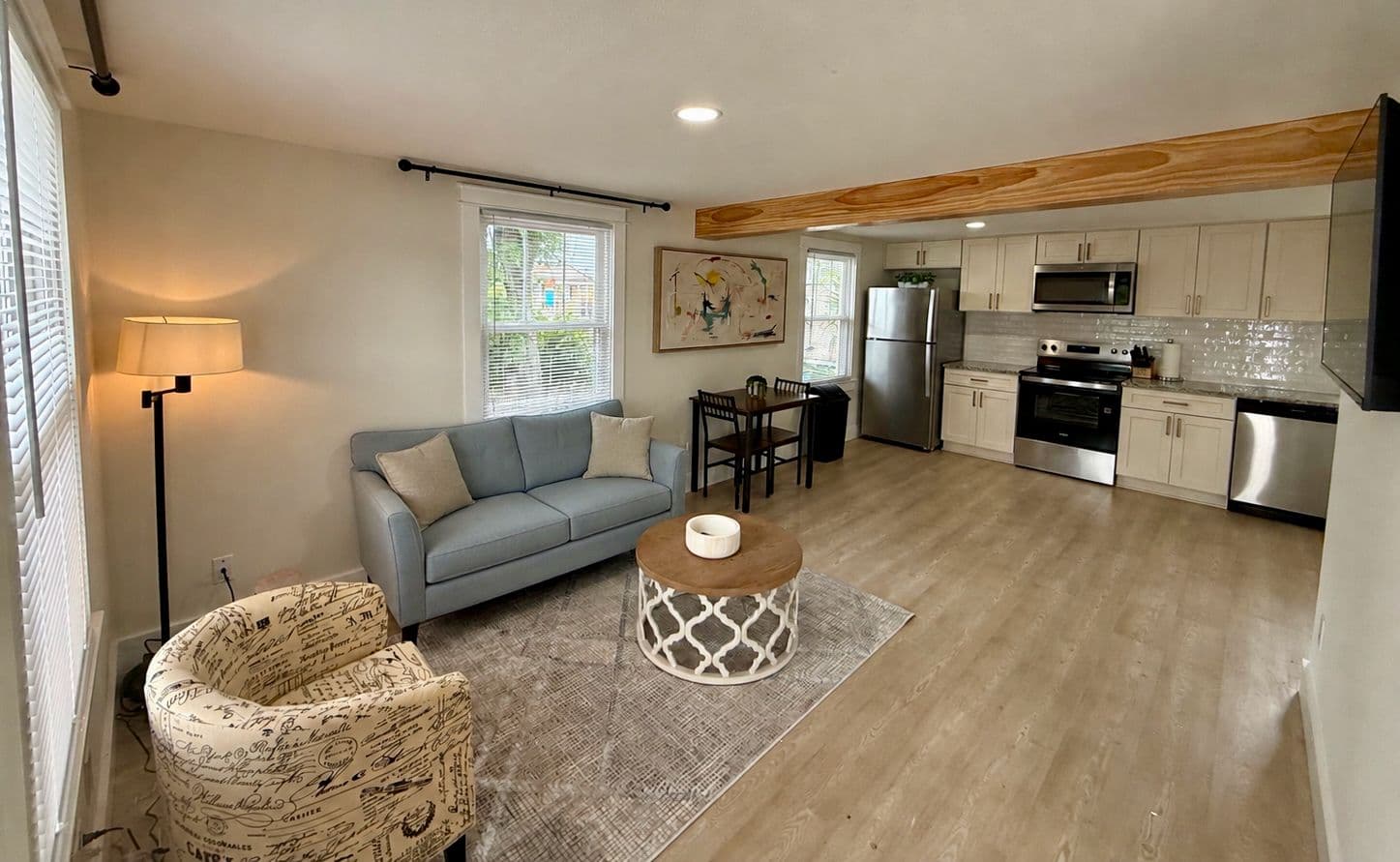
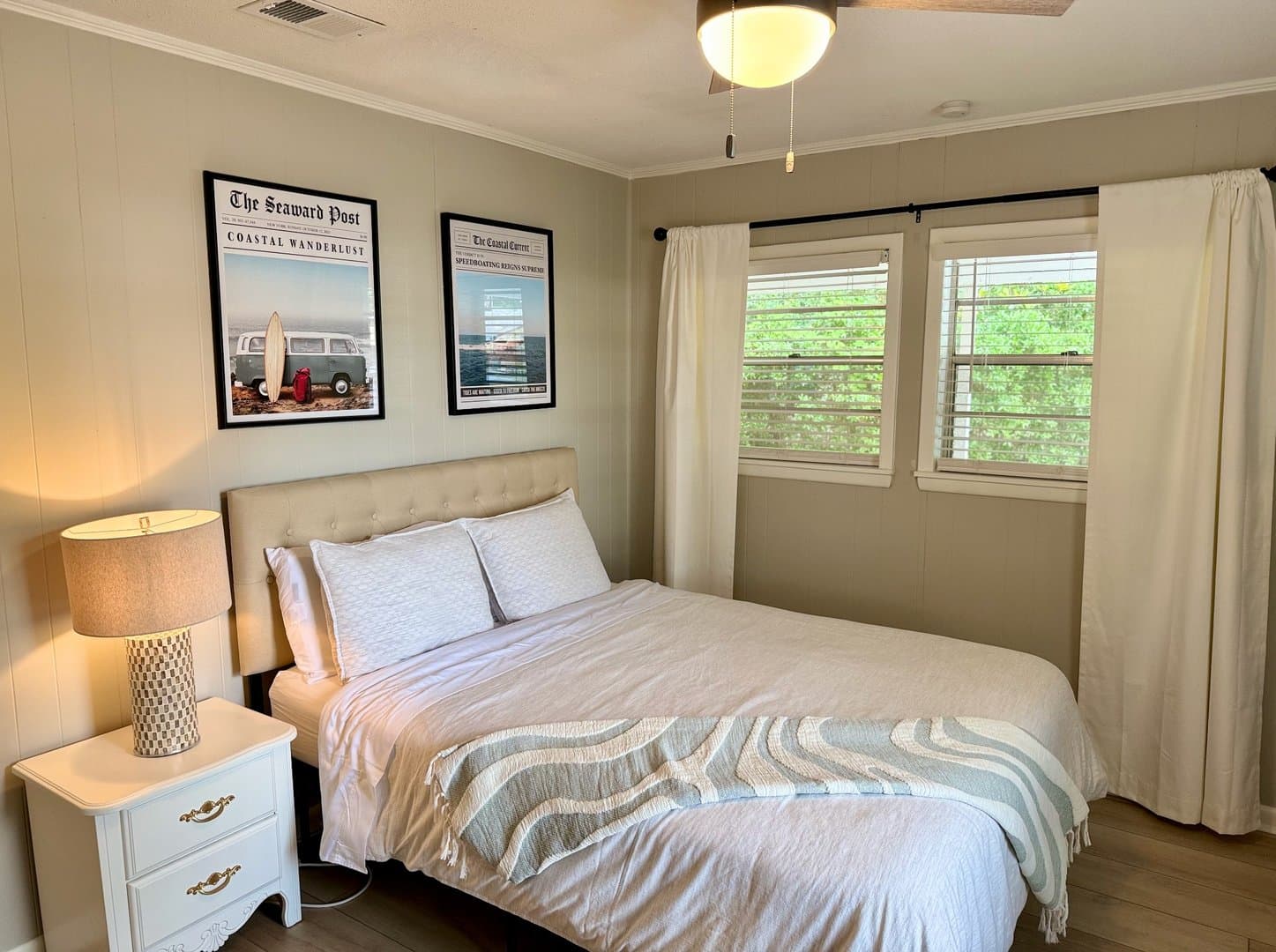
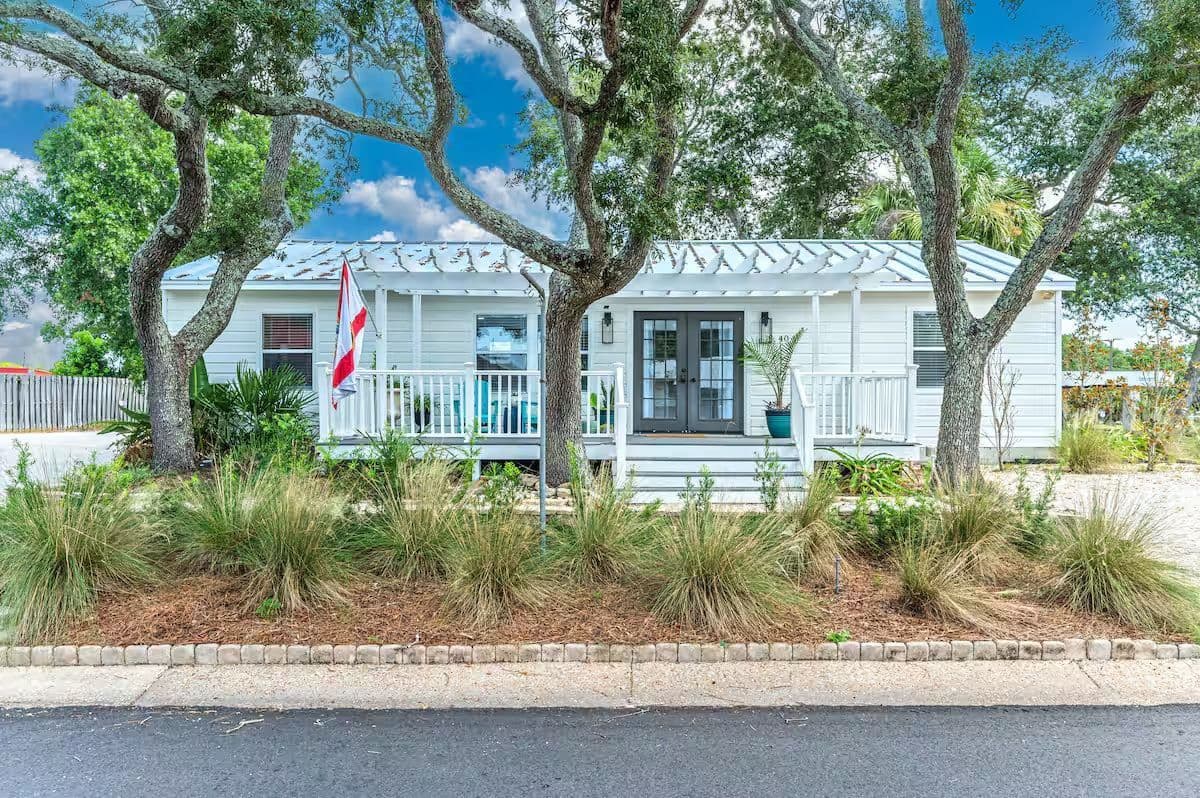
For example, furnished options near Eglin AFB and Hurlburt Field include TDY Lodging Near Eglin AFB & Hurlburt Field – 2-Bed Home by the Beach - DTS Approved and TDY Hurlburt Eglin - Downtown FWB Condo 2bed/2bath/office.
The most practical answer is this: Airbnb may provide broad visibility, but TDY Hero can provide better alignment when the goal is renting to military members. Owners should compare the platforms not only by website traffic, but also by whether the inquiries, booking terms, pricing structure, and guest expectations match the TDY housing use case.

Why Military Rentals Are Different From Vacation Rentals
Military temporary lodging is not the same product as a weekend vacation rental. A TDY guest may need a furnished home for 30, 60, 90, or 120 days, often because of formal orders, training timelines, aircraft qualification, medical rotations, staff assignments, or temporary duty at a nearby installation. The guest is usually not shopping for a themed getaway. The guest is trying to stay mission-ready, manage reimbursement correctly, and live comfortably away from home.
This difference affects nearly every owner decision. Vacation guests may care most about entertainment districts, scenic views, hot tubs, and photo-worthy design. Military guests tend to prioritize commute predictability, a quiet sleep environment, desk space, laundry, strong Wi-Fi, blackout curtains, cookware, parking, and a clear monthly cost. A property that feels ordinary to a vacationer may be ideal for TDY if it is clean, practical, close to the gate, and easy to document.
The stay length also changes the economics. A vacation rental might rely on premium weekend rates, seasonal spikes, cleaning fees, and frequent turnover. Military furnished housing often performs best when it captures longer stays with fewer gaps, fewer cleanings, and steadier monthly revenue. For owners tired of managing constant check-ins and checkouts, the military TDY model can be appealing because one well-matched guest may occupy the property for an entire training block.
Airbnb’s platform architecture was built primarily around travel stays, even though it supports monthly rentals. A military-focused platform can better reflect how TDY guests actually evaluate lodging. When owners compare TDY Hero vs Airbnb for military rentals, the main issue is not which website is more famous. The issue is which platform presents the property in the language military guests already use when deciding where to live during an assignment.
Owners weighing channel strategy may also want to compare whether renting to military TDY guests is more profitable than Airbnb in their specific market.
Guest Intent: Broad Marketplace Traffic Versus Military-Focused Demand
Airbnb’s biggest advantage is broad consumer awareness. Many travelers already have an account, understand the booking flow, and search there by habit. For owners in tourism-heavy locations, that broad reach can be valuable. The challenge is that broad traffic is not the same as qualified military demand. A listing may receive views from vacationers, remote workers, family visitors, event travelers, and people browsing casually, even if the owner’s ideal stay is a 60-day TDY guest.
Military-focused demand is different because the search begins with a real lodging problem. The guest may have report dates, a duty location, a desired commute radius, and a maximum reimbursable lodging amount. That guest is less likely to be comparing a downtown loft against a beach cottage for fun and more likely to compare furnished homes by distance to base, total monthly cost, utilities, receipt clarity, and whether the property supports an extended stay.
TDY Hero positions furnished rentals in front of travelers who are already looking for military-relevant lodging. This can reduce the mismatch that owners experience on broader platforms, where inquiries may come from guests who want one weekend, ask for large discounts, do not understand mid-term lease expectations, or are not connected to the nearby installation. Better intent does not guarantee every inquiry becomes a booking, but it can make the conversation more efficient.
For owners, the value of targeted exposure is measured in time saved as much as revenue earned. Fewer unsuitable inquiries, fewer explanations about monthly pricing, and fewer back-and-forth messages about base access, utilities, and documentation can improve operations. A platform that attracts the right audience can outperform a larger platform that sends too many mismatched leads.

Pricing, Fees, and Per Diem-Friendly Presentation
Military guests often evaluate lodging through the lens of per diem, even when the final reimbursement details depend on orders, the duty location, command guidance, the Joint Travel Regulations, and the traveler’s authorization. Owners do not need to become travel clerks, but they do need to understand that military guests frequently ask whether the nightly or monthly cost is reasonable for the area and whether the invoice can support reimbursement review.
Airbnb pricing can feel confusing for longer stays because the guest may see nightly rates, cleaning fees, service fees, taxes, discounts, and platform charges bundled in different ways. This is normal for a vacation marketplace, but it can create friction for military guests who need a clean lodging total. A rate that appears within budget at first may look less attractive after fees are added, especially on longer stays where the traveler is comparing total lodging cost against per diem limits.
TDY Hero can give owners a more direct way to position rentals for military stays by emphasizing furnished, off-base lodging details that matter to TDY travelers. Owners can think in terms of all-inclusive monthly pricing, utility treatment, deposits, pet fees, parking, and receipt expectations instead of relying only on nightly vacation pricing. The goal is not to promise reimbursement. The goal is to present pricing in a way that military guests can evaluate quickly and responsibly.
For more on keeping the total cost cleaner for travelers, see this guide on how to avoid Airbnb fees when renting to military guests.
Owners should still price carefully. A property that is too expensive for the local military lodging market may sit vacant, while one priced too low may leave income on the table. The strongest approach is to compare nearby hotels, extended-stay options, furnished rentals, and current demand around the installation. Then the owner can create a pricing structure that is attractive to military travelers while still protecting operating costs, utilities, maintenance, insurance, and cleaning.
Length of Stay, Calendar Control, and Turnover Strategy
One of the biggest operational differences between Airbnb and a military-focused rental strategy is calendar rhythm. Airbnb often rewards owners who capture short stays at higher nightly rates, especially in markets with weekend tourism, events, or seasonal travel. That can generate strong revenue, but it also creates more cleanings, more guest screening, more messages, more wear on linens, and more opportunities for small issues to become reviews.
Military TDY housing tends to work better when the property is available for longer blocks. A 45-day, 70-day, or 120-day stay may not produce the same headline nightly rate as a holiday weekend, but it can reduce vacancy, stabilize cash flow, and simplify operations. Owners near training pipelines may benefit from aligning minimum stays with known assignment lengths, such as 30-day minimums or monthly pricing for longer orders.
Airbnb’s calendar tools can support long stays, but the platform is still built around date-by-date availability and consumer booking behavior. Owners may have to block calendars, adjust discounts, restrict check-in dates, and decline short stays that interfere with a more valuable mid-term booking. Those restrictions can be managed, but they require discipline. Without a clear strategy, an owner can accidentally fill a calendar with short gaps that make the property unavailable for the military guest they actually want.
A military-focused listing strategy should treat vacancy gaps as a key cost. If a property is booked for three weekends but unavailable for a 60-day guest because of fragmented dates, the owner may lose the better opportunity. TDY Hero supports the mindset that a furnished rental is not just a nightly accommodation; it is temporary housing for a defined assignment. That distinction matters when owners are trying to build predictable occupancy rather than chase every possible booking.
Documentation, Receipts, and Payment Expectations
Military guests often ask practical questions before booking: Can the owner provide a receipt? Is the lodging cost itemized? Are taxes or fees shown clearly? Are utilities included? Can the stay be documented for DTS or the traveler’s voucher? Owners should avoid giving official reimbursement advice unless they are qualified to do so, but they can make the lodging transaction cleaner by preparing accurate records and transparent terms.
Airbnb provides receipts through its platform, which can be convenient for many travelers. However, some military guests find platform-generated receipts difficult to reconcile if service fees, taxes, refunds, date changes, or split payments appear in ways that do not match their authorization. This is not necessarily a platform failure; it is a mismatch between consumer travel software and the documentation habits of official travel.
Owners who rent directly or through a military-focused marketplace should be ready to provide a professional lodging receipt that includes the guest’s name, property address or lodging location, dates of stay, nightly or monthly rate, taxes where applicable, fees, payments received, and any balance due. The agreement should clearly state what is included, such as utilities, Wi-Fi, parking, furniture, and laundry access. If a traveler uses a Government Travel Card, payment handling should be discussed in advance and documented clearly.
TDY Hero can help set expectations because the audience is more likely to understand why lodging documentation matters. For owners, this reduces confusion and builds trust. The owner does not need to determine whether a traveler will be reimbursed; the owner needs to provide accurate lodging records, consistent pricing, and clear communication so the guest can manage the official side with the appropriate travel office.

Trust, Screening, and Communication Quality
Trust is one of the strongest reasons owners consider military-focused rentals. Furnished homes are expensive assets, and owners want guests who will respect the property, follow house rules, and communicate early if something changes. Military members are not automatically perfect guests, but many are accustomed to structure, accountability, and clear expectations. That can make the rental relationship smoother when the property is well managed and the terms are direct.
Airbnb has a large review ecosystem, identity tools, and platform messaging. Those features can be helpful, especially when hosting strangers from a broad market. The challenge is that reviews often reflect vacation behavior rather than mid-term housing behavior. A five-star weekend guest may not have the same needs as a 90-day TDY guest living in the home, cooking daily, using the laundry, parking a vehicle, and working at a desk every evening.
Communication quality also differs. Military guests may need to discuss orders, report dates, possible extensions, early departures, pets, family visits, or unit-driven schedule changes. Owners should expect practical conversations rather than casual vacation questions. A strong listing should answer these issues upfront: minimum stay, extension policy, cancellation terms, parking rules, utility caps, quiet hours, pet requirements, maintenance access, and cleaning expectations during longer stays.
In the Navarre and Pensacola Beach area, listings like Hurlburt/Eglin TDY home minutes to Navarre and Pensacola Beach. 3bd 2 bath. All new furniture! show how practical details can support longer military stays.
TDY Hero is useful because it concentrates the conversation around furnished housing for military-related needs. Owners still need their own screening standards, lease terms, insurance, local compliance, and deposit policies. However, the platform context can make it easier for both sides to talk about the real issues that affect a TDY stay instead of forcing a long-term housing conversation through a vacation-rental template.
When Airbnb May Still Be the Better Tool
Airbnb can still be the better tool for certain owners and markets. If the property is in a major tourist destination, has strong weekend demand, commands premium nightly rates, or depends on vacation visibility, Airbnb may produce higher gross revenue during peak periods. Owners with unique cabins, beach condos, downtown lofts, or event-driven properties may benefit from the platform’s reach and consumer habit.
Airbnb may also be useful for filling short gaps between longer military stays. For example, if an owner has a 12-day opening between two mid-term bookings, a short-stay platform could help monetize that gap. This strategy requires careful calendar management, cleaning coordination, and rule enforcement, but it can work in markets where both vacation and military demand exist. Owners should avoid letting short bookings block more valuable military assignments unless the financial tradeoff is clear.
Some owners also prefer Airbnb’s all-in-one booking flow, guest reviews, automatic tax handling in certain jurisdictions, and familiar payment system. These conveniences are real. The tradeoff is that owners may accept platform rules, guest-service expectations, service fees, cancellation structures, and algorithm changes that are not built specifically for TDY housing.
The best platform is not determined by brand recognition alone. It is determined by the property’s highest-value use case. If an owner wants leisure travelers, Airbnb may remain a strong channel. If the owner wants military members on official or relocation-related stays, a targeted military lodging strategy may provide better fit, steadier calendars, and less wasted communication.

How Owners Can Use Both Platforms Strategically
Many owners do not need to choose one platform forever. A practical strategy is to define the property’s ideal booking first, then use platforms according to that goal. If the target is a 60- to 120-day TDY stay, the owner can prioritize military-focused listing language, monthly pricing, base commute details, and furnished-housing amenities. If the calendar has shorter gaps, the owner can decide whether broader platforms are worth the additional turnover.
The key is avoiding calendar conflict. Owners should not let multiple channels create double bookings, confusing rates, or inconsistent cancellation terms. A property listed in more than one place needs a disciplined calendar system, quick response habits, and clear written policies. Minimum stays should be aligned with the owner’s income strategy. If the property performs best as mid-term military housing, short stays should be used selectively rather than allowed to dominate the schedule.
Listing language should also change by channel. A generic vacation description may highlight nightlife, tourist attractions, and décor. A military-focused description should emphasize commute time to base, quiet bedrooms, workspace, Wi-Fi speed, parking, in-unit laundry, full kitchen, utilities, pet policy, and flexibility for orders-related changes. Owners who understand these differences tend to attract better-fit guests and spend less time answering repetitive questions.
Another example is Welcome to the Beautiful SunDown Home in Navarre! All new furniture!, which can be positioned around furnished comfort, commute clarity, and extended-stay readiness instead of only vacation appeal.
TDY Hero can serve as the primary channel for owners who want military members to see the property as temporary housing rather than a vacation rental. Airbnb can remain a supplemental channel if the owner has a clear reason to use it. The strongest owners treat platforms as tools, not identities. Each channel should support the property’s revenue model, guest profile, and operational capacity.
Final Thoughts
So, is TDY Hero better than Airbnb for renting to military members? For owners focused on TDY, PCS, training, and furnished housing near military installations, the answer is often yes. A military-focused platform is better aligned with how these guests search, compare, document, and live in temporary lodging. That alignment can matter more than raw website traffic.
Airbnb remains a powerful general marketplace, and it may still be valuable for vacation-heavy properties or short calendar gaps. However, owners should recognize that military rentals are a specialized housing category. The most successful properties are not simply furnished; they are priced, documented, described, and managed for the needs of military guests.
Owners who want to compete for military stays should think beyond listing exposure. They should prepare clear receipts, practical amenities, reliable Wi-Fi, laundry access, parking, flexible but written terms, and a rate structure that makes sense for longer assignments. They should also highlight commute details and total cost with the clarity that military travelers expect.
TDY Hero gives owners a more focused way to reach the guests they actually want if the goal is renting to military members rather than attracting general travel demand. The better platform is the one that brings the right guest, supports the right length of stay, and helps the owner operate a furnished rental with fewer mismatches and more predictable results.