Understand What TDY Guests Are Really Searching For
A strong short-term rental listing for military travelers is not built around vacation appeal. TDY guests usually search with a mission-first mindset: proximity to base, predictable costs, reliable Wi-Fi, laundry access, a comfortable bed, easy parking, and enough privacy to maintain a routine for several weeks or months. If you want your property to stand out, the listing needs to answer practical questions quickly and clearly.
Unlike weekend leisure travelers, TDY guests often compare lodging options against per diem limits, DTS documentation requirements, commute time, and the realities of an extended assignment. A beautiful property can still be overlooked if the listing does not explain whether utilities are included, whether the rent is structured monthly or nightly, whether a receipt can be provided, or whether the home supports a quiet work-and-rest schedule.
TDY Hero helps connect property owners with military travelers who are already looking for furnished, off-base housing. That gives your listing a more targeted audience than a broad vacation rental platform, but it also raises the importance of military-specific details. The best-performing listings speak directly to the needs of a TDY guest instead of relying on generic hospitality language.
If you are still refining your audience and message, this guide to market your short-term rental directly to military personnel pairs well with the listing advice here.
Before changing photos or adjusting rates, review your listing from the traveler’s point of view. A guest may be arriving after long travel days, working an irregular schedule, or trying to coordinate lodging with orders that can change. The more your listing reduces uncertainty, the more professional and bookable it becomes.

Lead With Photos That Prove Comfort, Function, and Readiness
Photos are often the first filter a traveler uses to decide whether a listing deserves closer attention. For TDY housing, the strongest photo set does more than show that a home is furnished. It proves the property is ready for daily living. Clear images of bedrooms, workspaces, laundry, kitchen storage, parking, and entry access help a guest imagine the stay in practical terms.
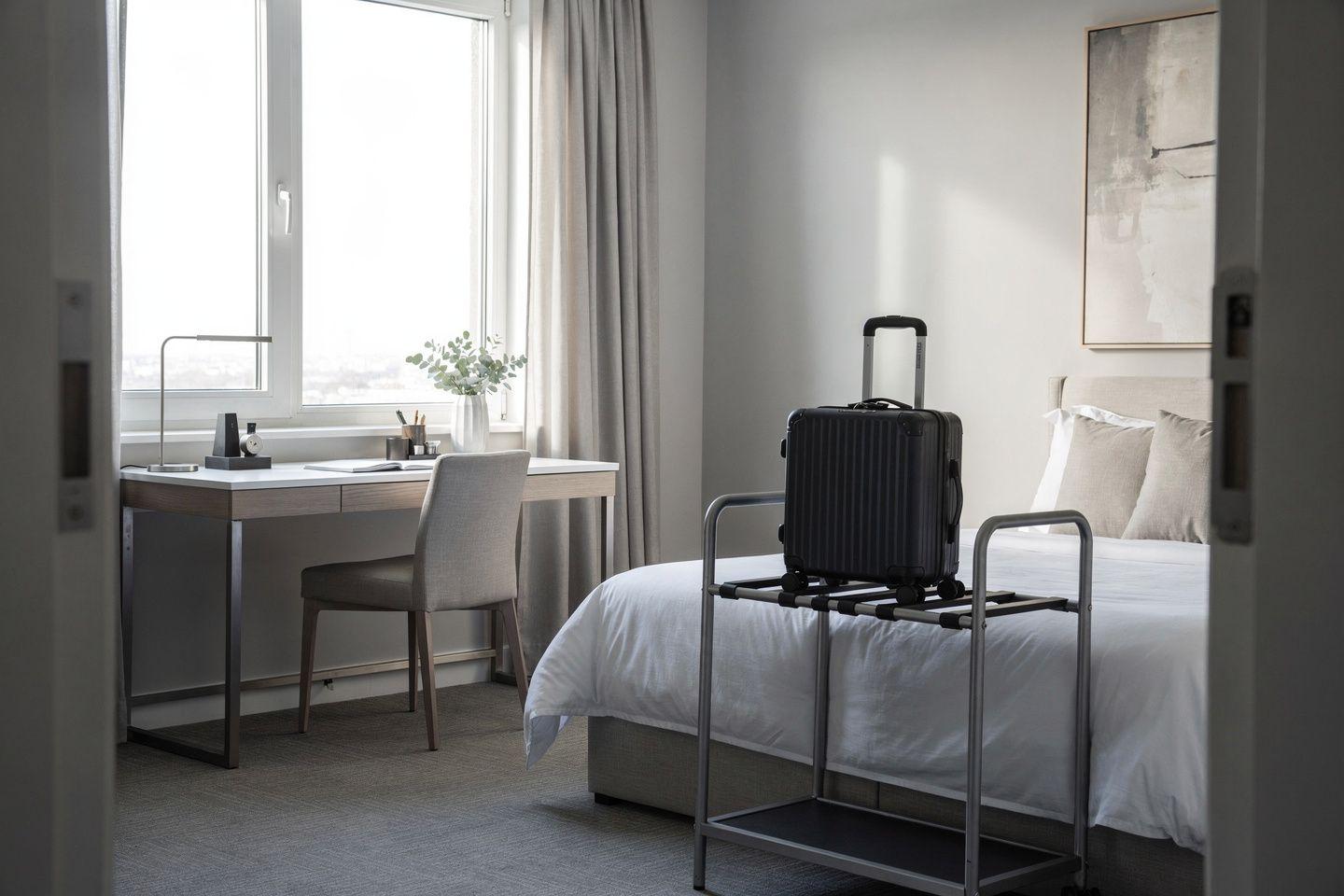
The first image should not always be the living room. For military travelers on extended assignments, a bedroom with quality bedding, a dedicated desk by a window, or a clean in-unit workspace may be more compelling. A guest wants to know where sleep will happen, where a laptop can be used, and whether the home supports routine, privacy, and productivity. If your property has blackout curtains, a luggage rack, a queen or king bed, a nightstand with outlets, or a proper desk chair, those features deserve visual emphasis.
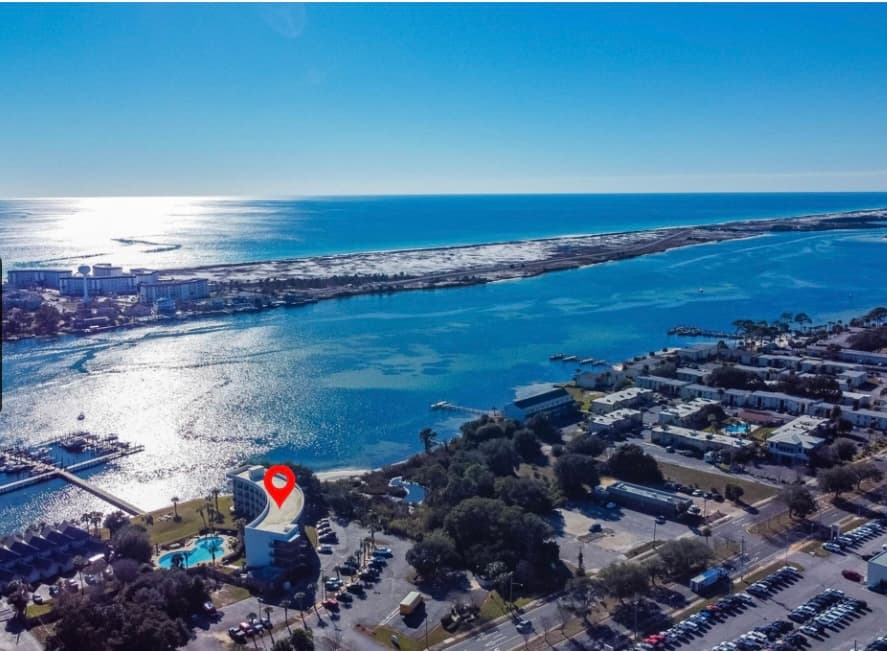
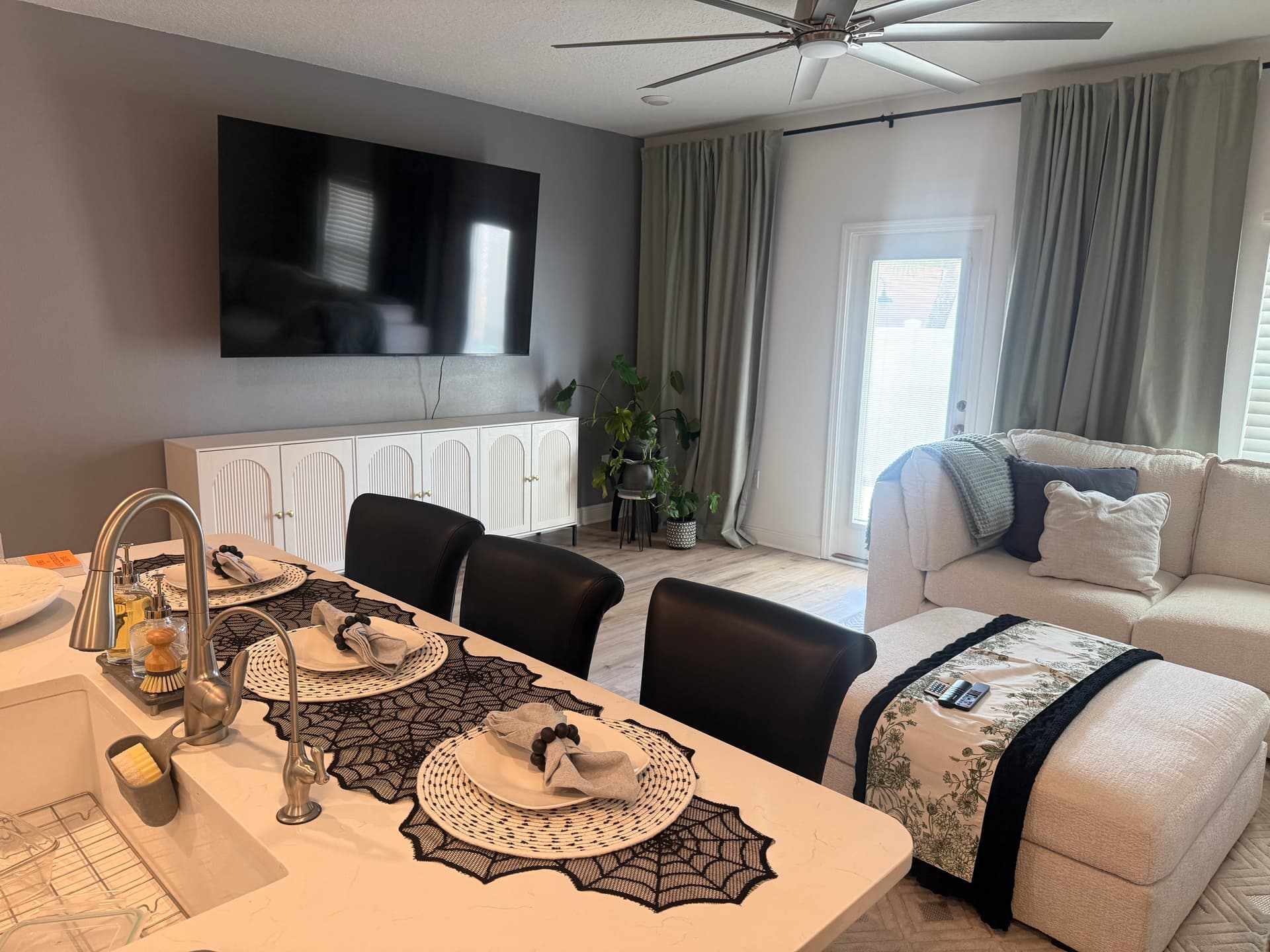
Avoid dark, angled, or cluttered photos that make rooms feel smaller or less maintained than they are. Open curtains, turn on lamps, remove personal items, and photograph spaces from corners when possible. Kitchen counters should be clear, beds should be tightly made, and bathrooms should look hotel-clean. Exterior photos should show the building, parking area, entrance, and neighborhood context without exposing sensitive address details.
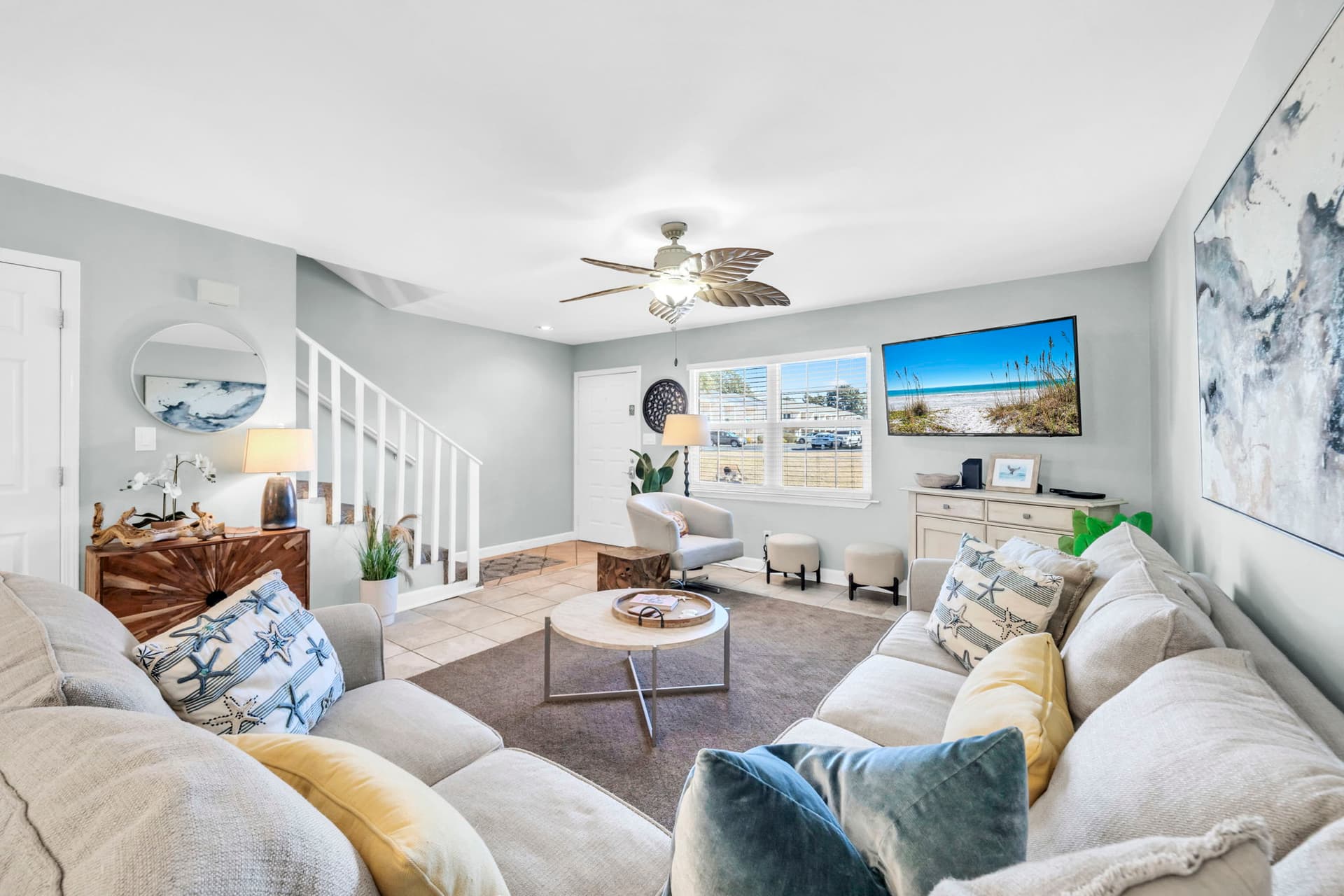
A complete photo order might start with the strongest bedroom or workspace, then show the main living area, kitchen, bathrooms, laundry, parking, exterior, and any outdoor space. On TDY Hero listings, this type of sequence helps travelers quickly confirm whether the property fits a long-stay routine instead of forcing them to guess from decorative images alone.
For example, furnished options like TDY Lodging Near Eglin AFB & Hurlburt Field – 2-Bed Home by the Beach - DTS Approved show how practical photos and clear long-stay details can work together.
Write a Title and Opening Summary That Match Military Search Intent
A listing title should be specific enough to help a TDY guest understand the core advantage of the property before opening the full description. Generic titles such as “Cozy Home Near Everything” or “Beautiful Furnished Rental” do not communicate the information a military traveler needs. Stronger titles mention the base area, property type, commute advantage, privacy level, bedroom count, or included amenities.
A better title might highlight “Furnished 2-Bed Home With Garage and Desk Near Base” or “Private Studio With In-Unit Laundry and Utilities Included.” The goal is not to overstuff keywords or make promises the property cannot support. The goal is to present the most relevant decision factors in plain language. If the property is especially good for solo travelers, families, pets, flight students, contractors, or longer assignments, the title and first sentence should make that clear.
The opening summary should answer three questions: what the property is, who it is best suited for, and what makes it convenient for TDY. For example, a furnished townhouse with two bedrooms, driveway parking, fast Wi-Fi, and a 15- to 20-minute commute should say so immediately. A traveler comparing multiple TDY Hero listings may only skim the first few lines before deciding whether to continue.
Avoid vague claims such as “perfect location” unless the listing explains why. Perfect for one guest may mean five minutes from the gate, while another guest may prefer a quieter suburb with a garage, pet space, and family-friendly layout. Specificity builds trust. If the home is 12 miles from base, say that. If the commute varies during peak traffic, mention the typical range instead of overselling.
Make Amenities Easy to Scan and Hard to Misunderstand
Amenity clarity is one of the easiest ways to make a short-term rental stand out. TDY guests are not just browsing for nice extras; they are checking whether the property can support an assignment. Wi-Fi, laundry, parking, kitchen supplies, linens, climate control, workspace, and utilities are often decision-making essentials. If these items are included, they should be easy to find in the listing.
The most important amenities should appear in both the platform fields and the written description. A bullet-style section can help travelers scan quickly: high-speed Wi-Fi, dedicated workspace, washer and dryer, full kitchen, utilities included, driveway or garage parking, smart lock check-in, pet-friendly terms, blackout curtains, and a monthly cleaning option. If an amenity has limits, disclose them clearly. For example, if utilities are included up to a monthly cap, state the cap and explain how overages are handled.
The workspace deserves special attention. Many TDY travelers complete training materials, online tasks, voucher paperwork, or personal administration after duty hours. A kitchen table is better than nothing, but a dedicated desk, supportive chair, lamp, and nearby outlet can become a meaningful competitive advantage. A photo of that workspace reinforces the description.
For owners using TDY Hero, the strongest amenity presentation is practical, not flashy. A grill, pool, or game room can help, but they rarely compensate for weak Wi-Fi, poor bedding, limited parking, or unclear laundry access. If your rental already has the essentials, promote them confidently. If it does not, upgrading the basics usually improves listing performance more than adding decorative extras.

Show Pricing in a Way That Fits TDY Budgeting
Pricing for TDY guests should be simple to understand. Many travelers evaluate lodging against their authorized lodging rate, personal cash flow, and reimbursement process. If your listing has a nightly rate, monthly rate, cleaning fee, deposit, pet fee, or utility cap, the description should prevent surprises. Hidden or confusing charges can cause a guest to move on, even when the base rent is competitive.
A listing can stand out by explaining what is included in the rate. Utilities, Wi-Fi, trash service, lawn care, parking, and basic furnishings should be identified clearly. If your pricing is designed for 30-, 60-, or 90-day stays, say so. Military travelers often prefer predictable monthly lodging costs, especially when a TDY assignment lasts long enough to make hotel living uncomfortable or expensive.
Owners should also understand whether their market treats these stays differently by reviewing military rental short-term and mid-term rental laws before finalizing pricing and lease terms.
Property owners should avoid pricing only from a vacation rental perspective. Weekend demand, tourism calendars, and event pricing may matter in some markets, but TDY demand often follows training cycles, schoolhouse schedules, base operations, and assignment lengths. A rental that is slightly less profitable for a weekend traveler may be more stable and lower-turnover when booked by a long-stay TDY guest.
TDY Hero can help owners position listings for travelers who already understand furnished rental stays near military installations. To compete well, your pricing presentation should be transparent enough that a guest can quickly determine whether the property may fit within authorized lodging expectations or personal budget constraints. Clear pricing does not require promising reimbursement; it simply helps the traveler make an informed lodging decision.
Explain Commute, Parking, and Daily Logistics Honestly
For a TDY guest, the commute is part of the lodging experience. A property with attractive interiors can lose appeal if the listing does not explain how long it usually takes to reach the installation, whether traffic is heavy at gate times, or whether parking is reliable. Owners do not need to guarantee commute times, but they should provide realistic ranges based on typical driving conditions.
A strong listing includes the approximate distance to the main gate or commonly used gate, the typical commute range, and any known traffic considerations. If the home is closer to a quieter gate, near a major road, or positioned to avoid a difficult intersection, that information can help the guest choose. If the commute is longer but the neighborhood is quieter, larger, or better for families and pets, explain the tradeoff.
Parking is equally important. TDY travelers may arrive with a personally owned vehicle, rental car, or multiple vehicles if family members are staying at personal expense. Mention whether the property includes garage parking, driveway parking, assigned spaces, street parking, EV charging, or height restrictions. If an HOA or apartment community requires permits, include that information upfront.
Daily logistics also include grocery stores, gyms, pharmacies, fuel, and laundromats if laundry is not in-unit. These details should support the lodging decision, not turn the listing into a tourism guide. A traveler does not need a long list of attractions before knowing whether the home will function for the assignment. Practical convenience is the selling point.
Listings such as Hurlburt/Eglin TDY home minutes to Navarre and Pensacola Beach. 3bd 2 bath. All new furniture! can help owners see how location, commute, and daily convenience belong in the same conversation.
Build Trust With Policies, Documentation, and Communication
Trust is a major factor in military housing decisions. TDY guests may be booking from another state, coordinating around report dates, or trying to avoid reimbursement problems. A listing that clearly explains policies and documentation can feel safer than a property with better photos but vague terms. Owners should state cancellation terms, extension options, receipt availability, deposit handling, pet rules, guest limits, and check-in procedures.
Receipts matter. Many TDY travelers need itemized lodging documentation for voucher submission or internal review. Property owners are not responsible for approving reimbursement, but they can make the stay easier by providing professional invoices or receipts that show the lodging dates, rate, taxes or fees if applicable, payments received, and property information. If receipts are available, say so in the listing.
Communication speed also affects listing performance. A traveler working with limited time may contact several properties at once. Fast, clear responses can win the booking even if another property has slightly better amenities. Owners should prepare answers to common questions about availability, lease length, GTC or payment options, pet approval, utilities, extensions, and early departure terms.
TDY Hero gives owners a platform where military-focused lodging details are expected, which can reduce friction compared with general rental sites. Still, the owner’s professionalism remains central. A listing that looks complete, answers predictable questions, and responds promptly signals that the stay is likely to be organized and low-stress.

Use Description Structure That Converts Browsers Into Inquiries
A good listing description is not a block of promotional copy. It should be structured so a busy traveler can scan it quickly and still capture the key details. Start with the property’s strongest value proposition, then organize the description into sections such as “Best for,” “Property highlights,” “Sleeping arrangements,” “Work and Wi-Fi,” “What is included,” “Commute and parking,” and “Policies.”
Sleeping arrangements should be precise. List bed sizes, bedroom locations if relevant, and whether there is a sofa bed, crib, or air mattress. A guest traveling with family or sharing lodging with another authorized traveler may need to understand privacy and bathroom access before making contact. If bedrooms are on different floors or if one room is better suited as an office, include that context.
The description should also manage expectations. If the home is in a quiet residential neighborhood, mention quiet hours. If it is in an apartment community, explain parking, stairs, elevators, and shared amenities. If pets are allowed, state size limits, breed restrictions if any, pet fees, yard fencing, and nearby walking areas. Clear expectations reduce mismatched bookings and improve the odds of positive reviews.
The strongest TDY Hero listings avoid excessive adjectives and focus on useful proof. Instead of saying “fully stocked kitchen,” list the practical items: cookware, dishes, utensils, coffee maker, baking sheet, food storage containers, and full-size refrigerator. Instead of saying “fast internet,” provide the plan speed when known. Details turn a listing from appealing to credible.
Another useful example is TDY Hurlburt Eglin - Downtown FWB Condo 2bed/2bath/office, which makes the office setup part of the rental’s practical value.
Keep the Listing Fresh, Competitive, and Review-Ready
A short-term rental listing is not something to publish once and forget. TDY demand changes with training cycles, local inventory, seasonal conditions, and base activity. Owners should review their listings regularly to confirm that rates, photos, availability, amenities, and policies remain accurate. Outdated information can create guest frustration and weaken trust before the booking even begins.
Seasonal updates can make a listing more relevant. In hot climates, mention reliable air conditioning, ceiling fans, covered parking, or blackout curtains. In winter markets, highlight snow removal, garage access, heating, and proximity to main roads. In hurricane-prone or severe-weather regions, note practical preparedness features such as secure parking, storm shutters if available, backup supplies, or clear communication procedures. These details should be accurate and calm, not alarmist.
Reviews and guest feedback should guide improvements. If multiple guests ask about the same missing detail, add it to the listing. If travelers mention that the bed is comfortable, the Wi-Fi is reliable, or the commute is easy, highlight those strengths. Positive guest language can reveal what actually matters in the market better than owner assumptions.
TDY Hero listings can become more effective over time when owners treat them like a performance asset. Update photos after upgrades, remove outdated décor images, refresh descriptions when amenities change, and keep the calendar accurate. A current, complete listing signals active management, which is especially important to guests booking longer stays.
Final Thoughts
Making a short-term rental stand out on TDY Hero listings is less about flashy marketing and more about removing uncertainty. Military travelers need to know whether the property is comfortable, practical, fairly priced, commute-friendly, and documented well enough for the realities of TDY travel. A listing that answers those questions clearly will usually outperform one that relies only on attractive décor.
Property owners should focus first on the fundamentals: strong bedroom and workspace photos, transparent pricing, accurate commute information, essential amenities, clear policies, and fast communication. Once those pieces are in place, smaller upgrades such as better bedding, blackout curtains, a monitor-friendly desk setup, or monthly cleaning options can help the property feel more tailored to extended stays.
TDY Hero gives owners access to a military-focused audience, but the quality of the listing still determines whether a traveler feels confident enough to inquire or book. When your listing is specific, honest, and organized around the way TDY guests actually live, it becomes easier for the right guest to recognize the value of your property.
The best listings do not try to appeal to everyone. They clearly show who the property is best for, what is included, and why the stay will be easier than a generic hotel or vacation rental. That clarity is what helps a furnished rental move from being simply available to being the obvious choice for a TDY assignment.