

Why TDY Cancellations Need A Different Approach
A TDY furnished rental cancellation policy is not the same as a vacation rental cancellation policy. Vacation guests usually cancel because of personal preference, budget changes, weather concerns, or shifting travel plans. TDY guests are often traveling under official orders, training schedules, school dates, reporting instructions, and command-directed changes. That means the guest may want to stay, may have already planned the trip carefully, and may still need housing near the installation, but the timeline can change with limited notice.
For property owners, the challenge is balancing compassion with business reality. A furnished rental near a military base has fixed costs: mortgage payments, utilities, internet, insurance, lawn care, cleaning, software, supplies, and wear-and-tear reserves. If a guest blocks 30, 60, or 120 nights and cancels shortly before arrival, the lost revenue can be significant. At the same time, overly rigid terms can discourage high-quality military guests who need some flexibility because their schedules are not always fully under their control.
The best policy is clear, written, and predictable. It should explain what happens before check-in, after check-in, when orders change, when a guest delays arrival, and when a stay is shortened. Owners who list on TDY Hero can position their homes for military travelers while setting expectations before a booking request becomes a confirmed stay. A fair cancellation structure protects income, reduces misunderstandings, and helps serious guests feel confident that the owner understands TDY realities.
If you are still learning how travelers handle approvals, our DTS authorization guide is a useful companion to your written cancellation terms.

Understand The Most Common Reasons TDY Dates Change
Before writing a policy, property owners should understand why TDY guests cancel or revise dates. Training seats can move. Class start dates can shift. Aircraft, equipment, medical, administrative, or funding issues can delay a report date. A traveler may be placed on a different class roster, sent to another base, released earlier than expected, or extended beyond the original end date. In some cases, the guest receives updated orders. In others, the traveler receives informal notice first and paperwork follows later.
These changes are different from ordinary leisure cancellations because the guest may not be able to provide final answers immediately. An owner may hear that a class is “probably moving two weeks,” but the traveler may not yet have amended orders. A PCS family waiting on temporary lodging, a student awaiting training confirmation, or an instructor traveling for a short assignment may need the owner to hold dates while the chain of events becomes official. That uncertainty is exactly why the written policy matters.
Owners should also recognize that TDY changes can work in both directions. A guest may cancel, but a guest may also extend. A delayed arrival may be followed by a longer stay. A 45-day booking may become a 90-day booking if training runs long. TDY Hero helps owners reach travelers who are actively looking for furnished housing near their assignment location, which can make it easier to refill dates when a cancellation happens or to accommodate an extension when the property calendar allows.
Set A Clear Pre-Arrival Cancellation Window
The pre-arrival period is where most cancellation confusion begins. A good TDY furnished rental cancellation policy should define how much notice is required for a full refund, partial refund, or nonrefundable portion. Owners commonly use a tiered structure, such as a full refund if canceled 30 or more days before check-in, a partial refund if canceled 14 to 29 days before check-in, and a more limited refund inside 14 days. The exact timeline should reflect the local demand cycle, booking length, and how quickly the property typically rebooks.
Longer TDY stays often justify stronger cancellation protection because the owner has removed the property from the market for a larger block of time. A 90-night reservation canceled one week before arrival is much harder to replace than a three-night weekend stay. If the market near the base has strong year-round demand, the owner may be comfortable offering more flexible terms. If the property is in a slower market or serves a narrow training pipeline, a stricter window may be necessary to protect cash flow.
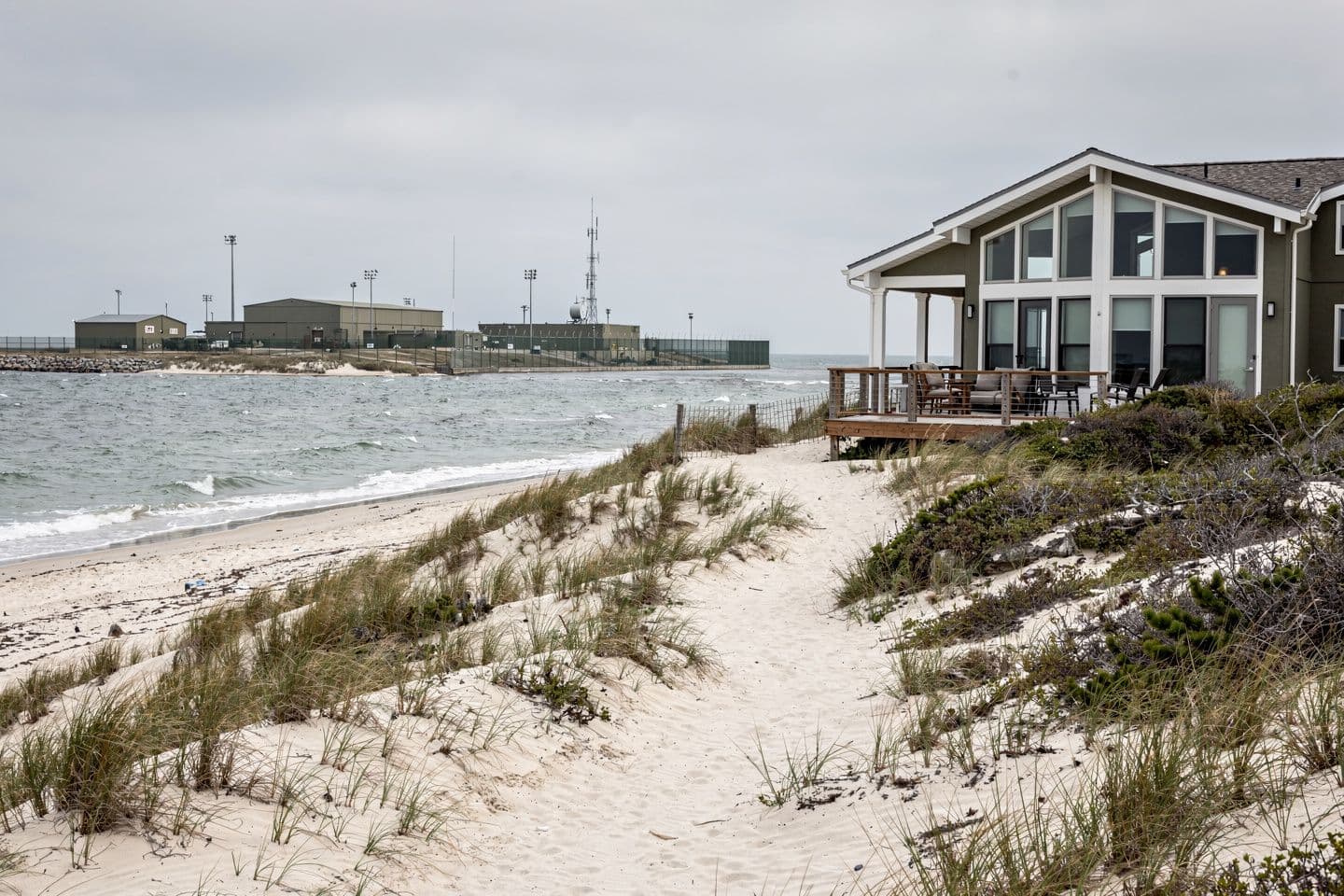
For example, coastal TDY markets can include furnished options like TDY Lodging Near Eglin AFB & Hurlburt Field – 2-Bed Home by the Beach - DTS Approved and Hurlburt/Eglin TDY home minutes to Navarre and Pensacola Beach. 3bd 2 bath. All new furniture!, where longer blocks of reserved time make clear terms especially important.
The key is to avoid vague language. Phrases like “reasonable notice” or “case by case” can create disagreement later. Instead, the listing, rental agreement, and booking message should state the number of days, the refund percentage, and whether any administrative, cleaning, or reservation fees are refundable. If the owner is willing to make exceptions for official order changes, that should be written separately so guests understand when documentation may be required.

Decide How To Handle Official Orders Changes
Official orders changes are one of the most sensitive parts of military lodging. A traveler may receive amended orders that cancel the TDY, change the location, move the dates, or shorten the authorized period. From the guest’s perspective, the change is not optional. From the owner’s perspective, the blocked calendar still creates lost revenue. A fair policy should respect both sides by defining what documentation is needed and what remedy is available.
Owners can consider offering a special military orders clause. For example, the policy might state that if the guest provides amended orders showing cancellation or location change before check-in, the owner will refund unused rent minus a stated administrative fee or any nonrecoverable costs. Another option is to offer a date credit when the guest’s assignment is delayed but not canceled. Credits can be useful when the guest still needs housing later, but they should have an expiration date and should be subject to property availability.
It is important not to ask for more information than necessary. Owners usually do not need sensitive operational details, full social security numbers, medical information, or anything unrelated to the lodging change. A redacted copy of amended orders, a reporting instruction update, or written confirmation from the traveler’s official travel channel may be enough, depending on the policy. TDY Hero gives owners a military-focused environment where these conversations are more common, but the owner’s written documentation standards should still be professional, limited, and consistent.
Protect Revenue With Deposits, First Payments, And Rebooking Terms
A cancellation policy works best when it is supported by a sensible payment structure. If an owner collects nothing until arrival, the owner carries nearly all the risk. If the owner requires the entire stay upfront with no flexibility, the guest may hesitate, especially for longer TDY assignments. Many owners find a middle ground by collecting a reservation deposit or first payment at booking, then collecting future payments monthly or according to the agreed schedule.
The policy should state whether the deposit is refundable, when it becomes nonrefundable, and whether it can be applied to a future stay. A reservation deposit is not just a fee; it is compensation for holding the calendar and declining other inquiries. If the guest cancels late and the owner cannot rebook, keeping part or all of the deposit may be fair. If the owner rebooks the same dates at the same or higher rate, the policy can allow a partial refund as a goodwill measure.
A rebooking clause can reduce conflict. For example, the owner may state that if the canceled dates are successfully rebooked, the original guest may receive a refund for the recovered nights, minus agreed costs. This structure shows fairness without forcing the owner to absorb vacancy risk. It also gives the guest a clear explanation of why refunds depend on whether the property can be rented again. Owners using TDY Hero can keep their listing visible to military travelers when dates reopen, which may improve the chance of recovering revenue after a cancellation.
When dates reopen, keeping a polished listing such as TDY Hurlburt Eglin - Downtown FWB Condo 2bed/2bath/office easy to find can help the owner recover some or all of the canceled period.
Plan For Delayed Arrivals And No-Shows
Delayed arrivals are common in TDY housing, and they should be treated differently from full cancellations. A guest may be approved for travel but delayed by flight changes, vehicle issues, duty requirements, weather, or revised reporting instructions. If the guest still intends to occupy the property, the owner needs to decide whether rent starts on the original check-in date or the actual arrival date. In most furnished rental arrangements, rent begins on the reserved start date because the home is being held for that guest.
The policy should clearly state how delayed arrivals are handled. If the guest arrives three days late, the owner is generally not able to rent those three nights to someone else. Therefore, the booking usually remains payable from the original start date unless the owner voluntarily offers relief. Some owners offer one or two grace nights for documented travel delays, while others keep the original rent schedule but waive certain check-in or rescheduling charges. Either approach can work if it is explained upfront.
No-shows need even more clarity. A no-show occurs when the guest does not arrive, does not communicate, or fails to complete required payment or paperwork by the agreed deadline. The policy should say how long the owner will hold the unit without communication and what happens to payments already made. Because military guests often travel long distances and may have limited communication during transitions, it is wise to send reminders before enforcing a no-show clause. Still, the owner should not leave the calendar frozen indefinitely.

Write Mid-Stay Cancellation And Early Departure Rules
Mid-stay cancellations can be more complicated than pre-arrival cancellations. Once the guest has moved in, the owner has already incurred cleaning, setup, administrative, utility, and opportunity costs. The guest may leave because training ends early, orders change, family needs arise, or the property does not meet expectations. A strong policy should separate official early release from guest preference and from owner-caused issues, because each situation calls for a different response.
For official early departure, many owners require written notice and documentation, then charge rent through a defined notice period. For example, the policy may require 14 or 30 days’ notice for early termination unless prohibited by applicable law or superseded by the rental agreement. If the guest is leaving because orders were shortened, the owner may choose to refund unused days after the notice period or after the unit is rebooked. The goal is to avoid surprise losses while acknowledging that TDY timelines can change.
If the guest leaves because the property has a serious unresolved habitability issue, the owner should handle that differently. Functional heat, air conditioning where expected, plumbing, safety, access, and accurate listing details matter. A cancellation policy should never be used to excuse a property that is not as represented. Owners who maintain clean, well-equipped, TDY-ready homes are less likely to face disputes. On platforms like TDY Hero, accurate descriptions, current photos, and clear amenity details help guests choose the right rental before arrival.
Owners in colder or more operationally sensitive markets may also want to think through seasonal expectations, as covered in our winter-ready furnished rentals guide.
Put The Policy In The Listing, Agreement, And Messages
A cancellation policy only works if the guest can find it and understand it before booking. Owners should include the major terms in the listing description or booking rules, then repeat the full terms in the rental agreement. The agreement should define cancellation deadlines, refund calculations, documentation requirements, early departure rules, delayed arrival terms, and any fees. If payments are scheduled monthly, the agreement should also explain whether future unpaid months are canceled, payable, or subject to a notice period.
Pre-booking messages are also important. A concise summary can prevent misunderstandings before money changes hands. For example, an owner might write: “This home is held exclusively for confirmed guests. Cancellations 30 or more days before arrival are refundable except the reservation fee. Cancellations inside 30 days are refundable only for nights successfully rebooked. Official orders changes may qualify for modified terms with documentation.” This type of plain-language summary helps the guest understand the commitment without reading legal language first.
Owners should avoid changing terms after a guest has booked. If the written agreement says one thing and a message says another, the inconsistency can create conflict. The cleanest process is to use the same policy across the listing, agreement, invoice notes, and check-in instructions. TDY Hero can help property owners present housing to the right audience, but owners still need their own written policies, local compliance awareness, and consistent communication.

Use Flexibility Strategically Without Becoming Unprotected
Flexibility can be a competitive advantage in the TDY market. Military travelers often appreciate owners who understand that official schedules change. A reasonable policy can lead to better inquiries, stronger guest relationships, repeat bookings, and referrals within training communities. However, flexibility should be structured rather than unlimited. If every cancellation becomes a full refund regardless of timing, the owner may end up subsidizing uncertainty that should be shared more fairly.
A strategic approach is to define standard rules, then identify where discretion may apply. Owners might offer date shifts when the property is open, refunds for rebooked nights, credits for delayed classes, or reduced penalties for documented orders changes. They might also create different terms for different stay lengths. A 14-night stay may have a simpler cancellation rule, while a 120-night stay may require a larger deposit and longer notice period. The policy can be guest-friendly without ignoring the financial realities of a furnished rental business.
Different bases and housing markets may call for different rules, whether the property is a beach-area TDY home or a listing like Luxury TDY Lodging Near Shaw AFB - Renovated Off-Base Townhouse in Sumter, SC.
Owners should also track their own cancellation data. If cancellations are rare, a more flexible policy may attract additional bookings without much downside. If a particular training season produces frequent date changes, stricter deposits or shorter calendar holds may be necessary. Over time, owners can refine terms based on actual experience near the base. TDY Hero gives owners access to a focused military housing audience, which makes it easier to tailor policies to the way TDY travelers actually book, change, and extend stays.
Final Thoughts
A fair TDY furnished rental cancellation policy should protect the property owner’s income while recognizing that military travel is often governed by orders, not preference. The strongest policies are specific, written, consistent, and easy for guests to understand before booking. They explain what happens before arrival, after arrival, during delayed travel, after official orders changes, and when a stay ends early.
Property owners do not need to choose between being flexible and being protected. A tiered cancellation window, a clear deposit structure, a military orders clause, and a rebooking credit policy can create a balanced system. Guests know what to expect, and owners avoid making emotional decisions under pressure. The result is a more professional rental experience for both sides.
For owners who want to serve TDY and PCS-related travelers, the right platform and the right policy work together. TDY Hero helps connect furnished rentals with military guests who need practical, off-base housing near their assignment location. When the listing is accurate and the cancellation terms are clear, owners can build trust, reduce disputes, and operate with more confidence in the military furnished rental market.