

Why Mid-Stay Inspections Matter In TDY Housing
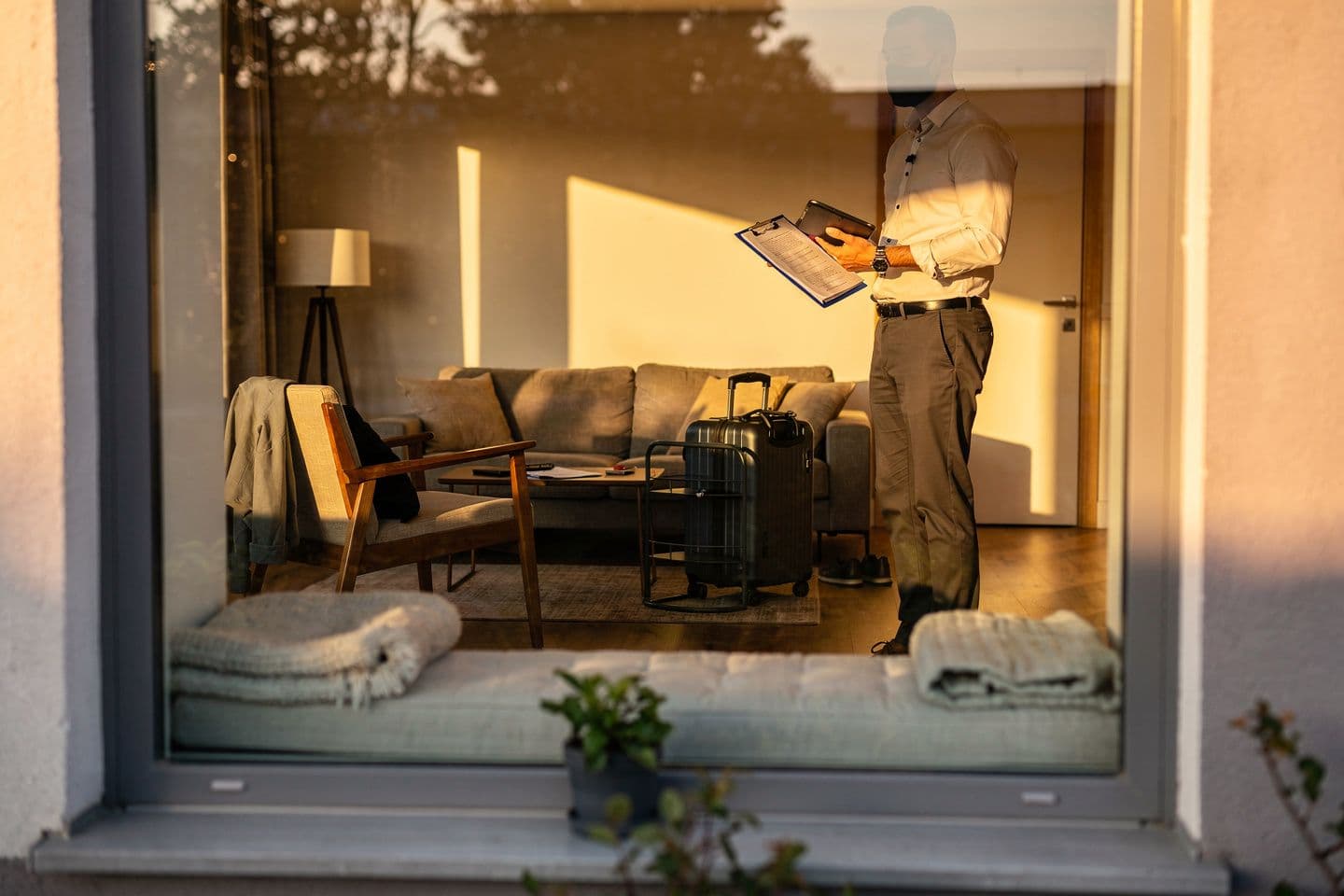
A furnished rental serving TDY guests is different from a weekend vacation rental and different from a traditional twelve-month lease. Guests may stay for 30, 60, 90, or 120 days while attending training, working temporary orders, or waiting on assignment timelines to settle. During that period, small maintenance issues can quietly turn into expensive repairs if the property owner never checks in. A mid-stay inspection gives you a structured way to confirm that the home remains safe, functional, and guest-ready without disrupting the stay.
The purpose of a mid-stay inspection is not to hover over the guest or make the rental feel less private. It is to protect the property, maintain a professional lodging standard, and solve problems early. A leaking sink, clogged HVAC filter, loose handrail, or slow-draining tub may not seem urgent to a busy TDY traveler, especially if the guest spends long hours away from the rental. For you, those small issues affect asset value, future bookings, and guest satisfaction.
Military travelers also tend to value predictability and clear expectations. If the inspection policy is disclosed before booking, written into the rental agreement, and handled respectfully, it can actually improve trust. TDY Hero helps property owners position their furnished rentals for military guests by emphasizing clear communication, practical amenities, and professional hosting standards. A simple inspection process supports all three.
If you are still setting expectations around payment and approvals, our DTS authorization guide can help frame off-base furnished rentals in a way that feels clear to both owners and travelers.

Set The Inspection Policy Before The Guest Arrives
The best mid-stay inspection begins before move-in day. Your listing, house rules, and rental agreement should explain whether inspections occur, how much notice is provided, who will enter the property, and what the inspection covers. Guests should never feel surprised by an owner visit halfway through the stay. A clear policy helps prevent misunderstandings and gives the guest confidence that the rental is managed professionally.
For TDY furnished rentals, a reasonable approach is to schedule one inspection every 30 days for longer stays, with additional visits only for repairs, emergencies, or agreed-upon services such as filter replacement or yard maintenance. The agreement should state that inspections will be limited to property condition, safety, and maintenance, not personal belongings. If the home includes private bedrooms, locked storage, a garage, or shared common areas, explain exactly what areas may be accessed.
Notice requirements vary by state and local law, so you should understand the rules that apply to your property. Even when the law allows shorter notice, a military-friendly standard is to provide at least 24 to 48 hours of advance notice unless there is an emergency. TDY Hero listings work best when owners are transparent about policies that affect the guest experience. A respectful inspection clause can help your property stand out from informal crashpads or poorly managed short-term rentals.
Choose The Right Timing For A TDY Guest’s Schedule
Timing matters more with TDY guests than many owners realize. A guest may be in class, on shift work, flying, attending exercises, or working irregular hours. Even if the rental agreement allows entry with proper notice, a poorly timed inspection can create frustration. The goal is to coordinate a short, predictable window that gives you access while respecting the guest’s demanding schedule.
Furnished options near Eglin and Hurlburt show how location and schedule can shape guest needs, including TDY Lodging Near Eglin AFB & Hurlburt Field – 2-Bed Home by the Beach and TDY Hurlburt Eglin - Downtown FWB Condo 2bed/2bath/office.
For a 30-day stay, a formal mid-stay inspection may not be necessary unless there are pets, multiple occupants, a high-value property, or known maintenance concerns. For 45- to 90-day stays, one inspection around the halfway point is usually reasonable. For 120-day or longer stays, a monthly maintenance walk-through may be appropriate, especially if the property includes a yard, pool, older plumbing, or appliances that need routine attention.
When requesting an inspection, keep the message concise and professional. Mention the estimated length of the visit, the items being checked, and whether the guest needs to be present. For example, the visit might take 15 to 20 minutes and include HVAC filter replacement, plumbing checks under sinks, smoke detector testing, and a quick review of appliance condition. A clear agenda reassures the guest that the inspection is routine, not personal.

Start With Safety, Security, And Access Items
Safety should be the first category on any mid-stay inspection checklist for TDY rentals. Test smoke detectors and carbon monoxide detectors, confirm that fire extinguishers are present and accessible, and make sure exterior lighting is working. Check stair rails, balcony railings, door locks, window locks, and garage access points. These items protect the guest and reduce liability exposure for the property owner.
Security features are especially important for military travelers who may be away from the rental for long days. Confirm that smart locks, keypad deadbolts, lockboxes, garage remotes, and gate access devices are functioning properly. If your property uses smart-home devices, verify that batteries are strong and that codes are current. Avoid changing access codes mid-stay unless needed for security or unless the guest has been notified in advance.
This is also a good time to look for trip hazards, loose rugs, damaged flooring, exposed cords, unstable furniture, or malfunctioning exterior steps. Furnished rentals have more movable items than unfurnished long-term rentals, so owners should pay attention to anything that could create a preventable injury. Document safety checks with dated notes or photos where appropriate, especially if the inspection reveals an issue that requires repair.
Inspect Plumbing, HVAC, Appliances, And Utilities
The most expensive mid-stay surprises often come from mechanical systems and water. Check under sinks for active leaks, moisture, soft cabinetry, or stains. Look around toilets, tubs, showers, water heaters, and laundry hookups. A slow leak behind a vanity or washing machine can cause thousands of dollars in damage if left unnoticed for two or three months. TDY guests may not report minor drips because they are focused on training or assume the issue is already known.
HVAC performance is another priority. Replace or inspect air filters, confirm that vents are not blocked, and ask whether the system is heating or cooling properly. In high-demand markets near desert, coastal, or humid bases, HVAC problems can quickly become guest satisfaction problems. A short inspection can catch dirty filters, thermostat issues, condensation concerns, or unusual system noise before they create an emergency repair call.
Owners in colder markets may also want to review winter-specific maintenance concerns in our TDY housing near Minot AFB guide.
Appliances should be reviewed for both function and cleanliness. Check the refrigerator temperature, freezer condition, dishwasher drainage, oven and cooktop operation, microwave function, garbage disposal, washer, dryer, and any small appliances included in the rental. Confirm that utility services are working as expected, including Wi-Fi, electricity, water, gas, trash service, and any included lawn or pool service. If the property is marketed as utilities included, reliability is part of the guest’s lodging experience.
Review Furniture, Linens, Inventory, And Guest-Ready Supplies
A TDY furnished rental is judged by comfort and function over the entire stay, not only by how it looks on check-in day. During the inspection, review high-use furniture such as beds, sofas, dining chairs, desks, nightstands, and barstools. Look for loose legs, sagging mattresses, broken drawers, stains, or signs that an item needs repair before the next booking. Addressing furniture issues mid-stay can prevent negative feedback and reduce turnover stress.
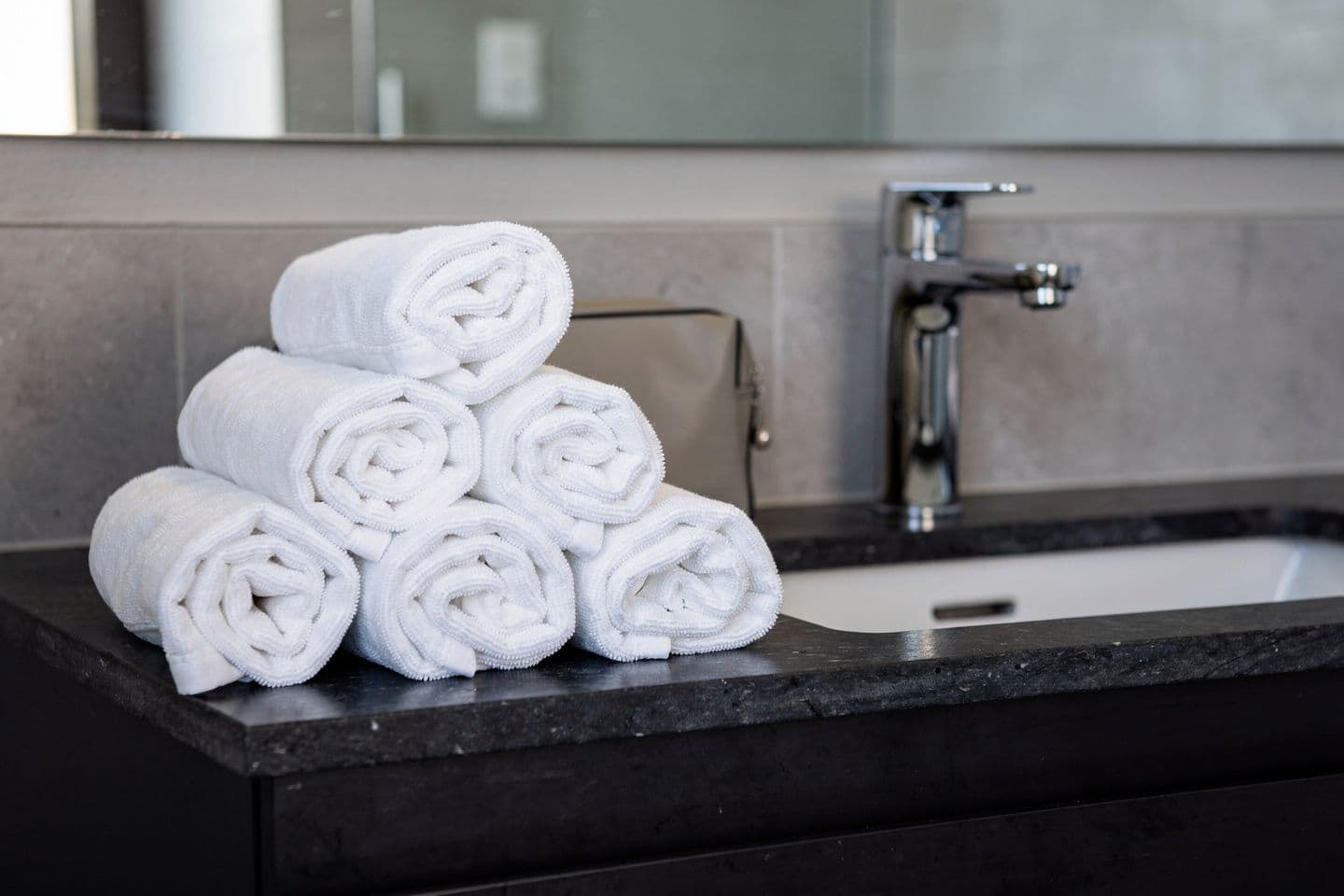
Linens and towels deserve a quick but respectful check if your agreement allows it and the guest understands the purpose. You do not need to inspect personal laundry or private belongings. Instead, confirm whether the supplied linens are holding up, whether extra bedding is still available, and whether the guest needs replacements for worn items. For longer TDY stays, offering a fresh mattress protector, extra towels, or replacement pillows can be a small gesture that improves the guest experience.
Inventory checks should be practical rather than intrusive. Confirm that essential kitchen items, remotes, workspace equipment, keys, parking passes, and access cards are still present and functioning. Restock only what the rental agreement includes, such as starter supplies, trash bags, light bulbs, filters, or cleaning tools. TDY Hero property listings often perform better when owners provide complete, predictable setups. A mid-stay review helps ensure the rental continues to match what was advertised.
For larger groups or longer stays, a complete setup like Hurlburt/Eglin TDY home minutes to Navarre and Pensacola Beach shows why inventory checks should cover workspaces, kitchen gear, and everyday comfort items.

Handle Cleanliness, Pets, Parking, And House Rules Professionally
Cleanliness can be a sensitive topic during an occupied stay. A mid-stay inspection is not a white-glove cleaning audit, and guests should not feel judged for normal daily living. Instead, focus on conditions that could damage the property or create health concerns: excessive trash accumulation, food left in ways that attract pests, unreported spills, unauthorized smoking, water damage, or blocked vents. Keep the conversation factual and tied to the rental agreement.
If the property allows pets, the inspection should include pet-related wear and tear. Look for scratched doors, carpet stains, odor, yard damage, chewed furniture, or evidence of pets in areas that were restricted by the agreement. Pet-friendly TDY rentals can perform well because many travelers struggle to find flexible furnished housing, but pet policies require consistent management. Address concerns early and calmly rather than waiting until move-out.
Parking and occupancy rules should also be reviewed if relevant. Confirm that vehicles are parked only in approved areas, HOA rules are being followed, trash bins are stored correctly, and neighbors have not reported issues. If the property is in a condo, townhome, gated neighborhood, or shared building, compliance protects your ability to continue renting. A professional tone is essential: the inspection should reinforce expectations, not create conflict.
Document Findings Without Making The Guest Feel Monitored
Good documentation protects both the owner and the guest. Use a standardized checklist with dated notes, repair items, photos of maintenance concerns, and follow-up actions. The goal is to create a clear record of property condition, not to photograph the guest’s personal belongings. When taking photos, focus tightly on the issue: a leaking pipe, damaged chair leg, stained carpet area, broken blind, or HVAC filter. Avoid wide shots of private living spaces unless necessary.
After the inspection, send the guest a brief summary. Thank the guest for coordinating access, list any repairs or maintenance actions, and confirm whether anything requires another visit. If no issues were found, say so. This small step builds trust and prevents the guest from wondering what was observed. For military travelers, concise written communication is usually appreciated because it creates a record and avoids confusion.
Owners using TDY Hero can benefit from treating documentation as part of a professional hosting workflow. Organized records support smoother turnovers, better maintenance planning, and more accurate listing updates. If a guest later requests an extension, you will already know whether the property is in good condition and whether any repairs need to be scheduled before agreeing to a longer stay.

Turn Inspection Results Into Better Future Bookings
A mid-stay inspection is not only about preventing damage. It also reveals what TDY guests actually use, value, and notice during a longer stay. If the desk chair is wearing out faster than expected, the blackout curtains are not sufficient, or the kitchen lacks enough meal-prep tools, the inspection gives you real operational feedback. These insights can help you improve the rental for the next guest and justify stronger pricing.
Pay attention to repeat patterns. If multiple guests move furniture to create a better workspace, consider redesigning the layout. If HVAC filters are consistently dirty before the expected replacement date, adjust the maintenance schedule. If guests frequently ask about extra storage, add shelving, luggage racks, or closet organizers. Small improvements can make a furnished rental more suitable for long TDY stays and reduce friction during occupancy.
Inspection findings can also improve your TDY Hero listing. Updated photos, clearer amenity descriptions, stronger house rules, and more accurate inventory details help guests know what to expect before they book. A property that is well maintained, well documented, and aligned with military travel needs is more likely to attract responsible guests who value the same level of professionalism.
A well-documented property such as Luxury TDY Lodging Near Shaw AFB - Renovated Off-Base Townhouse in Sumter, SC can use inspection notes to keep photos, amenities, and guest expectations aligned.
Final Thoughts
A strong mid-stay inspection checklist for TDY rentals balances property protection with guest respect. The most effective inspections are disclosed in advance, scheduled with reasonable notice, focused on safety and maintenance, and documented professionally. They are not surprise visits, lifestyle audits, or opportunities to micromanage the guest. They are a normal part of operating a high-quality furnished rental for longer temporary duty stays.
For property owners, the payoff is practical: fewer emergency repairs, better guest communication, more predictable turnovers, and stronger long-term asset care. For TDY guests, a well-run inspection process can mean faster repairs, safer housing, and a more comfortable stay. The key is to keep the process clear, brief, and consistent from booking through move-out.
TDY Hero gives owners a military-focused platform where professional standards matter. When your furnished rental is prepared, maintained, and inspected with care, it becomes more than an available place to sleep. It becomes reliable off-base lodging that supports the demands of temporary duty travel while protecting the property investment behind it.