

Why Laundry Setup Matters in TDY Furnished Rentals
For a short vacation rental, laundry can feel like a convenience. For a 30-, 60-, or 120-day TDY stay, it becomes part of daily life. Military travelers often arrive with limited luggage, compressed schedules, and a need to keep clothing, workout gear, bedding, and towels clean without spending valuable off-duty hours at a laundromat. If you own a furnished rental near a military installation, your laundry setup can directly influence booking confidence, guest satisfaction, and repeat demand.
A strong laundry setup for TDY furnished rentals is not just about having a washer and dryer somewhere on the property. It includes capacity, location, access, supplies, instructions, maintenance, ventilation, noise control, and clear house rules. Guests want to know whether laundry is private, shared, in-unit, garage-based, coin-free, app-based, or located in a community building. The clearer the setup, the fewer questions you receive before booking and during the stay.
Property owners who list on TDY Hero are often competing for guests who compare off-base furnished homes, crashpads, extended-stay hotels, and apartment-style lodging. Laundry can be one of the deciding factors, especially for longer assignments or travelers bringing family. A guest may accept a smaller bedroom or longer commute if the home includes reliable in-unit laundry, good storage, and enough linens to make the stay manageable.
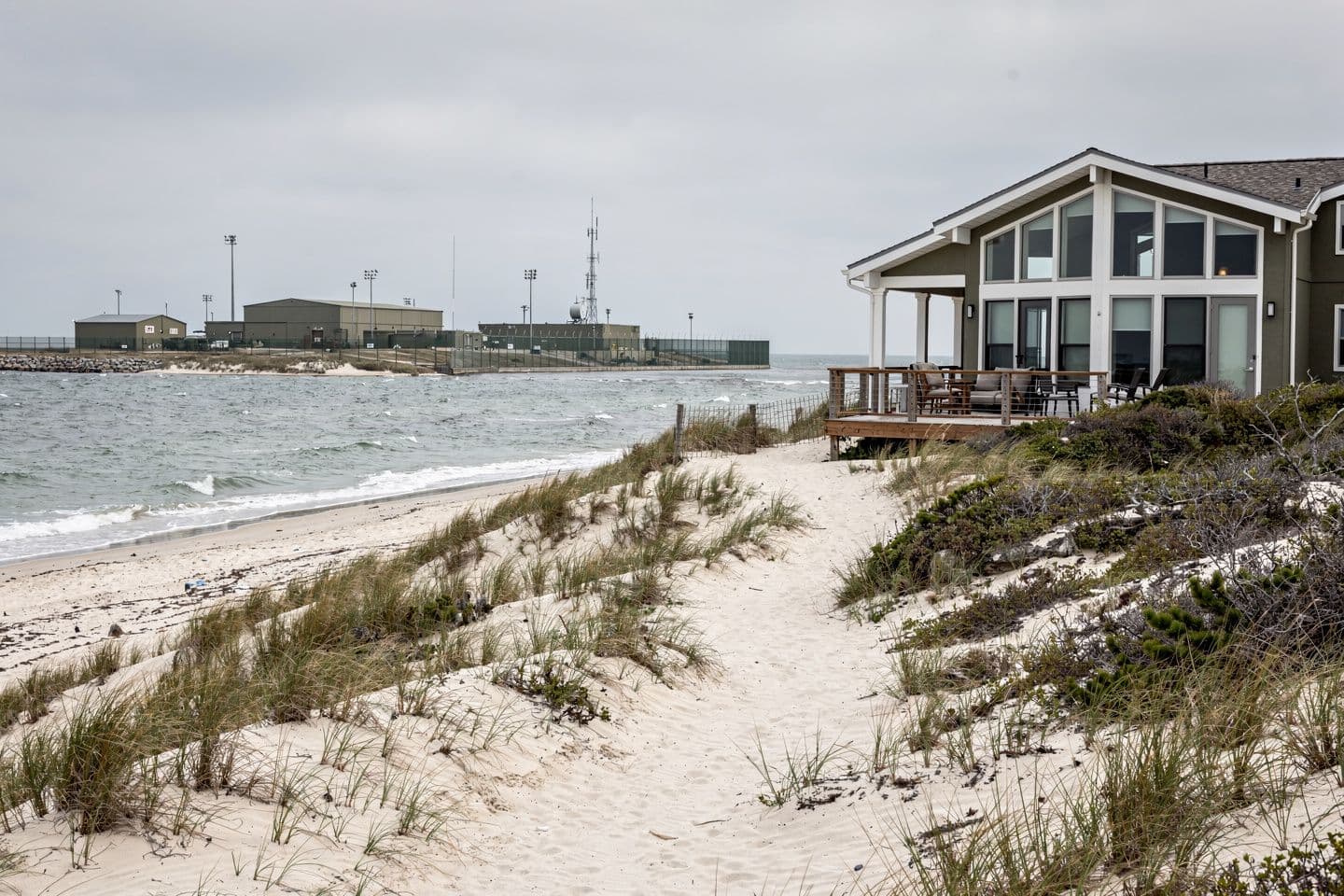
For example, furnished options near Eglin and Hurlburt include TDY Lodging Near Eglin AFB & Hurlburt Field – 2-Bed Home by the Beach - DTS Approved and TDY Hurlburt Eglin - Downtown FWB Condo 2bed/2bath/office, where practical amenities matter as much as location.
This guide is written for property owners who want to make laundry a selling point rather than an afterthought. Whether the rental is a condo, townhome, single-family home, duplex, guest suite, or shared crashpad-style property, a thoughtful laundry plan helps protect the home, reduce preventable damage, and create a better experience for military guests.

Start With the Right Washer and Dryer for Long-Stay Guests
The best laundry setup begins with the right equipment. TDY guests are not washing one swimsuit and a few beach towels after a weekend trip. They may be washing work clothes, civilian clothes, gym clothes, bedding, towels, kitchen linens, and family laundry if dependents are staying with them. A compact washer may work in a studio or one-bedroom unit, but larger homes and shared accommodations typically need full-size machines that can handle frequent use.
For most TDY furnished rentals, a standard full-size washer and dryer is the safest choice when space allows. Front-load machines can be efficient and modern, but they require more attention to door seals, odor prevention, and cleaning cycles. Top-load washers are often easier for guests to use and may be more forgiving in high-turnover settings. Owners should consider repair access, parts availability, and ease of replacement before choosing a premium model with complex digital controls.
Dryer performance matters just as much as washer capacity. A slow dryer causes frustration, increases utility usage, and encourages guests to overload the machine. If the dryer is electric, the property should have adequate electrical capacity and a clean vent path. If it is gas, owners should schedule professional installation and regular inspection. In humid climates or coastal areas, ventless dryers can work, but guests may need clear expectations because drying times can be longer.
Owners should avoid choosing machines solely because they look sleek in listing photos. The better question is whether the equipment can withstand repeated use by long-stay guests with minimal confusion. Durable controls, clear cycle options, accessible lint filters, and a simple instruction card can do more for the guest experience than a high-end machine with features no one understands.
Decide Whether Laundry Should Be Private, Shared, or Community-Based
Private in-unit laundry is usually the strongest option for TDY housing. It gives guests flexibility, privacy, and convenience, especially when schedules change or training days run long. A traveler who returns late can start a load without driving elsewhere or coordinating with other tenants. For families, in-unit laundry can be the difference between choosing a furnished home and booking a hotel-style property.
Shared laundry can still work if it is designed carefully. In a duplex, multi-unit property, or crashpad-style home, owners should set expectations about access, hours, supplies, and etiquette. Guests should know whether the machines are shared by two units or six people, whether there is a sign-up system, and whether laundry is available at no additional charge. A shared setup becomes much more acceptable when it is clean, well-lit, easy to access, and not located in an uncomfortable or cluttered space.
Community laundry, such as a building laundry room in an apartment or condo complex, should be disclosed clearly in the listing. Owners should explain whether machines require cards, coins, or an app; whether the laundry room is in the same building; and whether guests need a key, fob, or access code. Military travelers often evaluate total convenience, not just whether laundry exists. A laundry room across a parking lot may be fine for some guests, but it should not be presented as equivalent to in-unit laundry.
On TDY Hero, owners can use listing descriptions and amenity details to reduce misunderstandings before a guest books. If the property has private laundry, highlight it. If it has shared or community laundry, describe the arrangement honestly and show it in photos. Clear information builds trust, and trust is essential when guests are booking off-base lodging for an assignment.
It is also worth checking laundry access during longer stays as part of a simple mid-stay inspection checklist so small issues do not turn into guest disruptions.

Stock the Laundry Area With Practical Supplies
A furnished rental should feel ready for real life from the first night. That does not mean the owner must provide unlimited detergent for the entire stay, but the laundry area should include enough basics to help guests settle in. A starter supply of detergent pods or liquid detergent, dryer sheets or wool dryer balls, stain remover, a small laundry basket, and a lint brush can make the home feel more complete and professional.
Owners should also include functional items that reduce wear and tear. A sturdy hamper helps prevent piles of damp clothing on floors or furniture. A drying rack gives guests a place to air-dry uniforms, workout clothing, delicates, or gear without hanging items over doors and chairs. A small mesh bag for delicate items is inexpensive and can prevent damage to both clothing and machines. If the home has limited closet space, a collapsible hamper or foldable drying rack may be better than bulky accessories.
Laundry supplies should be simple, unscented or lightly scented, and easy to replenish. Strong fragrances can bother guests with sensitivities, and specialty products can create confusion. Owners should avoid bleach unless there is a clear reason to provide it, because spills can damage towels, flooring, clothing, and countertops. If bleach is included, it should be stored safely and labeled clearly.
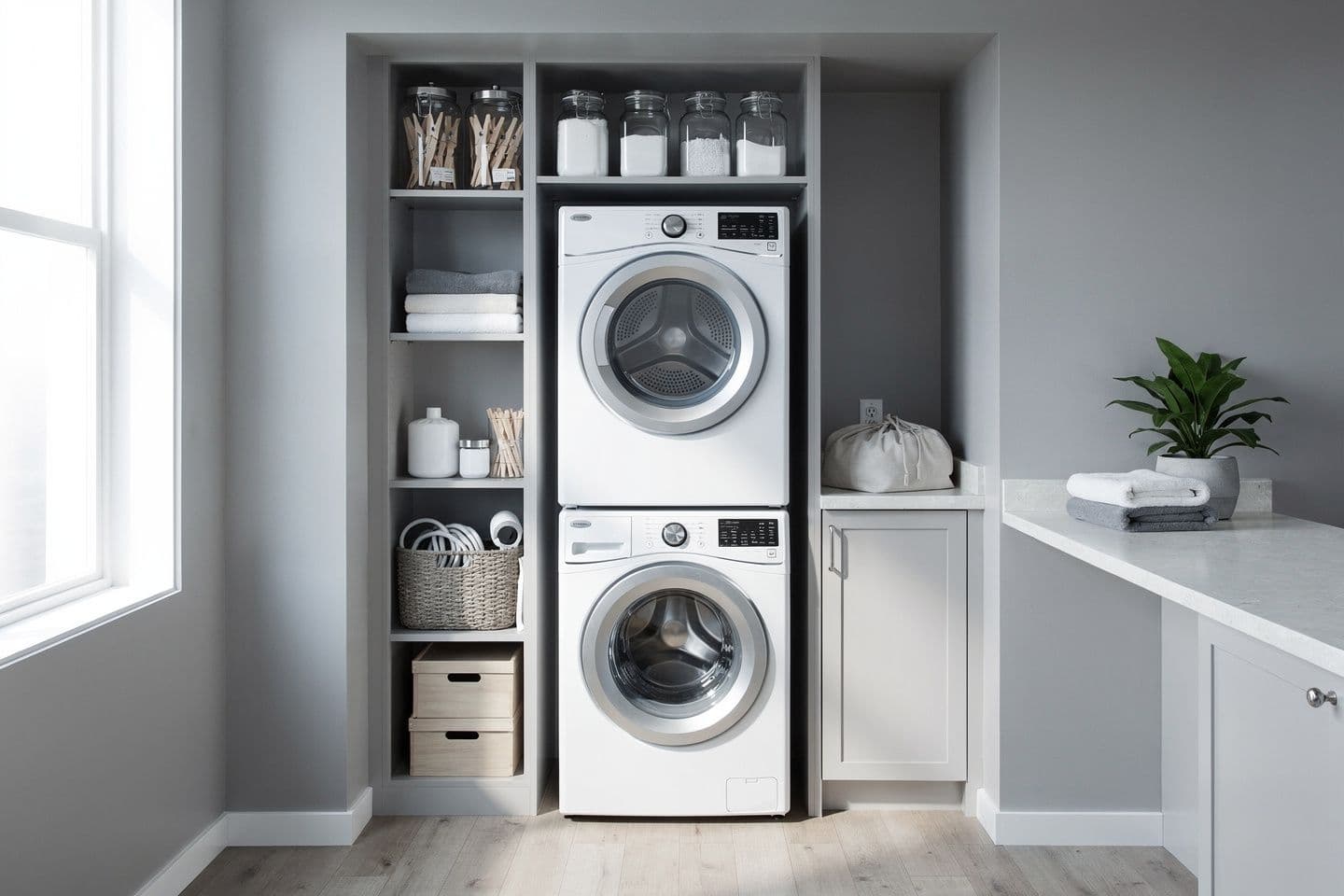
A well-stocked laundry nook also photographs well for a listing. TDY Hero listings benefit from practical images that show guests how the home works, not only how it is decorated. A clean washer and dryer, a basket, a drying rack, and organized supplies communicate that the property is set up for an extended stay rather than a weekend booking.
Create Clear Laundry Rules Without Making the Home Feel Overmanaged
Laundry rules should protect the property without making guests feel micromanaged. Military travelers are generally used to following procedures, but they still want a home environment that feels comfortable. A short, practical set of instructions is better than a long list of warnings. The goal is to prevent avoidable damage, reduce utility waste, and keep shared spaces respectful.
Important laundry rules may include cleaning the lint filter after every dryer cycle, not overloading the machines, leaving the washer door open after use if it is a front-load machine, using only high-efficiency detergent if required, and reporting leaks or unusual noises immediately. If laundry is shared, rules should also cover quiet hours, removing clothes promptly, and not using another guest’s supplies without permission.
Owners should place instructions where guests need them. A laminated card above the machines or inside a nearby cabinet is more effective than burying laundry rules deep in a digital welcome guide. The wording should be calm and direct. For example, instead of saying, “Guests will be charged for any misuse,” the card can say, “To keep the washer and dryer working for every guest, please clean the lint filter after each load and avoid overfilling the drum.”
A balanced approach also helps with reviews. Guests appreciate homes that are easy to use. They do not appreciate discovering after arrival that laundry has strict limitations, unavailable hours, or confusing requirements. If there are restrictions, such as no laundry after 10 p.m. in a shared-wall property, those details should appear before booking and again in the welcome materials.
Plan for Utilities, Ventilation, and Maintenance Costs
Laundry affects operating costs more than many new furnished-rental owners expect. Water, electricity, gas, detergent, repairs, dryer vent cleaning, and replacement cycles should be included in the property’s budget. A guest staying 90 days will naturally use laundry more than a weekend traveler. That is not abuse; it is normal long-stay behavior. Owners should price and manage the property with realistic usage in mind.
When owners build laundry costs into pricing, they can pair that thinking with a realistic per diem rent roll instead of treating utilities as an afterthought.
Utility costs can be controlled through equipment selection and preventive maintenance. High-efficiency washers use less water, and a well-maintained dryer uses less energy than one with a clogged vent. Dryer vents should be cleaned regularly, especially in properties with heavy use. A clogged vent is not just inefficient; it can become a fire hazard. Owners should also inspect hoses, connections, drip pans, and flooring around the laundry area to catch issues early.
Ventilation is especially important in small laundry closets, garages, and humid climates. Moisture can lead to musty odors, mildew, and guest complaints. If the washer is in a closet, the doors should allow airflow. If the laundry is in a garage, the area should be clean, organized, and not exposed to pests or excessive dust. In properties near coastal installations, corrosion and humidity may require more frequent inspection.
Owners using TDY Hero should think of laundry costs as part of the overall long-stay value proposition. Military guests are often comparing all-in costs, including whether they can avoid laundromats, hotel laundry fees, or repeated trips to shared facilities. A reliable laundry setup may support stronger occupancy and better guest satisfaction, even if it adds modest monthly operating expenses.

Use Laundry Photos and Listing Details to Increase Booking Confidence
Laundry should be visible in the listing if it is a meaningful amenity. Many property owners spend money on furniture photos but skip practical spaces such as laundry rooms, storage closets, garages, parking areas, and workstations. For TDY guests, those practical areas matter. A clear photo of the washer and dryer can answer a major question immediately and reduce pre-booking messages.
The best laundry photos are clean, bright, and honest. The machines should be wiped down, the floor should be clear, supplies should be organized, and the shot should show enough context for guests to understand the space. If the laundry is in a hallway closet, show the closet. If it is in the garage, show that it is accessible and tidy. If the machines are stacked, show the full setup. Avoid overly staged photos that hide access issues or make a shared laundry area look private.
The listing description should use plain language. Phrases such as “private in-unit washer and dryer,” “shared laundry for two-unit property,” or “community laundry room in the same building” are more helpful than simply checking an amenity box. If detergent is included as a starter supply, say so. If guests must use a laundry card or app, mention it before arrival. Transparency reduces friction and improves the guest experience.
TDY Hero helps owners reach military travelers who are actively looking for furnished rentals that work for longer assignments. Practical details can make a listing stand out in a crowded market. A guest may not remember every decorative feature in a home, but they will notice whether the listing answers the real-life questions that matter during an extended stay.
Adapt the Laundry Setup for Families, Roommates, and Shared TDY Stays
Not every TDY guest has the same laundry needs. A solo traveler staying in a studio may only need a compact setup and a small hamper. A family staying during a training assignment may need a full-size washer, extra towels, spare bedding, and a larger drying area. A shared home with multiple bedrooms may need laundry rules, separate hampers, and enough shelf space to keep belongings organized.
For family-friendly TDY rentals, laundry convenience can be a major booking factor. Children create more laundry, and families often value homes that allow them to maintain routines. Owners should consider extra mattress protectors, additional sheet sets, more towels, and a place to fold clothing. A small folding table or countertop near the machines can make the home feel much more functional.
Family-friendly furnished options in the area include Hurlburt/Eglin TDY home minutes to Navarre and Pensacola Beach. 3bd 2 bath. All new furniture! and Welcome to the Beautiful SunDown Home in Navarre! All new furniture!, both good examples of why laundry planning should match the size of the stay.
For roommate-style or group TDY housing, the challenge is fairness and organization. If several guests share one washer and dryer, owners should provide enough baskets, hooks, and shelving to prevent clothing from piling up. A simple sign-up calendar, whether physical or digital, may help when several people have similar schedules. Quiet hours are also more important in shared homes, especially if laundry is near bedrooms.
Owners should match the laundry setup to the property’s intended guest profile. A three-bedroom home marketed to groups should not have the same laundry plan as a one-bedroom condo. If the listing on TDY Hero is designed for longer TDY stays, family stays, or multi-guest bookings, the laundry area should support that promise in real daily use.

Avoid Common Laundry Mistakes That Lead to Complaints
One of the most common mistakes is advertising laundry too broadly. If the listing says “washer and dryer,” guests may assume private, free, on-site access. If the machines are shared, coin-operated, located in another building, or available only during certain hours, the listing should clarify that upfront. Misaligned expectations create frustration even when the actual setup is reasonable.
Another mistake is ignoring signs of wear until a breakdown occurs. Strange noises, slow drying, water around the washer, musty smells, rust, and repeated lint buildup should not be dismissed. A laundry failure during a TDY stay can be more disruptive than it would be during a weekend booking. Guests may have limited time to coordinate repairs, and owners may face urgent service calls if the machines stop working mid-stay.
Owners also create problems when they provide too few linens for the laundry setup. If a home has only one towel per guest or one set of sheets per bed, guests are forced to do laundry constantly. A stronger setup includes enough towels and bedding to allow normal washing cycles. Mattress protectors, pillow protectors, and durable white or neutral linens can simplify turnover and reduce replacement costs.
Finally, owners should avoid using the laundry area as an overflow storage zone. A garage laundry setup surrounded by paint cans, personal items, tools, or clutter feels less professional and may make guests uncomfortable. If owner supplies must be stored nearby, they should be locked away or organized separately. The guest-facing area should feel clean, safe, and intentional.
Final Thoughts
A strong laundry setup for TDY furnished rentals helps a property feel genuinely livable. For military travelers staying weeks or months at a time, clean clothing, fresh towels, reliable machines, and easy routines are not luxury features. They are part of what makes off-base lodging practical. Owners who treat laundry as an important amenity can improve reviews, reduce guest questions, and make the property more competitive for extended stays.
The best approach is simple: choose durable machines, explain the setup clearly, stock reasonable starter supplies, provide practical instructions, and maintain the system before problems occur. Whether the laundry is in-unit, shared, or community-based, honesty and organization matter. Guests can work with many different layouts as long as they know what to expect and the setup functions reliably.
TDY Hero gives property owners a place to present furnished rentals to military travelers who care about practical details. Highlighting a clean, reliable laundry area can help the right guest understand that the property is ready for real TDY life, not just a few nights away from home. When combined with comfortable furnishings, strong Wi-Fi, parking, storage, and clear communication, laundry becomes one more reason a guest can book with confidence.
For owners preparing a new listing or improving an existing one, the laundry area is a smart place to start. It is a utility detail guests will use repeatedly, and it sends a clear message about the quality of the home. A well-planned laundry setup protects the property, supports long-stay comfort, and strengthens the rental’s appeal in the military housing market.