

When service members plan a long TDY near Luke Air Force Base, one practical question comes up fast: what are the rules for overnight guests in TDY crashpads near Luke AFB? It is a fair question because TDY housing is not just about having a bed close to base. It is also about privacy, family visits, reimbursement, host rules, and making sure the lodging arrangement does not create DTS problems. Many travelers assume every crashpad has the same guest policy, but that is rarely true.
Are Overnight Guests Allowed in TDY Crashpads Near Luke AFB?
In many cases, overnight guests may be allowed, but the answer depends on the specific housing agreement. A crashpad, furnished rental, condo, or private home can each have different guest rules. Some hosts allow short family visits with notice, while others limit guests because of insurance, occupancy limits, lease terms, or neighborhood restrictions. Before booking, ask for the overnight guest policy in writing so there is no confusion later.
For military travelers, guest rules should never be treated as an informal handshake agreement. Your TDY lodging is connected to official travel, reimbursement, and family logistics, so clear documentation matters. TDY Hero helps simplify this by coordinating compliant lodging, transparent agreements, and property expectations before the stay begins. That makes it easier to understand who can visit, how long they can stay, and whether approval is needed.
Does the JTR Prohibit Overnight Guests During TDY?
The Joint Travel Regulation does not specifically prohibit overnight guests in TDY lodging. The JTR is mainly focused on authorized travelers, lodging adequacy, reimbursement limits, and whether the government is paying an allowable lodging amount. This means the presence of a spouse, child, friend, or family visitor is not automatically a JTR issue by itself. The key question is whether the service member remains the authorized traveler and whether the lodging charge stays within the reimbursable limit.
The JTR also recognizes that the government cannot require a traveler to accept inadequate accommodations. If available lodging is too small, lacks privacy, cannot reasonably support family members, does not allow pets, or does not meet the traveler’s needs during a longer assignment, alternative lodging may be appropriate. TDY Hero’s model is built around this practical reality. The company provides public, compliant lodging options that charge the proper base lodging rate and provide itemized receipts for DTS reimbursement.
How Do Property Rules Affect Guest Policies?
Even when JTR does not prohibit overnight guests, property-level rules still matter. A host may have restrictions on the number of people allowed in the home, how long a guest can stay, where vehicles may park, and whether pets can be brought by visitors. These rules are often tied to local occupancy codes, HOA policies, landlord insurance, and the condition of the home. Ignoring them can create unnecessary friction during an otherwise smooth TDY stay.
This is why written agreements are so important for TDY crashpads near Luke AFB. If you expect a spouse to visit for a weekend or your family to join you for part of the assignment, discuss it before move-in. A professional lodging provider can help match you with a property that fits those expectations instead of forcing you into a cramped or restrictive setup. With TDY Hero, travelers can communicate needs early so the lodging option matches the real-life demands of the assignment.
Can Family Members Stay Overnight in TDY Lodging?
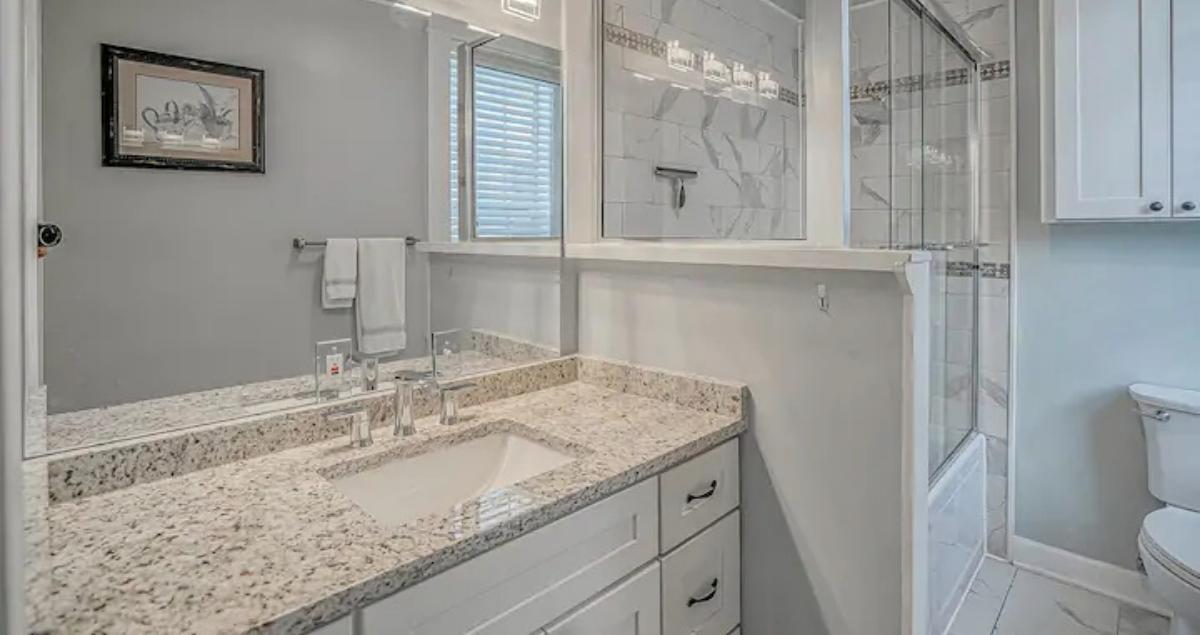
Family visits are one of the most common reasons service members ask about overnight guest rules. Long-term TDYs can last weeks or months, and being away from a spouse, children, or pets can make the assignment more stressful. Some furnished homes and larger rentals near Luke AFB are better suited for family visits because they offer full kitchens, laundry, private bedrooms, garages, and more living space than a hotel room. Those features can make a major difference when a TDY extends beyond a short training event.
However, family members are usually not considered authorized travelers unless they are included in orders or separately approved. That means the government is generally reimbursing the service member’s lodging, not paying extra for family guests. The lodging cost should still remain within the applicable rate, and there should not be hidden guest fees that create reimbursement issues. TDY Hero helps by keeping charges transparent and aligned with the allowable lodging rate, while still offering properties that can better support real family needs.
What Should You Ask Before Booking a Crashpad?
Before booking, ask direct questions about overnight guests, maximum occupancy, parking, pet rules, quiet hours, and whether visitors need prior approval. These questions may feel basic, but they prevent misunderstandings once you arrive. If the property is shared, you should also ask whether other guests or roommates will be present, because that affects privacy and comfort. Knowing the answers up front helps you decide whether the lodging is truly adequate for your TDY.
It is also smart to watch for unclear listings, vague reimbursement claims, or hosts who cannot provide itemized receipts. These issues can become bigger problems once you submit lodging expenses in DTS. If you want a deeper look at warning signs before committing to a stay, the guide on top red flags when booking TDY crashpads online explains what military travelers should notice before signing anything. Clear guest rules are part of that same due diligence.
Are Private Homes Better Than Shared Crashpads for Overnight Guests?
Private homes are often easier for overnight guests because they provide more control, more space, and fewer shared-living complications. In a shared crashpad, one visitor can affect other tenants, parking availability, kitchen use, bathroom access, and quiet hours. In a private furnished home, the service member and approved guests can usually enjoy a more normal household routine. That can be especially helpful during long TDYs where comfort and stability matter.
For travelers who want more privacy near Luke AFB, a listing such as this private 3-bedroom furnished home near Luke AFB for TDY stays shows how a larger property can support a more comfortable temporary stay. A full home can make it easier to host approved family visits, manage pets, cook meals, and maintain a cleaner separation between duty and rest. The important point is still to confirm guest expectations before booking.
Do Overnight Guests Affect DTS Reimbursement?
Overnight guests usually affect DTS reimbursement only if they change the lodging cost or create charges that are not reimbursable. The service member remains the authorized traveler, and the lodging provider must charge within the appropriate allowable rate. If a host adds extra guest fees, cleaning fees, resort fees, or unclear charges, those expenses can create problems when finance reviews the claim. That is why simple, itemized billing matters so much.
TDY Hero’s approach is designed to reduce that concern. The company charges the applicable on-base lodging rate, provides itemized receipts that meet DTS expectations, and does not add surprise booking or cleaning fees. Its team also understands JTR and military reimbursement requirements, which is important when travelers want off-base lodging without risking out-of-pocket expenses. For a service member near Luke AFB, that structure can make the guest-policy conversation much less stressful.
How Can You Stay Compliant While Hosting Guests?
The best way to stay compliant is to communicate early, document everything, and avoid assumptions about what a property allows. Tell the provider if you expect family members, a spouse, children, pets, or occasional overnight visitors. Ask whether approval is needed, whether there are occupancy limits, and whether the property is private or shared. This protects you, the host, and reimbursement clarity.
It also helps to choose a lodging provider that understands the difference between casual vacation rentals and TDY-compliant housing. TDY Hero is a public lodging platform built for military and government travelers, with a focus on JTR compliance, transparent billing, and zero out-of-pocket lodging expenses. That does not mean every guest situation is automatically approved, but it does mean the conversation starts from a clearer, more military-aware place. For long-term TDY near Luke AFB, that clarity can be just as valuable as the property itself.
So, what are the rules for overnight guests in TDY crashpads near Luke AFB? The clearest answer is that the JTR does not ban overnight guests, but the property agreement, occupancy rules, reimbursement limits, and host policies still matter. Service members should confirm guest expectations early and choose lodging with proper receipts and compliant rates. With TDY Hero, travelers can find off-base lodging that supports comfort, family needs, and DTS reimbursement without turning a simple visit into a finance problem.