

The Short Answer: Reimbursement Depends on Documentation, Authorization, and Cost
A LukeCrashPads-style stay can potentially be reimbursable through DTS when it is legitimate lodging for official TDY travel, properly authorized, within applicable lodging limits, and supported by acceptable documentation. The Joint Travel Regulations do not typically approve or reject a brand name by itself. Instead, reimbursement generally depends on whether the lodging expense is allowable, whether the traveler followed local and command guidance, and whether the final voucher includes the documentation needed by the approving official.
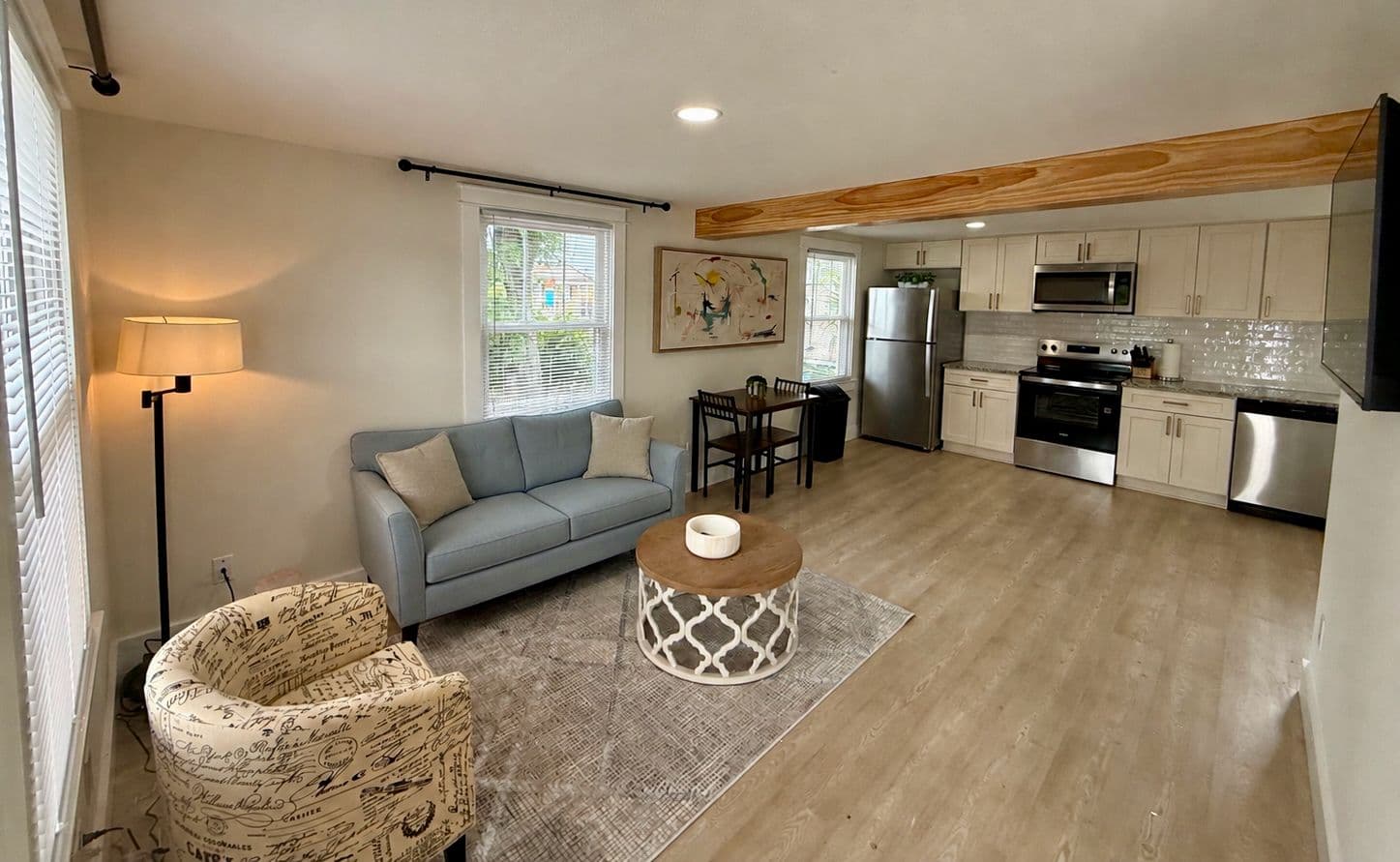
That distinction matters because many military travelers use the term “LukeCrashPads” broadly to describe off-base furnished housing near Luke Air Force Base, especially for pilot training, schoolhouse assignments, and longer TDY stays in the West Valley. Some properties may operate like private furnished rentals, some may resemble shared crashpads, and some may have policies that do not fit every traveler’s reimbursement needs. A traveler should not assume that any listing with a familiar label is automatically reimbursable.
For DTS and JTR purposes, the key questions are practical: Was the lodging required for official travel? Was government quarters available or unavailable according to the traveler’s orders and local lodging process? Does the rate stay within the authorized lodging ceiling unless an exception applies? Does the receipt show the traveler’s name, lodging dates, daily or monthly charges, taxes, fees, payments, and balance paid? If those answers are clear, the reimbursement path is usually easier.
For a broader walkthrough, see this DTS authorization guide for off-base rentals before you commit to a non-hotel stay.
TDY Hero helps military travelers compare off-base furnished rentals with the kind of stay details that matter before booking. For a Luke AFB traveler, that means looking beyond photos and asking whether the property can provide clean invoices, clear cancellation terms, utility details, and documentation that can support a DTS voucher.

How the JTR Looks at Off-Base Lodging Near Luke AFB
The JTR is the governing framework for uniformed service travel allowances, but it does not function like a hotel directory. It does not usually say that one named crashpad, apartment, or furnished home near Luke AFB is universally approved. Instead, it outlines when lodging expenses may be reimbursed, how per diem works, what happens when government quarters are directed, and how travelers must support expenses claimed on a voucher.
For a TDY traveler, the starting point is the authorization. Orders and DTS authorization should reflect the TDY location, travel dates, lodging method, and estimated lodging cost. If the traveler plans to stay off base, the authorization should be built accurately before travel whenever possible. When circumstances change, the authorization or voucher may need comments, amendments, or supporting documentation explaining why the selected lodging was used.
Luke AFB adds a local decision point because on-base lodging availability can affect reimbursement. If government quarters are directed and available, choosing off-base lodging for personal preference can create reimbursement issues. If government quarters are not available, a Certificate of Non-Availability, commonly called a CNA, may be needed depending on policy, service branch, and local process. Travelers should verify current guidance with their travel office, unit, or approving official before assuming a crashpad will be treated like a standard hotel.
Off-base lodging can still be a legitimate choice, particularly for longer TDY periods when a furnished rental provides a kitchen, laundry, workspace, and more stable daily living than a hotel room. The reimbursement issue is not whether the property feels more comfortable. It is whether the lodging choice fits the rules, stays within limits, and produces documentation that the traveler can defend in DTS.
DTS Reimbursement Basics for Crashpads and Furnished Rentals
DTS reimburses authorized travel expenses after they are entered, supported, reviewed, and approved. For lodging, the traveler usually enters the lodging cost by night or allocates a monthly charge across the stay, depending on how the expense is billed and how the voucher is prepared. The amount reimbursed is generally limited by the locality lodging rate unless actual expense approval or another valid exception applies.
A crashpad or furnished rental near Luke AFB can create more documentation questions than a traditional hotel because the billing format may not be standardized. A hotel folio usually lists nightly rates, taxes, and payment in a familiar format. A furnished rental may provide a lease, invoice, platform receipt, payment confirmation, cleaning fee, utility fee, refundable deposit, and separate tax line. DTS can handle non-hotel lodging, but the paperwork must make sense to an approving official who may not know the property.
Travelers should be careful with prepaid rent, deposits, and bundled charges. A refundable security deposit is generally different from a lodging expense because it is expected to be returned if there is no damage or unpaid balance. Cleaning fees, service fees, and lodging taxes may need to be categorized correctly and may or may not be reimbursable depending on the facts and local review. If a provider cannot separate refundable deposits from rent or cannot show a paid balance, the voucher can become harder to approve.
If a host asks for money up front, this guide to TDY lodging deposits and DTS reimbursement can help you separate rent from refundable or questionable charges.
TDY Hero listings and host conversations can help travelers ask the right reimbursement questions before committing. A traveler should confirm whether the host can provide an itemized receipt, whether the rental agreement lists the exact guest and dates, and whether the payment method works with the traveler’s Government Travel Charge Card requirements.

Government Quarters, CNA Rules, and Why They Matter
One of the biggest reimbursement risks for off-base lodging at Luke AFB is misunderstanding government quarters rules. If a traveler is required to check availability for government lodging and fails to do so, the approving official may limit reimbursement. If government quarters are available and directed, the traveler may not receive full reimbursement for a more expensive off-base option chosen for convenience.
A Certificate of Non-Availability can be important when on-base lodging is unavailable. A CNA helps document that the traveler did not simply bypass required government quarters. However, CNA rules can vary by situation. Some TDY locations and travel categories require specific lodging procedures, while others allow more flexibility. The safest approach is to confirm the requirement before booking, especially for longer training assignments where the traveler may be tempted to secure housing early.
If a CNA is issued, the traveler should keep it with the authorization and final voucher documents. If a CNA is not required, travelers should still retain notes or screenshots showing the lodging decision process when appropriate, especially if the stay is unusual. A short comment in DTS explaining that off-base lodging was selected after verifying availability or due to assignment requirements can prevent confusion during review.
The practical lesson is simple: reimbursement is not determined only by the property. It is also determined by whether the traveler followed the required lodging sequence. A comfortable crashpad may still create problems if the traveler skipped a required step. Conversely, an off-base furnished rental can be easier to justify when government quarters are unavailable, the cost is within the authorized lodging amount, and the documentation is complete.
What a LukeCrashPads Receipt Should Show for DTS
The receipt is often the deciding document in a DTS lodging claim. For a LukeCrashPads-style stay, the receipt should show the traveler’s legal name, property address or lodging location, check-in and check-out dates, nightly or monthly lodging rate, taxes, required fees, total amount charged, payment date, payment method, and zero balance due. If the stay is billed monthly, the invoice should make it clear how the lodging cost applies to the exact TDY dates.
A receipt that only shows a lump-sum payment can be risky. Approving officials may need to distinguish rent from taxes, cleaning fees, service fees, deposits, pet fees, parking, utilities, and optional charges. If the host includes utilities in the rent, the receipt should ideally state that utilities are included rather than presenting them as a separate unclear charge. If a cleaning fee is mandatory, it should be listed as such. If a deposit is refundable, it should not be presented as lodging rent.
Travelers should also watch the name on the receipt. If a spouse, roommate, or personal credit card account holder pays the invoice, the traveler may need additional proof that the cost was incurred for the official traveler. For TDY, the cleanest approach is for the receipt and payment record to match the traveler named on the orders whenever possible. If multiple TDY travelers share a property, each traveler should have a receipt showing that person’s share, not only a group total.
Before booking through any off-base provider, you should ask whether the host has experience producing DTS-friendly receipts. TDY Hero gives travelers a more military-focused environment to evaluate furnished rentals, but the traveler still needs to save every final receipt and ensure the paperwork matches the voucher.
Furnished options with military-style documentation expectations include TDY Lodging Near Eglin AFB & Hurlburt Field – 2-Bed Home by the Beach - DTS Approved and TDY Hurlburt Eglin - Downtown FWB Condo 2bed/2bath/office.
GTC Use, Payment Timing, and Monthly Billing Issues
Government Travel Charge Card rules can affect how a LukeCrashPads-style stay is booked and paid. Many travelers are expected to use the GTC for official travel expenses, including lodging, unless an exemption applies. Before paying a private host, property manager, or rental platform, the traveler should confirm that the payment method is accepted, that the transaction will process correctly, and that the receipt will show the required payment details.
Monthly billing can be convenient for a 30-, 60-, or 90-day Luke AFB training assignment, but it can also create cash-flow and voucher timing issues. A traveler may need to file interim vouchers for longer TDY periods, especially if lodging is charged in advance. DTS reviewers may want to see that the expense has actually been paid, not merely reserved. If a host requires a large upfront payment, the traveler should understand how that charge will appear on the GTC statement and whether the timing aligns with voucher submission.
Travelers should be cautious with peer-to-peer payment apps, informal transfers, or cash-like methods that do not generate strong lodging documentation. A payment screenshot by itself may not satisfy a reviewer if it does not identify the lodging dates, property, taxes, and zero balance. The provider should be able to issue a proper invoice and final receipt independent of the payment app.
For property owners near Luke AFB, payment structure can make a listing more appealing to military travelers. Clear monthly invoices, accepted card payments, itemized charges, and professional receipts reduce friction. TDY Hero can help connect owners with travelers who value that level of organization because reimbursement confidence is often just as important as square footage or amenities.

Luke AFB Location Factors That Affect the Lodging Decision
Luke AFB sits in the West Valley of the Phoenix metro area, where commute patterns, desert heat, and neighborhood layout all influence the lodging decision. A traveler comparing a LukeCrashPads-style stay to a hotel should consider more than distance on a map. Morning gate traffic, Loop 303 access, Northern Parkway, and surface-street congestion through Glendale, Litchfield Park, Goodyear, Surprise, and Peoria can affect daily reliability.
Summer heat is another practical factor. Luke AFB TDY travelers staying off base often need dependable air conditioning, covered parking when available, in-unit laundry, and a kitchen that reduces unnecessary errands during extreme temperatures. A low nightly rate may not feel like a good value if the property has weak cooling, limited parking, or a long commute through high-traffic corridors. For longer stays, these details can affect rest, routine, and training performance.
The West Valley also has highly seasonal housing pressure. Spring training, winter visitors, major events, and general Phoenix-area population growth can tighten furnished rental availability. A TDY traveler who waits until orders are final may find fewer properties within a comfortable commute. However, booking too early without understanding cancellation terms can create problems if dates shift. The best lodging decision balances availability, flexibility, documentation, and reimbursement rules.
TDY Hero is useful in this market because travelers can focus on furnished rentals suited to military-length stays instead of sorting through vacation listings built for weekend visitors. For Luke AFB, the best fit is often a property that combines a reasonable commute, quiet sleeping environment, strong cooling, reliable Wi-Fi, laundry, and DTS-friendly paperwork.
Travelers comparing longer furnished stays can also look at examples like Hurlburt/Eglin TDY home minutes to Navarre and Pensacola Beach. 3bd 2 bath. All new furniture! to see how practical amenities are presented.
Common Reimbursement Mistakes With LukeCrashPads-Style Stays
The most common mistake is assuming that a popular crashpad is automatically reimbursable. Popularity among other TDY students does not replace JTR compliance, local lodging procedures, or approving official review. A traveler should confirm the rules for the specific trip, not rely only on what another student claimed on a prior voucher.
Another mistake is booking a property that exceeds the lodging ceiling without understanding the consequences. If the rent, taxes, and required fees exceed the authorized lodging rate, the traveler may be personally responsible for the difference unless actual expense approval or another valid authorization applies. Splitting the monthly rent into a daily equivalent before booking helps avoid surprises. Travelers should also remember that lodging per diem is separate from meals and incidental expenses; unused meal per diem does not automatically cover excess lodging.
Documentation gaps create frequent problems. Missing zero-balance receipts, unclear cleaning fees, unreturned deposits, and mismatched dates can trigger voucher returns. Travelers should request corrected documents before checkout rather than weeks later. It is much easier to fix a receipt while the host is engaged and the stay details are fresh.
A final mistake is ignoring cancellation and extension terms. Luke AFB training schedules can shift, and orders may be amended. If a crashpad has strict no-refund language or unclear early checkout terms, the traveler may face personal financial risk. A reimbursable lodging type does not guarantee reimbursement for unused nights if the expense is not allowable, reasonable, or properly documented.
If your final paperwork changes from what DTS originally showed, this article on a final lodging receipt and DTS authorization mismatch explains why clean comments and receipts matter.

How Property Owners Can Make Reimbursement Easier for Military Guests
Property owners near Luke AFB who want to serve TDY travelers should treat reimbursement support as part of the guest experience. Military guests are not only shopping for a clean furnished home. They are also trying to avoid voucher problems, GTC complications, and out-of-pocket losses. A property that produces professional documentation can stand out against informal crashpads and generic short-term rentals.
A strong owner process includes a written rental agreement, itemized invoice, accepted card payment option, final zero-balance receipt, clear tax treatment, and transparent policies for deposits, cleaning fees, pet fees, utilities, cancellations, and extensions. The property description should avoid claiming that a stay is “guaranteed reimbursable” because reimbursement depends on the traveler’s orders and approval chain. Instead, owners can accurately state that they provide itemized receipts and documentation suitable for traveler review.
Owners should also design the property for the actual Luke AFB TDY lifestyle. That means reliable Wi-Fi, blackout curtains for early schedules or shift changes, a real desk, in-unit or easily accessible laundry, durable kitchenware, comfortable bedding, and cooling systems that can handle Arizona heat. Covered parking, garage access, or shaded parking can be a competitive advantage in the West Valley.
TDY Hero helps owners present these details to the right audience. Instead of writing a listing for vacationers planning a Phoenix weekend, owners can describe the features that matter to military travelers: commute routes, monthly pricing, utilities, workspace, quiet hours, pet rules, and receipt availability.
Final Thoughts
So, is LukeCrashPads reimbursable via DTS and JTR rules? The most accurate answer is: it can be, but only when the stay meets the traveler’s authorization requirements, follows government quarters or CNA rules when applicable, stays within the allowable lodging framework, and is supported by complete documentation. The JTR does not usually approve a lodging brand name in isolation. It evaluates the expense in context.
For a Luke AFB TDY traveler, the smartest approach is to verify local lodging guidance before booking, compare the daily cost against the authorized lodging rate, use the proper payment method, and request itemized paperwork in advance. If the provider cannot explain how receipts, deposits, taxes, and monthly charges will be documented, that is a warning sign.
For property owners, the opportunity is clear. Military travelers near Luke AFB need furnished housing that works for real training schedules and reimbursement realities. TDY Hero helps bridge that gap by connecting travelers with furnished rentals and owners who understand that a successful TDY stay depends on comfort, clarity, and paperwork that can survive DTS review.