

What’s the difference between a TDY crashpad and a hotel? is a question that comes up often when service members receive travel orders and start planning where to stay. At first glance, both options seem to solve the same problem—providing temporary lodging during an assignment—but the experience, structure, and long-term comfort they offer are actually very different. Choosing the right one can affect not only your daily routine but also your reimbursement process and overall TDY experience. For many travelers, the decision becomes less about price alone and more about practicality, privacy, and how well the lodging supports their mission requirements. Understanding these differences helps avoid surprises once you’re already on assignment.
What exactly is a TDY crashpad?
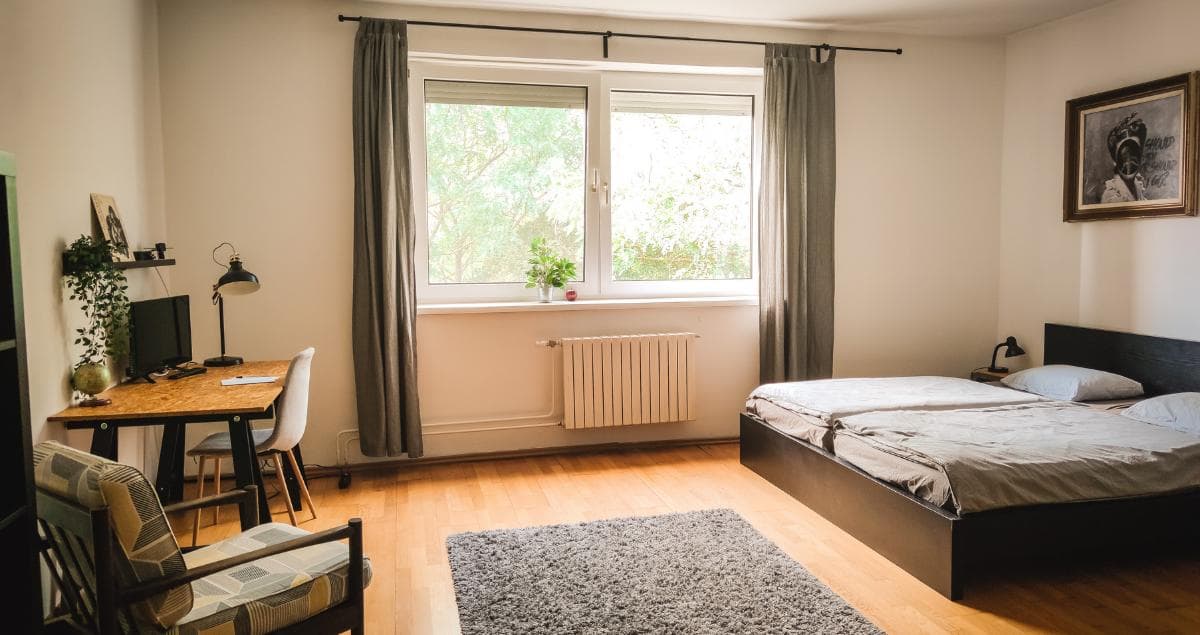
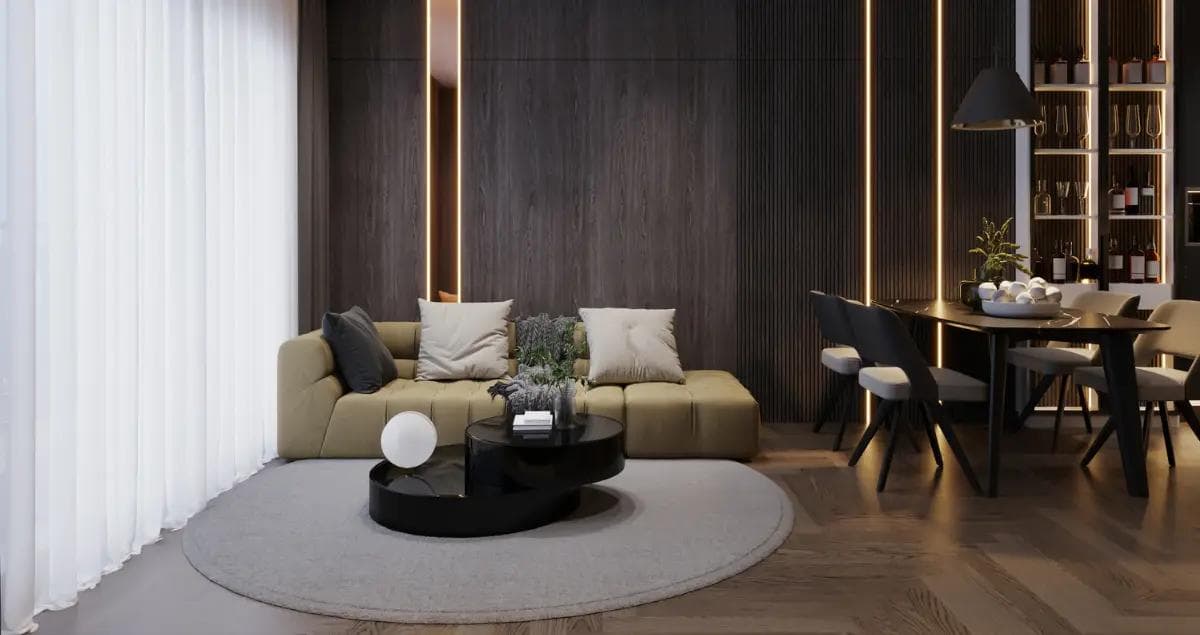
A TDY crashpad is typically a shared housing arrangement designed for military members on temporary duty orders. These properties are often located near military bases and are set up with multiple bedrooms rented individually to different service members. While each occupant may have a private bedroom, common areas like kitchens, living rooms, and sometimes bathrooms are shared among tenants. This setup is intended to reduce costs while offering a more home-like environment compared to hotels.
However, crashpads vary widely in structure and quality, which is why understanding what you’re booking is important. Some are professionally managed with clear rules and proper documentation, while others operate more informally. This inconsistency can impact your experience and even affect reimbursement if the lodging does not align with military travel guidelines. Because of this, crashpads are often seen as a flexible but less standardized lodging option.
How does a hotel stay compare during TDY?
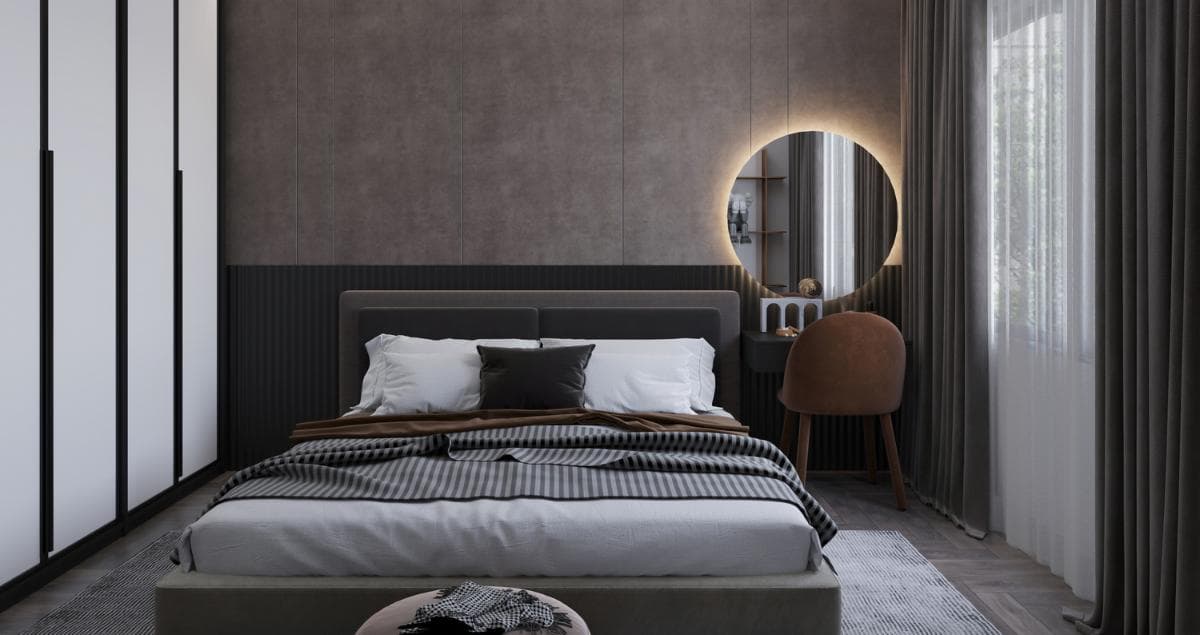
Hotels provide a more traditional and standardized lodging experience for service members on TDY orders. Each guest typically receives a private room, daily housekeeping, and consistent billing documentation that aligns well with government travel systems. This makes hotels a reliable option when it comes to reimbursement and administrative simplicity. Many hotels near military installations are also familiar with per diem requirements and can provide the necessary paperwork without complications.
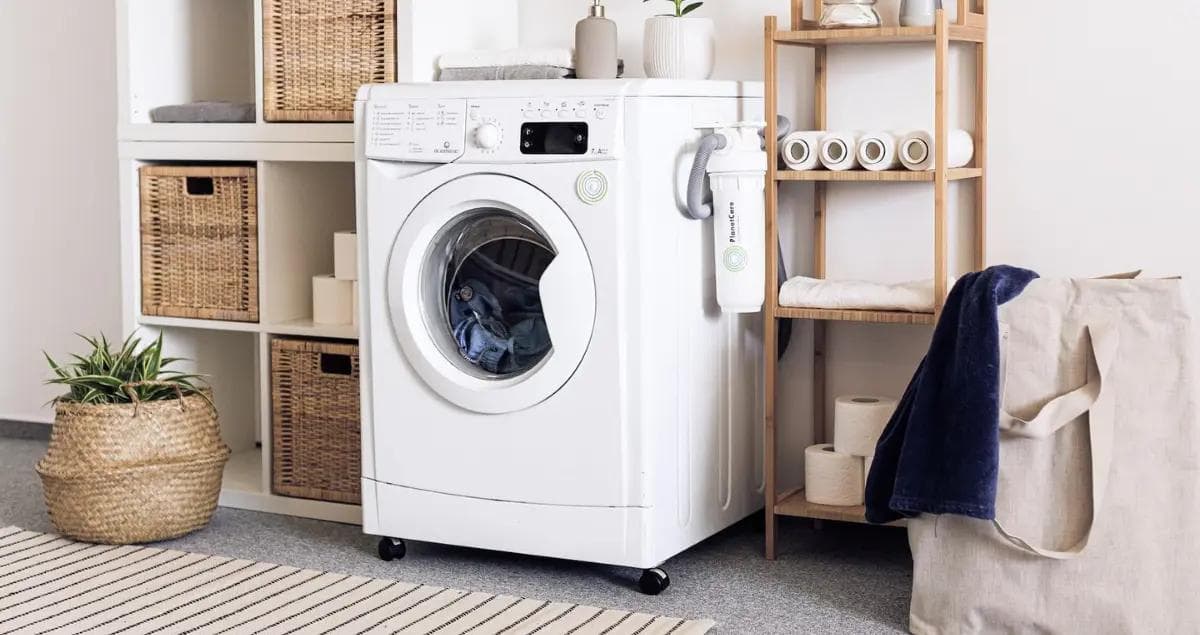
Despite these advantages, hotels often lack the space and functionality needed for longer assignments. Rooms are generally compact and may not include full kitchens or laundry facilities, which can make extended stays less convenient. Over time, limited living space and reliance on restaurant meals can become costly and restrictive. For short TDY assignments, hotels are often sufficient, but for longer stays, they may feel less comfortable compared to residential-style lodging.
Privacy and daily living experience differences
One of the biggest differences between a TDY crashpad and a hotel is the level of privacy they provide. Crashpads often involve shared living spaces, meaning service members may need to coordinate kitchen use, storage space, and household routines with others. While private bedrooms offer some personal space, common areas are shared, which can impact comfort depending on occupancy levels and house rules.
Hotels, on the other hand, offer complete privacy within your room but limited residential functionality. You do not share space with other guests, but you also lose access to full-home features like kitchens and laundry areas. For many service members, this creates a tradeoff between privacy and livability. Over longer assignments, the ability to cook meals, do laundry, and relax in a full living space often becomes more valuable than hotel-style convenience.
Compliance and reimbursement considerations
Compliance is a critical factor when comparing a TDY crashpad and a hotel. Hotels are generally aligned with Joint Travel Regulation (JTR) standards, which makes reimbursement straightforward. Receipts are standardized, nightly rates are clear, and documentation is typically accepted without issue during DTS submission. This reduces administrative stress for travelers who need reliable expense reporting.
Crashpads, however, can vary in how well they comply with these standards. Some provide proper leases and documentation, while others may not be structured in a way that meets reimbursement requirements. This inconsistency can lead to delays or complications when submitting travel vouchers. Understanding corporate housing vs crashpads near Luke AFB explained can help clarify how different lodging types align with military travel rules and what to expect when filing claims. Choosing compliant lodging ensures smoother processing and fewer financial surprises.
Cost differences and long-term value
Cost is often the first factor service members consider when comparing crashpads and hotels. Crashpads are typically marketed as more affordable because they split housing costs among multiple occupants. This can make them attractive for longer assignments where daily expenses add up quickly. However, lower cost does not always mean better overall value.
Hotels may have higher nightly rates, but they include services like housekeeping, utilities, and consistent documentation. On the other hand, crashpads may require shared responsibilities or additional personal expenses that are not immediately obvious. When evaluating total cost, it is important to consider food, transportation, privacy, and comfort. Over time, the cheapest nightly rate may not be the most economical choice if it reduces productivity or increases inconvenience during your assignment.
Living space and comfort for extended TDY stays
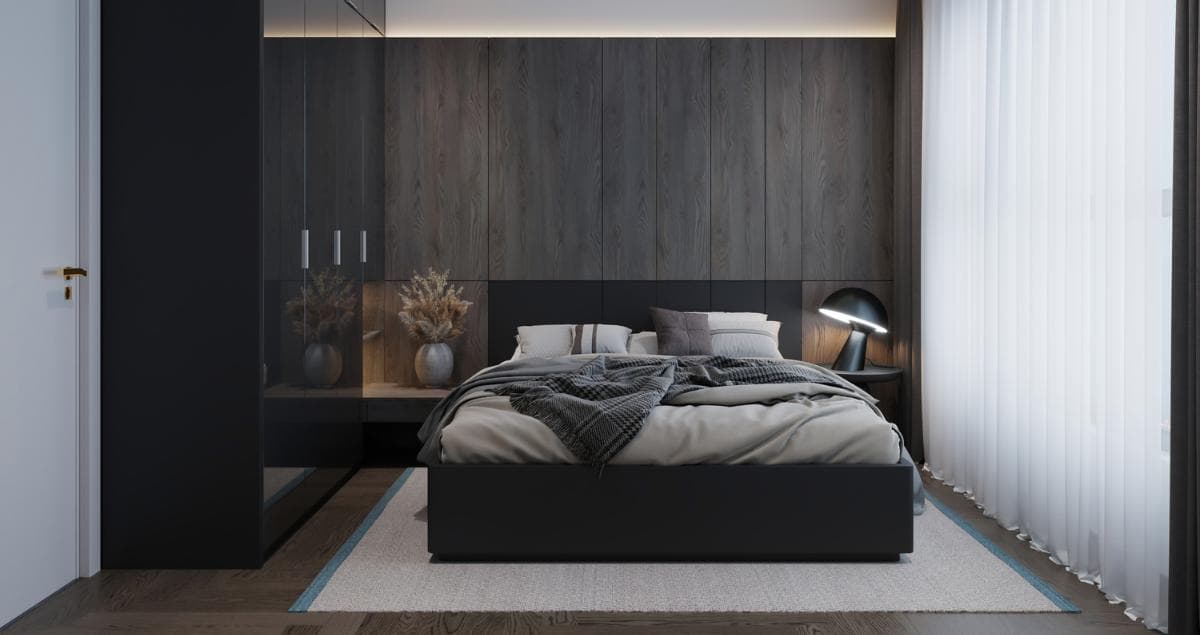
Comfort becomes increasingly important during longer TDY assignments, and this is where differences between crashpads and hotels become more noticeable. Crashpads often provide more space than hotels, including access to kitchens and living rooms, but this space is shared. While this can feel more residential than a hotel, it may not always provide the privacy some service members prefer.
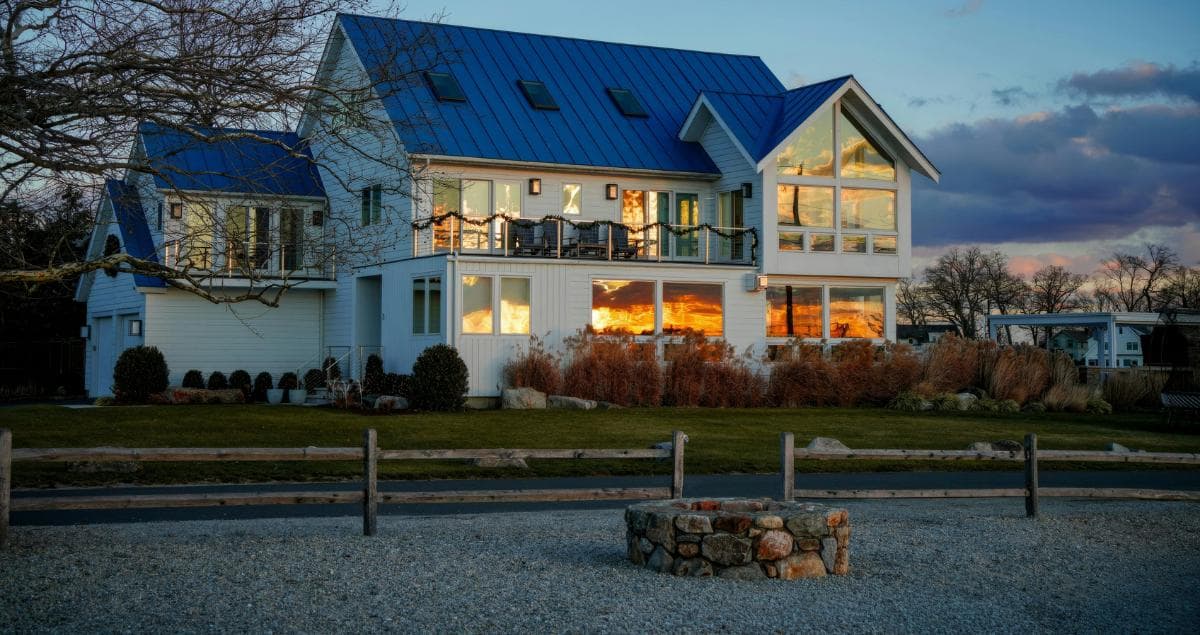
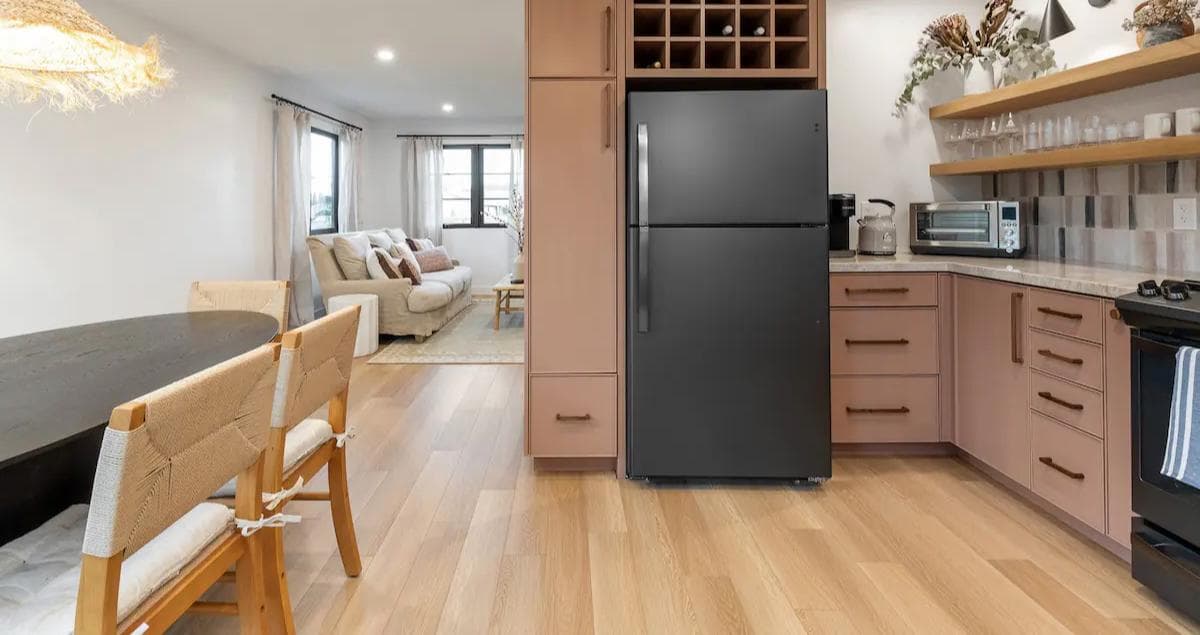
Hotels offer consistent comfort but limited space, which can feel restrictive over time. Many service members eventually seek alternatives that combine privacy with residential features like full kitchens and laundry access. A good example of this type of lodging is a cozy furnished cottage near Keesler AFB for TDY stays, which provides a more balanced environment for extended assignments. These types of properties bridge the gap between crashpads and hotels by offering full-home comfort without shared living.
Flexibility and lifestyle differences during assignment
Flexibility is another key difference between crashpads and hotels. Crashpads often operate on shared schedules and house rules since multiple tenants are living in the same space. This can include quiet hours, shared appliance use, and coordination for common areas. While this structure can promote affordability, it may limit personal freedom during your stay.
Hotels offer more independence in terms of scheduling and personal space, but they lack flexibility in lifestyle features. You cannot cook full meals or personalize your living environment, which can make longer stays feel repetitive. For service members on demanding schedules, the ability to balance structure with comfort becomes an important factor in choosing lodging.
Which option is best for TDY travelers?
The best option depends on the length of your assignment, your budget, and your personal comfort preferences. Short TDY stays often work well in hotels due to convenience and fast check-in processes. Crashpads may be more appealing for budget-conscious travelers who are comfortable with shared living spaces and longer stays near a base.
However, many service members eventually look for alternatives that combine the strengths of both options. Fully furnished homes designed for TDY travelers provide private living space, full amenities, and proper documentation for reimbursement. These properties offer a more balanced experience, especially for longer assignments where comfort and stability matter.
When comparing options like a TDY crashpad and a hotel, the key difference is not just cost but lifestyle, compliance, and overall livability. Hotels provide consistency and simplicity, while crashpads offer affordability with shared living tradeoffs. Understanding these differences allows service members to choose lodging that best supports their mission, comfort, and financial needs throughout their assignment.