

Why Utility Caps Matter In TDY Rental Economics
Utility caps for TDY rentals can make the difference between a profitable furnished rental and a property that quietly loses margin during long stays. Military travelers often prefer all-inclusive housing because it simplifies reimbursement, budgeting, and move-in logistics. At the same time, property owners need protection from unusually high electricity, gas, water, or internet usage, especially in markets with extreme heat, cold, or seasonal utility spikes. A well-designed utility cap gives you that protection without making the guest feel nickel-and-dimed.
The challenge is balance. If the cap is too low, it can look like a hidden fee and may discourage qualified guests from booking. If there is no cap at all, the owner absorbs every inefficient thermostat setting, open window, excessive laundry cycle, or EV charging habit. TDY Hero helps connect owners with military guests who are looking for furnished, practical, off-base lodging, but owners still need a pricing structure that is clear, fair, and easy to explain. Utility caps are one of the most important pieces of that structure.

Understand How TDY Guests Think About Utilities
Most TDY guests are not shopping for a vacation rental experience. They are looking for a functional temporary home that supports training, work schedules, commuting, and rest. When a service member compares furnished rentals, the questions are usually practical: Is the property close enough to base? Is Wi-Fi reliable? Is the kitchen usable? Are utilities included? Will the receipt or lease be clean enough for travel documentation? A utility cap should not create uncertainty around those core questions.
For travelers comparing options, furnished homes like TDY Lodging Near Eglin AFB & Hurlburt Field – 2-Bed Home by the Beach - DTS Approved show how clear lodging details can make an off-base stay easier to evaluate.
Military travelers often prefer predictable monthly or nightly pricing because TDY budgeting can be tied to lodging allowances, per diem limits, DTS authorizations, government travel card usage, or unit-level expectations. Even when a guest is personally responsible for part of the cost, clarity matters. A rental that says “utilities included up to a reasonable monthly allowance” is easier to evaluate than one that says “tenant pays utilities” with no details. Owners who use TDY Hero can make listings more attractive by explaining exactly what is covered, what the cap is, and when overages would apply.
Choose The Right Utility Cap Model For Your Property
There are several ways to structure utility caps for TDY rentals. The simplest model is a flat monthly cap that covers electricity, water, gas, sewer, trash, and standard internet up to a stated dollar amount. For example, a two-bedroom furnished home may include utilities up to $250 per month, while a larger house in a hot climate may need a higher allowance. This model is easy for guests to understand and easy for owners to enforce, provided the cap is based on real utility history rather than guesswork.
Another option is to cap only the variable utilities while including fixed services automatically. Under this model, internet, trash, and routine service fees are included with no separate cap, while electric, gas, and water are capped. This can feel more guest-friendly because the services required for work and daily living are clearly included. A third model is a seasonal cap, where the allowance is higher during summer or winter months. That approach can be useful near bases in Arizona, New Mexico, Florida, Texas, Alaska, or other markets where heating and cooling costs swing dramatically.
If the guest is booking through official travel channels, it also helps to understand DTS authorization for off-base TDY rentals before finalizing pricing and utility terms.
Use Real Data Before Setting A Cap
A fair cap should start with the property’s actual utility bills. Owners should review at least 12 months of historical usage, including electric, gas, water, sewer, and trash. If the property has recently been renovated, furnished, or converted from long-term rental to TDY housing, the old bills may not tell the full story, but they still provide a useful baseline. Look at average usage, peak months, and the difference between occupied and vacant periods. A cap should cover normal, reasonable usage for the home, not the absolute lowest possible bill.
Owners should also account for the way furnished rentals are used. TDY guests may cook more often than vacation travelers, run laundry regularly, work on laptops, and keep a more consistent schedule. They may also spend long days away from the property, which can reduce daytime consumption. A realistic cap should reflect normal occupancy for the advertised number of guests. If the home is listed as suitable for four people, the utility cap should not be based on one person living there. Strong owner economics come from accurate pricing, not artificially low utility allowances.

Make The Cap Feel Like Protection, Not A Penalty
The way a utility cap is presented matters as much as the number itself. Military guests are more likely to accept a cap when it is framed as a reasonable-use allowance rather than a punishment. Listing language should be direct and calm: “Utilities are included up to $300 per month, which covers normal use for this home. Any overage is billed at actual cost with a copy of the utility statement.” This approach communicates transparency and avoids sounding adversarial.
Avoid vague phrases such as “excessive use will be charged” unless the lease also defines what excessive use means. Vague language can create friction at checkout, especially during longer TDY stays where the guest may need documentation or a final accounting. TDY Hero listings perform best when they reduce uncertainty for both sides. If you present the cap as a normal safeguard that helps keep the home affordable for TDY travelers, it becomes part of the rental’s professional structure rather than a surprise fee.
Owners can often avoid bigger disputes by steering clear of the common issues covered in 10 mistakes property owners make when renting to military guests.
Write Utility Cap Terms Clearly In The Rental Agreement
The rental agreement should explain exactly which utilities are included, the dollar amount of the cap, the billing period, and the process for handling overages. If the cap is monthly, state whether it is prorated for partial months. If the stay runs from the 15th of one month to the 14th of the next, clarify whether the cap follows the calendar month or the actual 30-day stay period. These details prevent confusion, especially for TDY guests whose orders may start or end mid-month.
Good lease language should also explain documentation. If an overage occurs, the guest should receive a copy of the relevant bill and a simple calculation showing the amount above the cap. Owners should avoid charging estimated overages unless the lease clearly allows it and the guest understands the method. For many TDY rentals, the best practice is actual-cost reimbursement only. That feels fair, is easier to justify, and supports a professional relationship. Owners listing through TDY Hero should treat utility cap terms as part of the same trust-building process as clean photos, accurate amenities, and responsive communication.

Match Utility Caps To Climate, Home Size, And Amenities
A fair utility cap in one market may be unrealistic in another. A small apartment in a mild coastal climate may operate comfortably under a modest monthly allowance, while a single-family home near a desert base may require a much larger electric budget during summer. Homes near Luke AFB, Davis-Monthan AFB, Kirtland AFB, and other warm-weather training markets can see major air-conditioning demand. Properties near colder installations may face high heating costs instead. Owners should not copy a cap from another market without reviewing local utility patterns.
Home size and amenities also matter. A three-bedroom house with a garage, yard irrigation, dishwasher, full laundry, and multiple televisions will naturally consume more than a studio or one-bedroom condo. Pools, hot tubs, EV chargers, and detached workspaces should be handled separately because they can materially change utility usage. If those amenities are included, price accordingly. If they are restricted or excluded, say so clearly. TDY guests tend to appreciate practical honesty more than vague luxury language that later turns into rules and add-on charges.
Larger furnished options, such as Hurlburt/Eglin TDY home minutes to Navarre and Pensacola Beach. 3bd 2 bath. All new furniture!, need caps that reflect the actual size, occupancy, and amenities of the home.
Communicate Utility Expectations Before Move-In
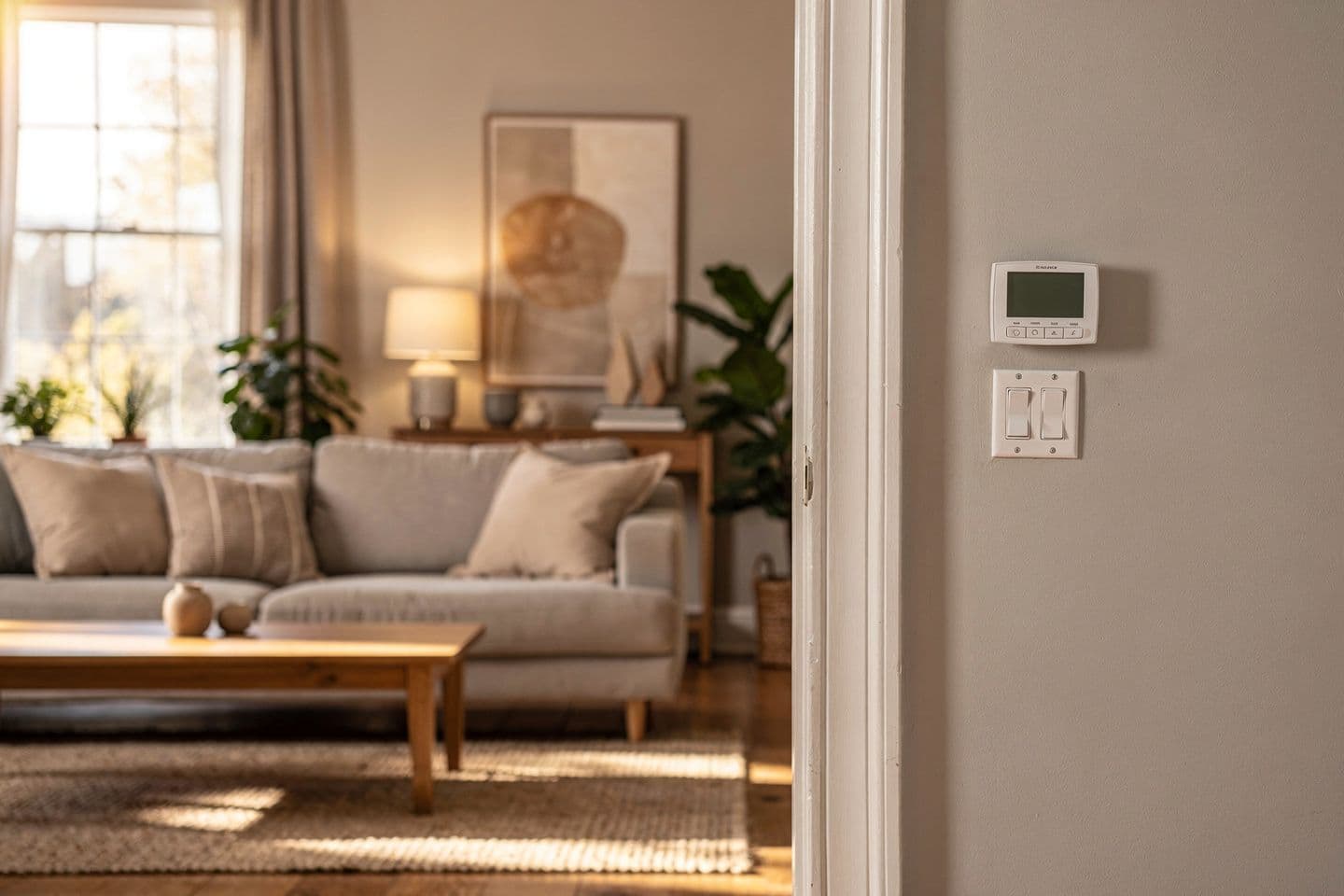
Utility conversations are easiest before the guest arrives. Once a booking is confirmed, owners should send a concise welcome message that repeats the utility terms, Wi-Fi details, thermostat guidance, trash pickup schedule, and any property-specific instructions. The goal is not to lecture the guest, but to set expectations in a helpful way. For example, a home in a hot climate might explain that the air-conditioning system works best when kept within a reasonable range and not turned off completely during the day.
A welcome binder or digital house guide can reinforce the same information. Include thermostat instructions, appliance notes, washer and dryer guidance, irrigation controls if applicable, and contact information for utility-related issues. If the property has smart thermostats or energy monitoring devices, disclose them appropriately and avoid anything that feels intrusive. TDY travelers value privacy and professionalism. Clear instructions help prevent accidental overuse while showing that the property is managed responsibly.
Handle Overage Conversations Professionally
Even with a fair cap, overages can happen. A heat wave, cold snap, running toilet, irrigation leak, or unusual occupancy pattern can push a bill above the allowance. When that occurs, the owner should start by reviewing the bill carefully before contacting the guest. Look for abnormal usage, billing errors, rate changes, or service issues. If a maintenance problem caused the overage, the owner should usually absorb the cost or handle it case by case rather than automatically billing the guest.
If the overage appears to be normal usage above the agreed allowance, communicate promptly and provide documentation. A short, neutral message works best: “The electric bill for the billing period was $342. The lease includes electricity within the $300 monthly utility allowance, so the overage is $42. A copy of the bill is attached.” Avoid emotional language, assumptions, or accusations. Military guests are often managing tight schedules, training demands, and administrative requirements, so a professional tone protects the relationship and increases the likelihood of quick resolution.

Use Utility Caps To Support Better Pricing Strategy
Utility caps should not be used as a substitute for proper pricing. If the rent is too low, an owner may be tempted to recover margin through restrictive caps or frequent overage charges. That strategy can damage guest satisfaction and reduce repeat bookings. A better approach is to price the rental so normal utilities are comfortably covered, then use the cap only as a backstop against unusual consumption. The guest should feel that the advertised rate is honest and complete for ordinary living.
In smaller or more efficient layouts, listings like TDY Hurlburt Eglin - Downtown FWB Condo 2bed/2bath/office can often support a different utility allowance than a larger single-family property.
Owners should also review utility caps at least once or twice a year. Utility rates change, taxes and service fees shift, and property usage patterns evolve. If a cap produces overages almost every month with normal guests, the cap is probably too low. If the cap is never close to being reached, the rent may already be covering more than needed, or the cap may simply be conservative. TDY Hero gives owners access to a military-focused lodging audience, but long-term success still depends on smart operations, transparent pricing, and guest-friendly policies.
Final Thoughts
The best utility caps for TDY rentals are clear, data-based, and reasonable. They protect owners from unpredictable costs while preserving the simplicity that military travelers look for in furnished off-base housing. A cap should never feel like a trap. It should feel like a normal business term that keeps the property sustainable, clean, comfortable, and available for future TDY guests.
For property owners, the goal is not to win every utility dollar. The goal is to create a reliable furnished rental that military guests can book with confidence and that remains profitable through changing seasons, training cycles, and occupancy patterns. With thoughtful cap amounts, clear lease language, and transparent communication, owners can reduce disputes and improve guest trust. TDY Hero can help position that property in front of the right audience, but the strongest results come when the listing, pricing, and utility policy all work together.