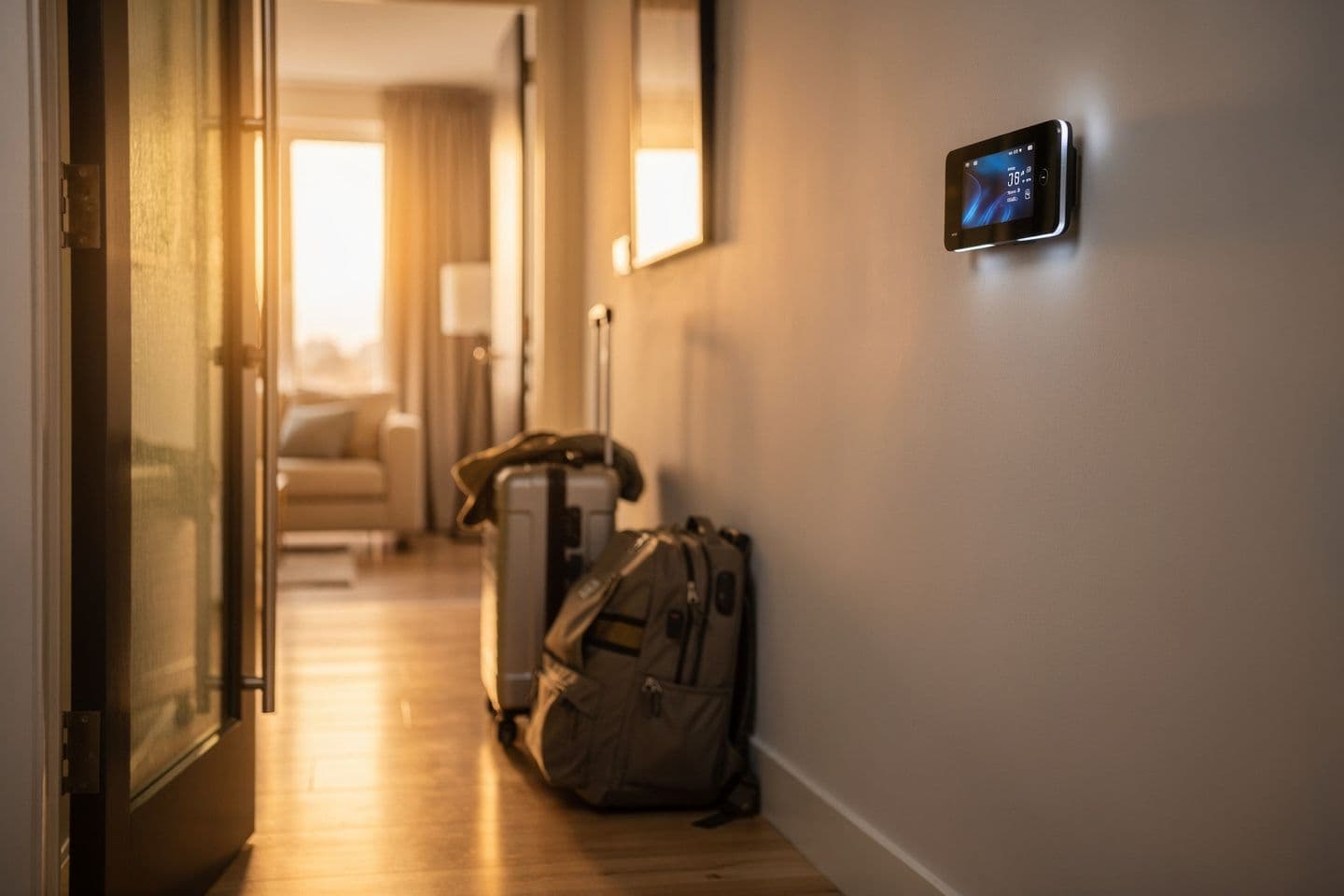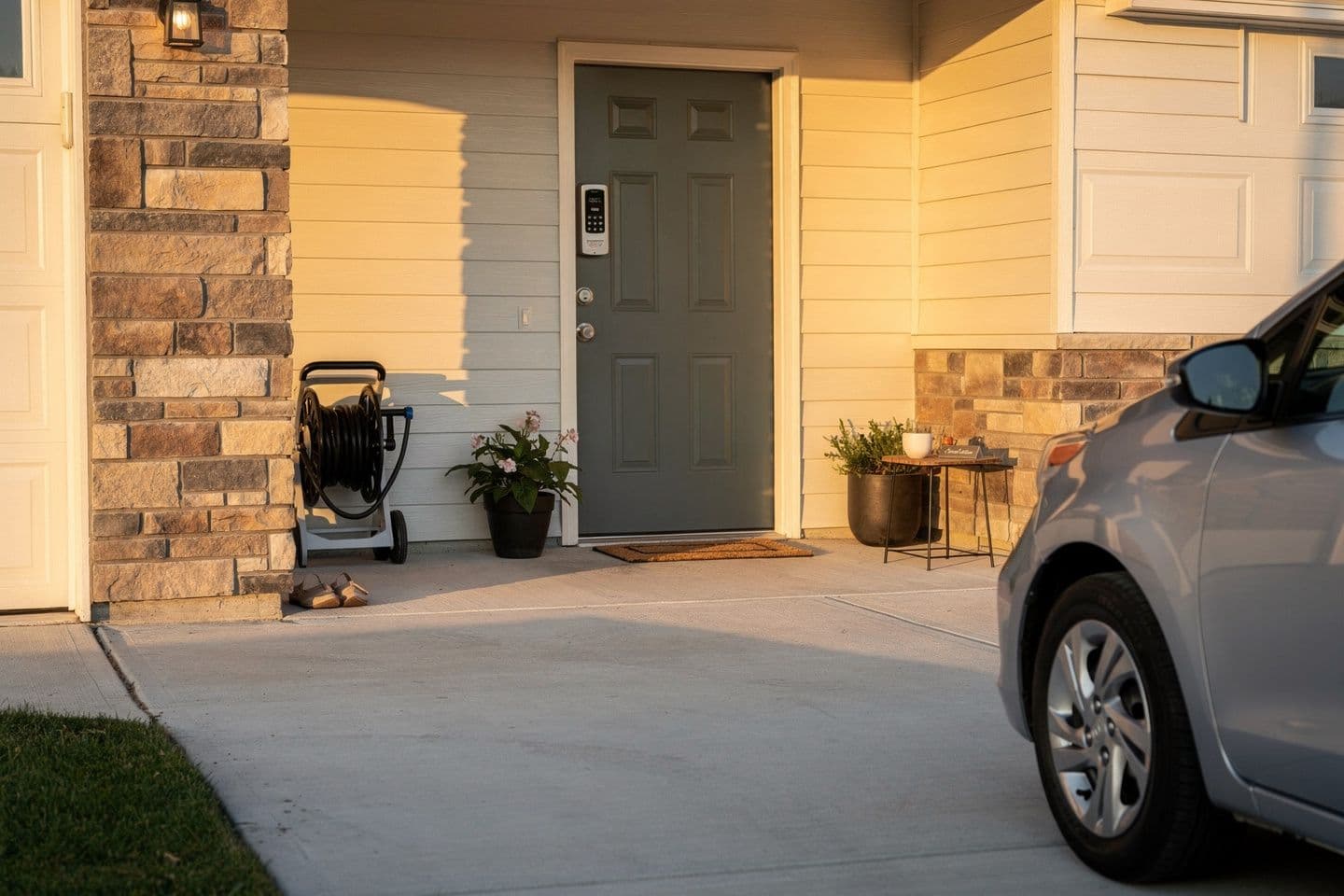


Property owners near Air Force Bases often spend time researching what is the average occupancy rate for TDY rentals near AFBs before deciding whether to furnish a home, target military travelers, or transition into the short-term rental market. The reality is that occupancy can vary significantly depending on training schedules, base activity, location, seasonality, and whether the property is designed around the real needs of TDY guests and their families.
Still, TDY rentals near active AFBs can perform very differently from ordinary vacation rentals or traditional long-term leases. Military travelers often need housing for several weeks or months, especially during long-term TDY assignments. When a property is close to the base, compliant with reimbursement expectations, and comfortable for family members or pets, it can attract steady demand from a highly specific audience.
What occupancy rate should TDY rental hosts realistically expect near AFBs?
A realistic occupancy rate for TDY rentals near AFBs often falls into a strong range when the property is positioned correctly, but hosts should avoid assuming that every furnished rental will stay booked year-round. Properties near bases with frequent training, education programs, flight schools, medical assignments, or contractor support can experience consistent demand. In those markets, a well-managed TDY rental may have fewer gaps than a general short-term rental that depends mostly on weekend leisure travel.
The more useful way to think about occupancy is by annual booked nights, not just monthly bookings. A single TDY guest may stay 45, 60, 90, or even 180 days, which can reduce turnover and stabilize income. That is why a property with fewer reservations can still outperform a vacation rental with more guest changes, more cleaning coordination, and more calendar gaps between stays.
Why do TDY rentals near Air Force Bases often stay occupied longer?
TDY travelers usually travel because of official orders, not because they are taking a casual trip. That creates a different demand pattern from vacation guests, who may cancel due to personal plans, weather, or seasonal travel budgets. A military member assigned to an AFB for training or temporary duty often needs dependable lodging for the full length of the assignment.
Longer stays also make TDY rentals attractive to property owners who want fewer turnovers. Instead of chasing multiple weekend bookings, a host may secure one responsible guest for several months. TDY Hero has built its model around this need by connecting military travelers with private, furnished off-base lodging that fits the realities of longer assignments, reimbursement documentation, and changing military orders.
How do base location and training schedules affect occupancy?
Location is one of the strongest factors behind TDY rental occupancy near AFBs. A home close to the gate, grocery stores, restaurants, gyms, and daily essentials is easier for military travelers to justify because it supports a practical routine. For long-term TDY stays, convenience matters more than novelty, especially when the guest is working long days or attending a demanding course.
Training schedules also shape demand throughout the year. Some bases have predictable waves of arrivals tied to course dates, aircraft training, medical training, or officer programs. Hosts who understand those patterns can price and prepare their rentals more effectively, and travelers can compare options like a well-located TDY rental property near active bases to see how proximity and comfort work together.
Do long-term TDY stays reduce vacancy compared with traditional rentals?
Long-term TDY stays can reduce vacancy because they fill the calendar in larger blocks. Traditional rentals may offer a full-year lease, but they also come with fixed pricing and less flexibility. Vacation rentals may produce high nightly rates, but they can also bring unpredictable gaps, high turnover, and heavy competition in seasonal markets.
TDY housing sits between those models. It can offer longer stays than vacation rentals while allowing owners to serve a specialized military market. Property owners comparing rental strategies may find it helpful to review the lower vacancy rates of TDY rentals vs traditional housing, especially if they own property near a base with steady temporary duty demand.
What property features help improve TDY rental occupancy?
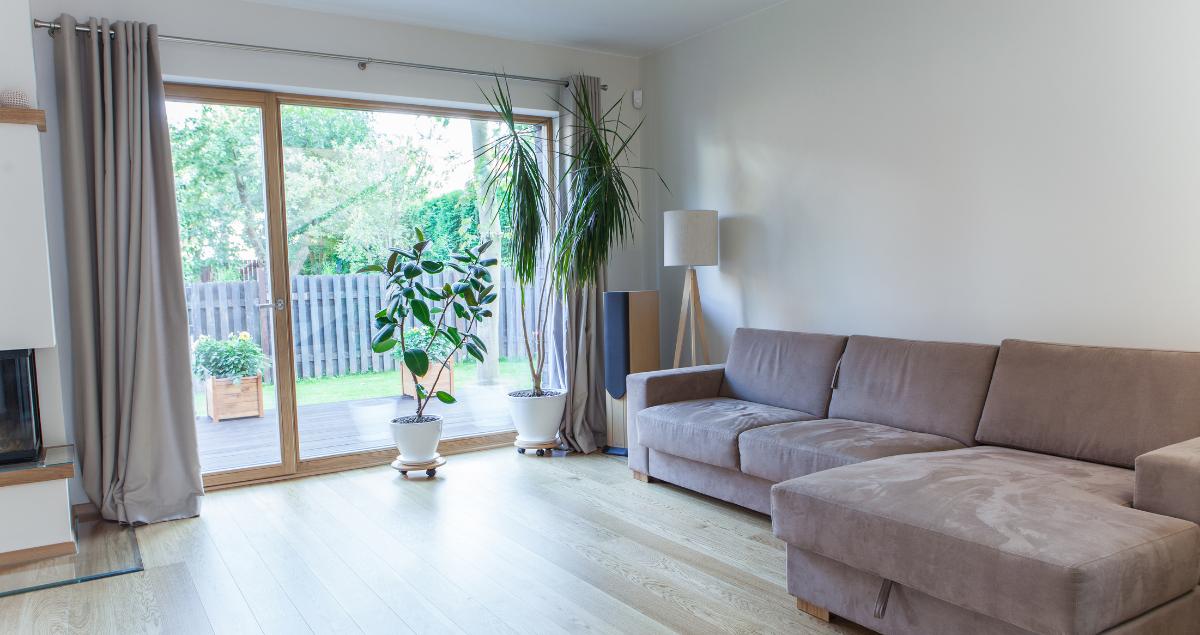
TDY guests usually look for practical comfort rather than a tourist-style experience. A full kitchen, reliable internet, laundry, parking, workspace, and enough room for daily living can matter more than decorative upgrades. For service members traveling with family members or pets, a private furnished rental can be much more appealing than a small hotel room or extended-stay suite.
This is one reason TDY Hero emphasizes stand-alone, private properties rather than shared rooms or crash pad arrangements. The company’s clients often need space, privacy, and normal home features during assignments that may last more than a few weeks. When a rental solves those needs, it becomes easier to keep occupancy strong because the property is aligned with how TDY travelers actually live.
How do reimbursement rules influence TDY rental demand?
Reimbursement confidence is a major part of the TDY lodging decision. Military travelers do not want to worry about whether their lodging receipts will be accepted through DTS or their local finance office. TDY Hero addresses that concern by charging the applicable on-base lodging rate when appropriate, providing itemized receipts, and focusing on JTR and DTS compliance.
This matters for occupancy because a property is easier to book when the traveler feels financially protected. TDY Hero states that it has a 100% success rate for clients being reimbursed for their entire stay, along with a 100% money-back guarantee. For hosts, that kind of structured process can make the rental more attractive to military guests who might otherwise avoid off-base lodging due to reimbursement uncertainty.
Do perks and included services increase bookings for TDY rentals?
Perks can help a TDY rental stand out, especially when the traveler is staying for a long time and comparing options with similar nightly rates. The Department of Defense provides daily per diem for meals and incidentals based on location, but that amount may feel limited during long assignments, especially for travelers with family members or pets. Included perks can make an off-base stay feel more supportive without adding surprise costs.
TDY Hero uses perks as part of its value proposition, and those perks can be customized based on client needs, location, season, and lodging per diem rates. Past perks have included groceries, cleanings, food delivery, Amazon gift cards, paddle boards, Walmart accessories, golf packages, and similar stay-enhancing benefits. The company has paid out over $100,000 in perks, which gives travelers another reason to choose a TDY-focused lodging platform instead of a standard rental listing.
How can hosts estimate occupancy before listing a TDY rental?
Hosts can start by studying the base itself. If the nearby AFB has recurring schools, medical rotations, pilot training, contractor activity, or long-term temporary duty assignments, the market may support stronger occupancy. Hosts should also look at commute times, nearby services, property size, pet friendliness, parking, and whether the home can comfortably support a guest for weeks or months.
It is also important to think beyond nightly pricing. A TDY rental that charges the allowable lodging rate, avoids hidden booking or cleaning fees, and provides clear documentation may appeal to travelers who need a smooth reimbursement process. TDY Hero’s model is built around that exact friction point, giving both clients and hosts a more structured way to manage longer military stays.
What is the best way to keep a TDY rental booked near an AFB?
The best way to keep a TDY rental booked near an AFB is to treat it like mission-focused housing, not a generic furnished rental. The property should be clean, private, well-equipped, and easy to live in for an extended period. It should also be marketed in a way that speaks directly to military travelers, including family needs, pet needs, parking, laundry, kitchen access, and reimbursement-friendly documentation.
Hosts should also prepare for schedule changes because military orders can shift. TDY Hero follows SCRA-related protections and adjusts rental dates when TDY orders change, which helps reduce stress for the traveler. That flexibility can improve trust, and trust is one of the most important factors behind repeat demand, referrals, and stronger long-term occupancy.
So, what is the average occupancy rate for TDY rentals near AFBs? The most accurate answer is that performance depends on the base, property, season, and management model, but well-positioned TDY rentals can achieve strong occupancy because they serve a consistent military need. When a property offers privacy, practical amenities, reimbursement-friendly receipts, no hidden fees, and meaningful perks, it becomes more than a place to sleep. It becomes a reliable housing solution for service members who need comfort, compliance, and stability during a demanding assignment. For both hosts and travelers, that combination is the real value. Occupancy improves when the stay feels simple, compliant, and useful from the first inquiry through the final receipt. In busy AFB markets, that level of certainty can turn a furnished home into a dependable long-term lodging asset rather than an occasional rental too.