

For property owners trying to attract consistent, long-term tenants near military bases, the question of whether you should allow pets in military rentals often comes up naturally during planning and strategy discussions. It’s not just a casual preference issue either, because for landlords hosting TDY travelers or extended-stay service members, pet policies can directly influence occupancy rates, tenant satisfaction, and overall profitability. Military families tend to relocate frequently, and pets are frequently part of their household, which makes housing flexibility even more important than in standard rental markets. Understanding how pet-friendly policies affect demand helps owners make more informed and strategic decisions that align with real tenant needs.
In military housing markets, especially near active bases, the presence of pets is not a small detail but a major deciding factor for many renters. Service members often relocate with limited time to find suitable housing, and restrictions on pets can immediately eliminate otherwise ideal properties. At the same time, landlords worry about damage, cleaning costs, and long-term maintenance concerns. Finding the right balance between opportunity and risk is what makes this decision so important for anyone investing in military-focused rental properties.
Why Pets Play a Big Role in Military Rental Decisions
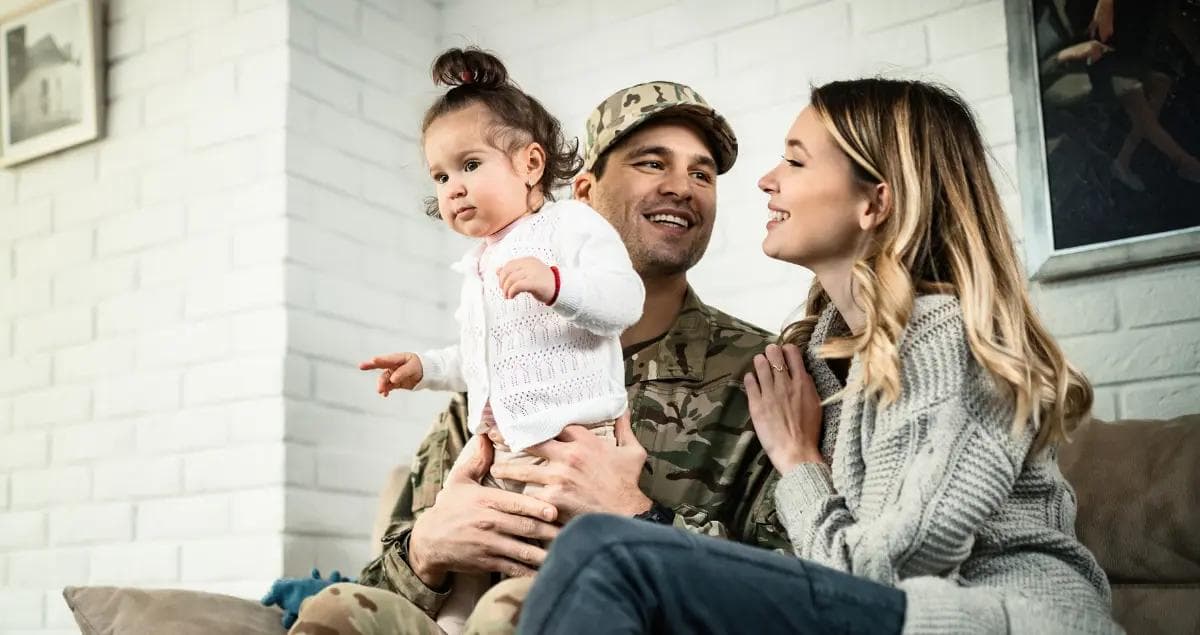
Pets are often considered part of the family for military households, which means they heavily influence housing decisions during TDY assignments or relocations. Many service members will prioritize pet-friendly housing even over location or price, especially for longer stays. This creates a strong demand for rentals that welcome animals, particularly near major installations where housing turnover is frequent. As a result, properties that allow pets tend to receive more inquiries and experience fewer vacancy gaps overall.
From a landlord’s perspective, this demand can translate into more stable occupancy and longer lease durations. Military tenants with pets are typically looking for comfort, stability, and convenience during stressful transitions. When a property meets these needs, it becomes far more attractive than comparable listings that restrict animals. This shift in tenant priorities is why pet-friendly housing continues to outperform non-pet-friendly options in many military-heavy rental markets.
Benefits of Allowing Pets in Military-Targeted Rentals
One of the biggest advantages of allowing pets is increased occupancy rates. Military renters with animals often have fewer housing options, which means your property automatically stands out in search results. This competitive edge can significantly reduce vacancy time between tenants. In high-demand areas near bases, this can translate into more consistent rental income throughout the year.
Another benefit is tenant retention, especially for long-term TDY stays. When service members find a pet-friendly home that meets their needs, they are more likely to extend their stay or rebook in the future. This creates a reliable tenant pipeline that reduces marketing effort and turnover costs. Over time, these advantages can outweigh the additional maintenance considerations associated with pets.

Potential Risks Property Owners Should Consider
Despite the benefits, allowing pets does introduce certain risks that landlords must plan for carefully. The most common concern is property damage, which can include scratches, odors, or wear on flooring and furniture. Even well-trained pets may cause unexpected issues during extended stays. These risks make it essential to implement preventive measures such as durable materials and clear rental agreements.
Another consideration is increased maintenance between tenants. Cleaning requirements may be higher, and occasional repairs may be needed after longer stays with pets. Without proper policies in place, these costs can add up over time and impact overall profitability. However, many landlords find that these expenses are offset by higher occupancy and stronger demand from military renters.
Understanding Military Demand for Pet-Friendly Housing
Military renters often face limited housing options when relocating, especially when pets are involved. This makes pet-friendly listings significantly more valuable in competitive markets. For example, many service members prioritize properties that can accommodate both their assignment requirements and family needs, including animals. This is where resources like pet-friendly TDY housing options near Luke AFB become especially relevant for understanding local demand trends.
By studying this demand, property owners can better position their rentals to attract qualified military tenants. Listings that clearly advertise pet-friendly policies tend to perform better in search visibility and booking conversions. Military renters often make quick decisions, so clarity and accessibility are key. Properties that align with these expectations consistently outperform those with unclear or restrictive policies.
Setting Up a Property for Pet-Friendly Military Stays
Preparing a rental for pets requires more than just allowing animals—it involves thoughtful property design. Durable flooring, easy-to-clean surfaces, and secure outdoor spaces can make a significant difference in long-term maintenance. These improvements help reduce damage risk while improving tenant satisfaction. Many landlords find that small upgrades create a much more resilient rental environment overall.
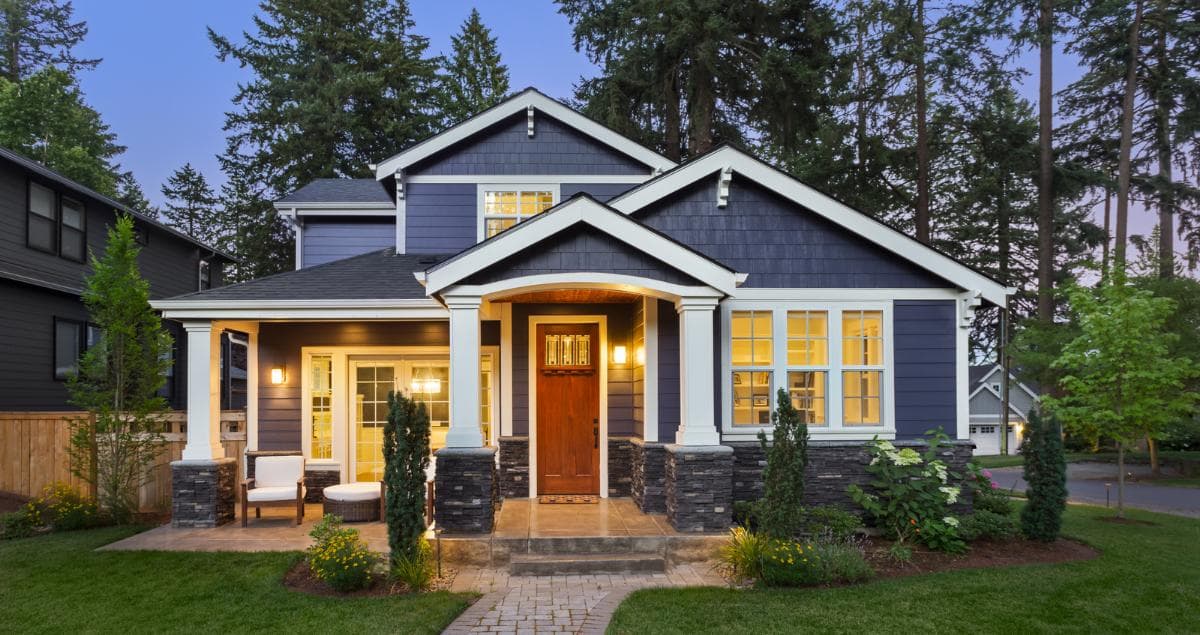
Some properties are already designed with these needs in mind, such as this pet-friendly furnished home near Luke AFB for TDY stays, which demonstrates how thoughtful setup can improve both comfort and functionality. Features like fenced yards, open layouts, and durable furnishings help attract responsible military tenants with pets. When a property is well-prepared, it reduces friction for both landlords and renters. This leads to smoother stays and fewer operational issues.
Creating a Balanced Pet Policy for Military Rentals
A strong pet policy is essential for balancing opportunity and risk in military rentals. Clear rules around pet size, breed restrictions, deposits, and cleaning expectations help prevent misunderstandings. Military tenants appreciate transparency, especially during stressful relocations. When expectations are clearly communicated, it reduces disputes and improves overall rental experience.
Financial planning also plays a role in creating a sustainable pet-friendly strategy. Many landlords include modest pet fees or deposits to offset potential maintenance costs while still remaining competitive. This approach ensures that the property remains attractive to military renters without exposing the owner to unnecessary risk. Over time, a well-structured policy supports both profitability and tenant satisfaction, making it easier to maintain consistent occupancy in military housing markets.
Ultimately, deciding whether to allow pets in military rentals comes down to understanding your target market and aligning your property with their needs. Military families often prioritize flexibility, comfort, and stability, which makes pet-friendly housing a strong advantage in many locations. When managed properly, allowing pets can lead to higher occupancy, stronger tenant loyalty, and improved long-term returns. The key is combining thoughtful policies with well-prepared properties to create a reliable and sustainable rental strategy.