

Why Squadron TDY Group Bookings Are Different
Squadron TDY group bookings can be one of the most attractive opportunities in the military furnished rental market. Instead of hosting one traveler for a short assignment, you may have multiple service members traveling together for training, exercises, inspections, simulator events, aircraft transitions, or temporary mission support. These stays often last several weeks to several months, and the guests usually want dependable housing that feels more practical than a hotel and more organized than a vacation rental.
For a property owner, the economics can be appealing. A larger home, townhome, or multi-bedroom apartment may generate stronger monthly revenue when it is configured for several TDY travelers who are splitting lodging costs or booking under coordinated travel plans. Group demand can also reduce vacancy because one reservation may fill multiple bedrooms at once. That said, squadron TDY group bookings require a different operating mindset than hosting a vacationing family or a single corporate traveler.
Military guests often care about predictable commute times, clear receipts, quiet sleeping arrangements, secure parking, laundry access, reliable internet, and straightforward house rules. A TDY group may include service members with different schedules, ranks, sleep cycles, training loads, and reporting requirements. If the property is not set up to handle those realities, small issues can become recurring friction during the stay.
TDY Hero helps connect property owners with military travelers who are actively searching for off-base furnished rentals near U.S. military installations. When your listing is built around the needs of squadron TDY group bookings, it becomes easier for travelers to understand the fit, compare the property to hotels or crashpads, and book with confidence.
Examples of group-friendly furnished options include Hurlburt/Eglin TDY home minutes to Navarre and Pensacola Beach and TDY Hurlburt Eglin - Downtown FWB Condo 2bed/2bath/office.

Start With the Right Property Layout
The first question is whether the property can comfortably support a group without feeling crowded. A three-bedroom house may work well for three individual TDY travelers if each bedroom has a real bed, closet space, blackout curtains, and enough privacy. A four-bedroom home may support a larger group, but only if the common areas, bathrooms, parking, and laundry capacity match the number of occupants. Simply adding more beds does not automatically make a property group-ready.
For squadron TDY group bookings, private sleeping space is usually more valuable than squeezing extra guests into bunk arrangements. Some military travelers are comfortable with shared housing, especially when traveling with people from the same unit, but most still prefer a room they can close at the end of the duty day. A good layout gives every guest a place to sleep, unpack, charge devices, and decompress. If bedrooms share walls or face bright streetlights, small upgrades such as white noise machines, room-darkening curtains, and better door seals can improve guest satisfaction.
Bathrooms matter more than many owners expect. A four-bedroom property with one bathroom may create bottlenecks during early report times. A two-and-a-half-bath or three-bath setup can be much easier for rotating schedules. If the home has limited bathroom capacity, the listing should be transparent. Military guests tend to appreciate accurate expectations more than polished descriptions that hide practical constraints.
Common areas should support both downtime and routine. A comfortable living room, a dining table large enough for several people, and a kitchen with adequate storage make the property feel livable during longer stays. If the home is marketed for squadron TDY group bookings, photos should clearly show where guests will eat, work, relax, park, and do laundry, not just where they will sleep.
Build a Bedroom Setup That Works for Military Travelers
The bedroom setup is one of the strongest signals that a property is TDY-ready. For group bookings, owners should think beyond aesthetics and focus on durability, consistency, and rest. Each bedroom should ideally include a quality mattress, nightstand, lamp, accessible outlets, closet or dresser storage, full-length mirror, trash can, and blackout window covering. These details may seem basic, but they reduce the daily inconvenience that becomes noticeable during a 45-, 60-, or 90-day stay.
Bed size depends on the property and expected guest profile. Queen beds are often a strong default for private rooms because they provide comfort without overwhelming the space. Twin or full beds may work in smaller rooms, but they can feel less competitive for longer TDY assignments. If a property is intended for officers, instructors, senior NCOs, or longer training pipelines, larger beds and stronger privacy may help the listing stand out.
Owners should avoid making one room feel like the leftover space. In a group booking, one guest often ends up in the smallest bedroom, but that room should still be functional. If one bedroom has no closet, poor lighting, or an uncomfortable bed, it can create dissatisfaction even when the rest of the home is excellent. A fair setup makes each room feel intentionally prepared, even if room sizes differ.
Labeling bedrooms can also help. A listing can describe Bedroom 1 as a queen suite with attached bath, Bedroom 2 as a queen room near the hallway bath, and Bedroom 3 as a full room with desk and closet. This level of detail allows the booking point of contact to determine whether the setup works for the traveling group. TDY Hero listings that clearly describe bedroom layouts can save time for both owners and military guests.
If you are still converting a standard property, this guide on turning a regular home into a TDY-ready furnished rental can help you prioritize the right upgrades.

Plan Utilities, Wi-Fi, Parking, and Laundry for Multiple Guests
Group stays put more pressure on the systems inside a furnished rental. Internet that works for one guest may struggle when several service members are streaming, studying, gaming, conducting video calls, or completing online training at the same time. Fast, reliable Wi-Fi is not a luxury in TDY housing. It is part of the operating standard. Owners should use a strong internet plan, place the router strategically, and consider mesh Wi-Fi for larger homes.
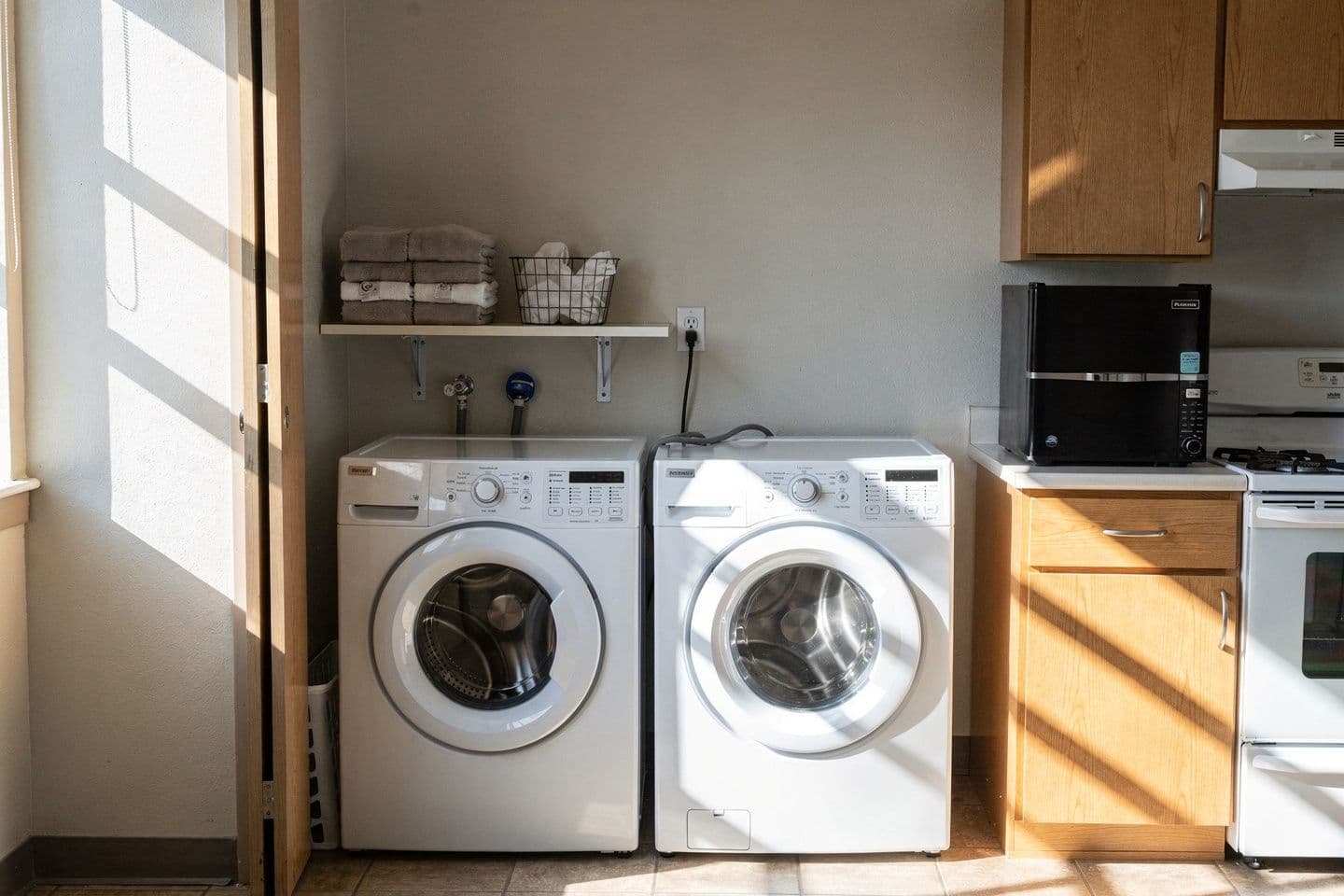
Laundry is another major factor. Squadron TDY travelers often have uniforms, workout gear, civilian clothes, and bedding to manage during the stay. A full-size washer and dryer can be a major advantage over hotels or shared laundry facilities. If the property has only a compact unit, the listing should be honest about capacity. Owners should also provide basic laundry supplies at check-in or clearly explain what is included.
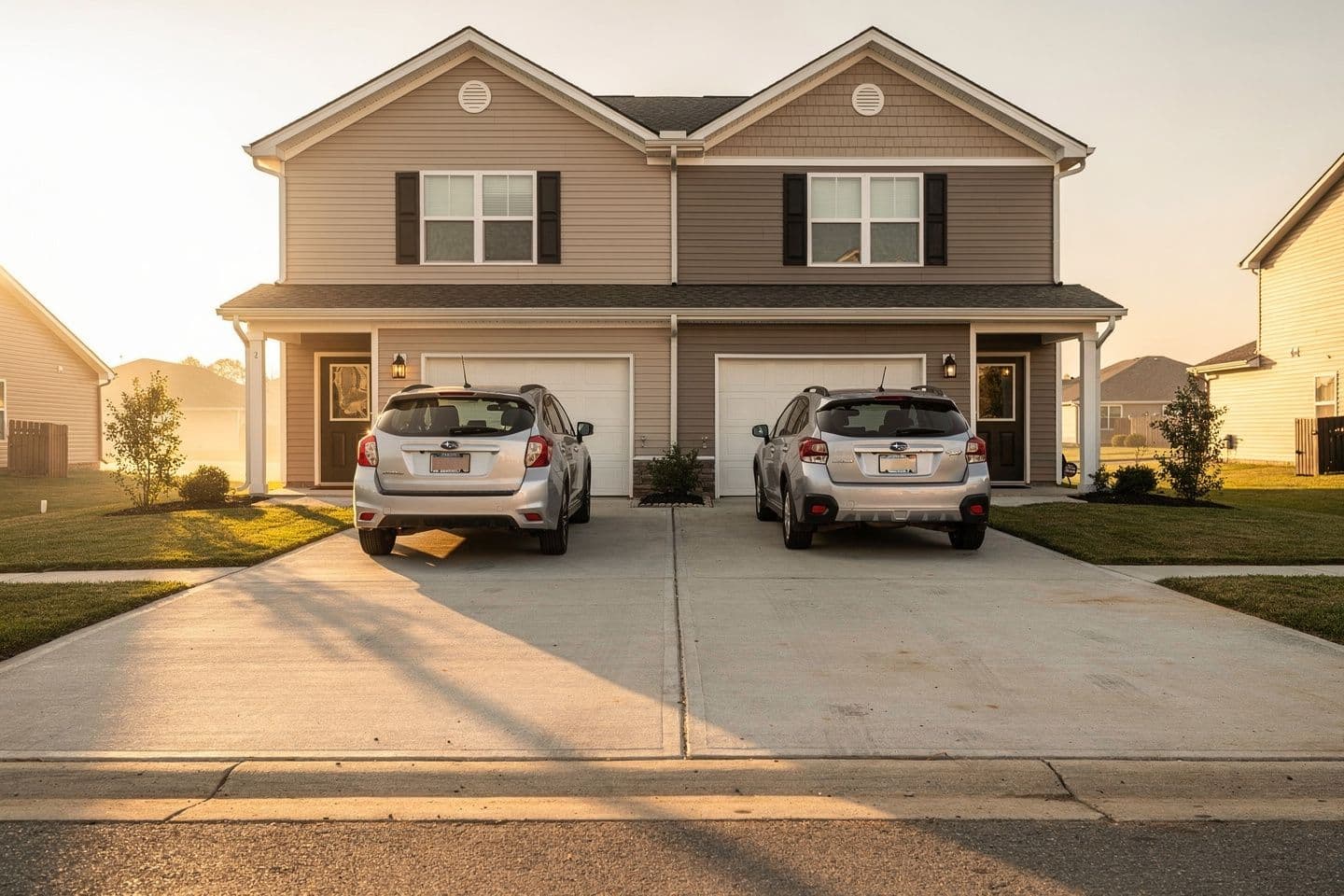
Parking can make or break a group booking, especially near bases where each traveler may have a rental car or personal vehicle. A property that sleeps four but has only one assigned parking space may not be practical. Owners should specify garage access, driveway capacity, street parking rules, HOA restrictions, and any limits on oversized vehicles. Clear parking information reduces frustration before arrival and prevents avoidable neighbor complaints.
Utilities should be priced and managed with group use in mind. More guests means more electricity, water, hot water, and HVAC usage. If utilities are included, the owner should build realistic usage into the nightly or monthly rate rather than relying on strict rules that feel unreasonable. Smart thermostats, efficient appliances, and clear guidance can help control costs without making guests feel monitored. TDY Hero can help owners present all-inclusive details in a way that military travelers can understand before booking.
Set Pricing for Group Value, Not Just Bedroom Count
Pricing a property for squadron TDY group bookings requires more nuance than multiplying the number of bedrooms by a nightly rate. Military travelers are often comparing several options at once: on-base lodging, extended-stay hotels, traditional crashpads, furnished apartments, and private homes. A larger furnished rental can offer better space, kitchen access, laundry, privacy, and parking, but the price still needs to make sense within the group’s travel budget and lodging expectations.
Owners should evaluate local per diem lodging rates, hotel availability, base training tempo, seasonality, and the quality of comparable furnished rentals. The goal is not always to be the cheapest option. The goal is to be the clearest value. A home that gives four travelers private bedrooms, two bathrooms, a full kitchen, garage parking, and a 15-minute commute may justify a stronger rate than a basic shared crashpad with limited amenities.
For a deeper look at rate strategy, see how to price your furnished rental for military TDY guests.
For longer stays, monthly pricing may be more persuasive than a high nightly rate. Many TDY assignments fall into 30-, 60-, 90-, or 120-day windows. Offering tiered pricing for longer reservations can help owners secure stable occupancy while giving military guests a predictable total cost. If cleaning, utilities, internet, lawn care, and parking are included, those inclusions should be prominently stated because they affect the real value of the booking.
Group pricing should also account for wear and tear. More guests mean more use of furniture, linens, kitchenware, appliances, and bathrooms. Owners should not underprice just to win the reservation, then become frustrated by normal multi-guest usage. A sustainable rate protects the property, funds maintenance, and supports a professional guest experience. TDY Hero gives owners a military-focused place to present that value without forcing the property into a generic vacation-rental pricing model.
Create House Rules That Support Unit Life Without Feeling Restrictive
House rules for squadron TDY group bookings should be clear, professional, and practical. Military guests are generally accustomed to standards, accountability, and written expectations. However, overly controlling rules can make a furnished rental feel uncomfortable. The best approach is to focus on the issues that genuinely protect the property and preserve neighborhood relationships: quiet hours, parking, trash, smoking, pets, maintenance reporting, guest limits, and checkout procedures.
Quiet hours are especially important when multiple service members share a home. Some may report early, while others may have evening commitments or simulator schedules. Rules should encourage respect for sleep cycles and neighbors. A simple policy such as no loud music or outdoor gatherings after a set time is usually more effective than a long list of prohibitions. If the home is in an HOA community, those rules should be summarized before booking.
Owners should also decide how to handle visitors. TDY groups may have classmates, coworkers, or family members visit during the stay. A reasonable visitor policy can prevent confusion without creating tension. For example, the rental agreement may allow daytime visitors but prohibit unauthorized overnight guests unless approved in writing. This protects occupancy limits and insurance requirements while still respecting normal social activity.
The tone of the rules matters. Instead of writing as though every guest is a risk, owners should frame expectations as part of keeping the property comfortable for military travelers. A concise welcome guide can include trash pickup days, Wi-Fi information, appliance instructions, emergency contacts, parking maps, and base commute tips. When rules are organized and easy to follow, group guests are more likely to comply.

Prepare Documentation, Receipts, and Booking Communication
Military travelers often need documentation that civilian vacation renters never ask for. Depending on the situation, guests may need an itemized receipt, proof of lodging dates, a breakdown of taxes or fees, the property address, the payee name, and confirmation of the amount charged. Owners who are prepared for these requests can make the booking smoother and more attractive to TDY guests.
The owner does not need to interpret every detail of the Joint Travel Regulations or advise guests on reimbursement eligibility. However, the owner should provide accurate invoices, receipts, and booking confirmations. If a guest asks whether a stay is reimbursable, the safest answer is to recommend that the traveler confirm with the approving official, DTS administrator, or finance office. Clear documentation supports the guest’s process without putting the owner in the position of making policy decisions.
For squadron TDY group bookings, there may be one point of contact coordinating questions for several people. Owners should identify who is responsible for payment, who will receive check-in instructions, who can approve maintenance access, and who should be contacted if rules are not followed. This is particularly important when multiple guests arrive on different dates or when one service member books the home for the group.
Communication should be prompt but not overwhelming. Before arrival, the owner should confirm the guest count, arrival window, parking plan, bedroom needs, pet status, and any special requirements. During the stay, periodic check-ins can be helpful for longer bookings, but guests should not feel micromanaged. TDY Hero supports a more focused connection between owners and military travelers, which can reduce mismatched expectations compared with broad consumer rental platforms.
Reduce Wear and Tear During Longer Group Stays
A well-prepared furnished rental can handle squadron TDY group bookings without excessive damage, but the property needs durable choices from the beginning. Owners should select furniture that can withstand daily use, not delicate pieces chosen only for photos. Solid bed frames, washable sofa fabrics, sturdy dining chairs, commercial-grade mattress protectors, and easy-care flooring can reduce maintenance headaches over time.
Owners comparing durable setups can look at furnished examples like Luxury TDY Lodging Near Shaw AFB for ideas on presenting a polished but practical space.
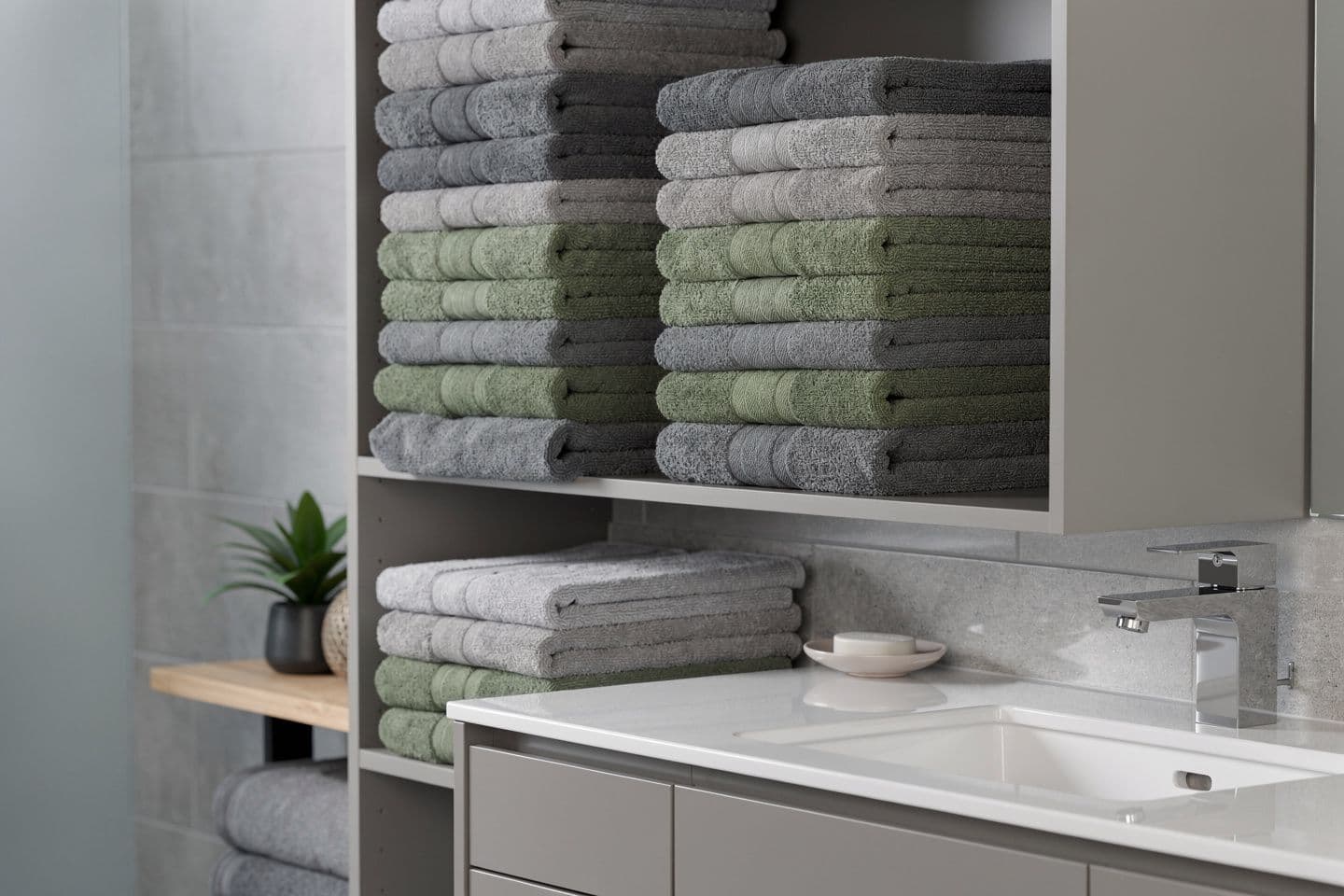
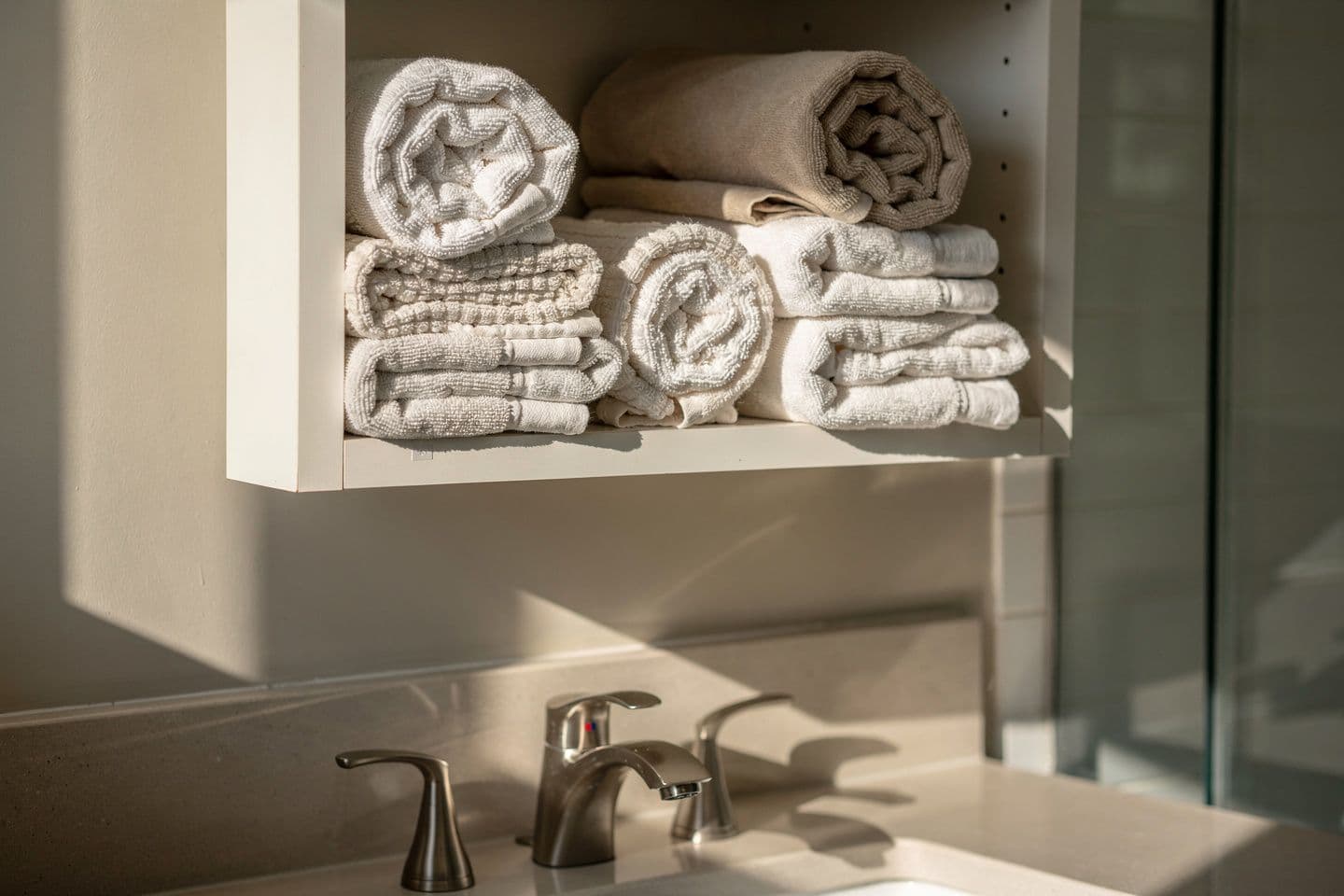
Linens should be simple, replaceable, and consistent. White hotel-style sheets and towels can work well because they are easy to bleach and replace in sets, but some owners prefer darker towels for makeup and boot-related stains. Each guest should have enough linens for the length of stay, and extra bedding should be stored in a clearly labeled place. Mattress and pillow protectors are essential for every bed.
Kitchens in group rentals need more than a token set of dishes. If the property sleeps four, it should have enough plates, bowls, glasses, mugs, utensils, cookware, food storage containers, and coffee supplies for at least that many people to live normally. Durable, matching basics are better than fragile or mismatched leftovers. A group of TDY travelers will use the kitchen heavily, especially if they are trying to manage meal costs during a long assignment.
Preventive maintenance is also part of wear-and-tear control. Owners should service HVAC systems, inspect plumbing, test smoke and carbon monoxide detectors, replace air filters, clean dryer vents, and check locks before each longer group stay. A small issue that would be inconvenient for one guest can become a major problem for four. Preventive work protects income, reviews, and guest safety.

Market the Property to the Right Military Audience
A property can be perfectly prepared for squadron TDY group bookings and still underperform if the listing does not explain why it works. Generic phrases such as “great location” or “fully furnished” are not enough. Military travelers want to know commute time to the gate, distance to training areas, number of private bedrooms, parking availability, Wi-Fi speed, laundry access, workspace options, and whether utilities are included.
Photos should tell a practical story. Show each bedroom from multiple angles, the bathrooms, the kitchen, the dining area, the living room, the washer and dryer, parking areas, exterior entry, and any desk or work area. If the home has a garage, fenced yard, blackout curtains, smart lock, or extra storage, those features deserve visual proof. A traveler coordinating housing for a group may share the listing with others, and clear photos help the group make a faster decision.
The listing description should also speak to the assignment type. Instead of only describing nearby restaurants and attractions, include details such as “designed for multi-week TDY stays,” “private bedrooms for individual travelers,” “easy commute to the main gate,” or “ideal for small groups attending training.” The description should remain accurate and avoid implying official base approval unless that is actually documented.
TDY Hero gives owners a platform where these military-specific details are relevant rather than buried under vacation amenities. Because the audience is already searching for TDY and PCS-friendly housing, owners can focus the listing around the features that matter most to service members. A well-written listing can attract better-fit guests and reduce repetitive pre-booking questions.
Once the property is ready, listing your furnished rental for military tenants can help put those TDY-specific details in front of the right audience.
Final Thoughts
Preparing a furnished rental for squadron TDY group bookings is about more than adding extra beds. It requires a thoughtful layout, durable furnishings, reliable utilities, clear pricing, strong documentation, and communication that respects the realities of military travel. When those pieces are in place, a property can become a dependable housing option for groups that need more space and flexibility than a hotel can provide.
For owners near active training bases, flight schools, headquarters, maintenance hubs, or mission-support installations, group TDY demand can be a valuable part of a furnished rental strategy. The most successful properties are not necessarily the largest or most expensive. They are the ones that solve practical problems: sleep, commute, laundry, parking, internet, receipts, and comfort during a demanding assignment.
TDY Hero helps property owners present those solutions to a military audience that already understands the value of off-base furnished housing. By tailoring the property and listing to squadron TDY group bookings, you can improve guest fit, strengthen occupancy, and create a more professional rental experience for everyone involved.