

When it comes to renting properties near military bases, understanding the demand for Temporary Duty (TDY) and Permanent Change of Station (PCS) tenants is key to making informed decisions as a landlord. Both TDY and PCS assignments involve military personnel needing temporary housing, but the demand and duration of stays differ, impacting rental occupancy. For property owners, knowing which type of military assignment creates more rental demand can help them strategically plan their rental schedules, pricing, and property management.
In this blog, we’ll compare PCS and TDY assignments to determine which one generates more demand for rental properties. By understanding the nature of each, landlords can better position their properties and attract the right tenants.
What is PCS and How Does it Affect Rental Demand?
PCS, or Permanent Change of Station, refers to the relocation of a military member and their family from one duty station to another, typically for a period of 2–4 years. This assignment requires military personnel to find housing at their new base, and often, they prefer off-base rental properties for more space, privacy, and comfort.
PCS assignments generally lead to long-term housing needs, meaning that once a military family moves to a new base, they will often stay in the area for a few years. This creates a steady demand for long-term rental properties, particularly in areas close to military installations.
Since PCS orders are usually planned well in advance, property owners can anticipate when military families will be arriving, allowing them to prepare for these long-term stays. Additionally, PCS tenants are generally looking for fully furnished homes, pet-friendly properties, and other amenities that provide a home-like environment during their relocation.
What is TDY and How Does it Impact Rental Demand?
TDY, or Temporary Duty, involves a military member being temporarily assigned to a different location for a shorter period, typically ranging from a few weeks to a few months. Unlike PCS assignments, TDY stays are often tied to specific training programs, operations, or missions. These assignments do not usually involve a full relocation, meaning that military members will need short-term housing options that are flexible and close to the base where they are training or working.
TDY assignments create short-term rental demand, and the timing of these stays is often unpredictable. For example, the number of TDY guests increases during busy training seasons or major operations. Although TDY stays can generate higher occupancy during peak periods, the demand is often more seasonal than year-round.
Landlords who offer short-term furnished rentals, often near military bases, can benefit from the influx of TDY tenants. Additionally, TDY guests typically have higher per diem allowances, which can make these rental options more appealing.
Comparing Rental Demand for PCS vs TDY
While both PCS and TDY assignments generate rental demand, the types of demand differ based on the duration and timing of stays.
PCS Demand
PCS assignments typically create steady, year-round demand for off-base rentals. As service members relocate, they often require housing for several years. This long-term stay offers property owners more stability and consistent rental income. Since PCS orders are often planned well in advance, landlords can anticipate the arrival of tenants and ensure their properties are ready for move-ins.
TDY Demand
TDY assignments create more seasonal demand for rental properties. Although TDY assignments can bring in military guests for several months at a time, the peak periods are often during specific training seasons or deployment schedules. These assignments tend to vary depending on the military’s needs, and while they may generate high demand during certain months, the demand may dip during off-peak periods. TDY tenants are typically looking for more flexible rental options, such as furnished apartments or houses with short-term leases. Property owners who cater to TDY guests must be prepared for the constant turnover of tenants and adjust their rental strategies accordingly.
One aspect worth noting is the difference between corporate housing and TDY rentals. Many TDY personnel prefer the flexibility and convenience of TDY housing, which may offer services and features like furnished homes and short-term leases. If you’re new to offering these types of accommodations, you can get a deeper understanding of how corporate housing compares to military TDY rentals by checking out the blog Corporate Housing vs Military TDY Rentals for valuable insights on how to structure your rental offerings.
Which One Creates More Rental Demand: PCS or TDY?
When comparing the two, PCS generally creates more consistent, long-term rental demand, while TDY generates short-term, seasonal demand. PCS assignments lead to longer stays, typically ranging from 2–4 years. This creates a stable, predictable source of income for property owners who cater to military families. TDY assignments lead to shorter stays, often ranging from a few weeks to several months. While TDY tenants can generate higher turnover and more frequent bookings, the demand is more seasonal and tied to specific training schedules.
In terms of total rental demand, PCS assignments tend to create more stable year-round demand, while TDY assignments offer bursts of high demand during specific times. Property owners near military bases can benefit from both types of rentals by offering a mix of long-term and short-term rental options.
How to Prepare Your Property for PCS and TDY Tenants
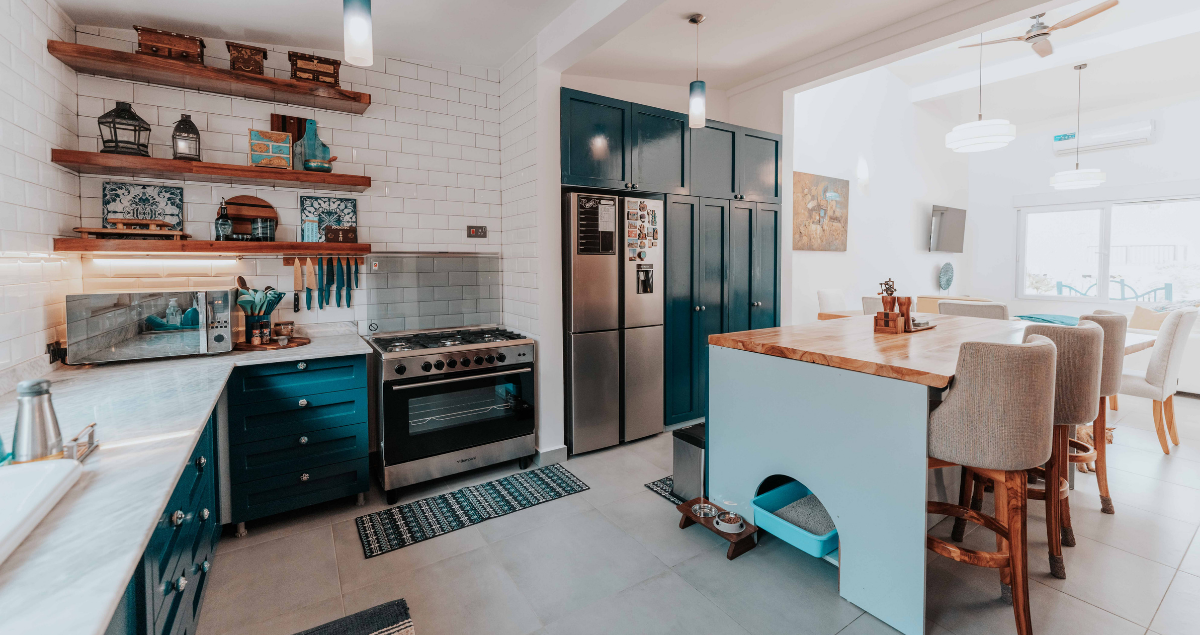
To maximize rental demand for both PCS and TDY tenants, property owners should ensure that their properties are TDY-ready and suitable for longer-term PCS stays. For TDY tenants, offering fully furnished homes with flexible lease terms can make a significant difference. Landlords should also consider providing amenities such as Wi-Fi, workspaces, and pet-friendly policies, which are important to military personnel on TDY.
For PCS tenants, property owners should focus on offering spacious, comfortable homes with long-term lease options. Providing a family-friendly environment, with features like ample storage, parking, and proximity to schools and base facilities, will attract PCS tenants.
The Best Property Types for PCS and TDY Tenants
Certain types of properties are more appealing to military personnel, whether they are on PCS or TDY assignments. For example, furnished rentals are ideal for TDY tenants who need flexible, short-term accommodations. Single-family homes or townhouses tend to attract PCS tenants who require more space and a family-friendly environment.
If you’re looking to explore rental properties near military bases, take a look at this Camp Brooks Cottages on the Coast in the heart of downtown Fort Walton Beach. This property is well-suited for both long-term PCS tenants and short-term TDY guests.
Benefits of Offering PCS and TDY Rentals
There are numerous benefits to renting to military personnel, whether for PCS or TDY stays. Steady income is one of the key advantages, especially for property owners who offer long-term PCS rentals. TDY stays offer higher turnover but also higher nightly rental rates, which can increase profitability during peak seasons. Additionally, military tenants are typically reliable and responsible, making them ideal renters.
By offering both PCS and TDY rentals, landlords can take advantage of year-round demand while maximizing their income potential during peak TDY seasons.
Final Thoughts on PCS vs TDY Rental Demand
Both PCS and TDY assignments create rental demand near military bases, but they do so in different ways. PCS assignments offer stable, long-term demand for off-base housing, while TDY assignments create seasonal demand with shorter stays. By understanding these differences, property owners can strategically prepare their properties and optimize rental rates for military personnel.
For landlords looking to meet the housing needs of military tenants, offering a mix of long-term and short-term rental options can help maximize occupancy and profitability throughout the year. By staying informed about the unique requirements of both PCS and TDY tenants, you can ensure your properties remain in high demand year-round.