

When service members receive temporary duty orders, one of the first practical questions that comes up is housing. It’s not just about where to stay, but what kind of environment makes sense for the length of the assignment and the nature of military life. That’s why the question do military members prefer houses or apartments during TDY? comes up so often among both renters and property owners trying to understand this niche market.
The answer isn’t entirely straightforward because preferences can vary depending on rank, family situation, location, and duration of the TDY assignment. However, there are consistent patterns in how military travelers choose between houses and apartments, and those patterns reveal a lot about comfort, convenience, and mission readiness. Understanding these preferences helps property owners better position their rentals and helps service members make more informed housing decisions.
What Influences TDY Housing Preferences?
Military members on TDY assignments are typically focused on practicality first. Their housing choice is heavily influenced by the length of stay, proximity to base, and whether they are traveling alone or with family. A short assignment might prioritize convenience over space, while longer stays often require more livable, home-like environments.
Another major factor is the nature of the mission. Training assignments may involve irregular schedules, while administrative TDYs might allow for more stable routines. These differences shape whether a compact apartment or a full house better supports daily life during the assignment. Cost reimbursement limits under government per diem rules also play a role in narrowing options.
Why Houses Are Often Preferred for Longer TDY Stays
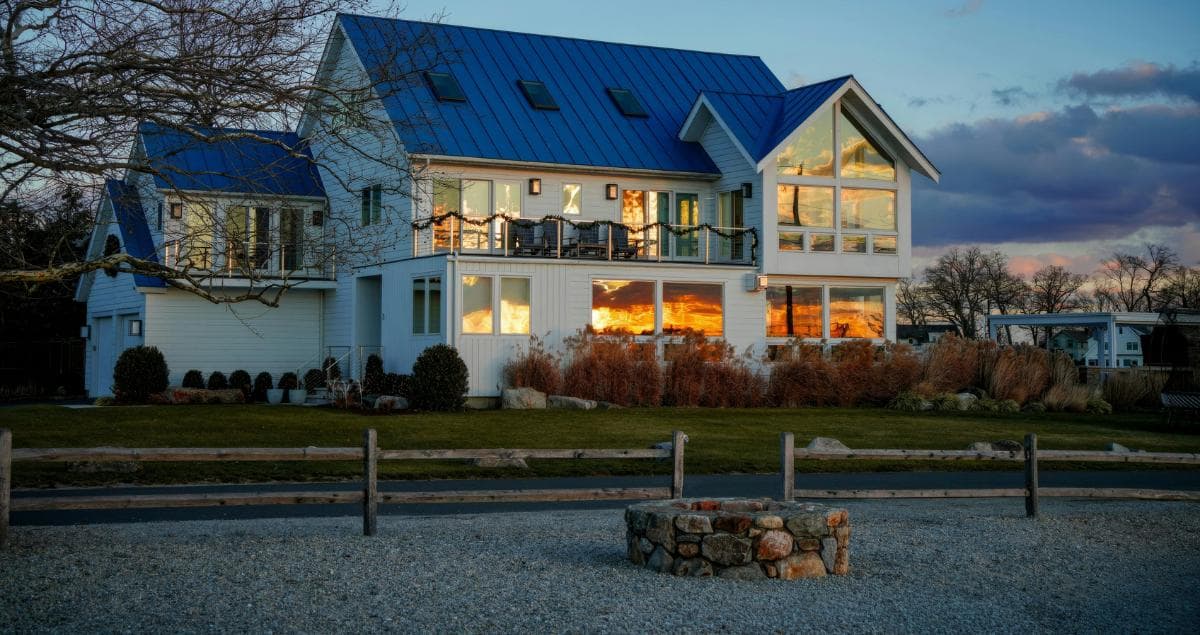
For extended TDY assignments, houses tend to be the preferred option among many service members. The primary reason is space and functionality, especially for those staying several weeks or months at a time. A house offers separate living areas, a full kitchen, and often outdoor space, which makes long-term living more comfortable.
Privacy is another key advantage of houses. After long training days or demanding schedules, having an entire home to return to provides a level of relaxation that apartments sometimes cannot match. Families traveling with service members also benefit from additional bedrooms and amenities that support daily routines and a more stable living environment.
When Apartments Become the Better Choice
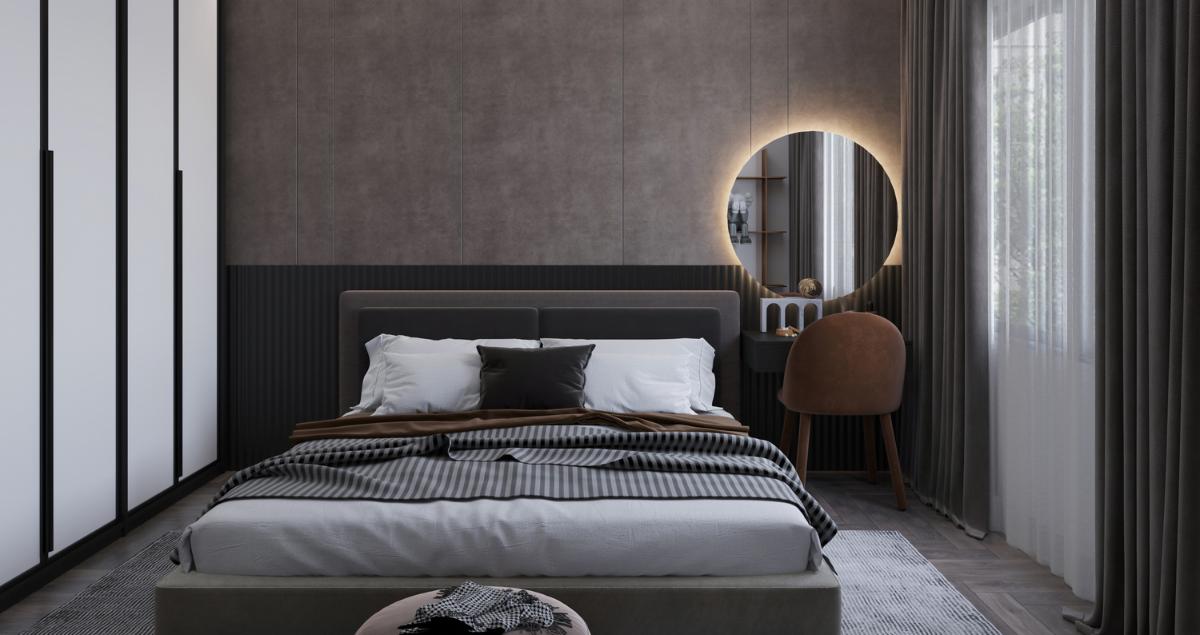
Apartments are often favored for shorter TDY stays or assignments in highly urbanized areas where proximity to base and amenities is essential. Many apartments are located near commercial centers, making it easier for service members to access food, transportation, and entertainment without needing a vehicle. This convenience can be especially valuable during short-term training rotations.
Maintenance-free living is another reason apartments appeal to some military travelers. Since property management typically handles repairs and upkeep, service members can focus entirely on their assignment without worrying about household responsibilities. This simplicity often aligns well with shorter deployments or fast-paced training environments.
How Location Near Military Bases Shapes the Decision
Location is one of the strongest deciding factors when choosing between a house or apartment during TDY. Properties closer to bases like Hurlburt Field or Eglin Air Force Base tend to be in high demand because they reduce commute time and stress. Being near base also allows for more predictable schedules, which is essential during training-heavy assignments.
For example, many TDY guests look for options like spacious townhome option for TDY guests near base because it combines privacy with accessibility. These examples highlight how proximity and comfort often intersect in TDY housing decisions.
Do Families and Single Service Members Choose Differently?
Yes, household composition plays a major role in determining housing preference. Single service members on TDY are more likely to choose apartments or smaller furnished units because they are easier to manage and often located closer to work areas. Their focus is usually on efficiency rather than long-term livability.
On the other hand, service members traveling with spouses, children, or pets strongly lean toward houses. The additional space, multiple bedrooms, and private yards create a more stable environment for families adjusting to temporary relocation. This setup reduces stress and helps maintain normal routines during the assignment period.
How Comfort and Amenities Affect Housing Choices
Comfort is a major deciding factor for military members who spend weeks or months away from home. Houses often provide full kitchens, laundry rooms, garages, and outdoor spaces, all of which contribute to a more complete living experience. These amenities become especially important during long-term TDY stays where daily routine matters.
However, modern apartments have improved significantly in terms of amenities. Many now offer gyms, business centers, and furnished units designed specifically for temporary stays. While apartments may lack the space of a house, they often compensate with convenience-focused features that support shorter assignments and busy schedules.
What Property Owners Should Understand About TDY Guests
Property owners looking to attract military tenants need to understand that TDY guests are not typical short-term renters. Their needs are shaped by government travel regulations, reimbursement limits, and structured assignment timelines. This makes consistency, reliability, and compliance far more important than luxury features alone.
Owners who want to succeed in this space should also understand how to position their listings effectively. Educational resources such as top amenities military members want during TDY stays provide valuable insight into what service members actually prioritize. From fast internet to functional kitchens, these details often matter more than aesthetic upgrades.
How TDY Duration Impacts Housing Decisions
The length of a TDY assignment significantly influences whether a house or apartment is more suitable. Short assignments under 30 days tend to favor apartments due to simplicity and lower maintenance needs. These stays are often fast-paced, leaving little time to settle into a larger home.
Longer assignments, however, change the equation entirely. When service members are stationed in one place for two to six months, houses become more appealing because they support daily living routines. This is where fully equipped homes or extended-stay rentals provide the best balance between comfort and practicality.
What Trends Are Emerging in Military TDY Housing?
Recent trends show a growing preference for furnished homes and hybrid rental options that blend the privacy of houses with the convenience of apartments. Military travelers increasingly want turnkey housing that allows them to move in immediately without additional setup or logistics. This shift is influencing how property owners design and market their rentals.
At the same time, platforms specializing in military-focused rentals are helping bridge the gap between traditional housing types. As expectations evolve, both houses and apartments are being adapted to meet the unique needs of TDY guests. This means flexibility and furnishing quality are becoming more important than the property type itself.
So when asking whether military members prefer houses or apartments during TDY, the answer depends on a combination of duration, family needs, and mission requirements. Houses often win for longer stays and family travel, while apartments remain strong for short-term and urban assignments. Ultimately, both options serve important roles in supporting the mobility and comfort of military personnel during their temporary duty assignments.