


When property owners begin comparing different types of renters, one question tends to come up again and again: do TDY guests require more or less maintenance than vacation renters? At first glance, it might seem like all short-term renters behave similarly, but that assumption quickly falls apart when you look closer. In reality, TDY travelers—especially those booking through structured platforms—bring a completely different experience to the table, both in how they treat a property and how often they require owner involvement.
This distinction becomes even more important for hosts trying to balance profitability with peace of mind. Maintenance demands, guest behavior, and property longevity all play a role in deciding which type of renter is the better fit. By understanding how TDY guests differ from traditional vacation renters, property owners can make more informed decisions that benefit both their investment and their time.
Understanding the Core Difference Between TDY Guests and Vacation Renters
TDY guests are typically military members or government personnel traveling on official orders, often staying for several weeks or even months. Their travel is structured, purpose-driven, and supported by government guidelines, which creates a level of consistency rarely seen with vacation renters. Unlike tourists who are focused on relaxation and short-term enjoyment, TDY guests are focused on work, routine, and stability.
Vacation renters, on the other hand, are usually in a temporary mindset. Their stays are shorter, often just a few days, and they may treat the property more like a hotel than a home. This difference in mindset plays a major role in how each group interacts with the property. Over time, this contrast directly impacts maintenance frequency and overall wear.
Do TDY Guests Require More or Less Maintenance Than Vacation Renters?
To answer the central question—do TDY guests require more or less maintenance than vacation renters—the answer is generally clear: they require less. TDY guests tend to adopt daily living habits that mirror their routines at home. This includes cleaning up after themselves, maintaining shared spaces, and using appliances responsibly.
Because their stays are longer, they naturally settle into the property rather than rushing through it. This reduces the likelihood of damage caused by hurried use or neglect. In contrast, vacation renters often prioritize convenience and speed, which can lead to heavier usage and less attention to upkeep.
How Length of Stay Impacts Property Wear and Tear
The duration of a guest’s stay has a significant effect on how a property is treated. TDY guests typically remain in one place for extended periods, allowing them to establish routines that promote cleanliness and order. This consistency helps prevent the buildup of messes or damage that often occurs with frequent turnover.
Vacation rentals experience constant guest turnover, which means more frequent cleanings, more check-ins and check-outs, and more opportunities for mistakes or mishandling. Each new guest introduces a level of unpredictability. If you’re interested in strategies for minimizing damage over time, this guide on preventing wear and tear in TDY rentals offers helpful insights into maintaining long-term property quality.
Why Routine Living Leads to Lower Maintenance Needs
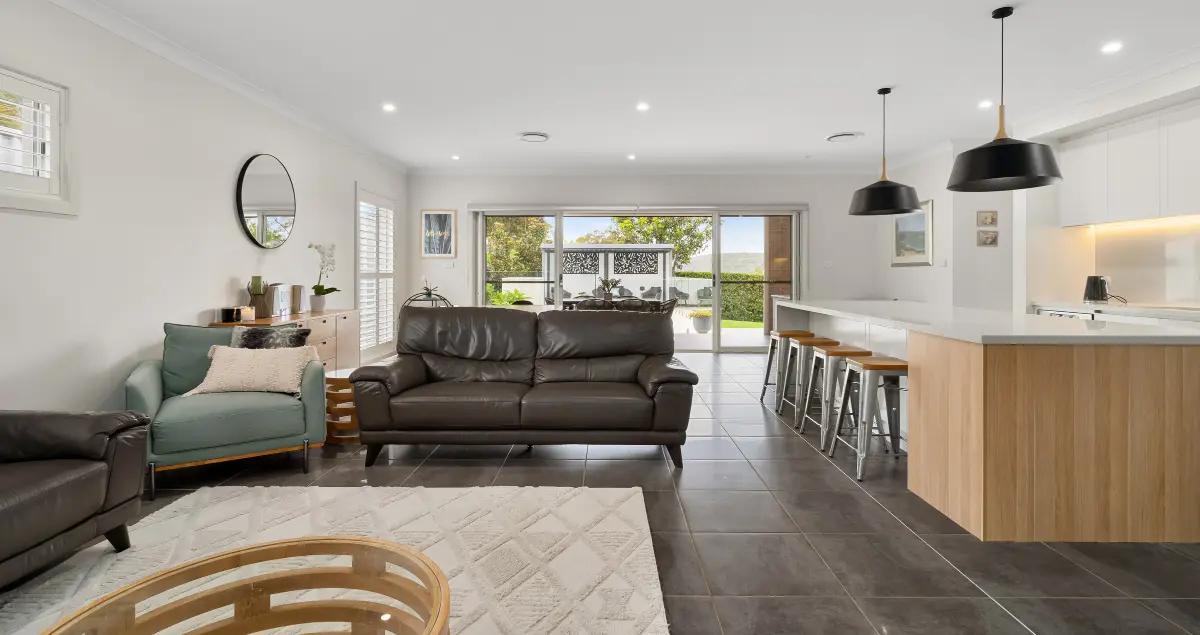
One of the most overlooked advantages of hosting TDY guests is their tendency to live normally within the space. They cook meals, do laundry, and keep their environment organized because they are essentially living there, not just visiting. This type of behavior naturally results in less strain on the property.
Vacation renters often operate on a different schedule. Meals may involve takeout, trash can accumulate quickly, and cleaning is often left entirely to the host after departure. Over time, this pattern increases the workload on property owners and can lead to more frequent maintenance interventions.
The Role of Government Structure in Guest Responsibility
TDY travel is governed by strict regulations, including reimbursement systems and lodging standards. Because their accommodations are tied to official travel orders, TDY guests are more likely to respect the property and follow guidelines. There is an inherent level of accountability that comes with government-backed travel.
This structure encourages responsible behavior in a way that casual vacation travel does not. Guests understand that their lodging must meet certain expectations, and they are more inclined to maintain those standards throughout their stay. This reduces the need for constant oversight or corrective action from property owners.
How Property Design Supports Low-Maintenance TDY Stays
Properties designed for TDY stays are often better equipped for long-term use. They include full kitchens, laundry facilities, and practical layouts that support everyday living. These features make it easier for guests to maintain the property naturally without relying heavily on external services.
For example, a well-prepared listing like this durable furnished home near Hurlburt AFB for long stays demonstrates how thoughtful design can enhance both comfort and durability. When a property is built with long-term use in mind, it reduces strain on appliances and minimizes the likelihood of damage.
How Added Perks Reduce Maintenance Requests
Another key factor that answers the question “do TDY guests require more or less maintenance than vacation renters” is the inclusion of perks. TDY-focused lodging platforms often provide added benefits such as cleaning services, grocery support, or meal options. These perks improve the guest experience while also reducing the burden on the property itself.
When guests have access to these conveniences, they are less likely to create situations that require owner intervention. For instance, regular cleaning services help maintain the property’s condition without waiting until the end of the stay. This proactive approach keeps maintenance needs low and predictable.
Why Fewer Guests Mean Fewer Problems
TDY stays typically involve fewer occupants compared to vacation rentals, which may host large groups or families for short periods. Fewer people generally translate to less wear on furniture, appliances, and shared spaces. This controlled environment makes it easier to preserve the condition of the property.
Vacation rentals, especially those marketed for group travel, often experience higher levels of activity. More guests mean more usage, more movement, and more potential for accidental damage. Over time, this can significantly increase maintenance costs and reduce the lifespan of key property features.
What Property Owners Gain from Hosting TDY Guests
For property owners, the benefits of hosting TDY guests extend beyond reduced maintenance. The stability of longer stays means fewer gaps between bookings and less time spent managing turnovers. This creates a more predictable income stream while also lowering operational demands.
Additionally, the structured nature of TDY travel ensures that payments, documentation, and expectations are clearly defined. This eliminates many of the uncertainties that come with traditional vacation rentals. As a result, owners can focus less on day-to-day issues and more on long-term property performance.
In the end, the question of whether TDY guests require more or less maintenance than vacation renters comes down to lifestyle, structure, and intent. TDY guests bring consistency, responsibility, and routine into a property, all of which contribute to lower maintenance demands. Vacation renters, while valuable in their own right, often introduce variability that can increase workload and wear.
For those seeking a more balanced and predictable hosting experience, TDY guests offer a compelling alternative. Their approach to living in a space aligns more closely with long-term care, making them an ideal choice for property owners who want to protect their investment while minimizing effort.