

Why Utility Terms Matter Near Luke AFB
For a TDY stay near Luke Air Force Base, the phrase “utilities included” can sound simple. In practice, it may mean different things depending on the property, the season, the lease format, and the owner’s pricing model. Some Luke AFB area rentals include electricity, water, sewer, trash, gas, internet, and yard service in one monthly rate. Others include those services only up to a stated dollar amount, with the guest responsible for overages. That difference can affect your total cost, your DTS documentation, and your ability to stay within the lodging portion of per diem.
Luke AFB sits in the West Valley of the Phoenix metro area, where summer heat drives heavy air-conditioning use. Furnished rentals in Glendale, Surprise, Goodyear, Peoria, Avondale, and Litchfield Park may look similarly priced at first glance, but utility policies can make one property much more predictable than another. A fully included rate may offer budgeting clarity, while a capped utility structure may keep the base rent lower but require more attention during extreme weather.
For a broader breakdown of how this can affect your budget, see our guide to rent + utilities vs BAH for Luke AFB area.
TDY Hero helps military travelers compare furnished rental options built around longer stays, training schedules, and the realities of military travel. When reviewing Luke AFB rentals with utilities included, you should look beyond the headline rate and ask how the owner defines included utilities, whether caps apply, how overages are calculated, and what proof is provided if additional charges occur.

What “Utilities Included” Usually Means in Furnished Rentals
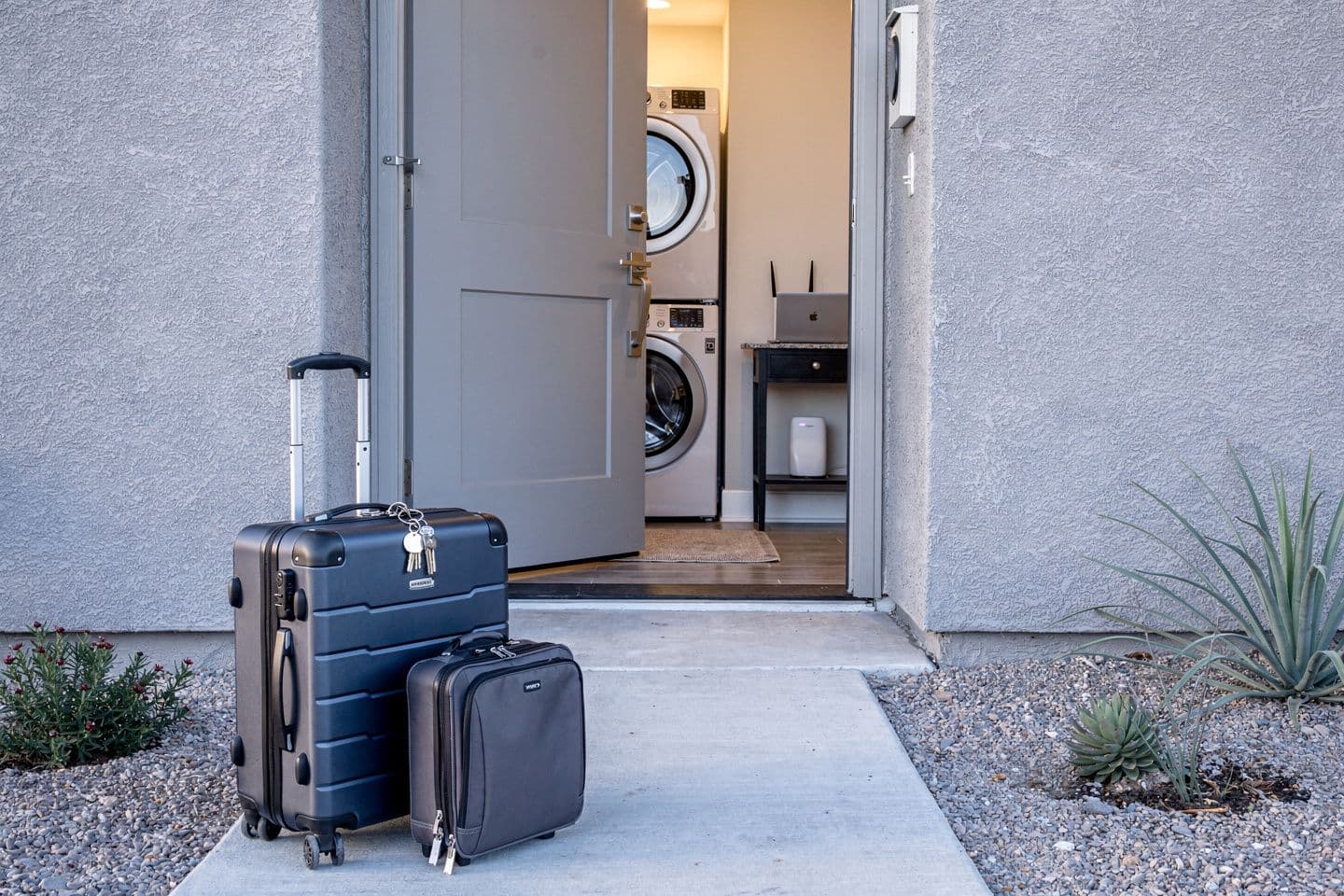
In a typical furnished TDY rental, “utilities included” usually means the owner has active service accounts and the guest does not need to set up electricity, water, internet, or trash service. This is one of the main advantages of booking a furnished rental instead of a traditional unfurnished lease. You can arrive with luggage, begin your assignment, and avoid waiting for service activation or transferring bills into your name.
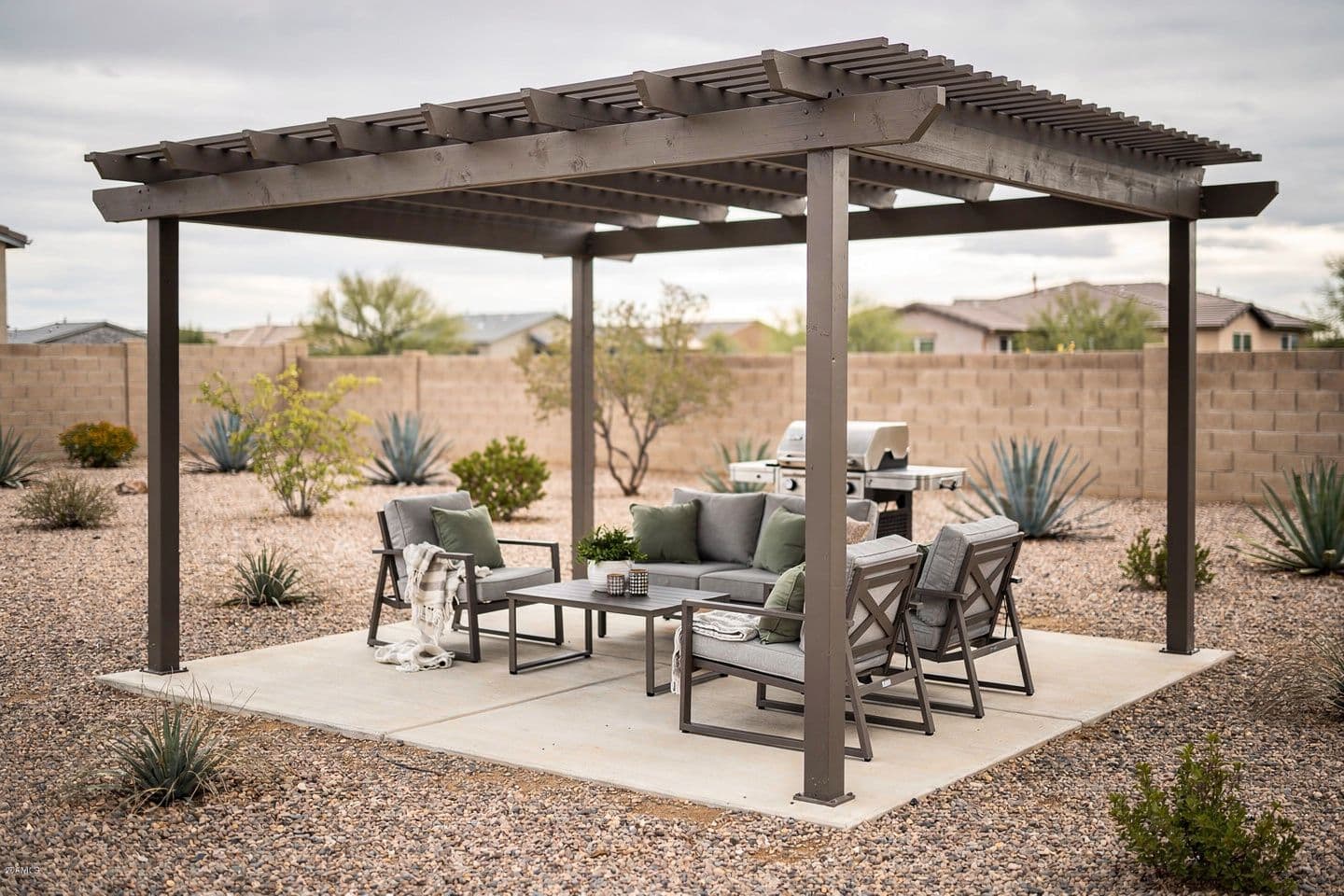
Near Luke AFB, the most common included utilities are electric, water, sewer, trash, high-speed internet, and basic streaming-ready connectivity. Some properties may also include gas if appliances, heating, or outdoor grills use it. In single-family homes, landscaping, pool service, pest control, and HOA-related services may be bundled into the monthly rate, even though they are not utilities in the strict sense. For TDY travelers, those services still matter because they affect whether the home is truly turnkey.
Furnished options near the base include Modern 3BR 2BA Home Luke AFB Goodyear - Pet, No Roommates for travelers who want a turnkey home setup.
The key is that “included” does not always mean “unlimited.” A property description may advertise utilities included while the lease contains a monthly cap for electricity or total utility usage. That is not necessarily a red flag. In hot climates, owners often use caps to protect against unusually high usage while still providing a predictable furnished housing product. What matters is whether the cap is clearly stated before booking, whether it is realistic for the home size and season, and whether the guest understands how an overage would be handled.
Why Utility Caps Are Common in the Phoenix West Valley
Utility caps are especially common in the Luke AFB area because electricity usage can swing dramatically between mild months and peak summer. A two-bedroom townhome in February may use far less electricity than the same home in July, when air-conditioning can run most of the day. Owners who rent furnished homes year-round often build a reasonable allowance into the rent and then cap the amount to prevent extreme usage from turning a profitable stay into a loss.
For example, a rental may include electricity up to a stated monthly amount, such as a fixed dollar cap, with the guest paying only the portion above that cap. Another property may have a combined utility cap covering electric, water, and gas. Some owners use seasonal caps, with a higher allowance in summer and a lower allowance in winter. Others offer fully included utilities with no stated cap but price the rent higher to absorb average usage over the year.
These structures reflect the local climate rather than a lack of military friendliness. The West Valley’s dry heat, intense sun exposure, and long cooling season make electricity a major operating cost. Homes with older HVAC systems, poor insulation, west-facing windows, or large square footage may have higher utility usage than newer apartments or smaller casitas. If you are comparing Luke AFB rentals utilities included, the cap should be evaluated alongside the property type, commute, square footage, and expected season of occupancy.

Fully Included Utilities vs. Capped Utilities: Which Is Better for TDY?
A fully included utility structure is usually the easiest option for TDY travelers who want a predictable monthly lodging amount. If the quoted rent includes utilities without a cap, the traveler can compare the total lodging cost against the authorized lodging rate and avoid calculating variable overages. This can be especially helpful for multi-month assignments, split stays, family travel, or situations where the traveler does not want surprises at voucher time.
Capped utilities can still be a good fit when the cap is reasonable and the base rent is lower. A capped arrangement may allow an owner to offer a more competitive rate while protecting against unusual usage, such as running the air conditioner with doors open, charging multiple electric vehicles without disclosure, or maintaining very low thermostat settings throughout the summer. If you use utilities normally and understand the policy, you may never exceed the cap.
The better option depends on your risk tolerance and the details of your orders. For a short mild-weather stay, a utility cap may be unlikely to matter. For a July through September stay, utility language deserves closer review. TDY Hero listings and owner conversations should help clarify whether the advertised rate is all-inclusive, capped, or partially inclusive. The goal is not simply to find the lowest rent; it is to find the most transparent cost structure for the full stay.
If you want a deeper look at similar language, this overview of utilities included in extended-stay rentals near Luke AFB can help you compare terms more confidently.
What Utility Costs Should You Ask About Before Booking?
Before reserving a furnished rental near Luke AFB, you should ask for a clear list of included services. The most important question is whether electricity is fully included or capped, because cooling costs are often the largest variable expense. You should also ask whether water, sewer, trash, internet, gas, pest control, pool care, landscaping, and parking are included in the quoted rate. If the property is in an apartment community or HOA neighborhood, ask whether any amenity fees, gate fees, or parking permits apply.
If a cap exists, ask for the exact dollar amount, whether it applies monthly or per billing cycle, and whether unused amounts roll over. You should also ask how overages are documented. A professional owner should be able to provide a utility bill or usage statement if an additional charge is requested. The policy should explain whether the overage is due upon receipt, deducted from a deposit, or billed at checkout.
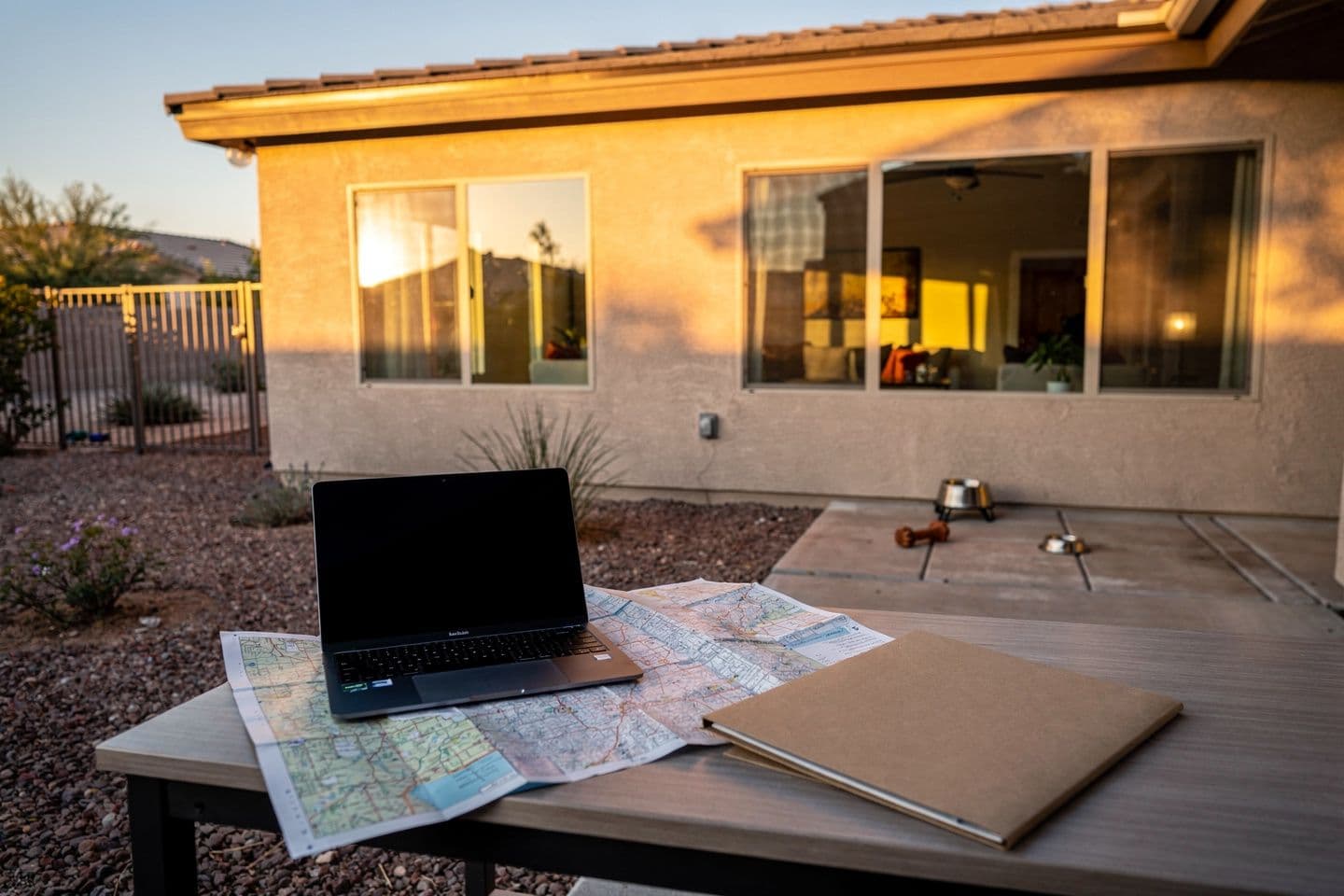
Internet deserves separate attention. Many TDY travelers need reliable Wi-Fi for online training, administrative work, video calls, and personal use after duty hours. “Internet included” should mean active home internet, not a vague promise of connectivity. Ask about speed, router location, whether the connection is shared with another unit, and whether the property has a dedicated workspace. On TDY Hero, military-focused rentals often highlight these practical details because they directly affect longer stays.
How Luke AFB Commute Areas Affect Utility Expectations
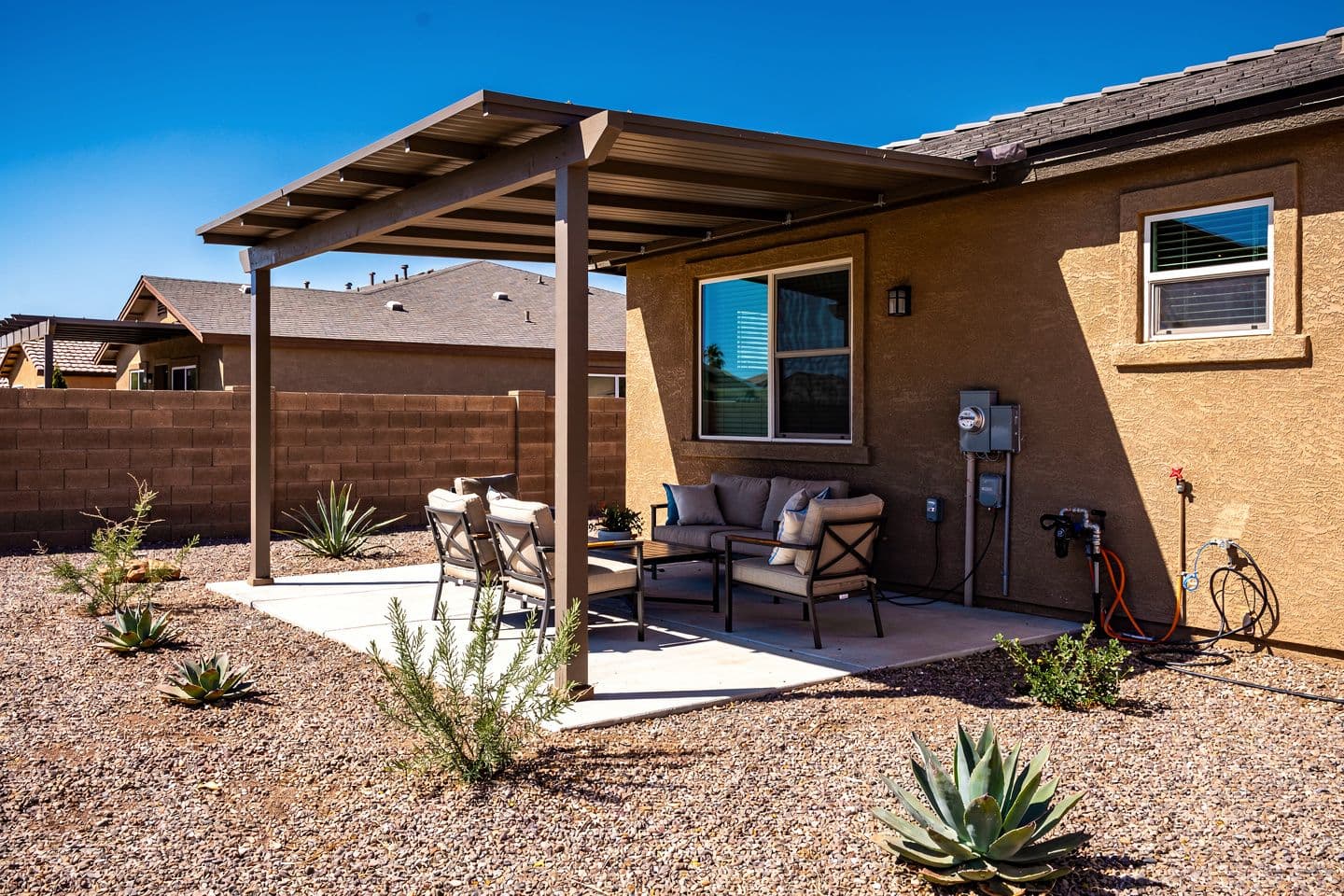
Utility expectations may vary by neighborhood and property type around Luke AFB. Rentals close to the base in Glendale, Litchfield Park, and parts of Goodyear may include single-family homes, townhomes, and casitas. These properties can offer more space, yards, garages, and privacy, but larger homes may have higher cooling loads. A home with a small yard and covered patio may be more comfortable for a long stay, yet it may also require landscaping or irrigation costs that should be addressed in the lease.
Surprise and Peoria can offer newer subdivisions and comfortable residential settings, but commute times may vary depending on gate access, school traffic, Loop 303, and surface streets. Newer homes may be more energy efficient, especially if they have modern HVAC systems, dual-pane windows, and better insulation. However, a larger floor plan can still use more electricity than a compact apartment. If you are choosing a rental farther from base for family space or pet-friendly features, utility terms become part of the overall value calculation.
Avondale and central Goodyear may appeal to travelers who want access to shopping, restaurants, and freeway routes, but the specific commute to Luke AFB can differ by shift time. Apartments and condos in these areas may have simpler utility arrangements, especially when trash, water, and internet are bundled. TDY Hero can help you compare not only distance from the base but also whether a property’s utility setup matches the way you will actually live during the assignment.
Condo and apartment-style options such as Phoenix 2BR 2BA Condo Luke AFB - Midtown, Pool, Stylish and H2O Waterfront Apartments in Phoenix - 1 & 2 Bedroom Rentals may appeal to travelers who prefer simpler utility arrangements.

How Utility Caps Interact With Per Diem, DTS, and Receipts
For military travelers, the practical question is not only whether utilities are included, but whether the lodging cost is documented clearly. TDY lodging reimbursement is driven by orders, the authorized lodging rate, applicable rules, and the documentation submitted through DTS or the appropriate travel process. A furnished rental should provide a lodging receipt or invoice that clearly shows the lodging charge, dates of stay, taxes or fees if applicable, and any additional charges.
If utility overages are billed separately, documentation becomes more important. An overage may be considered part of the lodging arrangement if it is required under the lease, but travelers should not assume every add-on will be reimbursed. The traveler should confirm with the approving official, travel office, or unit guidance if there is uncertainty. A clean invoice that identifies the charge is better than an informal text message or undocumented request.
A fully included rate is often simpler because the utilities are part of the agreed lodging amount. A capped structure can still be workable if the agreement is transparent and the total cost stays within authorized limits. Before booking, you should keep copies of the listing, lease or rental agreement, payment receipts, and utility cap language. TDY Hero is designed for military lodging needs, but the traveler remains responsible for ensuring the chosen lodging aligns with orders, policy, and local approval requirements.
Red Flags in Utility Language for Luke AFB Rentals
A good furnished rental agreement should make utility responsibilities easy to understand. Red flags include vague phrases such as “reasonable utilities included” without defining what reasonable means, “guest pays excessive use” without a dollar threshold, or “utilities may be billed later” without explaining how charges are calculated. Ambiguity can lead to disputes, especially during the hottest months when electric bills can be significantly higher than expected.
Another red flag is a property that advertises utilities included in the listing but later presents a lease with major exclusions. For example, if the listing suggests an all-inclusive monthly rate but the lease requires the guest to pay all electricity separately, that should be clarified before any payment is made. The same applies to internet, parking, pool heating, EV charging, and pet-related cleaning fees. A legitimate owner should welcome questions and provide consistent written terms.
You should also be cautious if the owner cannot explain normal utility costs for the home. While exact usage depends on weather and guest behavior, an experienced furnished rental owner should have a general idea of typical summer and winter bills. If the property has a cap, the owner should be able to explain why the cap is set at that amount. TDY Hero encourages clearer expectations between military guests and property owners so that utility terms are addressed before arrival, not after checkout.

How Property Owners Can Structure Utility Terms for Military Guests
For property owners near Luke AFB, utility terms can make or break a furnished rental listing. Military travelers often compare lodging options quickly, and unclear utility language can cause hesitation. Owners should state exactly what is included, whether any caps apply, and how overages are handled. A listing that says “electric included up to $250 per month, water, sewer, trash, and high-speed internet included” is more useful than one that simply says “utilities included.”
Owners can also review our article on utilities included in off-base rentals near Luke AFB for additional wording ideas.
Owners should set caps based on actual bills, home size, seasonality, and normal guest use. A cap that is too low may create frustration and make the advertised rent feel misleading. A cap that is too high may fail to protect the owner from unusual usage. Many owners choose a cap that covers average responsible use, then provide thermostat guidance, filter replacement schedules, and instructions for keeping the home efficient. Smart thermostats can help, but guests should still have reasonable control over comfort.
Documentation is equally important. Owners should include utility language in the rental agreement, keep copies of bills, and provide itemized invoices if overages occur. For military guests, professional documentation is not just a courtesy; it may affect reimbursement and voucher accuracy. Listing through TDY Hero gives owners a military-focused environment where these details can be presented to travelers who already understand the importance of orders, per diem, and clear lodging records.
Final Thoughts
So, are utilities capped or fully included in Luke AFB area rentals? The answer is that both models are common. Many furnished rentals include utilities as part of the monthly rate, but some use caps, especially for electricity during the Phoenix-area cooling season. Neither structure is automatically better. The right choice depends on the total price, the season, the property type, the cap amount, and how clearly the owner documents the terms.
For TDY travelers, the safest approach is to ask specific questions before booking: what utilities are included, whether any caps apply, how overages are calculated, and what receipt will be provided. For property owners, the best approach is to be direct, fair, and consistent. Clear utility terms help attract serious military guests and reduce misunderstandings during longer stays.
TDY Hero helps connect military travelers with furnished rentals that fit the realities of TDY life near Luke AFB and other military communities. Whether you prefer a fully included rate or a transparent capped utility structure, the priority should be the same: a comfortable, well-documented stay with no surprise costs after arrival.