

When property owners start designing or upgrading TDY housing near military bases, one question tends to surface more often than expected: do military guests prefer king beds or multiple singles? This isn’t just a design preference issue, because bed configuration can directly affect how comfortable service members feel after long duty hours. The setup in a bedroom influences sleep quality, personal space, and even how well guests are able to recover between demanding schedules. Choosing the right arrangement can be the difference between a one-time booking and repeat stays from satisfied military travelers.
TDY guests are not typical vacation travelers, and their needs are usually more practical than aesthetic. Some arrive alone, others travel in pairs or small teams, and their schedules often demand rest at irregular hours. Because of this, the decision between a king bed or multiple single beds is not just about preference, but about flexibility and function. Hosts who understand these dynamics are better positioned to create a space that performs well year-round.
Why Bed Setup Matters in TDY Housing
Bed setup plays a surprisingly important role in how military guests evaluate short-term housing. Unlike leisure travelers, TDY guests often spend extended hours working and require reliable rest environments. A poorly planned sleeping arrangement can lead to discomfort, especially when guests are adjusting to new time zones or rotating schedules. This makes the bed configuration one of the most important elements of any furnished rental.
In addition to comfort, practicality also matters. Military travelers often carry specific gear and may need space to organize uniforms or personal items. A well-designed bedroom layout ensures they can rest efficiently without clutter or inconvenience. Many hosts begin to understand these expectations after reviewing insights such as this guide on what bed setup works best for TDY guests, which breaks down real preferences from service members.
Understanding Military Guest Sleeping Preferences
Military guests do not all share the same sleeping preferences, but patterns do exist based on assignment type and travel group size. Solo travelers often prefer a larger, more comfortable bed where they can fully recover after long shifts. Meanwhile, shared accommodations for training groups or crews may require separate sleeping spaces to ensure privacy and rest quality. These differences matter when designing a rental that appeals to a wide range of TDY stays.
Another factor influencing preference is length of stay. Short TDY assignments may lean toward convenience and simplicity, while longer assignments require more comfort and personalization. Guests staying for several weeks or months often value consistency in sleep quality over anything else. Understanding these nuances helps hosts choose between maximizing shared space or prioritizing individual comfort.
When King Beds Are the Better Option
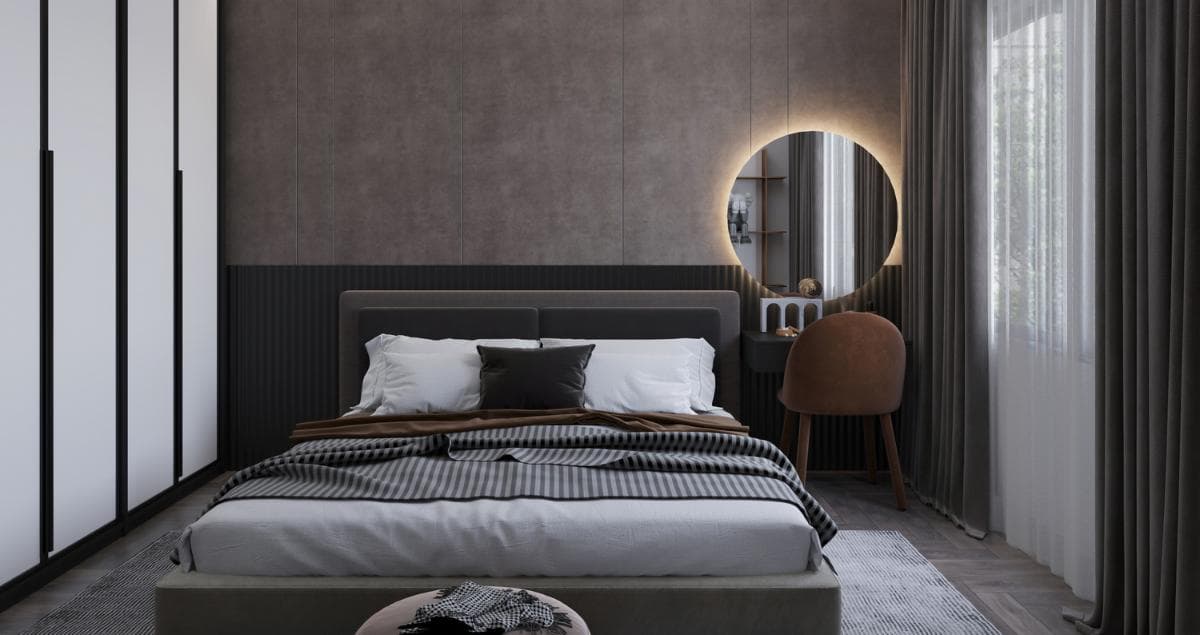
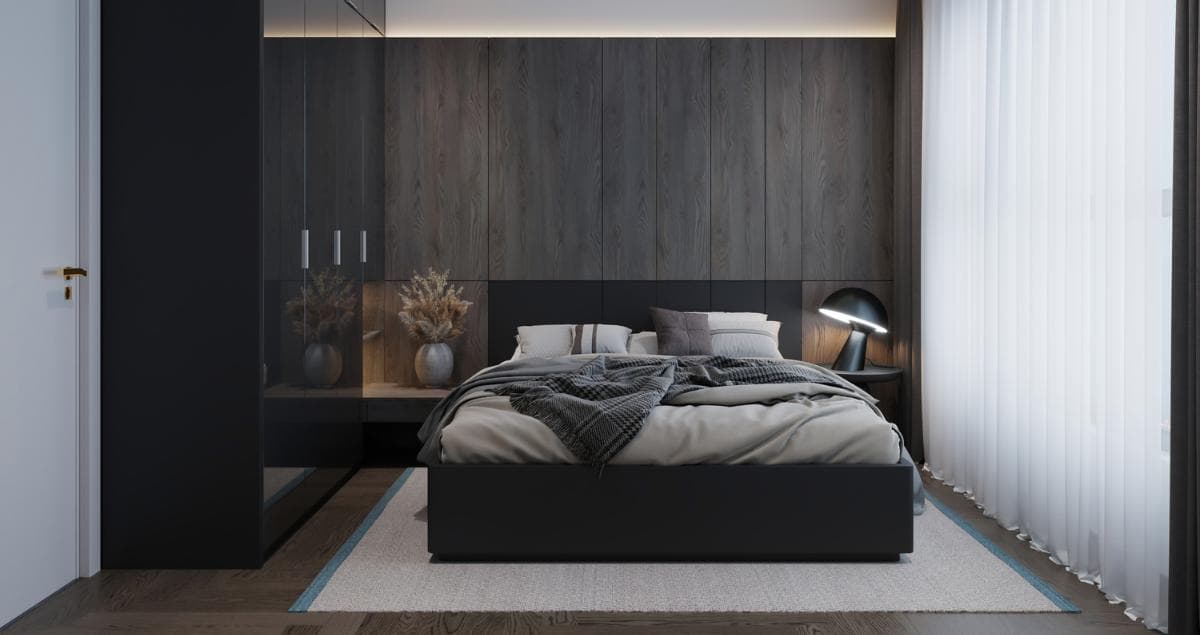
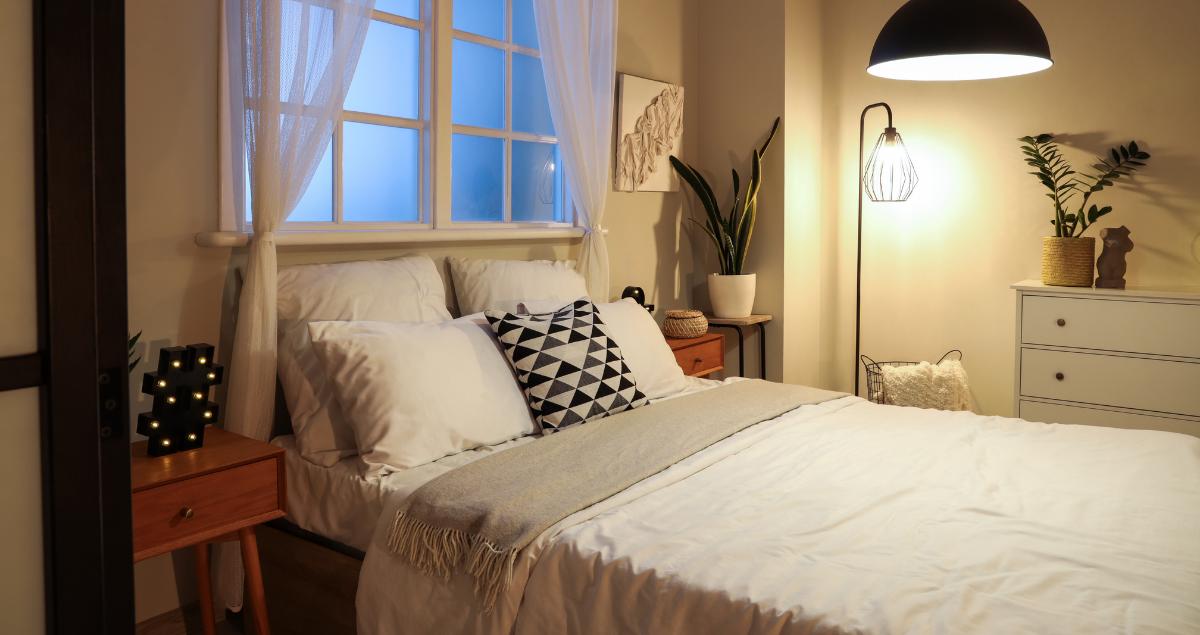
King beds are often the preferred choice for solo TDY travelers who prioritize comfort after demanding workdays. The extra space allows for better sleep posture, reduced disturbance, and an overall higher level of relaxation. In many cases, service members view a king bed as a premium feature, especially when transitioning from base lodging or hotels.
King beds also simplify room design for hosts. Instead of accommodating multiple sleepers, the room can be optimized for one high-quality sleeping experience. This setup works especially well in one-bedroom or studio-style units where maximizing comfort is the primary goal. However, it may not always be the best solution for group travel or shared assignments.
When Multiple Single Beds Make More Sense
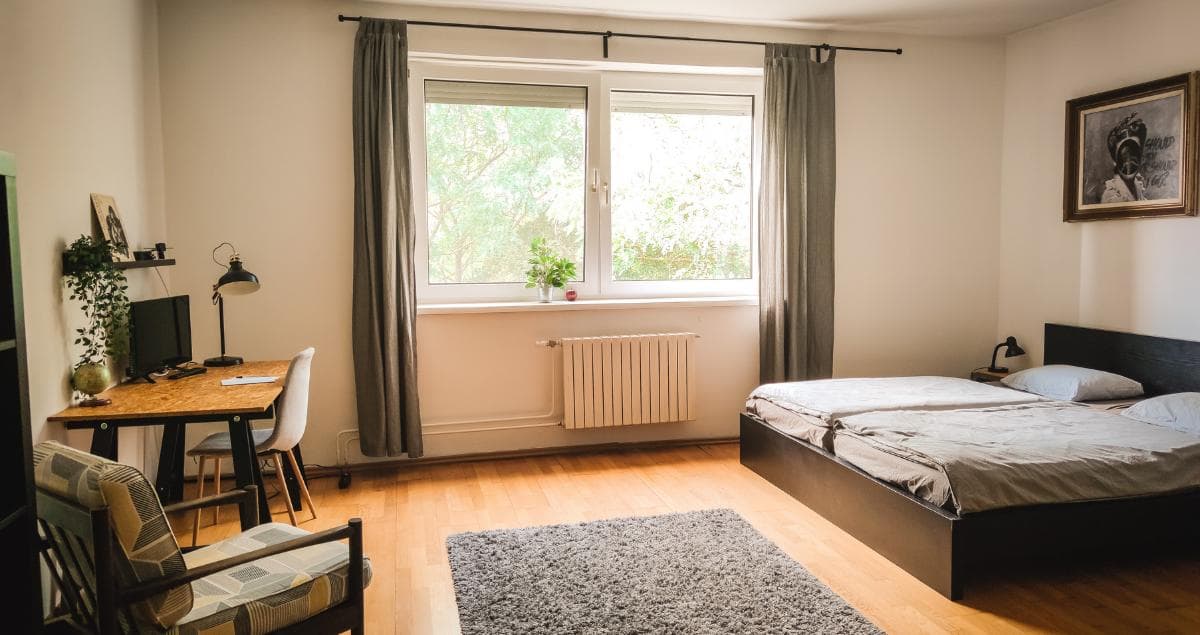
Multiple single beds are often the more practical option for group TDY assignments or training environments. When two or more service members share housing, separate beds provide privacy and better rest quality. This setup reduces disruptions caused by different schedules or sleep habits, which is common in military travel groups.
Another advantage of single beds is flexibility. Hosts can reconfigure rooms based on booking needs, making the property more versatile over time. This adaptability is especially useful in markets with fluctuating demand from different types of military assignments. However, it requires thoughtful layout planning to avoid making the space feel crowded or institutional.
Designing Flexible Sleeping Arrangements for TDY Guests
Some of the most successful TDY rentals use hybrid sleeping arrangements that combine both king and single bed options. This allows hosts to accommodate a wider range of guest profiles without major redesigns between bookings. Flexibility becomes a competitive advantage in markets near busy military installations where demand changes frequently.
For example, properties like this flexible sleeping arrangement TDY rental near Luke AFB demonstrate how thoughtful bedroom layouts can serve both solo travelers and small groups. By offering adaptable sleeping options, hosts can maximize occupancy rates while maintaining comfort standards. This balance is key to long-term rental success.
How Room Layout Affects Sleep Quality
Beyond bed type, room layout also plays a major role in sleep quality for TDY guests. Placement of furniture, lighting control, and noise reduction all contribute to how well guests rest. Even the best bed can feel uncomfortable if the surrounding environment is not designed for relaxation and focus. This is especially important for military personnel recovering from physically demanding schedules.
Good layout design also helps reduce stress during longer stays. When guests can easily access storage, charging stations, and personal space, they are more likely to feel settled. This improves overall satisfaction and increases the likelihood of repeat bookings. Thoughtful design choices often matter just as much as the bed itself.
Balancing Comfort and Operational Efficiency for Hosts
From a hosting perspective, choosing between king beds and multiple singles also affects operational efficiency. Larger beds may require more expensive linens and laundry management, while multiple singles can increase turnover complexity. Hosts must consider both guest comfort and long-term maintenance when making decisions about bedroom setups.
Efficient operations also involve anticipating guest turnover patterns. Military bookings often follow structured schedules, but changes can occur unexpectedly. Having a flexible and easy-to-manage bed configuration helps reduce downtime between stays. This ensures the property remains consistently available and appealing to new guests.
Final Considerations for Choosing the Right Setup
Choosing the right bed configuration ultimately depends on the type of TDY guests a property aims to attract. Solo travelers typically lean toward king beds for comfort, while group assignments benefit more from multiple singles. However, flexibility often provides the best long-term return by accommodating a wider range of booking scenarios.
Hosts who take time to understand military travel patterns and adjust their sleeping arrangements accordingly are more likely to succeed in this niche market. Whether prioritizing luxury, flexibility, or operational simplicity, the goal remains the same: creating a restful and reliable environment for service members on assignment. A well-thought-out bed setup becomes more than furniture—it becomes part of the guest experience that drives satisfaction and repeat stays.